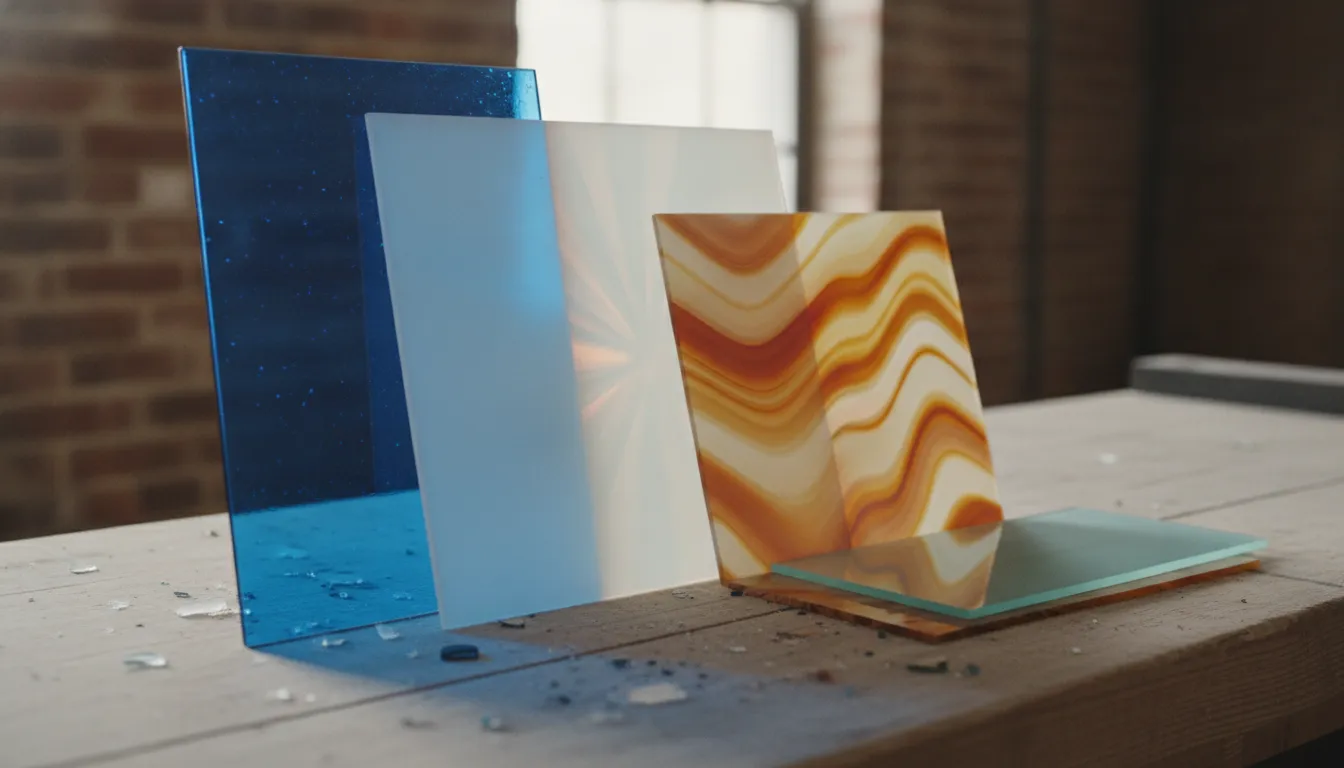
Sheets of colored glass differ by light, thickness, and COE. Learn how to choose a fusing or stained-glass sheet before you place a studio order today.

Glass Store USA
Sheets of colored glass differ by light, thickness, and COE. Learn how to choose a fusing or stained-glass sheet before you place a studio order today.

Learn when glass cutting oil helps, how to apply it sparingly, and what to check when choosing oil or troubleshooting an inconsistent score.

Use fused glass frit blends for smooth color transitions. Match grain size, COE, and fuse level so bands shift instead of turning muddy.
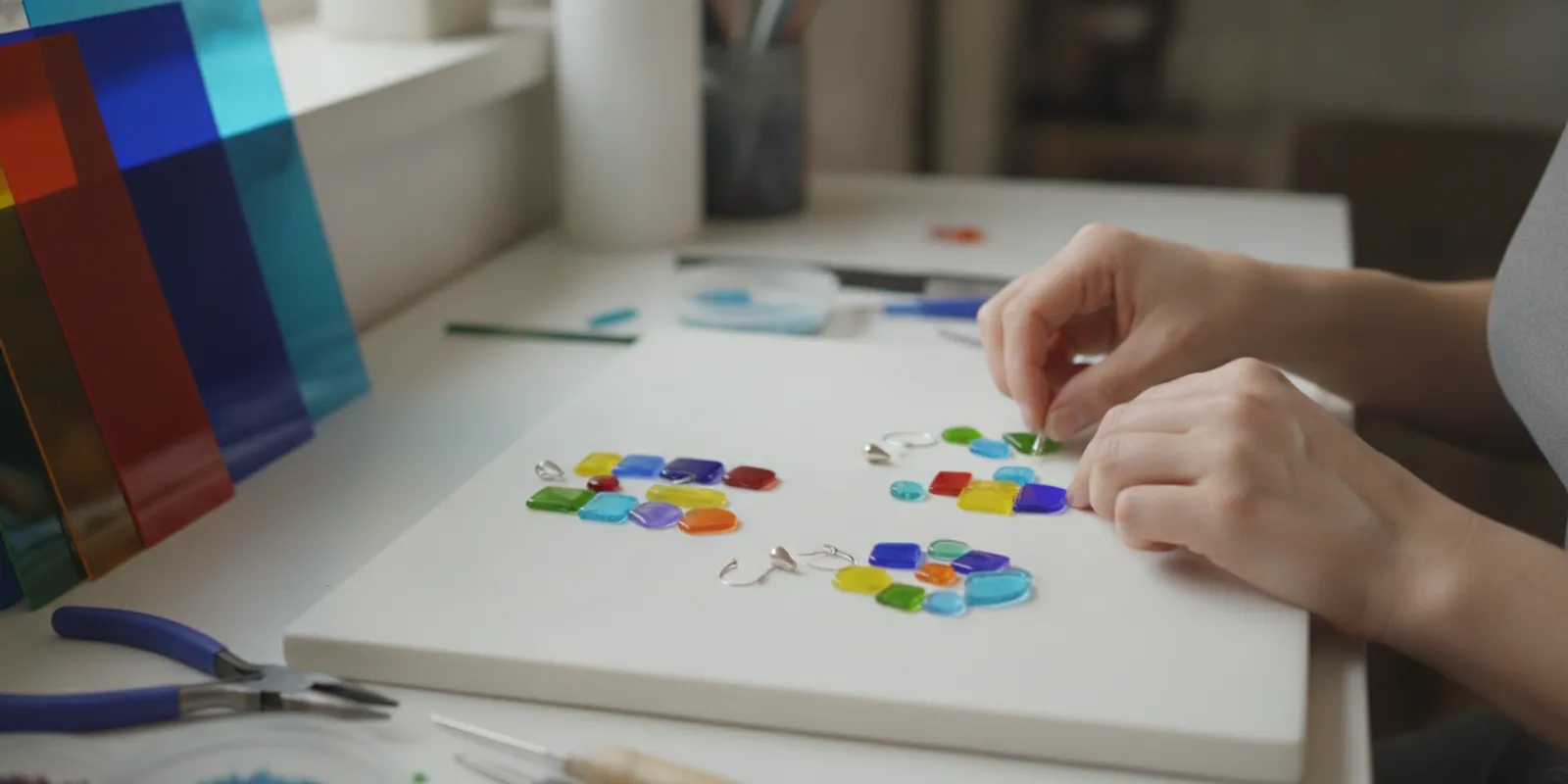
Learn how to choose compatible glass, plan a jewelry design, prepare your kiln load, and inspect finished pieces before adding findings.

Twisted cane glass adds a spiral line to fused work. Match COE, compare single and double twist, then place and fire the cane.
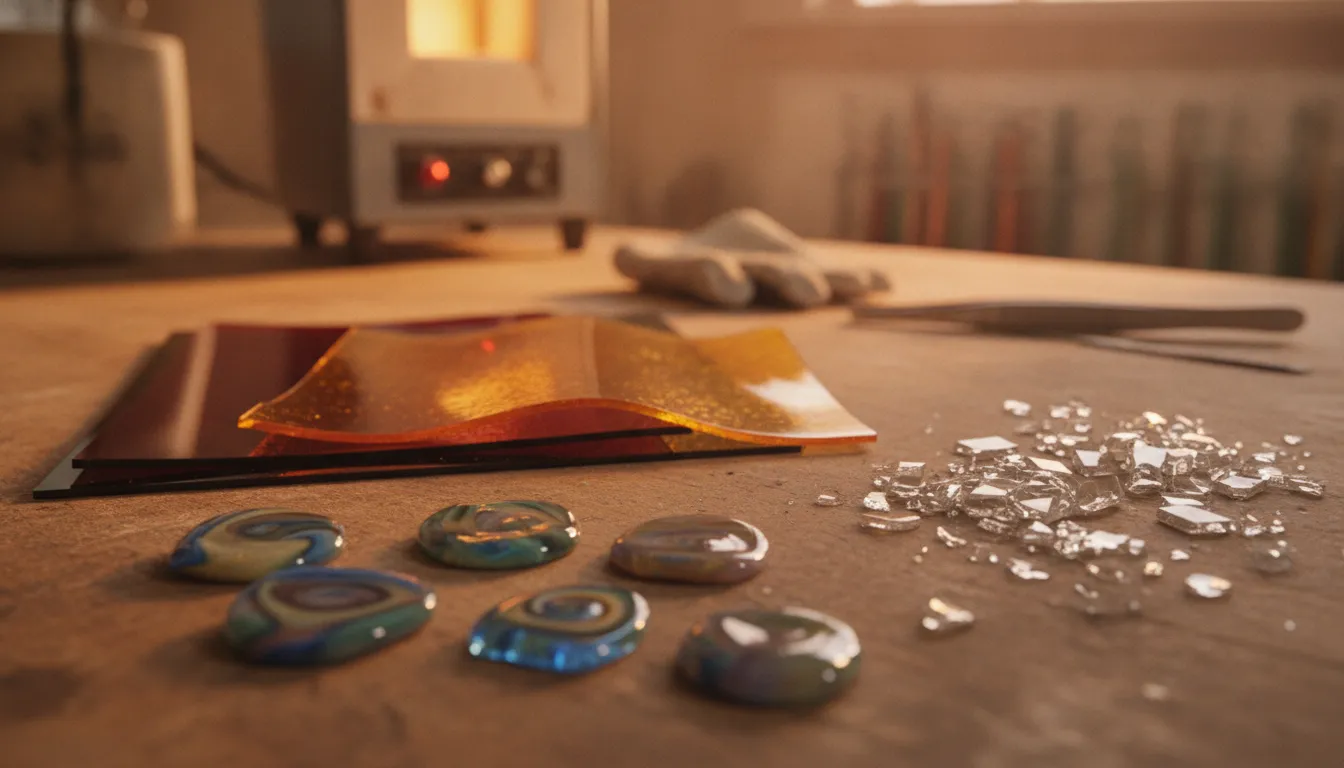
Choose Bullseye COE90 jewelry glass by thickness and stack. Match 2mm, 3mm, scrap, or precut blanks, then test one small piece.
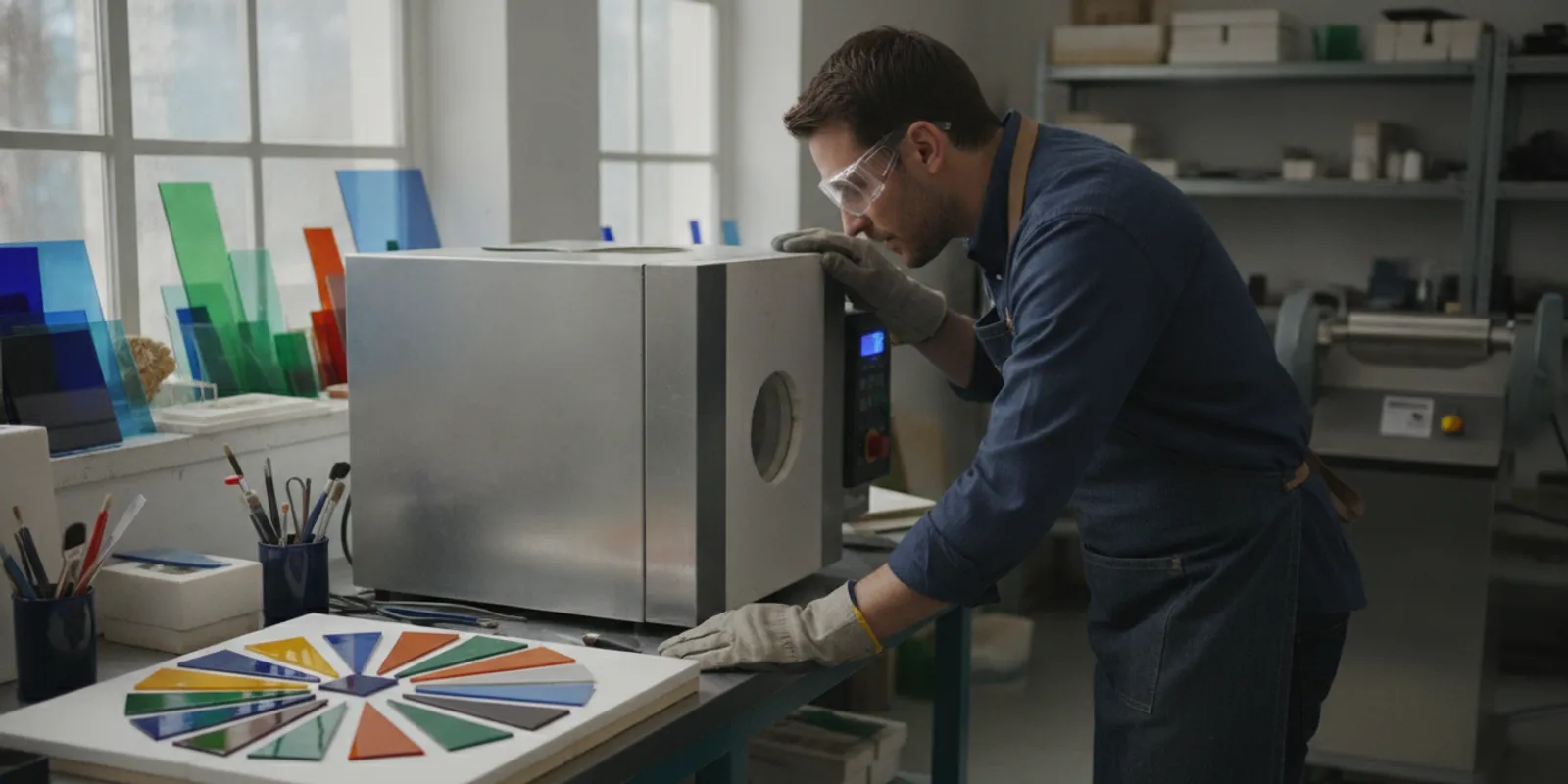
Learn how to assess a pottery kiln for glass fusing, compare controls and size, and choose equipment that matches your studio and projects.
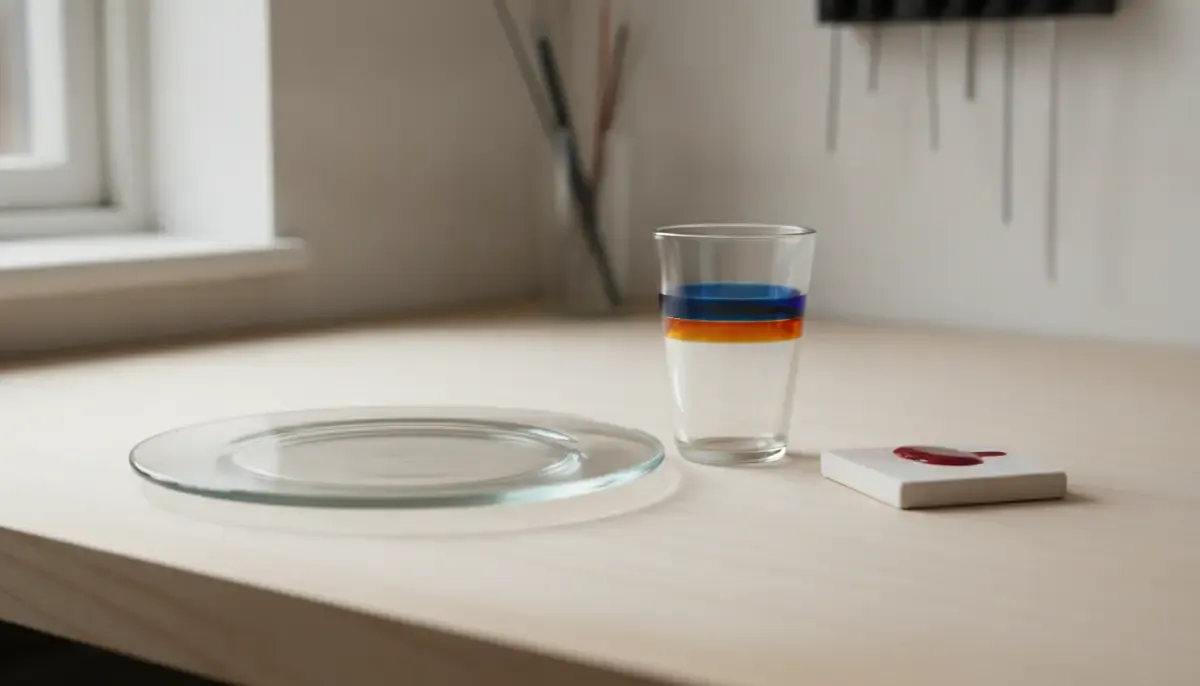
Food safe glass paint is a kiln color that is food safe once fired. See where to put it on a plate or cup, and test a tile first.
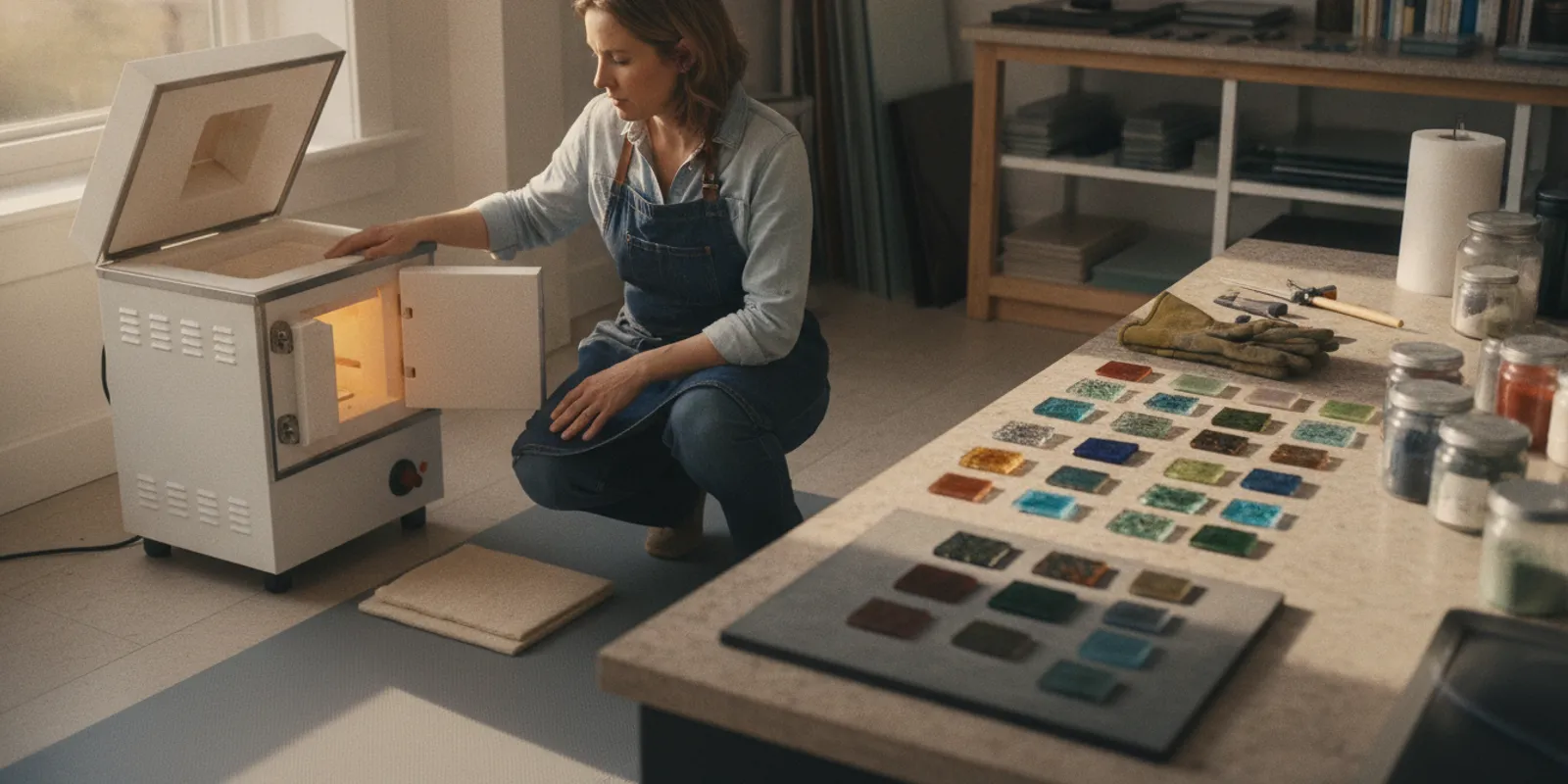
Learn how to evaluate an Evenheat glass kiln by chamber size, controller, electrical needs, firing goals, and the questions to ask before buying.
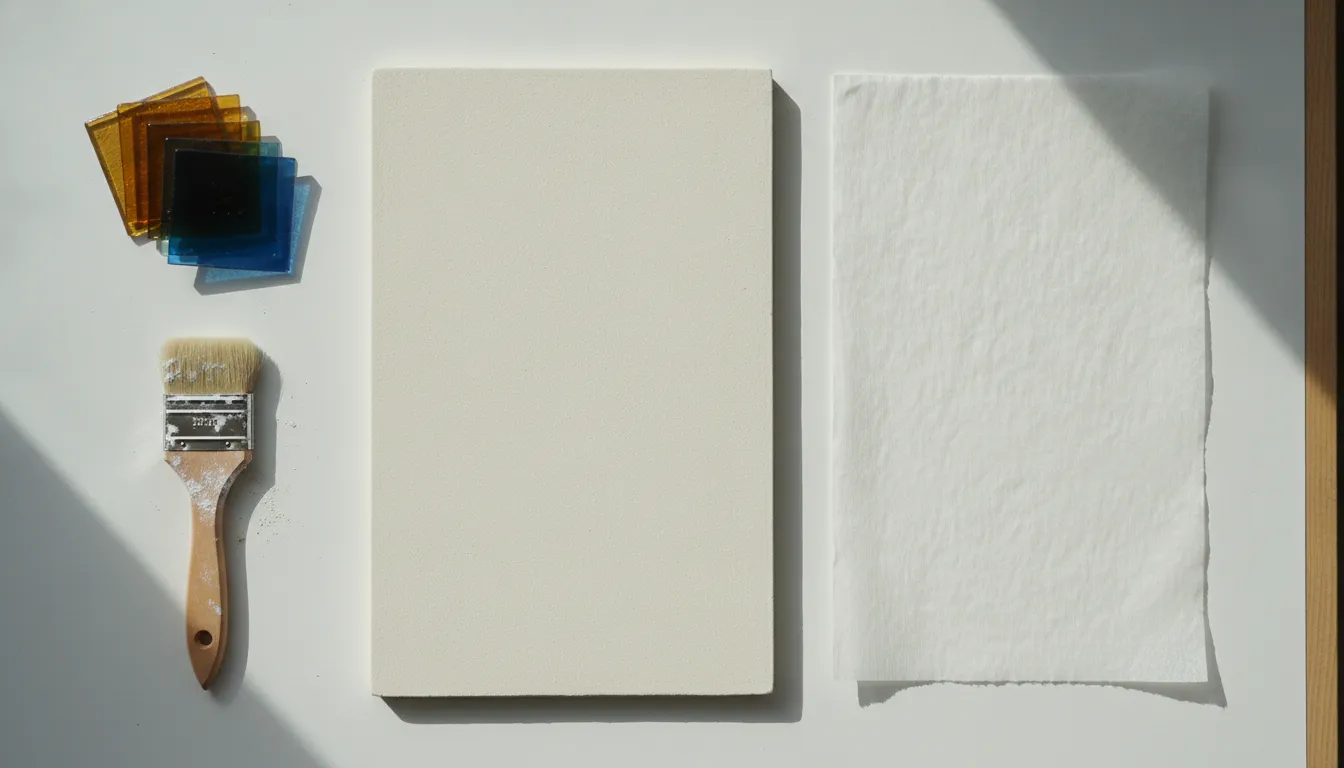
Kiln shelf primer for a first firing stops glass sticking. Compare primer, paper, and fiber before you turn the kiln on.