
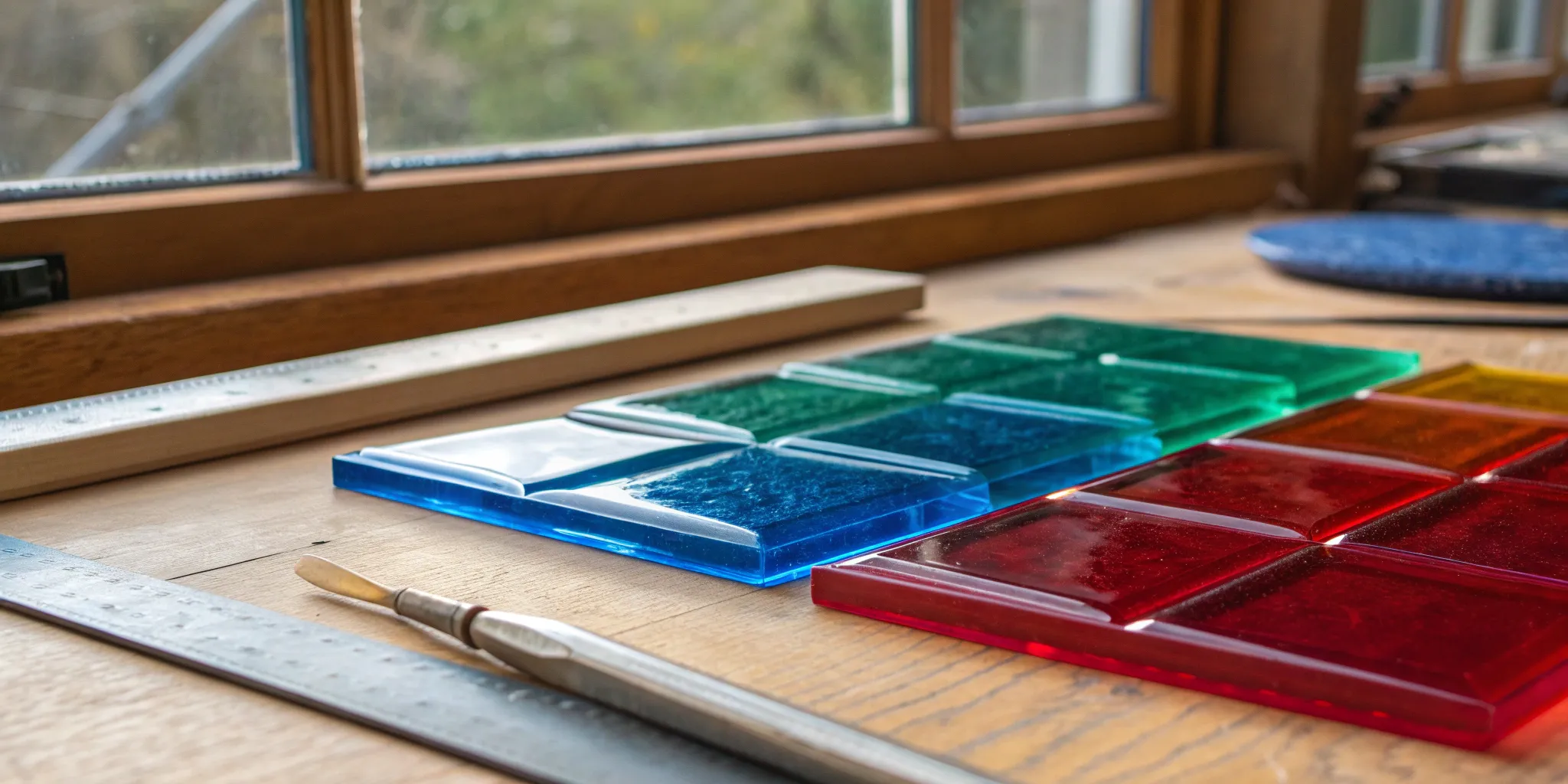
If you’ve ever felt that small knot of anxiety while waiting for your kiln to cool, you know the feeling. You hope your beautiful design survived without any cracks or unexpected issues. This is where choosing the right glass changes everything. Think of System 96 glass as your insurance policy against kiln-related heartbreak. It’s a complete family of glass products, from sheets to frits, all engineered to be perfectly compatible. Every piece of system 96 expands and contracts at the same rate, taking the guesswork out of your firing schedule. This lets you focus on your art, not on complex chemistry.
Key Takeaways
- Stick to the System for Success: The “96” in System 96 refers to its Coefficient of Expansion (COE). To create strong, crack-free pieces, ensure every bit of glass in your project—from sheets to powders—is COE 96, as mixing COEs is the number one cause of failure.
- Enjoy a More Forgiving Firing Process: System 96 is known as a “softer” glass that melts at lower temperatures than other types like COE 90. This quality makes it easier to cut and more tolerant of slight variations in the kiln, which is great for artists of all skill levels.
- Use the Right Firing Schedule: Your kiln schedule is your project’s recipe. Always start with the manufacturer’s recommended firing guides for System 96 to prevent overheating and ensure your glass anneals properly, giving you a durable, professional finish.
What Is System 96 Glass?
If you’ve spent any time in the world of warm glass, you’ve likely heard artists talk about System 96. Think of it as a complete family of glass products, all designed from the ground up to work together perfectly in the kiln. Whether you’re fusing, slumping, or casting, this glass is engineered for compatibility. This means you can mix and match colors and forms with confidence, knowing they will expand and contract at the same rate during firing, which is essential for creating strong, crack-free pieces.
System 96 is especially well-known for being incredibly user-friendly. Many artists describe it as “soft and forgiving,” making it a fantastic choice if you’re just starting your glass journey. It’s less prone to thermal shock and behaves predictably in the kiln, which removes a lot of the guesswork. But it’s not just for beginners; seasoned professionals love it for its reliability, vast color palette, and the consistent results it delivers. It allows you to focus more on your creative vision and less on technical troubleshooting.
A Brief History of Glass Fusing
While we often think of glass fusing as a modern art form, its roots stretch back thousands of years. The technique of melting glass together in a controlled way actually began around 2000 BC. Artisans in ancient Egypt and Mesopotamia were the original pioneers, discovering how to create vibrant glass objects long before glassblowing became the dominant method. The Romans later adopted and refined these techniques, using them to craft everything from decorative tiles to intricate jewelry. This ancient craft has seen a major revival, and today, artists use modern electric kilns to achieve precise results that early artisans could only dream of, continuing a tradition that is truly timeless.
What Makes System 96 Glass Special?
What makes System 96 so pleasant to work with? It really comes down to its physical properties. The glass is famously easy to cut, giving you clean, crisp score lines with less effort. This means you can achieve intricate shapes and patterns without fighting the material, resulting in less wasted glass and more precise designs. Its “forgiving” nature also means it can handle a bit more variation in firing schedules and still produce beautiful results. This workability makes the entire process, from cutting your initial shapes to pulling the final piece from the kiln, feel smoother and more intuitive.
Why COE 96 Compatibility Matters
The “96” in System 96 refers to its COE, or Coefficient of Expansion. In simple terms, COE is a measurement of how much glass expands when heated and shrinks when cooled. For a fused glass project to survive the firing process, every single piece of glass involved must have the same COE. If you mix glass with different COEs, they will shrink at different rates, creating stress that will cause your beautiful artwork to crack or even shatter. All COE96 glass is tested to be compatible, giving you the freedom to combine any colors and styles within the System 96 family without worry.
How Strong Is System 96 Glass?
System 96 is what’s known as a “lower temperature” glass. This means it reaches the right viscosity for fusing and slumping at a lower temperature compared to other glass types, like COE 90. What does this mean for you in the studio? It means you can often use shorter firing schedules, which saves you time and electricity. This efficiency is a huge plus for any artist, whether you run your kiln once a month or every single day. This heat compliance ensures the glass performs reliably under heat, giving you consistent and durable results for everything from jewelry to large platters.
Your Guide to System 96 Glass Colors and Types
One of the best parts about working with System 96 glass is the sheer variety available. It’s not just a single type of glass; it’s a whole family of compatible products designed to work together seamlessly. Whether you’re looking for a specific size, a brilliant color that won’t fade in the kiln, or a special texture to make your piece pop, System 96 has you covered. Let’s look at what you can find.
Exploring COE 96 Brands
While “System 96” is a standard of compatibility, it’s not a single brand. Instead, it’s a collaboration between several top-tier glass manufacturers who have all agreed to produce glass that meets this specific COE. This is great news for artists because it means you get the reliability of the system combined with the unique artistic flair of different companies. Each brand brings its own history, color palette, and signature style to the table, giving you a wider creative toolbox to work with. Let’s get to know a couple of the key players whose beautiful glass you’ll find in the System 96 family.
Wissmach Glass
With a legacy that began in 1940, Wissmach Glass has a long-standing reputation for creating products that excite and inspire glass artists. Their COE 96 glass is celebrated for its smooth finish and beautiful, wispy mixtures of translucent colors that allow light to pass through, illuminating the hues and adding incredible vibrancy to any piece. This quality makes their glass fantastic for projects where you want to play with light and depth. Whether you’re working with their classic sheets or their casting billets, you can trust in the quality and consistency that comes from decades of experience. Wissmach is committed to the System 96 standard, ensuring every product is fully compatible and ready for your next kiln-fired project.
Youghiogheny Glass
When your project demands rich color and distinctive texture, Youghiogheny Glass is a go-to for many artists. Known for its vibrant, often painterly, patterns, this glass can truly make a statement in your work. Youghiogheny offers a wide variety of styles, including transparent, opaque, and streaky options, all designed to fuse perfectly with other COE 96 glass. The unique character of their sheets can add a sense of depth and movement, turning a simple design into an intricate piece of art. Their commitment to the System 96 family means you can confidently incorporate their stunning glass into your projects without worrying about compatibility issues.
Finding the Right Form and Size
No matter the scale of your project, you can find System 96 glass in a size that works for you. It’s commonly sold in standard sheets, including 6×6, 12×12, and 24×24 inches. This range is fantastic because it helps you minimize waste and buy just what you need, whether you’re making small jewelry pieces or a large fused glass bowl. Having these options means less time spent cutting down huge sheets and more time for creating. You can explore our full range of COE96 glass to find the perfect starting point for your next idea.
Specialty Forms: Noodles and Confetti
Once you’ve got your base sorted, the real fun begins with adding texture and detail. Beyond sheets and powders, System 96 offers some really playful options that can bring a whole new dimension to your work. Noodles are exactly what they sound like—thin, flat strips of glass that look a bit like fettuccine. They are perfect for creating crisp lines, intricate patterns, or stylish borders, and you can even bend them with a little heat to follow curves in your design. On the other hand, confetti consists of tiny, paper-thin shards of glass that you can sprinkle over your base. This adds a splash of color and a unique, dappled texture that can create a sense of depth or movement. Using these specialty forms is a simple way to add that extra “wow” factor and make your pieces truly one-of-a-kind.
Choosing Your Colors from the System 96 Palette
If you love working with bold, vibrant colors, you’ll feel right at home with System 96. The color palette is known for being bright, clean, and incredibly reliable. One of its most celebrated qualities is how well the colors maintain their integrity, even after multiple trips to the kiln. This means the brilliant red you started with will still be a brilliant red when you pull your finished piece out. This consistency takes the guesswork out of firing and gives you the confidence to create stunning, colorful pieces without worrying about your colors fading or changing unexpectedly.
Beyond Smooth: Specialty Textures and Finishes
Beyond the beautiful colors, System 96 offers an amazing array of textures and finishes to add depth and character to your work. You can find everything from transparent and opaque (opal) sheets to glass with special effects. For a touch of magic, try iridized glass for a shimmery, rainbow-like surface, or use textured glass to play with light and shadow. And of course, there’s dichroic glass, which has a stunning metallic coating that shifts colors depending on the angle of light. These specialty options open up a world of creative freedom for your art.
Hi-Fire Iridescent Finishes
If you want to add a subtle, captivating shimmer to your work, look for System 96 glass with a Hi-Fire Iridescent finish. This special coating gives the glass a beautiful “satin-like gleam” that catches the light without being overpowering. What’s great about this finish is its versatility; you can fire it multiple times, and it will retain its lovely sheen. Whether you use it as a cap layer to add a magical shimmer over other colors or incorporate it as a standalone design element, this finish provides a unique visual appeal that can truly make your project stand out.
Understanding “Icicle Clear” Glass
When you need a perfectly clear base for your project, “Icicle Clear” is a fantastic choice within the System 96 family. Don’t be surprised if you notice it has a slight blue tint right out of the box; this is completely normal and burns off in the kiln, leaving you with a crystal-clear result. Its most valuable feature is its resistance to devitrification—that frustrating, cloudy haze that can sometimes form on the glass surface during firing. This reliability makes Icicle Clear a go-to for artists who need to maintain the brilliance and clarity of the colors underneath, ensuring a professional, polished look every time.
System 96 vs. COE 90: What’s the Difference?
If you’ve spent any time in the world of glass fusing, you’ve likely heard the great debate: COE 90 or COE 96? Choosing a side can feel like a huge commitment, especially since you can’t mix the two in your kiln. Both systems have loyal followings and produce stunning results, so there’s no single “right” answer. The best choice really comes down to your personal style, your budget, and the specific results you want to achieve.
The term “COE” stands for Coefficient of Expansion, which is just a technical way of describing how much glass expands when it’s heated and shrinks when it cools. For pieces to fuse together successfully without cracking under stress, all the glass in the project must expand and contract at the same rate. That’s why sticking to one COE is so important. Let’s break down the key differences between the two most popular systems so you can decide which one is the perfect fit for your studio.
How Do Their Firing Temperatures Differ?
One of the most significant practical differences between System 96 and COE 90 glass is the temperature at which they work. System 96 is a lower-temperature glass, meaning it takes less heat and time in the kiln to reach a given viscosity or softness compared to most COE 90 glass. For you, this translates to slightly shorter firing schedules and potentially lower energy costs over time. While the difference isn’t massive, it can add up, especially for artists who fire their kilns frequently. This lower melting point also contributes to System 96’s reputation for being a bit more forgiving for artists new to the craft.
How They Work in the Kiln
The difference in firing temperature comes down to the chemical makeup of the glass. Generally, COE 96 glass is considered a “softer” glass. This softness allows it to fuse at lower temperatures and can make it more tolerant of slight variations in your firing schedule. It’s known for producing smooth, glossy surfaces with ease. On the other hand, COE 90 is a “harder” glass that requires higher temperatures to achieve a full fuse. Regardless of which you choose, the golden rule is to never mix them. Using two different COEs in the same project will create internal stress as the piece cools, leading to cracks and breaks inside your kiln.
Which Glass Is Right for Your Project?
So, how do you choose? Many artists pick one system and build their entire collection around it, as keeping a full palette of both can be expensive and take up a lot of space. If you’re just starting, System 96 is often recommended because its forgiving nature can make the learning curve a little smoother. It’s fantastic for creating projects with bold, vibrant colors and is a popular choice for slumping into molds. Conversely, COE 90, largely dominated by Bullseye Glass, offers an incredibly vast and nuanced color palette. It’s often favored by artists who want to achieve more complex, painterly effects and intricate details in their work. Ultimately, the best way to decide is to consider what kind of art you want to make and maybe even try a small starter pack of each to see which one you enjoy working with more.
What Can You Make with System 96 Glass?
One of the best things about System 96 glass is its incredible versatility. Whether you’re firing up a kiln for the first time or have been working with glass for years, this glass family opens up a world of creative possibilities. Because all COE 96 glass is designed to be compatible, you can mix and match different forms and colors with confidence, knowing your final piece will be strong and stable. This reliability takes the guesswork out of your projects, letting you focus on the fun part: the design.
From functional kitchenware that brightens up a meal to intricate jewelry that makes a statement, System 96 provides a beautiful canvas for your ideas. You can create stunning fused plates, slump glass into elegant bowls, or craft bold stained glass panels that catch the light perfectly. The consistency across the entire product line—from sheets and frits to stringers and noodles—means your creative vision won’t be limited by technical issues. Let’s look at some of the most popular ways artists like you are using it.
Create Beautiful Fused and Slumped Pieces
System 96 was born for the kiln. Its entire product line is designed to work together seamlessly in hot glass applications like fusing and slumping. Fusing involves melting two or more pieces of glass together to create a single, unified piece. Slumping is the process of shaping a piece of glass over a form in a kiln, allowing gravity to bend it into a new shape. You can create stunning and functional art like custom plates, decorative bowls, platters, and colorful wall panels. The consistency of System 96 glass means you can expect predictable and beautiful results every time you fire.
Designing Stained Glass and Mosaics
While it’s a star in the fusing world, COE 96 glass is also a fantastic choice for traditional stained glass and mosaic work. High-quality brands produce gorgeous, easy-to-cut sheets that are perfect for crafting everything from window panels to lampshades. The vibrant color palette gives you plenty of options for bringing your designs to life. For mosaic artists, the glass is durable and breaks cleanly, making it ideal for creating intricate patterns on everything from tabletops to garden art. It’s a great way to use up smaller scraps from your stained glass projects, too.
Crafting Unique Jewelry and Home Decor
If you enjoy making smaller, detailed pieces, you’ll love working with System 96. It’s perfect for creating unique jewelry like pendants, earrings, and cufflinks. You can layer different colors, add dichroic accents, or use frit and stringers to create complex patterns on a small scale. Beyond jewelry, you can craft beautiful home decor items like custom coasters, suncatchers, and decorative tiles for your kitchen or bathroom. Using slumping molds, you can even make small ring dishes or soap holders. The possibilities are truly endless for adding a personal, artistic touch to your accessories and living space.
Can You Use System 96 for Flameworking?
System 96 is also well-suited for flameworking, also known as lampworking. This technique involves using a torch to melt and shape glass rods. Compared to other glass types like COE 90 glass, System 96 has a lower working temperature, meaning it softens more quickly in the flame. This makes it easier to manipulate, especially for artists who are newer to the craft. You can create beautiful beads, small sculptures, marbles, and other intricate components. Its forgiving nature in the flame allows you to focus on your technique and creativity without a steep learning curve.
Getting Started with System 96 Glass
Ready to bring your ideas to life? Working with System 96 glass is incredibly rewarding, and getting started is more straightforward than you might think. With a few essential tools and a little practice, you’ll be creating beautiful fused glass art in no time. Let’s walk through the basics to get you set up for success.
Your Essential Toolkit for System 96 Glass
You don’t need a studio full of expensive equipment to begin. Your basic toolkit should include a quality glass cutter, running pliers for clean breaks, and a ruler. Of course, you’ll also need your glass. One of the great things about the System 96 family is that you can find a huge variety of COE96 glass, including convenient pre-cut shapes that make assembly a breeze.
For fusing and slumping, a reliable kiln is your most important piece of equipment. Investing in a good kiln designed for glass work will give you precise temperature control. You’ll also want to explore different molds to shape your glass into bowls, plates, and other decorative forms.
Kiln and Firing Supplies
Your kiln is where the magic happens, transforming your carefully arranged glass into a solid, beautiful piece. Think of your kiln schedule as your project’s recipe. It’s crucial to start with the manufacturer’s recommended firing guides for System 96 to prevent overheating and ensure your glass anneals properly for a durable finish. Because System 96 is a “lower temperature” glass, it reaches the right viscosity for fusing at lower temperatures than COE 90, which often means shorter firing schedules that save time and electricity. To prepare your kiln, you’ll need essentials like kiln wash or shelf paper to prevent the glass from sticking, and a collection of high-quality molds will let you create everything from plates to sculptural forms. This heat compliance ensures the glass performs reliably, giving you consistent results every time.
Advanced Cutting and Shaping Tools
While a basic cutter and pliers will get you started, advanced tools can really expand your creative horizons. System 96 is famously easy to cut, giving you clean, crisp score lines with less effort, which means you can achieve intricate shapes without fighting the material. For perfectly smooth edges, a glass grinder is indispensable, especially if you’re making pieces that will be handled often. If you want to cut complex curves or internal shapes that are impossible with a standard cutter, a ring saw or band saw for glass is a game-changer. This workability makes the entire process, from cutting your initial shapes to pulling the final piece from the kiln, feel smoother and more intuitive, encouraging you to try more ambitious designs.
How to Cut and Handle System 96 Glass
Cutting glass is a skill that just takes a bit of practice. The key is to “score and snap.” Use your glass cutter to make a single, consistent score line from one edge of the glass to the other. You should hear a gentle “zipping” sound. Then, use your running pliers or your hands to apply even pressure on both sides of the score, and the glass will snap cleanly.
Always work on a clean, flat surface. Before you assemble your project for the kiln, make sure to clean every piece of glass thoroughly with a lint-free cloth and alcohol to remove any fingerprints or oils. This simple step prevents smudges and devitrification, ensuring a crystal-clear finish after firing.
Preparing Your Glass for Firing
Once your glass is cut and your design is laid out, you’re in the home stretch. But before you carefully carry your project to the kiln, there are a couple of final prep steps that can make the difference between a good piece and a great one. These details might seem small, but they are essential for getting that clean, professional finish you’re looking for. Taking a few extra minutes here ensures that all your hard work cutting and designing pays off beautifully after the firing.
The Importance of Cleaning Your Glass
This is the golden rule of glass fusing: always work clean. Before you assemble your final piece, every single bit of glass needs a thorough cleaning. Even if it looks clean, the oils from your fingerprints can cause hazy spots or devitrification (a scummy, crystalline coating) during firing. The best way to clean your glass is with a lint-free cloth and a quality glass cleaner or isopropyl alcohol. This simple, quick step is your best defense against smudges and imperfections, ensuring your finished project comes out of the kiln with a sparkling, crystal-clear finish that lets your design shine.
Using Fusing Glue for Precision
If you’re working with small, intricate pieces like stringers or frit, you know how easily they can shift around when you move your project. This is where fusing glue becomes your best friend. A tiny dab of a product like Glastac is all you need to hold those little elements exactly where you want them. This special glue is designed to burn off completely in the kiln without leaving any residue, so it won’t affect your final piece. It gives you the confidence to create detailed designs and know they’ll stay perfectly in place on their journey into the heat.
Perfecting Your System 96 Firing Schedule
A firing schedule is essentially a recipe of temperatures and times that tells your kiln what to do. Following a proper schedule is critical for success. Different projects require different schedules—a full fuse that melts glass completely flat needs a higher temperature than a tack fuse that just sticks pieces together. The best place to start is with the manufacturer’s recommended firing guides, which are designed to ensure compatibility and prevent thermal shock.
As you gain experience, you can start experimenting with your own schedules. Many artists keep a detailed kiln log, noting the schedule, the types of glass used, and the final result. This is a fantastic way to learn what works and to replicate your favorite effects consistently.
Understanding Fusing Temperatures
Think of your firing schedule as a recipe, where temperature is the key ingredient. System 96 is known as a “lower temperature” glass, which means it becomes soft and workable at a lower heat setting compared to other glass types like COE 90. This characteristic is a huge advantage in the studio. Because it doesn’t need to get quite as hot to fuse properly, you can often use shorter firing schedules. This not only saves you valuable time but also reduces the energy consumption of your kiln. This efficiency makes the entire process feel a bit more manageable, especially when you’re eager to see your finished piece.
Slumping vs. Fusing: The Two-Step Process
While often mentioned together, fusing and slumping are two distinct steps. Fusing is the first stage, where you take your cut pieces of glass, stack them into a design, and heat them until they melt together into a single, flat piece. Think of it as the “gluing with heat” phase. Slumping comes next. This is the process where you take your fused, flat piece, place it on top of or into a ceramic or stainless steel mold, and fire it again at a lower temperature. This second firing softens the glass just enough for gravity to pull it down, causing it to “slump” into the shape of the mold, creating a bowl, plate, or platter.
How to Stay Safe in Your Studio
Working with glass requires a healthy dose of respect for the material. First and foremost, always wear safety glasses to protect your eyes from tiny shards. It’s also a good idea to wear closed-toe shoes and consider gloves when handling large sheets or sharp edges.
When you’re working with glass powders or frits, your lung safety is paramount. Always wear a NIOSH-approved respirator to avoid inhaling fine glass dust. Good ventilation in your studio is also important, especially when your kiln is running, as it can release fumes from binders or other contaminants. For a complete overview, this safety guide for the kiln-glass studio is an excellent resource.
Glass You Should Never Use in a Kiln
While it might be tempting to experiment with glass from other sources, your kiln is a precise environment that demands compatible materials. The number one rule is to never mix COEs. Even a tiny chip of COE 90 glass in a COE 96 project will cause stress and cracking. Beyond that, you should never use regular window glass or bottle glass for fusing. These types of glass are not formulated to handle the controlled heating and cooling cycles of a kiln. They have an unknown COE and will almost certainly crack, potentially even damaging your kiln shelf. Always stick with tested-compatible fusing glass, like the full range of COE96 glass, to ensure your projects come out strong and beautiful.
Essential Safety Gear
Your creativity thrives in a safe environment, so let’s talk about the essentials. Safety glasses are non-negotiable; they protect your eyes from tiny, flying shards of glass when cutting or handling pieces. It’s also smart to wear closed-toe shoes in your studio to protect your feet from any dropped tools or glass. When you’re working with powders and frits, protecting your lungs is critical. Always wear a NIOSH-approved respirator to avoid inhaling fine glass dust. Taking these simple precautions allows you to focus on your art with peace of mind, knowing you’re well-protected from the common hazards of a glass studio.
Caring for Your Finished Pieces
After all the time and creativity you’ve poured into your work, you’ll want to keep it looking its best for years to come. For functional pieces like plates and bowls, the best practice is to hand-wash them gently with mild soap and water. While fused glass is quite durable, the high heat and harsh detergents in a dishwasher can cause the surface to become dull or “scummy” over time, especially on pieces with an iridized or dichroic finish. A gentle hand-wash preserves that brilliant, glossy finish you worked so hard to achieve, ensuring your art remains a vibrant part of your home.
Troubleshooting Common System 96 Issues
Even the most seasoned glass artist opens a kiln to a surprise now and then. Whether it’s an unexpected crack or a cloudy finish, troubleshooting is just part of the creative process. The good news is that System 96 glass is known for its reliability and forgiving nature. When something does go off-plan, the cause is usually easy to identify and fix for your next project.
Most issues fall into one of three categories: compatibility, firing schedules, or challenges with multiple firings. Understanding what to look for in each of these areas will help you get consistent, beautiful results every time you fire up your kiln. Let’s walk through some of the most common hiccups and how to solve them, so you can spend less time worrying and more time creating.
How to Fix Compatibility Problems
The number one rule in glass fusing is to never mix glass with different Coefficients of Expansion (COE). Sticking to one COE is essential because glasses with different ratings expand and contract at different rates when heated and cooled. Mixing COE 96 glass with COE 90, for example, will create internal stress that inevitably leads to cracking. Even a tiny shard of the wrong glass can ruin an entire piece.
Always double-check that every piece of glass, frit, and stringer in your project is part of the System 96 family. While System 96 is designed for perfect compatibility within its line, be mindful when working with specialty products or planning multiple firings, as these can sometimes introduce subtle stresses. When in doubt, running a small test fire with the materials can save you a lot of heartache later.
Fixing Common Firing Mistakes
Your firing schedule is the recipe for your project, and getting it right is crucial. Since System 96 is a lower-temperature glass, it reaches its target viscosity with less heat than COE 90 glass. Using a firing schedule designed for COE 90 will likely result in overheated, misshapen projects. Always follow the manufacturer’s recommended firing guides for System 96.
A common issue is thermal shock, which causes cracks from heating or cooling the glass too quickly. To prevent this, ensure your ramp-up and cool-down rates are slow and steady, especially during the annealing phase. Resist the temptation to peek or open your kiln before it has cooled to room temperature. This patience ensures your glass is properly strengthened and stress-free.
How to Prep Glass for Multiple Firings
Projects that require multiple firings, like slumping a fused blank into a bowl, need a little extra care. Each time you heat the glass, you’re adding to its heat history, which can affect its final appearance and stability. The key to success is to treat each firing with the same attention to detail as the first one.
Before a second firing, make sure your piece is perfectly clean and free of any fingerprints or kiln wash residue. Always run a full annealing cycle every time you fire the piece—don’t cut corners on the cooling process. If you’re slumping, be aware that the glass can sometimes shift or slide off the form. Using slumping molds with raised edges can help keep your project perfectly centered and prevent it from moving where you don’t want it to go.
How to Buy System 96 Glass
Once you’re ready to add some System 96 glass to your studio, a little planning goes a long way. Knowing what to look for ensures you get high-quality materials that are perfect for your next project. It’s not just about picking a pretty color; it’s about understanding how the glass will behave in the kiln and how to handle it safely from the moment it arrives at your door. Let’s walk through the key things to consider when you’re shopping for your glass.
What to Look for in Quality Glass
The best part about working with System 96 is that it’s designed as a complete family of fusible products. Think of it like a set of matching dinnerware—everything is made to go together. When you buy quality COE96 glass, you’re getting a product tested for compatibility, which means you can mix and match different sheets, frits, and stringers without worrying about stress fractures or other issues after firing. Oceanside’s Spectrum System 96 Glass is the industry standard, ensuring that each piece is technically and artistically compatible. This reliability is what allows you to focus on your creative vision instead of troubleshooting technical problems.
How to Choose the Right Size and Thickness
System 96 glass is available in several standard sizes, including 6×6, 12×12, and even larger sheets like 24×24 inches. The right size for you really depends on the scale of your work. If you’re creating small jewelry pieces or coasters, the smaller cuts are convenient and minimize waste. For larger projects like plates, platters, or architectural panels, buying bigger sheets is more economical. The standard thickness is about 3mm, which is versatile for most fusing and slumping projects. Considering the scope of your project before you buy will help you select the most practical and cost-effective options for your studio.
What to Expect for Pricing
The price of System 96 glass can vary quite a bit, depending on what you need for your project. The main factors that influence cost are the size of the sheet, the color, and whether it has any special finishes. For example, a basic 6×6 inch sheet of transparent glass might cost around $4 to $5, while a larger 12×12 inch piece could be in the $14 to $20 range. Specialty glass, like iridescent or dichroic sheets, will naturally be at the higher end of that spectrum because of the extra manufacturing process involved. While you’re budgeting, remember that investing in a tested, compatible system like COE96 glass helps prevent costly kiln failures, saving you money and frustration in the long run.
How to Store and Handle Your Glass
Your safety is the most important part of your creative process. Always wear safety glasses and gloves when cutting or handling glass to protect yourself from sharp edges. When you’re working with glass powders or frits, it’s a good idea to wear a NIOSH-approved respirator and make sure your studio has good ventilation to avoid inhaling fine particles. For moving larger sheets, a pair of cut-resistant gloves with a solid grip will give you more control and prevent accidents. For more detailed information, Bullseye Glass offers an excellent guide on safety in the kiln-glass studio. Storing your glass in a sturdy, upright rack will also keep it safe and organized.
Where to Find System 96 Glass
Finding a reliable source for your glass is just as important as mastering your technique. You need a supplier who not only has a great selection but also understands the needs of a glass artist. When you’re ready to stock your studio with high-quality, fusible glass, you want to know you’re getting consistent products that are packed with care. At ArtGlassSupplies.com, we pride ourselves on being that source for artists and hobbyists. We’ve curated a collection of System 96 glass to ensure you have everything you need for your next project, from basic sheets to specialty textures. Let’s walk through how you can find the perfect glass and get the best value for your studio.
Shop Our System 96 Glass Selection
Oceanside’s Spectrum System 96 Glass is a family of fusible glass products designed to work together seamlessly, both technically and artistically. This compatibility is a huge advantage, taking the guesswork out of your projects. Our collection of COE96 glass includes a wide range of colors, textures, and forms to bring your vision to life. Whether you need smooth sheets for a large panel, frit for delicate shading, or stringers for fine details, you’ll find it here. Because every piece is part of the same system, you can confidently mix and match materials knowing they will fuse together beautifully in the kiln.
How to Get the Best Value
We want to help you get the most out of your budget, and a big part of that is understanding how to ship glass efficiently and safely. To get the best value, it helps to plan your order around standard box sizes. For example, if you’re ordering 12×12 inch sheets, you’ll need a minimum of 10 pieces to fill a box properly, with a small box holding up to 20 pieces. For larger 12×24 inch sheets, a medium box fits between 5 and 10 pieces. Planning your purchase this way not only saves on shipping costs but also ensures your glass is packed securely for transit, minimizing the risk of breakage.
Managing Costs as a Beginner
Starting a new creative hobby can feel like a big investment, but you don’t have to buy everything at once to get started with glass fusing. One of the smartest ways to manage your budget is by planning your purchases carefully. Instead of buying large, expensive sheets, think about the scale of your first few projects. We offer a variety of COE96 glass sizes, including smaller 6×6 and 12×12 inch cuts, which are perfect for minimizing waste and cost when you’re learning. Investing in quality, compatible glass from the start also prevents the heartbreak and expense of a cracked piece coming out of the kiln. Start with a few essential tools—a good glass cutter and running pliers—and build your collection as your skills and projects grow.
Should You Buy System 96 Glass in Bulk?
Stocking up on your favorite glass has some major perks. First, you’ll always be ready when creativity strikes, without having to pause your project to place another order. System 96 glass is famously “soft and forgiving,” making it incredibly easy to work with and cut, which is why it’s a fantastic choice to buy in larger quantities. Having a good supply on hand is perfect for artists who teach classes or work on large-scale commissions. Buying in bulk ultimately means you spend less time on ordering and logistics and more time in the studio doing what you love. It’s a simple way to make your creative process smoother and more productive.
Related Articles
- Light Green/White Oceanside COE96 Glass – COE96 Streakies
- Oceanside Glass Key Lime Pearl Opalescent COE96 – COE96 Streakies
- Oceanside Glass Spirit Vienna COE96 Glass – ArtGlassSupplies – COE96 OpalA
- Purchase 3mm Thick Clear Waterglass Transparent Oceanside COE96 Glass – CO
- Order 3mm Thick Champagne Opalescent Oceanside COE96 Glass – COE96 Opalesc
Frequently Asked Questions
Why is System 96 so often recommended for beginners? System 96 is known for being incredibly forgiving, which makes the learning process much smoother. It’s easier to cut cleanly, which means less frustration and wasted glass when you’re practicing. In the kiln, it tends to melt very smoothly and is less sensitive to minor variations in firing schedules, giving you a better chance at a successful project right from the start. This reliability lets you focus more on your design and less on technical issues.
Can I mix different brands of glass as long as they are all labeled COE 96? While all glass labeled COE 96 is designed to be compatible, the “System 96” family of products, specifically from Oceanside, is tested to work together perfectly. Think of it as a guarantee. You can generally mix in other COE 96 brands, but slight differences can sometimes exist between manufacturers. If you’re working on an important piece, it’s always a smart practice to run a small test fire with the different glasses to ensure they fuse together without any stress.
What actually happens if I accidentally mix COE 96 and COE 90 glass in my kiln? Mixing different COEs is the one rule you can’t break in fusing. Because the two types of glass expand and shrink at different rates as they heat and cool, they create immense internal stress within the piece. As the project cools, this stress will cause the glass to crack, sometimes quite dramatically. Even a tiny, forgotten scrap of the wrong COE can ruin an entire project.
I only do stained glass. Is there any advantage to using System 96 for my projects? Absolutely. Many stained glass artists love working with System 96 because it is famously easy to cut, which is a huge advantage for creating intricate patterns. The color palette is also known for being exceptionally bright and consistent. A great bonus is that if you ever decide you want to try fusing, you can use all your colorful scraps to create new pieces, which is a wonderful way to reduce waste and explore a new art form.
Does the “lower firing temperature” of System 96 mean I need a special kind of kiln? Not at all. You can use any standard kiln designed for glasswork. The term “lower temperature” is simply a comparison to other glass types, like COE 90. It just means that System 96 glass becomes soft and ready to fuse at a slightly lower temperature. For you, this translates to practical benefits like shorter firing schedules and potentially lower electricity costs over time, but it doesn’t require any special equipment.