
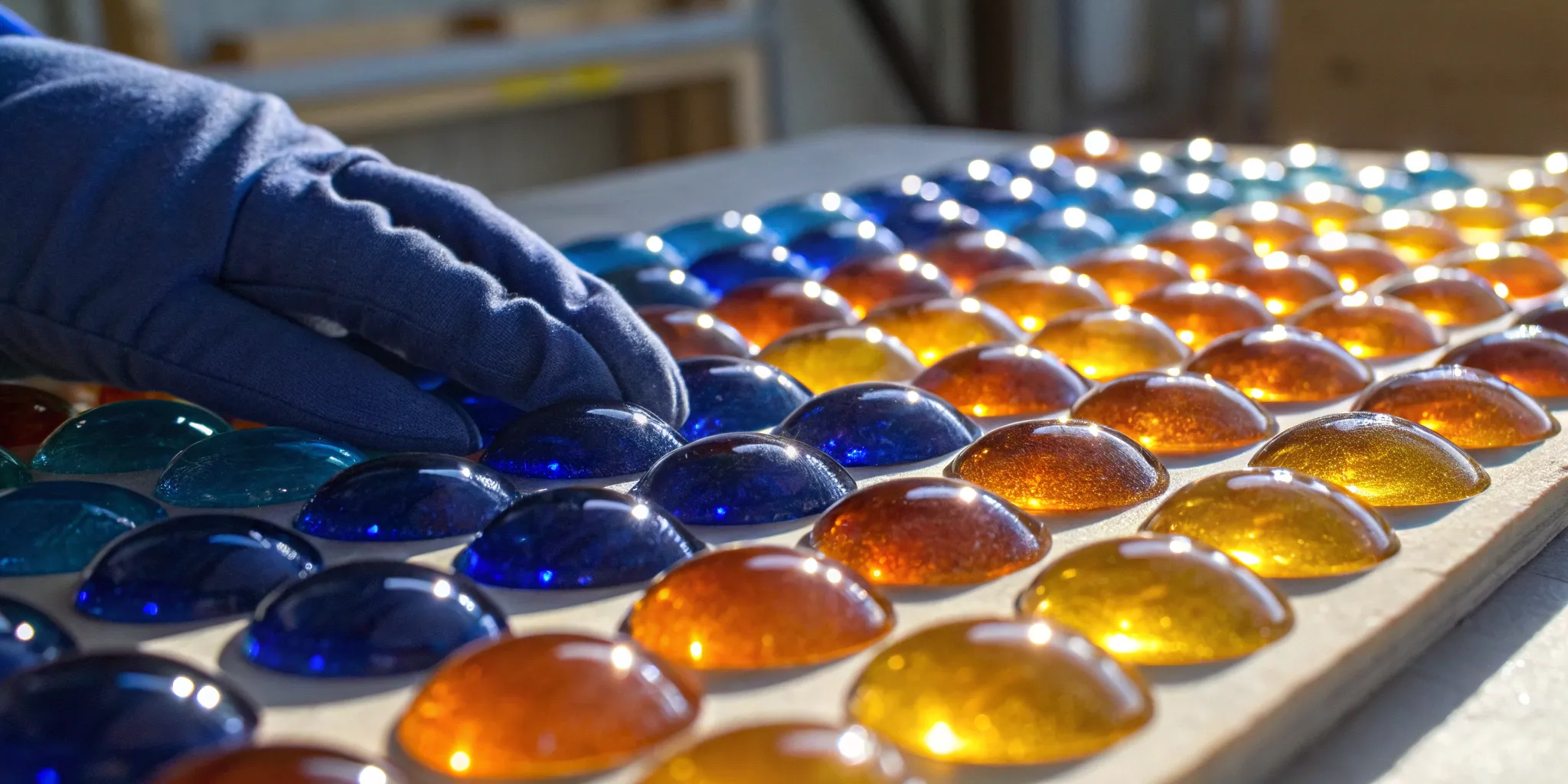
There’s nothing worse than pulling a cracked project from the kiln. All that creative energy and beautiful material, lost. The culprit? Usually, it’s a simple misunderstanding of compatibility. This is where the great COE 90 vs 96 question becomes critical. Understanding what is COE glass is the key to preventing cracks. COE, or Coefficient of Expansion, dictates how glass behaves under heat. This guide focuses on COE 96, celebrated for its brilliant colors and forgiving nature. We’ll help you decide if its unique personality is the right fit for your artistic vision, ensuring your work emerges from the kiln strong and beautiful.
Key Takeaways
- Stick to One COE Per Project: To prevent your artwork from cracking, every single piece of glass you fuse together—from the base sheet to the smallest frit—must have the same COE rating. This is the golden rule of fusing.
- Choose COE 96 for Versatility and Ease of Use: Artists love COE 96 because it’s known for its forgiving nature in the kiln and its brilliant, extensive color palette. Its wide availability of compatible accessory glass makes it a reliable choice for any project.
- Master Your Firing Process for Best Results: The right glass is only half the battle. Achieving a durable, crack-free piece depends on using a correct firing schedule, allowing for a slow annealing cool-down, and being aware of how different colors might react at high temperatures.
What Is COE 96 Glass, Anyway?
If you’re getting into the wonderful world of glass fusing, you’ve probably seen the term “COE 96” pop up. Understanding what this means is one of the most important first steps to creating successful, crack-free art. Think of it as the secret language of glass that, once you learn it, opens up a whole new level of creativity. Let’s break down exactly what COE is, why it’s so important, and how COE 96 compares to its popular counterpart, COE 90.
First Things First: What Does COE Mean?
Ever wondered what that “COE” number on your glass means? It stands for Coefficient of Expansion, which is just a technical way of saying how much the glass will expand when it gets hot and shrink as it cools. Think of it like a personality trait for glass. Every piece has a specific COE number, and it’s a crucial detail for anyone working with a kiln. While the science behind it is complex, all you really need to remember is that this number tells you which pieces of glass will play nicely together when you fuse them. It’s the key to making sure your beautiful creations don’t crack under pressure—literally.
The Science Behind the Number
So, what does the “96” in COE 96 actually mean? It’s a specific measurement of how much the glass expands when heated. To get technical for a second, it means the glass expands at a rate of 96 parts per million for every degree Celsius the temperature rises. The most important thing to remember is that every piece of glass in your project must have the same number. If you try to fuse a piece of COE 96 glass with, say, a piece of COE 90 glass, they will expand and shrink at different speeds inside the kiln. This creates immense stress as the piece cools, and that tension is what causes those heartbreaking cracks. Think of it as a strict compatibility rule—sticking to one COE is the only way to ensure your finished artwork is strong and stable.
Why Does COE Matter for Glass Fusing?
So, why does this number matter so much? When you’re fusing glass, you’re melting different pieces together in a kiln to create one solid piece. If you try to fuse glass with different COE numbers, they’ll expand and contract at different rates. This creates an incredible amount of internal stress. The result? Your project will likely crack, either during the cooling process or even weeks later. It’s a heartbreaking moment that every glass artist wants to avoid. To prevent this, you must use glass with the same COE for every component in a single fusing project. It’s the golden rule of glass fusing: always, always match your COEs.
A Brief History of Glass Compatibility
You might be wondering why we have different COEs in the first place. It wasn’t exactly planned. Early on, various companies developed their own unique recipes for making glass. At the time, the art of fusing—melting different pieces of glass together in a kiln—wasn’t nearly as common as it is today. Because of this, manufacturers weren’t focused on making their glass compatible with products from other companies. This history is why we now have a market with distinct families of glass, like the popular COE 90 and COE 96 varieties. For modern artists, this legacy means that understanding and matching the COE of your glass is absolutely essential for creating strong, stable pieces and avoiding the dreaded cracks that come from incompatible expansion rates.
Beyond 90 and 96: Other Glass COEs
While COE 90 and COE 96 dominate the world of fusible art glass, they aren’t the only players on the field. You might occasionally come across other types, such as COE 82 glass, which was designed to be compatible with standard window glass (also known as float glass). It’s also important to know that even within a specific COE, there can be slight variations. Some manufacturers note a “tolerance” for their glass, meaning different colors or even different production runs might not be a perfect match. This is why testing is always a good idea, especially if you’re mixing glass from different batches or trying a new brand. Sticking with a trusted supplier for your COE 96 glass helps ensure consistency from one project to the next.
COE 96 vs. COE 90: What’s the Difference?
The two most common ratings you’ll see are COE 90 and COE 96. So, which one should you choose? Many artists start with COE 96 glass because it’s often a bit more affordable and can be slightly more forgiving in the kiln, making it a great choice for beginners. It’s known for producing bright, luminous colors that really pop. On the other hand, COE 90 glass offers a massive and sophisticated palette of colors, giving you more options for detailed and nuanced work. Neither one is better than the other—it really comes down to your budget, project goals, and personal preference. The most important thing is to pick one and stick with it for your project.
Working Properties: Soft vs. Stiff
When you heat glass in a kiln, it doesn’t just melt—it changes its consistency. Think of it like the difference between honey and molasses. COE 96 glass is known for being “softer” and more fluid when hot, meaning it melts and flows more easily at lower temperatures. This makes it incredibly forgiving and a dream to work with, especially if you’re just starting out. In contrast, COE 90 glass is “stiffer.” It holds its shape better at high temperatures, which gives you more control for creating sharp lines and intricate, detailed designs. Neither is better, but they offer different creative possibilities depending on your project’s needs.
Visual Differences: Color and Texture
Beyond how they behave in the kiln, the two types of glass offer distinct visual styles. COE 96 is famous for its bright, vibrant, and often luminous color palette that really makes a statement. If you’re looking for bold, eye-catching hues, this is often your go-to choice. COE 90, on the other hand, is celebrated for its rich, deep, and sophisticated range of colors. It also tends to offer a wider variety of textures and styles, particularly for artists who enjoy kiln-forming techniques. Your choice really comes down to the aesthetic you want to achieve in your final piece—bright and punchy or deep and nuanced.
Technical Specs: Firing and Cost
The practical differences between COE 90 and 96 also extend to your studio process and your wallet. For a full fuse, COE 96 glass typically melts at a slightly lower temperature, around 1350°F, while COE 90 requires a bit more heat, closer to 1370°F. This might seem like a small difference, but it’s crucial to follow the correct firing schedule for the glass you’re using. From a budget perspective, COE 96 glass is often more affordable, which is another reason it’s a popular starting point for beginners or for artists creating large-scale work. This lower cost allows for more experimentation without as much financial pressure.
Major Brands and Sheet Sizes
When you start shopping for glass, you’ll quickly notice a few key brand names. For COE 90, the dominant manufacturer is Bullseye Glass, a brand renowned for its quality and extensive color selection. For COE 96, the major player is Spectrum, which is now produced by Oceanside Glass & Tile. Knowing these names helps you quickly identify compatible glass. You’ll also find that sheet sizes can differ. Bullseye sheets are often a bit smaller, while System 96 sheets are typically larger, which can be a factor when planning bigger projects like platters or large art panels that you might create using molds.
Why Fusers Love Working with COE 96 Glass
If you spend any time in the glass fusing community, you’ll hear artists talking about COE 96 glass. There’s a good reason for its popularity: it’s versatile, beautiful, and incredibly user-friendly. Whether you’re firing up your first piece or have been at it for years, COE 96 offers a unique combination of qualities that make it a go-to choice for a huge range of projects. It’s known for being reliable and consistent, which means you can spend more time focusing on your creative vision and less time worrying about technical issues in the kiln. Let’s look at exactly what makes this glass a favorite.
It’s More Forgiving in the Kiln
One of the biggest advantages of COE 96 glass is its “long working range.” This simply means it remains soft and workable for a longer period at fusing temperatures inside your kiln. Think of it as having a wider window of opportunity to get things just right. This forgiving nature gives you more control as the glass melts and fuses, reducing the risk of thermal shock or cracking. For artists, this means less stress and a higher success rate. You have a bit more wiggle room in your firing schedule, which is especially helpful when you’re experimenting with complex designs or thick layers of glass.
It’s Smoother and Easier to Cut
If you’ve ever struggled to get a clean break while cutting glass, you’ll appreciate this quality of COE 96. This type of glass is generally softer than its COE 90 counterpart, which makes a noticeable difference when you’re scoring it. A softer composition means your glass cutter can create a deep, clean score line with less downward pressure. This translates to smoother, more predictable breaks and fewer jagged edges to grind down later. For artists who do a lot of cutting for intricate designs, this can save a lot of time and frustration. This user-friendly characteristic is a big reason why so many fusers, from beginners to seasoned pros, consistently choose COE 96 glass for their projects.
Explore a Spectrum of Vibrant Colors
Creativity thrives on options, and COE 96 glass delivers an incredible spectrum of them. This glass is famous for its vivid, brilliant colors that hold their richness even after firing. Beyond solid hues, you can find it in a huge variety of textures, patterns, and special finishes. From the shimmering, color-shifting effects of dichroic glass to the subtle glow of iridescent surfaces, COE 96 provides a full palette to bring your ideas to life. This variety allows you to create pieces with amazing depth, dimension, and visual interest, whether you’re making jewelry, plates, or sculptural art.
Perfect for Layering with Frits and Powders
Glass fusing is all about layering and combining different forms of glass, and COE 96 is perfect for this. Because it’s so popular, manufacturers produce a massive selection of compatible accessory glass. You can easily find frits (crushed glass), powders, and stringers (thin rods) that all share the same COE 96 rating. This compatibility is key to adding intricate details, creating painterly effects, or building up texture in your work. You can confidently mix and match different forms of COE 96 glass, knowing they will fuse together seamlessly without causing stress or cracks in your final piece.
New to Fusing? Start with COE 96
If you’re just starting your glass fusing journey, COE 96 is your best friend. It’s often described as “soft” and having a “wide margin of error,” which makes the learning process much smoother. Its forgiving temperature range means you don’t have to get your firing schedule perfect every single time to get a good result. This helps build confidence and allows you to focus on learning techniques and exploring your creativity. Starting with a glass that is known for its reliability and ease of use can make all the difference, leading to more successful projects and less frustration right from the start.
Where to Find the Best COE 96 Glass
When you’re investing time and creativity into a project, you want to work with materials you can trust. The good news is that several fantastic brands specialize in high-quality COE 96 glass, each offering something unique for your studio. Choosing a reputable brand means you can count on consistent results, vibrant colors, and reliable compatibility, letting you focus on your art instead of worrying about your materials. Let’s look at a few of the top players in the COE 96 world.
Our Handpicked Favorites
Here at ArtGlassSupplies.com, we’re artists and hobbyists ourselves, so we’re pretty particular about the products we carry. We’ve handpicked a collection of the best COE 96 glass from brands we know and trust. Each one has earned its reputation for quality, consistency, and a stunning range of colors. Whether you’re just starting or have been fusing for years, you can be confident that the glass you find in our shop is perfect for bringing your creative ideas to life. We stand by these brands because they deliver reliable results for every project.
Oceanside Glass & Tile
Oceanside is a giant in the glass world, and for good reason. Their Spectrum System 96 Glass is designed as a complete family of fusible products. Think of it this way: every sheet, frit, and stringer is made to play nicely together, both in the kiln and in your design. This takes the guesswork out of compatibility, freeing you up to mix, match, and create complex pieces without worrying about technical issues. It’s a favorite among fusers because it’s specifically made for hot glass art, delivering beautiful and dependable results every time.
Wissmach Glass
Wissmach Glass is another trusted name you’ll find in many studios. They offer a fantastic variety of COE 96 sheet glass that has become a staple for fusers everywhere. What makes Wissmach so popular is its reliability. The company thoroughly tests its products for compatibility, so you can confidently incorporate their glass into any of your fusing projects. When you need glass that you know will perform well in the kiln and look great in your finished piece, Wissmach is an excellent and dependable choice.
Spectrum Glass
Spectrum Glass is a go-to for its incredible selection of colors and textures. It’s a brand that appeals to everyone, from total beginners to seasoned pros. One of its best features is a long and stable working range, which makes it more forgiving during the fusing process. This stability means the glass is less likely to crack while firing, which is a huge relief for any artist. Using Spectrum ensures your pieces will fuse together correctly, making it a trusted and popular option for creating beautiful, durable fused glass art.
How Much Does COE 96 Glass Cost?
Budgeting for your glass art projects is a big part of the creative process, and let’s be honest, it’s easy to get carried away when you see all the beautiful colors available. The cost of COE 96 glass can vary quite a bit, but understanding the factors that influence the price will help you make smart purchasing decisions. It’s not just about finding the cheapest sheet; it’s about getting the best value for your specific project and ensuring your final piece comes out of the kiln looking exactly as you envisioned.
The main things that affect the price are the size and thickness of the glass, the color and texture, and the quantity you buy. Some colors, particularly reds and pinks, are often more expensive to produce due to the raw materials needed, which is reflected in their price. Similarly, specialty textures or iridescent coatings will cost more than a simple, smooth sheet. By planning your projects and knowing what to look for, you can stock your studio with beautiful, high-quality glass without breaking the bank. We’ll walk through how to get the most out of your budget so you can focus more on creating and less on crunching numbers.
How Size and Thickness Impact Cost
As you might expect, the bigger the sheet of glass, the higher the price. The cost is directly tied to the amount of material you’re getting. For example, prices can range from just a few dollars for a small 6×6 inch piece to over $70 for a large 24×24 inch sheet, depending on the color and style. This allows you to buy just what you need for a small jewelry project or stock up with larger sheets for architectural pieces. Standard 3mm thickness is the most common for fusing, but you’ll find that different thicknesses and textures can also influence the final cost of a sheet.
A Simple Way to Save Money: Buy in Bulk
If you have favorite colors you return to again and again, buying in bulk is a great way to save money. Many suppliers offer better pricing when you purchase a minimum number of sheets, which can significantly lower your cost per piece. This is especially helpful for foundational colors like clear, black, or white that you might use in many different projects. Planning your purchases ahead of time allows you to take advantage of these discounts. Instead of buying one sheet at a time, consider what you’ll need for the next few projects and place a larger order to get a better deal.
How to Compare Value Between Suppliers
When you’re shopping for glass, the sticker price is only part of the story. True value comes from getting high-quality, compatible glass that will make your projects successful. Using glass with a consistent 96 COE is essential to ensure your pieces fuse together properly without cracking or stress fractures. A reliable supplier provides tested COE 96 glass that you can trust in your kiln. Also, consider shipping costs and how well the glass is packed. Paying a little more for glass that arrives in one piece is always better than getting a “deal” on a box of broken shards.
Common Fusing Mistakes to Avoid
Working with COE 96 glass is incredibly rewarding, but a few common slip-ups can turn a promising project into a pile of cracked glass. Trust me, we’ve all been there! Understanding these potential pitfalls ahead of time will save you a lot of frustration and materials. Let’s walk through the most frequent mistakes so you can keep your focus on creating beautiful art.
Mixing Incompatible Glass COEs
This is the number one rule in glass fusing: Do not mix glass with different COEs in the same project. It might seem tempting to use a beautiful piece of COE 90 glass you have lying around with your new COE 96 glass, but this will lead to heartbreak. Because they expand and contract at different rates when heated and cooled, the piece is almost guaranteed to crack from the internal stress. Always double-check your glass is compatible before it goes into the kiln. Keep your glass scraps organized by COE to prevent any accidental mixing.
Pro Tip: Keep Your Scrap Bins Separate
It’s so easy for a busy studio to get a little chaotic, and that’s when tiny scraps of glass can get mixed up. This is where a simple organizational habit can save your projects. Designate separate, clearly labeled bins for your scraps—one for COE 96 and another for any other COE you might use, like COE 90. This rule applies to everything, from leftover sheet glass to the smallest bits of frit. A stray, incompatible shard is all it takes to introduce stress into your piece and cause it to crack in the kiln. Taking a few seconds to put scraps in the right place is one of the most effective ways to guarantee your hard work pays off with a beautiful, intact final piece.
Ignoring Your Firing Schedule
A successful firing depends on a precise schedule of heating and cooling, and it’s not a one-size-fits-all process. The right firing schedule prevents thermal shock and ensures your glass fuses properly without cracking. The exact temperatures and timing you’ll need depend on several factors, including the thickness of your glass and the size of your project. Always consult the manufacturer’s guidelines for the specific glass you’re using. Investing in modern kilns with programmable controllers makes it much easier to set and execute the perfect schedule for your piece, taking the guesswork out of the equation.
Forgetting to Test Color Reactions
Did you know that certain glass colors can react with each other when fired? Some colors contain copper while others contain sulfur. When these elements meet at high temperatures, they can create an entirely new, and sometimes muddy, color where they touch. While this can be used for creative effect, it can also ruin a carefully planned design. Some manufacturers, like Wissmach Glass, mark their reactive glass so you know what to expect. Before you start a big project, it’s always a good idea to run a small test fire with the colors you plan to use together.
Skipping the Crucial Annealing Step
The final stage of the firing schedule—annealing—is absolutely crucial. This is the slow, controlled cooling process that allows the glass to stabilize and relieve internal stress. If you cool the glass too quickly, it will be fragile and prone to cracking, sometimes hours or even days after it comes out of the kiln. The annealing process must follow specific guidelines based on the glass’s COE and thickness to ensure a strong, durable final piece. Don’t rush this step! Patience during the annealing soak is your best friend for creating work that lasts.
What Can You Make with COE 96 Glass?
Now for the fun part! Once you understand the basics of COE 96, a world of creative projects opens up. Its forgiving nature and brilliant color palette make it a fantastic choice for artists at every level. Whether you’re making something small and wearable or a large statement piece, COE 96 offers the versatility you need to bring your vision to life. Here are a few ideas to inspire your next session in the studio.
Design Your Own Jewelry and Pendants
COE 96 glass is a dream for jewelry makers. Its vivid colors and brilliant appearance are perfect for creating small, eye-catching pieces that really stand out. You can find it in a huge variety of textures and finishes, including stunning dichroic and iridescent options that add a magical shimmer. Try layering small pieces of COE 96 glass to create intricate pendants, earrings, or cufflinks. Because it’s so easy to work with, you can experiment with different shapes and patterns to design truly one-of-a-kind wearable art. The possibilities are endless, from simple, elegant studs to bold, colorful statement necklaces.
Make Beautiful and Functional Dishware
Ready to make functional art? COE 96 is an excellent choice for creating beautiful pieces for the home, like bowls, plates, and platters. Its stability during firing makes it ideal for slumping and draping over forms. You can find a wide variety of molds to create everything from small ring dishes to large serving bowls. Play with different colors and textures to design custom dinnerware or a unique centerpiece for your table. Imagine serving guests on a plate you made yourself—it’s a special kind of satisfaction that comes from blending art with everyday function.
Create Dazzling Suncatchers and Window Art
There’s nothing quite like the way light filters through colored glass. The vibrant colors available in the COE 96 family are perfect for making suncatchers and decorative window panels that will fill your space with a warm, colorful glow. You can cut simple geometric shapes or more intricate designs, arranging them to create a beautiful mosaic of light. Because COE 96 has a predictable working range, it’s great for projects that involve fusing multiple pieces together. Hang your finished creation in a sunny window and watch how the colors dance and change throughout the day. It’s a simple project that delivers a big impact.
Explore Sculptural Forms and Panels
If you’re feeling ambitious, COE 96 is a fantastic medium for creating layered sculptures and decorative art panels. You can stack and fuse multiple layers of glass to build incredible depth, texture, and dimension. Mix different colors, opacities, and textures to produce complex visual effects that draw the viewer in. This is where you can really let your artistic side shine. The long working range of COE 96 glass gives you more control during the fusing process in your kiln, which is especially helpful for these larger, more involved projects.
Simple Rules for a Safe Glass Studio
Creating with glass is an incredibly rewarding process, but let’s be honest—working with sharp materials and high heat requires a little bit of prep. Setting up a safe studio isn’t complicated, and it’s the most important step you can take to ensure you can focus on your art without worry. Think of these practices as your creative foundation, allowing you to experiment freely and confidently with your beautiful COE 96 glass. Let’s walk through the essentials for keeping your workspace safe and sound.
Your Must-Have Safety Gear
Fusing glass at home is perfectly safe when you have the right setup. Your first line of defense is personal protective equipment (PPE). Always wear safety glasses—not just your regular eyeglasses—to protect your eyes from tiny glass chips that can fly up when cutting or grinding. Keep a pair of heat-resistant gloves handy for loading and unloading your kiln. And don’t forget a dust mask or respirator. When you cut or grind glass, you create fine dust that shouldn’t be inhaled. These simple items are non-negotiable for a safe studio. A comprehensive safety guide can offer even more detailed tips for protecting yourself while you create.
Best Practices for Kiln Safety
Your kiln is the heart of your studio, but it demands respect. As powerful tools, kilns can be dangerous if not used correctly. Start by placing yours on a non-combustible surface, like a metal stand on a concrete floor, with plenty of clearance from walls and any flammable materials. Always double-check that your electrical circuit can handle the kiln’s power requirements to prevent overloads. Never peek into a hot kiln without proper eye protection, and it’s a good rule of thumb to never leave it running unattended. Following the manufacturer’s instructions is your best bet for operating it safely and getting fantastic results every time.
Why Good Ventilation Is Non-Negotiable
Proper ventilation is crucial when you’re working with glass, especially when firing your kiln. As the glass heats up, binders, coatings, or even just surface contaminants can burn off, releasing fumes into the air. The easiest way to stay safe is to ensure your studio has good airflow. Work with windows or a garage door open, and consider using an exhaust fan to pull air out of the room. Many artists invest in a dedicated kiln ventilation system that draws fumes directly from the kiln chamber and vents them outside. This simple step protects your lungs and makes your studio a much healthier place to be. Good kiln safety always starts with clean air.
How to Handle and Store Glass Safely
Handling glass correctly prevents cuts and wasted material. Always score and break your glass on a clean, flat surface—never try to break it over an edge or force a cut, as this can cause unpredictable and dangerous fractures. Use running pliers for clean breaks along your score lines. Keep a small brush and dustpan nearby to clean up shards and dust right away. When it comes to storage, it’s best to keep your glass sheets on their edge in a sturdy, designated rack rather than stacking them flat. This prevents scratches and makes it easier to see your inventory. An organized space is a safe space, so keeping your tools and glass supplies tidy will help you avoid accidents.
How to Choose the Right COE 96 Glass
With so many beautiful options available, picking the right glass can feel like the most exciting—and sometimes overwhelming—part of a new project. But making a thoughtful choice from the start is the key to bringing your vision to life successfully. Think about your end goal, your color palette, and the tools you have on hand. A little planning goes a long way in ensuring your finished piece is something you’ll be proud of.
First, Consider Your Project’s Needs
First, think about what you’re making. Are you designing delicate jewelry, a sturdy bowl, or a vibrant suncatcher? The function and style of your final piece will guide your glass selection. COE 96 glass is fantastic for creating luminous, eye-catching pieces that really pop with color and light. For a project with intricate details, you might choose a smooth, transparent sheet. If you’re aiming for a more organic or textured look, you could explore iridescent or mottled glass. Your project’s requirements will help you narrow down the options and find the perfect starting point for your artwork.
Choose Your Color Palette Wisely
Once you have a project in mind, it’s time to play with color. But remember, fusing is a science as well as an art. The most important rule is to ensure every single piece of glass in your project has the same COE. If you want to add decorative flair with frit between layers of glass, you must use COE 96 frit with your COE 96 glass. Mixing COEs will cause stress fractures and can ruin your piece. It’s also a good idea to test how your chosen colors interact when fired, as some can have surprising chemical reactions.
Picking the Right Thickness and Size
The structure of your piece will determine the best glass thickness. Most COE 96 glass comes in a standard 3mm thickness, which is perfect for stacking. A two-layer piece is a great standard for durability, while single layers can work for smaller, decorative items. Glass with the “96” label is also specially formulated to resist devitrification, or “devit,” which is a hazy crystallization that can occur on the surface. This makes it more forgiving through multiple firings. Buying sheets in sizes that fit your project and kiln shelf can also help you minimize waste and extra cutting.
Don’t Forget Compatible Molds and Tools
Your glass is the star, but it needs a strong supporting cast. The right tools and accessories are just as crucial for a successful outcome. If you’re creating a functional piece like a plate or bowl, you’ll need to select the right molds to shape your glass during the slumping process. And of course, your kiln is your most important tool. Always follow safety precautions when operating your kiln, as they reach extremely high temperatures. Proper ventilation in your studio is also non-negotiable to keep your workspace safe from fumes. Having the right setup ensures you can focus on the creative process.
Frequently Asked Questions
Can I mix COE 96 glass from different brands, like Wissmach and Oceanside? Yes, you absolutely can! That’s one of the best things about working within the COE 96 system. As long as every piece of glass, frit, or stringer is rated COE 96, you can confidently mix and match between compatible brands in a single fusing project. They are all manufactured to expand and contract at the same rate.
I’m just starting out. Is COE 96 really better for beginners than COE 90? While neither is technically “better,” many artists find COE 96 to be a more forgiving starting point. It tends to have a wider working range, which means it stays soft and workable for a bit longer at fusing temperatures. This gives you a little more wiggle room in your firing schedule, which is a huge help when you’re still getting the hang of your kiln.
Why did my fused glass project crack even though I used all COE 96 glass? This is a frustrating moment, but it usually points to one of two things: your firing schedule or hidden stress. If you cool the glass too quickly and skip the critical annealing step, you create a huge amount of internal stress that can cause a crack. Another possibility is that a piece of scrap glass with a different COE accidentally got mixed in, which is why it’s so important to keep your glass organized.
Can I use COE 96 glass for stained glass projects, or is it only for fusing? You can definitely use COE 96 glass for stained glass! The COE number is only important when you are melting different pieces of glass together in a kiln. For traditional stained glass, where the pieces are joined with lead came or copper foil, the expansion rate doesn’t matter. Feel free to use any beautiful sheet of COE 96 glass your heart desires for your stained glass patterns.
Some colors are more expensive than others. Is there a quality difference? The price difference you see, especially with reds, pinks, and oranges, has nothing to do with the quality of the glass. It’s all about the cost of the raw materials needed to produce those specific colors. The elements required for those warm, vibrant hues are simply more expensive for manufacturers to source. You can be confident that the quality and compatibility are consistent across a brand’s entire color palette.