
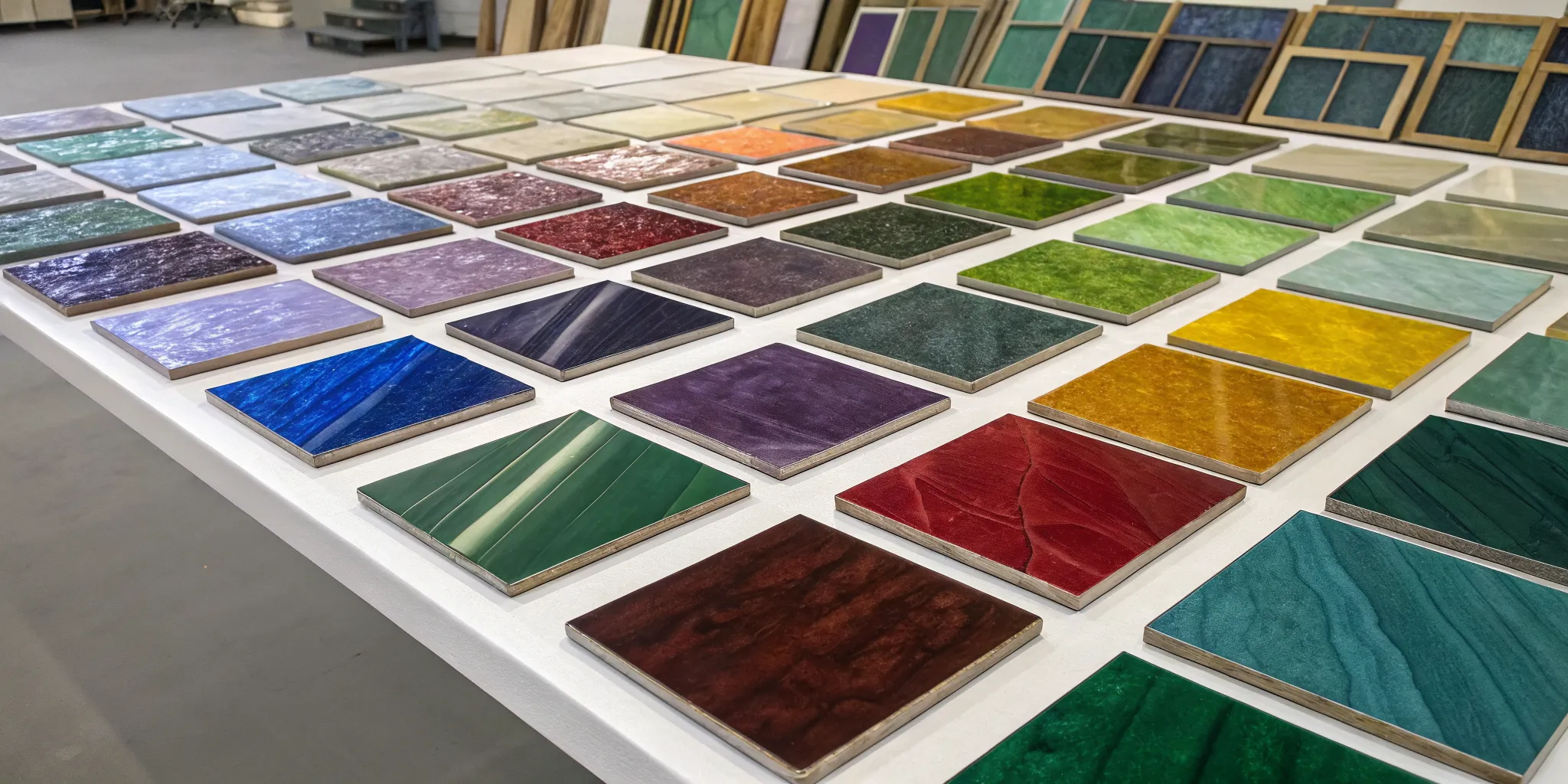
The glass you choose is more than just a material; it’s a partner in your art. The right sheet can transform a simple design into a dynamic piece that plays with light and shadow, while the wrong one can leave your vision feeling flat. Understanding the unique personality of different stained glass sheets is the first step to making intentional, powerful artistic choices. This guide will help you learn the language of glass. We’ll explore how transparency, texture, and color work together to create mood and movement, ensuring you can select glass that doesn’t just fill a space in your pattern, but truly brings your entire project to life.
Key Takeaways
- Match the glass to its final location: Consider how your piece will interact with light. Use transparent glass for sunny spots where you want color to shine through, and use opalescent or textured glass for privacy or to make the glass itself the focal point.
- Know your COE for all kiln work: This is the most important rule for fusing. All glass in a kiln project must have the same Coefficient of Expansion (COE), either 90 or 96, to prevent cracking. For traditional stained glass or mosaics, you can mix and match freely.
- Buy with confidence by doing your homework: Avoid surprises by confirming the COE for fusible glass, checking for clear product photos, and understanding shipping costs before you buy. A little research ensures you get the perfect glass for your project and budget.
A Guide to Stained Glass Sheet Types
Walking into a glass shop or browsing online can feel like being a kid in a candy store. The colors, textures, and patterns are endless. But all that variety can also be a little overwhelming. Choosing the right glass is the first step in bringing your vision to life, and each type has its own personality and purpose. Understanding the basic categories will help you select the perfect sheets for your project, whether you’re creating a suncatcher that sparkles in the light or a fused bowl with intricate patterns. Let’s look at the most common types of stained glass you’ll encounter.
Cathedral (Transparent) Glass
Think of classic church windows, and you’re thinking of cathedral glass. This glass is transparent and typically a single, solid color. Its main job is to let light shine through, creating a brilliant, jewel-toned glow. Because it’s see-through, it’s perfect for projects where you want to maximize light and create those beautiful, dancing color effects on your walls and floors. Cathedral glass is a fantastic choice for suncatchers, window panels, and any piece designed to hang in a sunny spot. It’s generally smooth on both sides and is one of the most common and affordable types of glass, making it a great starting point for beginners.
Mouthblown Glass
If you’re looking for glass with true character, mouthblown glass is it. Made using traditional techniques that date back centuries, each sheet is literally blown by an artisan. This process creates a one-of-a-kind piece with subtle waves, small bubbles, and slight variations in thickness. These “imperfections” are what make it so sought after. Mouthblown glass has an organic, lively quality that you just can’t get from machine-made sheets. It’s often used in historical restoration projects to match antique glass, but it’s also perfect for artists who want to add a touch of handcrafted authenticity and movement to their work.
Opalescent Glass
Unlike transparent cathedral glass, opalescent glass is opaque or semi-opaque. You can’t see through it clearly, which means it’s designed to reflect light rather than transmit it. This makes it ideal for projects where you want the color and texture of the glass itself to be the star, like in Tiffany-style lampshades or privacy screens. Opalescent glass often has a milky appearance and can be a solid color or a streaky mix of two or more colors swirled together. This type of glass gives you rich, deep color that looks just as beautiful with or without a light source behind it.
Mottled Glass
Mottled glass is a special kind of opalescent glass known for its distinct, spotty pattern. This unique texture is created by chilling parts of the glass surface as it cools, resulting in a dappled effect that adds incredible depth and dimension. The pattern can look like crushed leaves, granite, or even animal spots, making it a go-to choice for creating organic textures in your work. If you’re designing a piece with foliage, landscapes, or anything that needs a natural, textured feel, mottled glass can bring it to life in a way that flat color simply can’t. It’s a beautiful way to add complexity to your art.
Textured Glass
Textured glass is exactly what it sounds like: a sheet of glass with a pattern embossed on one or both sides. The variety is huge, with textures ranging from gentle ripples and waves to geometric patterns like hammered or granite finishes. This texture distorts light and obscures the view, adding a layer of privacy while still allowing light to pass through. It’s a fantastic design element for creating visual interest, suggesting movement (like water or wind), or simply adding a tactile quality to your piece. Textured glass is often used for backgrounds, borders, or as a central feature in abstract designs.
Fusible Glass Sheets (COE90 and COE96)
If you plan to melt glass in a kiln for fusing, slumping, or casting, you must use fusible glass. This glass is specifically manufactured and tested to be compatible with other sheets when heated. The key is its Coefficient of Expansion (COE), which measures how much the glass expands and contracts with temperature changes. To avoid stress cracks or breaks, all the glass in a single fused project must have the same COE. The two most common types are COE90 glass and COE96 glass. You can’t mix them, so it’s best to choose one system and stick with it for your kiln work.
COE90 vs. COE96: What’s the Difference?
When you start exploring the world of fusible glass, you’ll quickly encounter two key terms: COE90 and COE96. Think of these as two distinct families of glass. While they might look similar and come in a rainbow of gorgeous colors, they behave very differently when things heat up. Understanding this distinction isn’t just about learning technical jargon; it’s the most important factor in making sure your fused glass projects come out of the kiln in one solid, beautiful piece.
Both COE90 and COE96 are complete glass systems, meaning you can find everything from large sheets to fine powders within each family. The number simply refers to the glass’s specific rate of expansion and contraction. Neither one is inherently better than the other; they just offer different color palettes and working properties. The most important rule is that they can never be mixed in a fusing project. Let’s break down what these numbers mean and how you can decide which glass family is the right fit for your studio and your art.
Why COE Compatibility Is Crucial
COE stands for Coefficient of Expansion. In simple terms, it’s a precise measurement of how much a piece of glass expands when heated and shrinks as it cools. For a fused glass project to succeed, every single piece of glass involved must have the same COE. If you try to fuse glass with different COE ratings, like a piece of COE90 with a piece of COE96, they will expand and contract at incompatible rates inside the kiln. This internal stress will cause the piece to crack or even shatter, either during the cooling process or sometimes weeks later. This rule is the foundation of successful kiln work, so it’s essential to keep your glass types separate and clearly labeled in your studio.
How to Choose the Right COE for You
So, which one should you work with? There isn’t a single “better” option; it really comes down to personal preference and consistency. Both COE90 glass and COE96 glass are fantastic systems that offer a huge range of beautiful colors and forms, from sheets and stringers to powders and frit. Your best bet, especially if you’re new to fusing, is to pick one system and stick with it. This helps you build your glass collection without the risk of accidentally mixing incompatible types. Browse the colors and specialty products available in each family and see which one sparks more creative ideas for you. And remember, COE only matters for kiln work. If you’re creating a traditional stained glass piece with lead or copper foil, you can mix glass types freely.
How to Choose the Perfect Stained Glass for Your Project
Walking into a glass shop or browsing online can feel like being a kid in a candy store. With so many colors, textures, and types, how do you pick the right one? The perfect sheet of glass is waiting for you, and choosing it is a creative step in itself. Thinking through a few key aspects of your project beforehand will help you select glass with confidence, ensuring your finished piece looks exactly as you imagined. Let’s break down what to consider so you can find the ideal glass for your next masterpiece.
Consider Transparency and Light
First, think about where your finished piece will live and how you want it to interact with light. Your goal will determine the best type of glass to use. If you want to fill a room with brilliant, dancing colors, you’ll want a transparent glass like Cathedral. It lets the maximum amount of light shine through. On the other hand, if you’re creating a privacy screen for a bathroom or a front door, you’ll want something that obscures the view. In that case, a semi-opaque or opalescent stained glass sheet will give you coverage while still allowing some light to filter through beautifully.
Pick Your Texture and Color
Color and texture are where so much of the personality of your piece comes from. Texture does more than just add a tactile element; it changes the way light passes through the glass. A smooth sheet will give you a clear view and sharp light, while a hammered or rippled texture will diffuse the light, creating a softer, more watery effect. When it comes to color, think about the mood you want to create. A few carefully chosen colors can have a huge impact. Remember that the color of the glass can look different with and without light passing through it, so try to hold it up to a window if you can.
Check Thickness and Sheet Size
This is a practical detail that’s easy to overlook but important for your project’s success. Most stained glass sheets are about 3mm thick, but the thickness can vary, especially between different manufacturers or glass types. While you can mix different thicknesses in one project, it can make assembly a bit tricky. For example, a much thicker piece might not fit snugly in your lead came or could be difficult to wrap in copper foil. Always check the product details for thickness and sheet size before you buy, so you can plan your cuts and assembly accordingly.
Match the Glass to Your Technique
The technique you’re using will guide your glass choices. For traditional leaded or foiled stained glass, most glass types will work well. However, if you’re planning on fusing, slumping, or any other kind of kiln work, you have a critical rule to follow: you must use glass with the same Coefficient of Expansion (COE). Mixing different COEs in a kiln will cause your piece to crack as it cools. Make sure all your glass is either COE90 or COE96 and don’t mix them. This ensures all the pieces expand and contract at the same rate, creating a strong, stable finished product.
Understanding the Cost of Stained Glass Sheets
Figuring out the cost of stained glass can feel a little tricky at first because prices vary so much. A small sheet for a suncatcher might cost just a few dollars, while a large, intricate piece for a window panel could be a much bigger investment. The good news is that once you understand what drives the price, you can budget for your projects with confidence and find the perfect glass without breaking the bank. It’s all about knowing what to look for and where to find the best value for your specific artistic vision.
Typical Price Ranges by Glass Type
The price of a sheet of stained glass depends heavily on its type, size, and complexity. You can find basic 12×12 inch sheets for as little as $7, but more specialized glass can cost significantly more. For example, a simple, machine-rolled cathedral glass will be on the lower end of the price spectrum. On the other hand, mouth-blown glass, streaky opalescent sheets with multiple colors, or iridescent and dichroic coatings will be more expensive due to the intricate manufacturing process. Our collection of stained glass shows this variety, with options for every budget and project.
What Influences the Price?
Several factors determine the final cost of a sheet of glass. The manufacturing process is a big one; handmade or mouth-blown glass requires more skill and time, which is reflected in its price. The colors used also play a role, as certain minerals needed to create specific hues, like pinks and purples, are more expensive. Texture, special coatings, and brand reputation can also affect the price. For example, fusible glass like COE90 glass is specifically engineered for kiln work, which adds to its value. Thinking about your project’s needs, like transparency versus opacity, will help you choose a glass that fits both your design and your budget.
How to Shop Smart and Find Deals
Getting a great deal on glass isn’t just about finding the lowest price; it’s about shopping smart. One of the best ways to save is by minimizing shipping costs. Try to bundle your glass sheets with other heavy items you might need, like molds or tools, to make the most of a single shipping fee. It’s also a great idea to sign up for newsletters from your favorite suppliers to get alerts about sales and special promotions. Buying precut glass shapes can also be cost-effective for smaller projects, as it reduces waste. By planning your purchases, you can get the beautiful glass you want at a price that works for you.
Where to Find the Best Stained Glass Sheets
Finding the right place to buy your glass is just as important as picking the perfect sheet. A great supplier can be a true partner in your creative process, offering a wide selection and expert advice. Whether you prefer to shop in person or online, knowing what to look for will help you find a reliable source for all your future projects. Let’s walk through how to find the best suppliers and what to consider when you’re ready to buy.
What to Look for in a Glass Supplier
Your supplier should be more than just a store; they should be a resource. When you’re searching for a place to buy glass, look for a wide selection. Stained glass sheets come in a huge array of colors, textures, and transparencies, so a supplier with a deep inventory gives you more creative freedom. Check for clear, high-quality photos if you’re shopping online, as this shows they care about representing their products accurately. A great supplier also has a reputation for quality and excellent customer service. They should pack glass securely for shipping and be available to answer questions about their products, like which stained glass is best for a specific technique.
Exploring Top Glass Brands
As you browse, you’ll start to recognize some of the top names in the industry. Brands like Bullseye, Wissmach, and Youghiogheny are known for their quality and consistency. Each manufacturer has its own unique flair. For example, Bullseye is a leader in fusible COE90 glass, perfect for kiln work, while Wissmach offers a stunning variety of textures and colors ideal for traditional stained glass. Getting to know these brands helps you understand what to expect from a sheet of glass. A good supplier will carry a mix of these trusted manufacturers, giving you a well-rounded palette to choose from for any project you can imagine.
The Pros and Cons of Buying Online vs. In-Store
Deciding between buying online or from a local shop often comes down to selection versus immediacy. Shopping at a physical store lets you see and feel the glass firsthand. You can hold it up to the light and see its true colors and textures without any guesswork. However, local shops may have a limited inventory and potentially higher prices.
On the other hand, online retailers offer a massive selection from brands all over the world. You can find nearly any color or type of glass you need, including specialty options like COE96 glass. The main drawback is that you can’t see the exact sheet you’re buying. Shipping costs are another factor, though many online stores offer free shipping over a certain amount.
Matching Glass to Your Art Project
The type of glass you choose can make or break your project. Different techniques and artistic goals call for different types of glass. Thinking about your project’s specific needs from the start will help you select sheets that bring your vision to life, whether you’re building a traditional panel, fusing a bowl, or creating a mosaic. This ensures your finished piece is not only beautiful but also structurally sound.
Best Glass for Leaded and Foiled Pieces
For traditional stained glass work using lead came or copper foil, your choice largely depends on the light you want to capture. If you want to flood a room with brilliant, dancing colors, Cathedral glass is your best friend. Its transparency allows maximum light to pass through, making it perfect for suncatchers and windows.
On the other hand, if your piece is for a space that needs more privacy, or if you prefer a softer, more diffused glow, Opalescent glass is the way to go. This glass is semi-opaque, meaning it transmits light but you can’t see through it clearly. The wide world of stained glass offers endless combinations of color and texture to match any design.
Choosing Glass for Fusing and Kiln Work
When your project is destined for the kiln, compatibility is everything. Glass fusing involves melting two or more pieces of glass together, and for this to work, they must expand and contract at the same rate. This rate is measured by the Coefficient of Expansion, or COE. Mixing incompatible COEs will cause your beautiful piece to crack or even shatter as it cools.
For this reason, you must stick to one COE family for each project. The most common options are COE90 and COE96 glass, which are specifically formulated for fusing. You can find these in a huge variety of colors and styles, perfect for layering or using with molds to create everything from jewelry to decorative plates.
Glass Options for Mosaics and Mixed Media
Mosaics and mixed media projects give you incredible artistic freedom because you aren’t limited by soldering or fusing. Since the glass pieces aren’t being melted together, COE compatibility is not a concern. This means you can mix and match different types of glass to your heart’s content, making it a fantastic way to use up your scrap collection.
You can play with different thicknesses to create texture and depth. While 3mm is a common thickness for sheet glass, you can incorporate pieces from 2mm to 6mm. Thicker pieces will stand out more, adding a three-dimensional quality to your work. Any type of stained glass can be cut up and used for mosaics, so feel free to experiment.
Common Pitfalls When Buying Glass (And How to Avoid Them)
Shopping for glass is one of the most exciting parts of starting a new project. With so many colors and textures, it’s easy to get swept up in the moment. But we’ve all been there: you get your order, and a sheet isn’t quite what you expected, or worse, it’s not right for your project at all. It’s a frustrating experience that can cost you time and money.
Learning to avoid these common mistakes is a huge step in becoming a more confident glass artist. It’s not about being perfect, but about being prepared. By knowing what to look for, you can make sure the glass you buy is exactly what you need to bring your vision to life. Let’s walk through some of the most frequent slip-ups I’ve seen (and made myself!) and cover simple ways to steer clear of them. This will help you shop smarter, save your budget for more beautiful glass, and keep your creative momentum going strong.
Forgetting to Check COE Compatibility
If you’re working with a kiln, this is the number one rule: always check the COE. The Coefficient of Expansion (COE) tells you how much a piece of glass will expand and contract when heated and cooled. If you try to fuse two pieces of glass with different COEs, they will crack as they cool. It’s a heartbreaking way to lose a project. Before you add any fusible glass to your cart, confirm that its COE matches the glass you already have. The most common types are COE90 and COE96, and they absolutely cannot be mixed for fusing.
Buying Online Without Good Photos
One of the biggest challenges of buying glass online is that you can’t hold it up to the light. A single, generic photo rarely does justice to the unique swirls, textures, and transparency of a sheet. I always look for suppliers who provide multiple, high-quality photos that show the glass in different conditions. An accurate picture helps you understand exactly what you’re getting. If the product images are blurry or you only see one stock photo, you’re taking a gamble. Don’t be afraid to ask a seller for more pictures or find a supplier who already provides them.
Ignoring Potential Shipping Costs
We’ve all scored what seems like an amazing deal on glass, only to get to the checkout and see a shockingly high shipping fee. Glass is heavy and fragile, so shipping it safely requires special care and materials, which adds to the cost. Before you spend an hour filling your cart, get a sense of the supplier’s shipping policies. Look for flat-rate options or free shipping thresholds that can make a big order more affordable. Remember, a slightly higher price from a supplier with reasonable shipping is often a better deal than a cheap sheet with an expensive journey to your studio.
Not Comparing Your Options
When you find a sheet of glass that makes your heart sing, it’s tempting to buy it on the spot. But it’s always a good idea to take a moment and look at your other options. This isn’t just about finding a better price. You might discover a different brand or a sheet of stained glass with a slightly different texture that works even better for your project. Take a few extra minutes to browse. Comparing different types and manufacturers helps you make a more informed choice and sometimes leads you to a piece of glass that’s more perfect than the one you first fell for.
Accidentally Mixing Incompatible Glass
Beyond COE, it’s important to consider how different types of glass will work together in a single piece. This is especially true for stained glass projects. For example, mixing a very thin, smooth glass with a thick, heavily textured glass can make cutting and foiling a real challenge. The pieces might not fit together cleanly, and your solder lines could end up uneven. Before you buy, think about the entire project. Will the thicknesses be consistent enough for a strong solder line? Will the textures complement each other? Matching the glass to your technique is just as important as matching colors.
How to Care for Your Stained Glass Sheets
Once you’ve brought your beautiful glass sheets home, you want to keep them in perfect condition for your next project. Proper care isn’t just for finished pieces; it starts the moment you acquire the raw materials. Handling and storing your glass correctly prevents the disappointment of finding a scratch or crack right when inspiration strikes. A little bit of attention goes a long way in preserving the color, texture, and integrity of your glass. These simple habits will protect your investment and ensure your materials are ready to go when you are.
The Right Way to Clean Your Glass
Keeping your glass clean is simple and makes a huge difference in its appearance. For routine maintenance, all you need to do is regularly dust your stained glass with a soft brush or a gentle microfiber cloth. This prevents dirt and dust from building up and dulling the glass’s natural vibrancy. If you encounter more stubborn grime, you can use a small amount of mild dish soap with warm water on a soft cloth. Gently wipe the surface, then dry it completely with another clean, soft cloth to avoid water spots. Avoid using harsh chemical cleaners or ammonia-based products, as they can damage patinas and specialty finishes on the glass.
Tips for Safe Storage
Your stained glass sheets are fragile, so storing them properly is key to preventing breakage. The best way to store sheets is on their edge, either in a sturdy crate or a specially designed rack. Place cardboard or thin foam between each sheet to prevent them from scratching one another. Avoid stacking sheets flat on top of each other, as the weight can easily cause stress fractures or cracks. For finished pieces, always use a secure hanging method, like a screw-in hook or a nail installed into a solid support. This ensures the piece’s weight is distributed evenly and prevents strain on the solder joints or the glass itself.
How to Prevent Chips and Scratches
Protecting your glass from chips and scratches starts with mindful handling. Always carry sheets by their edges and avoid letting them bump into hard surfaces. When you’re working, use a clean, soft surface or a cutting mat to protect the glass from debris that could cause scuffs. Be especially careful with certain types of glass. You should avoid contact with anything abrasive, as it can damage the piece. This is particularly true for glass with a black or copper patina finish and for iridescent COE90 glass, since these surface treatments can be scuffed or scratched off. A little extra care ensures your final piece looks flawless.
Related Articles
- Where to Buy Colored Glass Sheets for Crafting Art.
- What Is Stained Glass Art? A Complete Guide – ArtGlassSupplies
- The Artist’s Guide to Buying Sheet Glass – ArtGlassSupplies
Frequently Asked Questions
I’m a beginner. What’s the best type of glass to start with? For a traditional stained glass project using copper foil or lead, smooth cathedral glass is a fantastic starting point. It’s affordable, comes in many colors, and is generally easy to cut. If you’re interested in kiln fusing, the most important step is to choose one COE system, either COE90 or COE96, and stick with it. This prevents you from accidentally mixing incompatible glass as you build your collection.
Can I use any type of glass for any stained glass project? This really depends on your technique. If you’re building a traditional panel with lead or foil, you can mix and match different types of glass, like cathedral, opalescent, and textured sheets. However, if you are fusing glass in a kiln, you absolutely must use glass with the same Coefficient of Expansion (COE). Fusing a piece of COE90 glass with COE96 glass will cause your project to crack from stress.
Why is some glass so much more expensive than other glass? Several factors influence the price of a glass sheet. The manufacturing process is a major one; handmade or mouthblown glass costs more than machine-rolled glass. The minerals used to create certain colors, especially pinks and purples, can also be more expensive. Finally, special characteristics like iridescent coatings, intricate color swirls, or being specifically tested for fusing all add to the value and cost of the glass.
What’s the best way to store my glass sheets to keep them safe? The safest way to store your glass is on its edge in a sturdy box or a purpose-built rack. Stacking sheets flat on top of one another puts pressure on the glass at the bottom, which can easily cause it to crack. I recommend placing a piece of cardboard or thin foam between each sheet to prevent them from rubbing against each other and getting scratched.
Does the thickness of the glass matter for my project? Yes, it can. Most stained glass is about 3mm thick, but it can vary. For traditional stained glass, you can use different thicknesses in one project, but be aware that it can make assembly a bit more challenging. A very thick piece might not fit well in your lead came or could be tough to wrap evenly with copper foil. For fusing, consistent thickness helps ensure your project heats and cools evenly in the kiln.