
It might sound like science fiction, but the material that makes your fused glass pendants shimmer was originally developed by NASA. Scientists needed a way to protect astronauts and sensitive equipment from harsh solar radiation, so they created a coating that could filter specific wavelengths of light. That same space-age technology was eventually adapted for artists, giving us the brilliant, color-shifting material we know today. Every time you work with dichroic glass, you’re using a direct descendant of space exploration. This article explores that fascinating journey, from protecting spacecraft to becoming a beloved material for artists creating stunning jewelry and sculptures.
Dichroic glass is becoming a popular choice for its unique yet fascinating properties. They are designed in a way that they reflect different hues under different lighting conditions and angles. These are visually appealing and captivating.Do you know where it is used? Its application is most commonly seen in commercial and residential projects. Dichroic glass is manufactured in different colours and shapes. Here are some places where you will find Dichroic glass application: 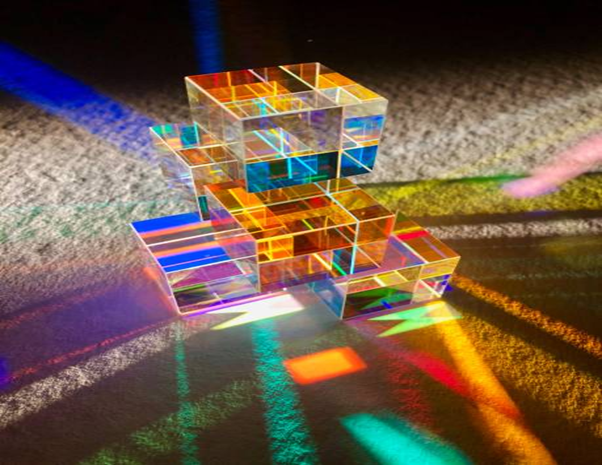
What is Dichroic Glass?
If you’ve ever held a piece of glass that seems to magically shift colors as you move it, you were likely looking at dichroic glass. The name itself comes from the Greek words for “two-colored,” which perfectly captures its core characteristic. At its heart, dichroic glass is a special type of glass that displays different colors depending on the angle of light and your viewing perspective. One piece can shimmer with vibrant blues and purples from one angle, then transform into warm golds and reds from another. This captivating effect is why it’s a favorite among glass artists for creating everything from stunning jewelry pendants to intricate fused glass art.
The magic isn’t just on the surface; it’s about how the glass interacts with light. It has both a transmitted color (the color you see when light passes through it) and a reflected color (the color you see when light bounces off its surface). This dual nature gives your artwork incredible depth and a dynamic quality that standard glass can’t replicate. Whether you’re layering it into a larger piece or making it the star of the show, working with dichroic glass adds a layer of brilliance and movement that truly makes your creations stand out.
The Science Behind the Shimmer
The incredible color-shifting properties of dichroic glass come from a highly technical manufacturing process. It’s created by applying incredibly thin layers of metal oxides and quartz crystal onto the surface of glass inside a vacuum chamber. We’re talking about 30 to 50 layers that are so thin they are measured on a nanoscale—far thinner than a human hair. The specific combination and thickness of these layers are precisely controlled to produce different color spectrums. As light strikes these micro-layers, some wavelengths pass through while others are reflected, creating the dazzling visual effect that makes dichroic glass so unique and sought-after for artistic projects.
Unique Properties and Characteristics
What makes dichroic glass so special for artists is its predictability and versatility. The color shift is a result of physics, not pigments, so the effect is consistent and permanent. Unlike some surface treatments, the dichroic coating won’t fade or change over time. It’s also designed to be compatible with other types of glass you might be using in your studio. For instance, you can find dichroic coatings on glass with various coefficients of expansion (COE), making it easy to incorporate into your projects, whether you’re working with COE90 or COE96 glass. This allows you to fuse it seamlessly with your base glass without worrying about stress fractures or incompatibility issues during firing.
A Brief History of Dichroic Glass
While it looks like a product of the future, the concept of dichroic glass has a surprisingly long history. However, the modern material we use in our art today is a direct result of cutting-edge research from an unlikely source: NASA. In the mid-20th century, NASA scientists developed the technology to create highly durable, multi-layered coatings for their equipment. These coatings were designed to protect sensitive instruments on spacecraft from the harsh radiation of outer space and to shield astronauts’ eyes from the unfiltered glare of the sun. The process involved vaporizing metal oxides in a vacuum chamber to create a filter that could selectively reflect certain wavelengths of light.
This innovation is a perfect example of a “NASA spinoff”—a technology originally created for the space program that has since found practical applications here on Earth. Artists and manufacturers quickly realized that this light-filtering technology could be used to create glass with stunning visual properties. The same process that protected astronauts now allows glass artists to play with light and color in ways that were never before possible. It’s a fascinating journey from the vacuum of space to the heat of a glass kiln, giving every piece of dichroic glass a little bit of space-age history.
From Ancient Rome to Outer Space
The earliest known examples of dichroic glass date all the way back to the 4th century AD. The most famous artifact is the Lycurgus Cup, a Roman chalice that appears green in reflected light but glows a brilliant red when lit from behind. However, the ancient Romans achieved this effect differently than we do today. They infused the glass with microscopic particles of gold and silver, which manipulated light in a similar way. This technique was incredibly difficult, and the knowledge was eventually lost for centuries. It wasn’t until NASA developed its advanced coating technology in the 1950s and 60s that modern dichroic glass was born, reinventing an ancient concept for a new era of science and art.
Where Is Dichroic Glass Used
Dichroic glass has some less known but significant uses.
Creating Stunning Dichroic Glass Art
Dichroic glass is inherently beautiful and unique. It is preferred for various artistic purposes nowadays.
- Jewellery Making – The glass’ colour-changing property makes it an ideal choice for jewellery making. It can be used in pendants, earrings, bracelets, rings, and so many other pieces. The glass can be cut into as many small pieces as required for the jewellery item.
- Sculpture Making – Many sculpture artists are now trying their hand at glasswork. And, what better than dichroic glass to start with? Artists can make so many sculptures, interior, and exterior crafts using this beautiful glass.
- Stained Glass Art – Glass artists are now using dichroic glass because of its inherent multi-coloured property. It is used for stained glass and mosaic glass projects.Glass artists work with glass manufacturers to get the desired shape, size, texture, and colour. This helps them get the perfect piece of dichroic glass for their project.
Jewelry and Wearable Art
Dichroic glass is a favorite among jewelry makers for a reason. Its incredible ability to shift colors depending on the light and angle means you can create pieces that are truly one-of-a-kind. Think about a pendant that flashes from blue to purple as you move, or earrings that catch the light with a fiery shimmer. This dynamic quality makes every piece of wearable art feel alive. Whether you’re fusing small cabochons for rings or designing intricate bracelets, the vibrant, reflective nature of COE90 dichroic glass ensures your creations will always stand out and capture attention.
Decorative Pieces
The magic of dichroic glass isn’t limited to just jewelry. You can bring that same captivating color and light into larger decorative items for the home. Imagine a fused glass bowl that serves as a stunning centerpiece, or custom tiles that add an iridescent flair to a mosaic project. Because it can be slumped, draped, and fused, artists use it to create everything from plates and platters to sculptures. By using different slumping and draping molds, you can shape dichroic glass into beautiful, functional art that transforms any space with its unique play of color.
In Modern Architecture and Design
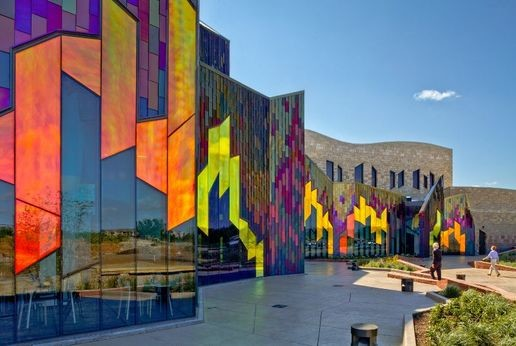
Dichroic glass is often incorporated into the interior and exterior designing of buildings. It provides some amount of privacy to the rooms, looking aesthetically pleasing at the same time.Here are some common examples:
- Enhancing the look of building facades
- Adding vertical or horizontal dichroic glass panels to the building exteriors
- Glass flooring
- Kitchen glass countertops
- Glass panels for walls
- Living room partitions
- Glass shelves
Interior and Exterior Applications
Beyond jewelry and sculptures, dichroic glass is making a serious splash in architecture and interior design. Designers use it to create dynamic, colorful spaces that feel alive. On a grand scale, you can see its stunning effect on the facades of buildings, where the exterior seems to shift in color as the sun moves across the sky. This same magic applies indoors, where it’s used for feature walls, windows, and room dividers. It’s a fantastic way to add a measure of privacy without blocking light, instead transforming it into a spectacular display. One of the coolest parts is that it creates a completely different visual experience for people on either side, making it a truly interactive element in any space.
A Surprising Role in Optical Filters
Dichroic glass is mostly used in optical filters. The dual chromatic nature of this glass shows narrow bands of colours. This characteristic is useful in making
- LCD projectors
- Fluorescence microscopes
- 3D movies
Types of Dichroic Glass for Artists
Once you start exploring the world of dichroic glass, you’ll quickly see just how many options are out there. The sheer variety of colors, textures, and forms can feel a bit overwhelming, but it’s also what makes this material so exciting for artists. Understanding the fundamental types of dichroic glass will help you select the perfect material to bring your creative vision to life. Whether you’re making intricate jewelry, a stunning sculpture, or a vibrant mosaic, the right choice of glass makes all the difference. Let’s break down the main categories you’ll encounter so you can shop with confidence and find exactly what you need for your next project.
Styles and Textures
The style and texture of dichroic glass have a huge impact on its final appearance. The base glass can be either transparent or opaque, and the surface can be smooth or textured, with each combination creating a different effect. A textured surface, for example, can scatter light in fascinating ways, adding depth and movement to your piece that you wouldn’t get from a smooth sheet. Thinking about how the glass will interact with light is key to choosing the right style for your artwork. It’s all about matching the glass’s inherent properties with the look you want to achieve.
Opalescent vs. Transparent
One of the first choices you’ll make is between an opalescent or transparent base glass. Transparent dichroic glass is completely see-through, allowing light to pass directly through it. This creates a brilliant, jewel-like effect where the dichroic coating seems to float and the colors shift dramatically. It’s a fantastic choice for suncatchers or layered pieces. Opalescent dichroic glass, on the other hand, has a milky, translucent quality. It doesn’t let light pass through as clearly, which gives it a softer, more ethereal glow. This style is often used for pendants or decorative pieces where you want a subtle, dreamy effect.
Common Textures
Beyond a smooth surface, you can find dichroic glass with a variety of textures. These patterns are pressed into the glass surface and can add an incredible amount of visual interest and dimension to your work. You might find textures that look like ripples on water, a herringbone pattern, or even tiny pyramids. These textures catch and reflect light in unique ways, enhancing the color-shifting properties of the dichroic coating. When fused, the texture can either be maintained or flattened out, giving you even more creative control over the final look of your piece.
Forms and Formats
Dichroic glass isn’t just sold in large sheets. To accommodate the diverse needs of glass artists, it’s available in a wide range of shapes and sizes. This versatility makes it easier to find the right format for your specific project, whether you’re working on a large architectural panel or a tiny pair of earrings. Buying glass in the right format can save you significant time on cutting and shaping, allowing you to focus more on the creative aspects of your design. It also helps minimize waste, which is always a plus when working with such beautiful material.
Sheets, Strips, and Precuts
The most common formats are sheets, strips, and precut shapes. Full or partial sheets are ideal for larger projects or for artists who prefer to cut their own custom designs. Strips are perfect for creating borders, geometric patterns, or for glass weaving techniques. For jewelry makers, precut shapes are a game-changer. You can find circles, squares, ovals, and other jewelry-sized pieces ready to be layered and fused. Using precuts ensures consistency and saves a lot of time, making them a popular choice for artists producing a line of wearable art.
Frit and Powder
For more painterly or textural effects in glass fusing, you can use dichroic glass in the form of frit or powder. Frit is simply crushed glass, available in various grain sizes from fine powder to coarse chunks. Sprinkling dichroic frit onto your base glass before firing can add a galaxy of shimmering specks or a dense layer of sparkle. It’s an excellent way to create intricate designs, add accents, or blend colors in a unique way. This form gives you the freedom to add that signature dichroic shimmer to almost any fused glass project.
Why Choose Dichroic Glass for Your Project?
Dichroic glass when used for architectural or design purposes, brings out the best. Make your workplace shine in the eyes of visitors. Especially in bars, restaurants, boutiques, and salons, the aesthetic interiors and exteriors tell the character of your place. Read why you should trust dichroic glass for interior and exterior designing;
-
Captivate Visitors
The main quality of dichroic glass, as talked above, is the changing hues. Whether there is a shift in the viewing angle or lighting conditions, the glass looks different. This catches the eye of the visitors or passers-by and they are drawn to your place. You may also get online popularity once the pictures are out.
-
Out of The World Design
There is not just one restaurant, boutique, salon, or lounge, there are plenty. How will you make your business stand apart? Incorporate the most unique and enchanting dichroic glass in your business interiors. Bold shapes, designs, colours, and textures of the glass can add to your business value.
-
Different Ways to Elevate The Place
Amongst various uses of the dichroic glass, the most common and popular use is in architecture. You can add dichroic statues, sculptures, mosaics, and other artistic elements to your place. It elevates the look and vibe of the place. Pleasant design helps a better flow of conversation hence, better dealings.
The Spiritual Side of Dichroic Glass
Beyond its scientific marvel and artistic applications, dichroic glass holds a special place for those interested in its metaphysical qualities. Much like crystals and gemstones, its vibrant, shifting colors are believed by some to carry unique energies. For many artists and collectors, the glass is more than just a material; it’s a medium for expressing or connecting with deeper spiritual concepts. This dimension adds another layer of appreciation for the craft, turning a beautiful object into something with personal significance and intention. Whether you’re creating a piece of jewelry or a larger sculpture, understanding these perceived properties can add a new level of depth to your work.
Enhancing Emotional Well-being
Many believe that the dynamic nature of dichroic glass mirrors the complexity of human emotions and connections. It’s thought to encourage open-heartedness and strengthen loyalty within relationships. According to some metaphysical sources, simply having or wearing dichroic glass can serve as a reminder to honor respect and honesty with loved ones. This belief transforms a piece of jewelry or art from a simple accessory into a meaningful talisman, intended to support positive interactions and emotional clarity in your daily life. When you work with this glass, you can channel that intention into your art.
A Connection to Universal Harmony
The way dichroic glass interacts with light, splitting it into a dazzling spectrum, is often seen as a physical representation of spiritual energy and universal harmony. Some artists intentionally use it in works inspired by sacred geometry to create a visual link to these profound concepts. The glass’s ability to reflect and refract light can symbolize the element of spirit and the interconnectedness of all things. For creators, using materials like COE90 dichroic glass allows them to embed these deeper meanings into their sculptures and stained glass panels, making each piece resonate on a different level.
Healing Properties and Spiritual Growth
In the world of crystal healing and energy work, dichroic glass has earned a reputation for its perceived healing properties. It is often used during meditation or placed in a personal space to promote spiritual growth and a sense of well-being. The shifting colors are thought to stimulate creativity and help clear mental blocks, allowing for a more fluid flow of ideas and inspiration. Whether you’re an artist seeking a creative spark or an individual looking for a beautiful object to aid in mindfulness, dichroic glass offers a unique and visually stunning option for your practice.
Bring Your Vision to Life with Dichroic Glass
Dichroic glass has really changed the game for architecture. It has proved to be such a beautiful and unique element to enliven your space. Guess what? There is not just one but many varieties of dichroic glass at Art Glass Supplies. Glass artists and architects can use their imagination to make the best design.
Frequently Asked Questions
What does COE mean, and why is it so important when working with dichroic glass? COE stands for Coefficient of Expansion, which is just a technical way of describing how much glass expands when it gets hot and shrinks when it cools. It’s incredibly important because if you try to fuse two pieces of glass with different COEs, they will shrink at different rates and your beautiful piece will crack. When you buy dichroic glass, make sure its COE (like 90 or 96) matches the COE of the other glass in your project to ensure a strong, stable final piece.
Is the dichroic coating fragile? I’m worried about scratching it or burning it off in the kiln. That’s a common concern, but the coating is surprisingly tough. It’s applied in a high-tech vacuum chamber, so it’s molecularly bonded to the glass surface. This means it won’t burn off or fade in your kiln. However, it can be scratched by sharp tools, just like any other glass surface. It’s best to handle it with care during the cutting and assembly process to keep that beautiful surface pristine.
Can I cut dichroic glass with my regular glass cutter? Yes, you absolutely can. You don’t need any special tools to cut dichroic glass; it scores and breaks just like standard art glass. A helpful tip is to always cut with the coated side facing up. This makes it easier to see your score line and helps protect the coating from any debris on your work surface.
I love the look of dichroic glass but feel intimidated. What’s the easiest way to start using it? The best way to get your feet wet is to start small. Instead of buying a large, expensive sheet, try working with precut jewelry shapes or dichroic frit. Precuts are perfect for making pendants and earrings, allowing you to experiment with layering without the pressure of cutting perfectly. Sprinkling frit over a base piece of glass is another fun way to add that signature sparkle and see how it transforms in the kiln.
Why does dichroic glass look so different when I put it on a black base versus a clear one? This gets to the heart of what makes dichroic glass so magical. The coating is designed to reflect certain colors of light while letting other colors pass through. When you place it on an opaque black base, you primarily see the brilliant reflected colors, which often appear metallic and intense. When you use a clear base, light can pass all the way through, so you see a mix of both the reflected colors and the transmitted colors, creating a more complex, jewel-toned effect with incredible depth.
Key Takeaways
- Master the Magic of Light: The color-shifting effect of dichroic glass comes from light interacting with thin metallic layers, not pigments. Understanding this helps you intentionally design pieces that change their appearance based on the viewing angle and light source.
- Choose the Right Form for Your Project: Dichroic glass is available in many formats to save you time and reduce waste. Use sheets for large designs, precut shapes for consistent jewelry pieces, and frit to add sparkling, textured accents to your fused art.
- Compatibility Is Crucial for Fusing: To avoid cracks and ensure a strong final piece, your dichroic glass must have the same Coefficient of Expansion (COE) as your base glass. Always match COE90 with COE90 or COE96 with COE96.
Related Articles
- Crinklized Dichroic – ArtglassSupplies
- Precut Dichroic Glass Circles Rainbow 2 on Clear Glass COE90 – COE90 Glass
- 1 x 1 inch Solid Color Squares 2mm Thin Glass Mixed Lot of 20 Squares COE9
- Precut Dichroic Glass Circles Rainbow 2 Clear Glass COE96 – COE96 Glass Ci
- Precut Dichroic Glass Circles Candy Apple Red on Clear Glass COE96 – COE96