
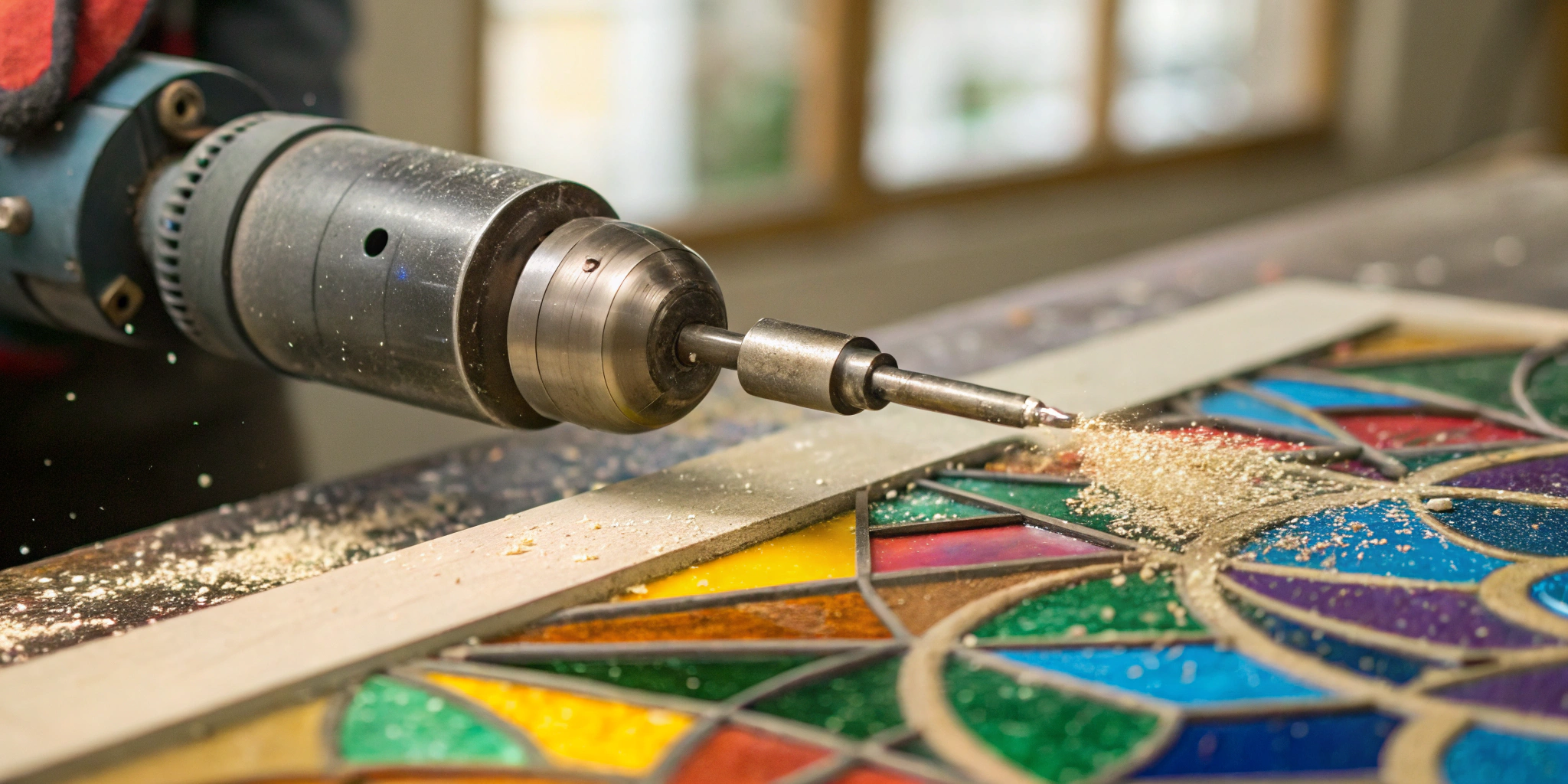
There’s nothing more frustrating than cutting the perfect piece of glass, only to find it doesn’t quite fit. Those tiny gaps and uneven edges can derail an entire project. This is where a stained glass grinder becomes your studio’s secret weapon. It’s the tool that transforms rough cuts into smooth, precise shapes that slot together perfectly, leading to cleaner solder lines and more intricate designs. But with so many options out there, finding the best stained glass grinder for your needs can feel overwhelming. This guide cuts through the noise, breaking down the essential features to help you choose a machine that makes your creative process smoother and more enjoyable.
Key Takeaways
- Focus on the Fundamentals First: Before looking at extra features, confirm the grinder has enough motor power (torque) for your projects and a work surface large enough to support your glass. These two elements are the foundation of smooth, efficient grinding.
- Buy for Your Current and Future Needs: Choose a grinder that fits your skill level and budget, whether you’re a beginner needing a simple machine or a professional requiring a workhorse. Thinking about the projects you want to create later helps you invest in a tool that grows with you.
- Consider the Long-Term Details: A great grinder is one you enjoy using. Pay attention to practical factors like noise level, safety features, and the availability of replacement parts to ensure your new tool is a lasting and supportive part of your creative process.
What Makes a Great Stained Glass Grinder?
Picking the right stained glass grinder can feel like a huge decision, but it really comes down to matching the machine’s features to the kind of art you want to create. Instead of just looking at the price tag, think about the power, workspace, and flexibility you’ll need for your projects. A little homework now will save you a lot of headaches later and help you find a tool that feels like a natural extension of your hands. Let’s walk through the key features to keep an eye on so you can invest in a grinder you’ll love for years to come.
Does Motor Power Really Matter?
The motor is the heart of your grinder, and its power directly impacts the quality of your work. For smooth, clean edges with minimal chipping, look for a grinder that operates between 2,850 and 3,600 RPM (revolutions per minute). Higher RPMs help you grind faster and cleaner. Torque is just as important—it’s the rotational force that keeps the bit from slowing down under pressure. If you plan on working with thick pieces of stained glass or tackling large-scale projects, a grinder with higher torque is a must-have. It ensures the machine won’t bog down when you need it most.
Understanding Horsepower (HP)
While RPM and torque tell you about speed and rotational force, horsepower (HP) gives you the full picture of the motor’s overall power and endurance. Think of it as the engine’s stamina. A grinder with higher horsepower, typically around 1/8 or 1/9 HP for quality models, can maintain its speed and power without overheating or slowing down, even when you’re working on a demanding project. This consistent performance is what helps prevent your glass from chipping, giving you those clean, perfect edges. When you’re grinding thicker pieces of stained glass or working for long stretches, a motor with adequate horsepower makes all the difference. It ensures the grinder can handle the pressure without losing its effectiveness, making your work smoother and more predictable.
Finding the Right Work Surface Size
Your grinder’s work surface is your stage. A larger, more stable surface gives you the freedom to maneuver bigger pieces of glass safely and comfortably. If you’ve ever tried to balance a large, awkward piece on a tiny platform, you know how frustrating it can be. Some grinders offer expansive work areas, and a few can even be converted into small workstations, which is a fantastic feature for artists with limited studio space. A stable machine that doesn’t wobble or vibrate excessively will give you more control, leading to more precise grinding and better-fitting pieces for your final design.
Keeping it Cool: Water Systems Explained
A stained glass grinder is essentially a wet sander designed specifically for glass. The constant flow of water over the grinding bit is non-negotiable. It serves two critical purposes: it keeps the glass cool to prevent thermal shock (cracking), and it washes away glass dust, which is safer for you and better for your bit. A reliable water system, usually involving a sponge or a pump, ensures your diamond bit stays cool and lubricated, which significantly extends its life. When comparing models, pay attention to how easy the reservoir is to fill and clean—it’s a small detail that makes a big difference in your day-to-day workflow.
Will Your Grinding Bits Fit?
Your grinder is only as versatile as the bits it can accept. While most grinders come with a standard bit, your projects will eventually call for different shapes and grits. You might need a fine-grit bit for delicate curves or a rapid-grit bit for quickly removing a lot of material. Before you buy, check that the grinder is compatible with a wide range of bits from various manufacturers. This flexibility allows you to adapt your tool to any project, whether you’re shaping tiny pieces for a jewelry project or fitting large panels for a window. Having options means you’ll never be held back by your equipment.
The Best Stained Glass Grinders We Recommend
Choosing a grinder can feel like a huge decision, but it really comes down to what you need right now and where you see your art going. Are you just dipping your toes into the world of stained glass, or are you running a full-time studio? To help you find the perfect match, I’ve broken down my favorite grinders based on different needs and budgets. These are the models that consistently deliver on performance and reliability, whether you’re working on your first suncatcher or a massive custom panel. Let’s find the right tool to help you shape your glass with confidence.
Just Starting Out? The Gryphon Gryphette
If you’re new to stained glass and want a machine that’s not intimidating, the Gryphon Gryphette is a fantastic starting point. It’s small, easy to set up, and incredibly affordable, making it the perfect choice for hobbyists who are still exploring the craft. Because of its compact size, it’s ideal for smaller projects and won’t take up your entire workspace. While it doesn’t have the power of the bigger models, it has everything you need to learn the fundamentals of grinding glass. Think of it as your friendly introduction to creating smooth, perfect-fitting pieces without a major financial commitment.
Key Specifications
Let’s look at the specific features that make the Gryphette such a solid choice for anyone new to the craft. When you’re just starting, you don’t need a machine with a dozen confusing bells and whistles; you need a reliable tool that does its job well. The Gryphette delivers exactly that, packing all the essential functions into a manageable and user-friendly package. It takes the guesswork out of getting started, allowing you to focus on developing your skills instead of fiddling with complicated settings. From its motor speed to its simple water reservoir, every aspect is designed to be approachable, ensuring your first experience with grinding is a positive and productive one.
- Motor Speed: The motor runs at 3000 RPM, which is the perfect speed for smoothly shaping glass for suncatchers and small panels without feeling overpowering for a beginner.
- Compact Work Surface: Its 6.75″ x 6.75″ work surface gives you enough room to handle small to medium pieces comfortably, and the grinder’s small footprint makes it easy to store.
- Simple Water System: It uses a straightforward sponge-based cooling system to keep the bit wet. This design is incredibly easy to set up and clean, minimizing maintenance.
- Included Bit: It comes with a standard 3/4″ diamond grinding bit, a versatile workhorse that can handle most curves and straight lines your early projects will require.
Your Go-To Workhorse: The Inland WizCG
When you’re ready to move beyond the basics and take on more ambitious projects, the Inland WizCG is the grinder you’ll want by your side. It strikes the perfect balance between power, features, and price, making it a favorite among serious hobbyists. With a larger work surface and more torque than entry-level models, it can handle bigger pieces of stained glass and more frequent use. It’s a reliable workhorse that grows with you as your skills develop. If you know glass art is your passion, this grinder is a solid investment that will serve you well for years to come.
Key Specifications
Let’s look at the specific features that make the Gryphette such a solid choice for anyone new to the craft. When you’re just starting, you don’t need a machine with a dozen confusing bells and whistles; you need a reliable tool that does its job well. The Gryphette delivers exactly that, packing all the essential functions into a manageable and user-friendly package. It takes the guesswork out of getting started, allowing you to focus on developing your skills instead of fiddling with complicated settings. From its motor speed to its simple water reservoir, every aspect is designed to be approachable, ensuring your first experience with grinding is a positive and productive one.
- Motor Speed: The motor runs at 3000 RPM, which is the perfect speed for smoothly shaping glass for suncatchers and small panels without feeling overpowering for a beginner.
- Compact Work Surface: Its 6.75″ x 6.75″ work surface gives you enough room to handle small to medium pieces comfortably, and the grinder’s small footprint makes it easy to store.
- Simple Water System: It uses a straightforward sponge-based cooling system to keep the bit wet. This design is incredibly easy to set up and clean, minimizing maintenance.
- Included Bit: It comes with a standard 3/4″ diamond grinding bit, a versatile workhorse that can handle most curves and straight lines your early projects will require.
Ready to Go Pro? The Grinder by Techniglass
For the artist who grinds glass daily, The Grinder by Techniglass is in a class of its own. This is a professional-grade machine built for heavy-duty use and maximum efficiency. Its powerful motor and innovative features, like a unique water cooling system that minimizes maintenance, are designed to keep up with a busy studio workflow. It even includes a removable mini-table for grinding smaller, intricate pieces with precision. While it’s a significant investment, its durability and superior performance make it the top choice for professionals who depend on their tools to create high-quality work consistently.
Key Specifications
The Grinder is built around a super quiet, powerful motor that delivers the consistent torque needed for a busy studio workflow. It won’t slow down or bog down, even when you’re shaping thick pieces of stained glass. Its generous 12″ x 16″ work surface gives you plenty of stable room to maneuver larger projects with control and confidence. One of its best features is the Aqua Flow System, which continuously keeps the grinding head cool with fresh water, extending the life of your bits. It also includes a removable mini-table, perfect for precisely grinding those smaller, intricate shapes. This machine is a true workhorse, designed for artists who need a reliable tool for a demanding creative practice.
Comparing ‘The Grinder’ and ‘The Grinder 2’
So, what’s the real difference between The Grinder and The Grinder 2? Think of The Grinder 2 as the compact, adaptable version of its big brother. It packs the same powerful and quiet motor into a smaller frame, making it a fantastic choice for artists with limited studio space or those who need a more portable solution. While The Grinder is built for heavy-duty, daily use with its expansive work surface, The Grinder 2 offers incredible flexibility. It’s designed to be upgradable, so you can add features like a larger splash guard or an LED light as your needs evolve. This makes it an excellent long-term investment for a serious hobbyist who wants professional power with the option to customize their setup over time.
Key Specifications
The Grinder 2 shares the same powerful, quiet motor as the original, so you don’t sacrifice performance for size. Its main distinction is a more compact work surface, which is ideal for smaller studios or artists who value portability. But the real magic of The Grinder 2 is its potential for growth. It’s fully upgradable, designed to evolve alongside your skills. You can easily add the LumiShield LED light for better visibility, a larger splash guard for cleaner grinding, or even the Mini G Bit System for detailed work. This model offers professional-grade power from day one, with the flexibility to become an even more capable tool as your projects become more ambitious.
Best on a Budget: The Inland Wizling CG
If your top priority is finding a dependable grinder that won’t break the bank, look no further than the Inland Wizling CG. This machine has earned a reputation for being a simple, no-frills tool that just works. It’s a fantastic starter grinder because it’s both affordable and built to last, with many artists reporting that their Wizling has served them well for over a decade. It may not have all the bells and whistles of more expensive models, but it’s a reliable option for anyone who wants to get started in stained glass without a hefty upfront cost. It’s proof that you don’t need to spend a lot to get a tool that does the job right.
For Advanced Work: Specialty Grinders
As your skills grow, you’ll eventually want to tackle projects that require more than just smooth edges. Think custom bevels, intricate sculptural pieces, or perfectly polished curves. This is where specialty grinders come into play. They offer advanced features designed for artists who are pushing the boundaries of their craft. Instead of just shaping a piece to fit a pattern, these machines allow you to sculpt and refine glass, opening up a whole new world of creative possibilities for your work. Investing in a specialty grinder is about giving yourself the tools to match your expanding vision.
A perfect example is a combination machine like the Diamond Max 2 in 1, which includes both a vertical grinder and a flat lap disc. This dual functionality is a game-changer for artists creating three-dimensional projects or custom bevels, as the flat lap lets you precisely shape and flatten edges. Other advanced grinders might offer variable speed control for more finesse with delicate glass or attachments for polishing. These tools are an investment in your artistic growth, providing the specialized capabilities needed to bring your most ambitious ideas to life.
Which Grinder Features Do You Actually Need?
Picking the right stained glass grinder can feel a bit like buying a car—the basic models will get you where you need to go, but the extra features can make the ride a lot smoother. Before you get swayed by all the bells and whistles, it helps to think about what you truly need versus what would just be nice to have. Your project style, workspace, and even your tolerance for noise can all play a part in finding the perfect match. Let’s break down the key features to consider so you can invest in a tool that will serve you well for years to come.
Separating Must-Haves from Nice-to-Haves
At its core, a stained glass grinder is an electric tool that smooths the rough edges of your glass pieces so they fit together perfectly. This is its one essential job, and every grinder on the market will do it. This core function is your absolute must-have. Everything else—from extra-large work surfaces to fancy attachments—falls into the “nice-to-have” category. When you’re comparing models, start by confirming the grinder is powerful and stable enough for the stained glass projects you have in mind. Once you’ve got that covered, you can start looking at the bonus features that fit your budget and workflow.
Don’t Forget Safety and Lighting
Working with glass means putting safety first, and a good grinder can help with that. Many models come with built-in face and eye shields, which are incredibly helpful for protecting you from tiny glass particles that can become airborne during grinding. If the grinder you’re eyeing doesn’t have one, make sure you have a quality pair of safety glasses on hand. Good lighting is another key to working safely and accurately. A well-lit work surface helps you see exactly what you’re doing, leading to more precise results. Some grinders include built-in, waterproof lights, which are a fantastic feature for illuminating your piece right where you need it most.
How Loud Is Too Loud? A Note on Noise
Let’s be honest: no grinder is silent, but some are definitely easier on the ears than others. The noise and vibration a grinder produces can really affect your creative flow, especially during long sessions. A quality machine should operate smoothly, with minimal vibration. Look for models with a motor speed of at least 2,850 to 3,600 RPMs. A higher RPM not only grinds faster and reduces the chance of chipping your glass, but it also often contributes to a smoother, quieter experience. If you’re sensitive to noise or share your workspace, this is a feature worth paying close attention to.
Plan Ahead for Replacement Bits
Your grinder is a long-term investment, and its grinding bits are the parts that will need replacing over time. Before you commit to a model, it’s smart to check how easy it is to find and purchase replacement bits. Different bits offer different grits—like Standard, Fine, or Ultra Fine—for various grinding needs and finishes. Make sure the grinder you choose is compatible with a range of readily available bits. This ensures you can keep your machine running effectively and always have the right tool for the job, whether you’re shaping a sharp curve or just smoothing a straight edge.
Essential Grinder Safety Practices
Your grinder is a powerful tool, and like any piece of studio equipment, treating it with respect is the key to a safe and productive creative session. Setting up good safety habits from the start means you can focus on your art without worrying about accidents. These aren’t complicated rules, just simple, practical steps to protect yourself and your equipment. Think of them as part of the grinding process itself—just as important as choosing the right bit. By making safety a natural part of your workflow, you ensure that your time in the studio is always enjoyable and focused on bringing your vision to life.
Use the Right Tool for the Job
Before we get into the details, it’s important to remember what a grinder is designed for. At its core, a stained glass grinder is an electric tool that smooths the rough edges of your glass pieces so they fit together perfectly. This is its one essential job, and every grinder on the market will do it. It’s not meant for cutting glass or for making drastic changes to a piece’s shape—that’s what your cutter and grozing pliers are for. Using your grinder for its intended purpose not only produces better results but also keeps you safer by preventing the glass from catching or shattering under improper force.
Protect Yourself from Glass Dust
Grinding glass creates fine particles of glass dust that you don’t want to inhale or get in your eyes. Many grinders come with built-in face and eye shields, which are incredibly helpful for protecting you from tiny glass particles that can become airborne during grinding. Even if your machine has a shield, wearing a dedicated pair of safety glasses is always a smart move for an extra layer of protection. Your eyes are irreplaceable, so this is one area where you can never be too careful. Make it a habit to put them on before you even turn the machine on.
Wear a Mask
While eye protection guards against flying particles, a mask is essential for protecting your lungs. Inhaling fine glass dust can cause serious respiratory issues over time. A simple N95-rated dust mask provides a reliable barrier, trapping the particles before you can breathe them in. Keep a box of them right next to your grinder so you never forget to put one on. It’s a small, easy step that makes a huge difference for your long-term health, allowing you to enjoy your craft for many years to come.
Ensure Proper Ventilation
Good ventilation helps clear any airborne glass dust from your workspace. If you can, set up your grinding station in a room with a window you can open or near an exhaust fan. A small tabletop air purifier can also be a great addition to your studio, helping to capture fine dust particles from the air. Combining good ventilation with a dust mask gives you the best possible defense against glass dust, creating a healthier environment for you to work in. A clean workspace is a safe workspace.
Mastering Your Grinder: Techniques and Tips
Once you’re comfortable with the basics and have your safety routine down, you can start exploring what your grinder is truly capable of. This tool is more than just a way to clean up edges; it’s a key part of shaping your glass with precision and intention. From selecting the perfect bit for a delicate piece of stained glass to learning advanced techniques like drilling and polishing, mastering your grinder opens up a new level of detail and professionalism in your work. Let’s look at some tips and techniques that will help you get the most out of your machine.
Do You Always Need to Grind Your Glass?
This is a question that comes up all the time, especially for artists using the copper foil method. The short answer is no, you don’t *have* to grind every piece of glass before applying copper foil. The foil will still stick to an unground edge. However, grinding does more than just prepare the glass for foiling. It smooths out sharp points, refines the shape to perfectly match your pattern, and creates a uniform surface that allows the foil to adhere more securely and evenly. For the best fit and a professional finish, grinding is almost always worth the extra step.
Choosing the Right Grinder Bit Grit
Just like sandpaper, grinder bits come in different “grits” for different jobs. The grit determines how aggressively the bit removes glass and how smooth the resulting edge will be. Having a few different grits on hand gives you the flexibility to tackle any task, from quickly shaping a stubborn piece to gently refining the edge of delicate antique glass. Most artists find they use a medium grit bit for the majority of their work, but knowing when to switch to a coarse or fine bit is a sign of a skilled artist.
Coarse Grit Bits
A coarse grit bit, often called a rapid bit, is used to remove a lot of glass quickly. It’s your go-to when you need to make significant adjustments to a piece’s shape or size. While it’s very efficient, a coarse bit can cause small chips, or “shelling,” along the edge of the glass. Because of this, it’s best used for initial shaping, followed by a pass with a medium or fine bit to smooth out the edge and prepare it for foiling or leading.
Medium Grit Bits
The medium grit bit is the most common and useful bit in any glass artist’s toolkit. It offers the perfect balance between efficient glass removal and a smooth finish. It’s used after coarse bits to shape more precisely and smooth the glass, and it’s often the only bit you’ll need for general-purpose grinding. If you’re just starting out, a standard medium grit bit will handle nearly every project you throw at it, from simple suncatchers to more complex panels made with COE90 glass.
Fine Grit Bits
A fine grit bit is best for thin glass, delicate antique glass that chips easily, or for mirrors, where you need to protect the reflective backing. It removes very little material, focusing instead on creating a super smooth, almost polished edge. This level of refinement is perfect for intricate pieces where precision is critical or when you want to ensure your copper foil lays down perfectly flat without any bumps or nicks. It’s the ideal tool for adding that final touch of perfection to your work.
Using Grinder Coolant to Extend Bit Life
The constant flow of water over the grinding bit is non-negotiable. It serves two critical purposes: it keeps the glass cool to prevent thermal shock (cracking), and it washes away glass dust. While plain water works, adding a grinder coolant to your reservoir can significantly extend the life of your diamond bits. Coolants reduce friction and help the bit grind more efficiently, which means less wear and tear over time. It’s a small, inexpensive addition that protects your investment in your grinder and its bits, ensuring they perform at their best for as long as possible.
Advanced Grinding Techniques
Your grinder can do more than just smooth the edges of your glass. With the right accessories, it can become a multi-functional tool for creating unique details in your work. Many grinders are designed to be adaptable, allowing you to easily add tools for drilling holes or shaping edges in ways you can’t with a standard bit. Exploring these advanced techniques can add a new dimension to your glass art, allowing you to incorporate hanging elements, create intricate cutouts, or achieve a perfectly polished finish on your projects.
Drilling Holes
Have you ever wanted to hang a small fused piece as an ornament or create a design that requires a precise hole? Many grinders can be fitted with special drilling bits that allow you to do just that. These bits are designed to carefully bore through glass without causing it to crack. This technique is perfect for jewelry makers, artists creating custom light fixtures, or anyone who wants to add a clean, professional-looking hole to their glasswork without the risk of using a standard drill.
Polishing Edges
For a shiny, polished edge, like on a piece of fused jewelry or the rim of a slumped bottle, you’ll need to go beyond standard grinding. This high-end finish is achieved using very fine grit hand pads or a felt disc on your grinder with special polishing compounds like cerium oxide or diamond paste. This process removes the frosty look left by grinding and brings the edge to a brilliant, clear shine. It’s a finishing touch that can truly set your work apart.
How Much Should You Spend on a Glass Grinder?
Choosing a stained glass grinder often comes down to balancing your budget with your artistic ambitions. The price tag on a grinder usually reflects its power, durability, and the size of projects it can handle. Whether you’re just starting out or running a full-time studio, there’s a machine that fits your needs. Let’s walk through the different tiers to help you figure out where you fit and what you can expect for your money.
What You Get for Under $200
If you’re new to stained glass or a hobbyist who only works on small projects occasionally, you don’t need to spend a fortune. Grinders in this price range, like the popular Gryphon Gryphette, are fantastic entry points. They are compact, easy to store, and handle the basics of shaping glass without any fuss. While they may lack the raw power for thick glass or marathon grinding sessions, they are more than capable of helping you create beautiful pieces. Think of it as the perfect tool to learn the ropes and confirm that glass art is the craft for you before making a bigger investment in equipment.
The Sweet Spot: Mid-Range Grinders ($200-$400)
For the serious hobbyist or artist who is consistently creating, a mid-range grinder is the sweet spot. Models like the Inland WizCG offer a significant step up in power and features without breaking the bank. You’ll find stronger motors that don’t bog down, larger work surfaces for better stability with bigger pieces, and overall more durable construction. This is the kind of machine that can keep up as your skills and project complexity grow. If you find yourself grinding glass several times a week and want a reliable tool that supports more ambitious designs using materials like COE96 glass, this is the category to explore.
Investing in a Pro Model: $400+
When stained glass is your business, your grinder is a cornerstone of your studio. Professional-grade machines, such as The Grinder by Techniglass, are built for heavy, daily use. They boast the most powerful motors, delivering high torque to grind through any glass thickness smoothly and quickly. These models often feature expansive work surfaces and may come with accessories like secondary platforms for smaller bits. The investment pays off in efficiency, precision, and reliability, allowing you to produce high-quality work consistently. For artists who also work with kilns and other professional equipment, a top-tier grinder is a non-negotiable part of the setup.
How to Get the Best Value
Regardless of your budget, focus on the features that will serve your work best. Motor power (torque) is crucial—it’s what keeps the grinding bit spinning steadily as you apply pressure. A weak motor will slow down, making your work tedious. The work surface size is another key factor; a larger surface provides more stability and support, which is essential for big panels. Before you buy, think about the kind of projects you want to create in the future. Buying a grinder that can accommodate your ambitions, including complex shapes that might require specific molds, will ensure it remains a valuable tool for years to come.
A Quick Breakdown of Our Favorite Grinders
Choosing the right grinder means balancing price, power, and features. To help you decide, here’s an honest look at three top picks, covering the pros, cons, and what you need to know to keep your tool in great shape.
The Gryphon Gryphette: Who It’s For
The Gryphon Gryphette is a fantastic starting point for anyone new to stained glass. Its biggest pro is its compact size and affordable price, making it a low-risk investment for hobbyists. It’s perfect for smaller projects and won’t take up much studio space. The trade-off is its power. The motor has lower torque, so it can struggle with thicker pieces of stained glass. If you plan on tackling large projects, you might want an upgrade sooner rather than later.
The Inland WizCG: Who It’s For
The Inland WizCG is a solid middle-of-the-road option for artists moving beyond the beginner stage. Its main advantage is the balance it strikes between power and price. It offers a larger work surface and more torque than entry-level models, allowing you to work efficiently on projects using different types of COE96 glass. The downside is that while it’s a capable machine, it doesn’t have the raw power of a professional-grade grinder. For artists who work with glass full-time, it might feel underpowered on demanding jobs.
The Grinder by Techniglass: Who It’s For
If you’re a serious artist ready to invest in a tool that will last, The Grinder by Techniglass is a top-tier choice. Its pros are significant: a powerful motor that grinds smoothly and a unique water-cooling system. This machine is built for heavy, consistent use, much like the professional-grade kilns in a dedicated studio. The main con is the price. It’s a considerable investment and might be more machine than a casual hobbyist needs, but if you value performance, many artists find the cost is worth it.
Keeping Your Grinder in Top Shape
No matter which grinder you choose, a little maintenance goes a long way. Get in the habit of listening to the motor—it should sound consistent, not strained. Regularly check that the shaft spins straight and keep an eye out for deep rust. You’ll also want to make sure the grinding bit is easy to remove for cleaning or replacement. One of the simplest ways to extend your grinder’s life is to avoid overfilling the water reservoir, as this can get water into the motor and cause serious damage.
Common Troubleshooting Tips
Even the best grinder can have an off day. If you’re getting chipped edges or the grinding feels slow, a few simple adjustments can often solve the problem. First, let the grinder do the work. If you’re pushing the glass too hard against the bit, you’re more likely to get chips. This is especially true with a new bit—they’re sharp, so use a lighter touch and hold the glass flat against the bit. Also, check your water reservoir. A dry bit creates friction, which is bad for both your stained glass and the bit itself. If you’ve tried these fixes and the grinding still feels like a struggle, your bit might just be worn out and ready for a replacement.
Extending the Life of Your Grinder Bits
Grinder bits are consumables, but you can definitely get more mileage out of them with a couple of clever tricks. Most artists tend to use the same middle section of the bit over and over, wearing it down while the top and bottom remain untouched. To use the entire surface, try placing a small piece of plywood under your glass to raise it up, exposing a fresh, unworn part of the bit. When grinding takes more effort or you notice more chipping, it’s time for a new bit. Pushing a dull bit not only gives you poor results but also puts unnecessary strain on your grinder’s motor, which is a much more expensive fix.
Protecting Your Fingers While Grinding
Grinding glass, especially small pieces, can be tough on your fingertips. To avoid scrapes and sore fingers, a little protection goes a long way. You can find rubber finger covers, sometimes called finger cots, that provide a great grip and a protective barrier. Some artists prefer wearing layers of gloves, like thin nitrile gloves under a pair of rubber gardening gloves, for more complete coverage. If you’re in a pinch, you can even create your own custom finger guards by wrapping your fingertips with a combination of latex or nitrile and a layer of sturdy duct tape. Whatever method you choose, keeping your fingers safe allows you to focus on your work comfortably.
Common Mistakes to Avoid When Buying a Grinder
A good grinder is a game-changer for any glass artist, but choosing the wrong one can lead to frustration and wasted money. To help you make a purchase you’ll be happy with for years to come, let’s walk through some of the most common pitfalls artists encounter when shopping for a new grinder. A little foresight goes a long way in finding the perfect machine for your studio, whether you’re working with intricate stained glass patterns or fusing thick slabs of COE96 glass. Thinking through these points will help you invest wisely in a tool that supports your creative process instead of hindering it.
Don’t Underestimate Your Power Needs
It’s easy to get focused on features like the work surface, but the motor is the heart of your grinder. A machine without enough power will struggle, leading to chipping and slow, frustrating work. Look for a grinder with a motor that has enough torque—think of this as its grinding strength—to handle the types of glass you work with. A higher RPM (revolutions per minute) is also your friend, as it results in smoother edges and less chipping. A good baseline is a speed of at least 2,850 RPM. If you plan on working with thick glass or tackling large projects, investing in a more powerful motor from the start will save you a major headache.
Match the Work Surface to Your Projects
Think about the scale of your typical projects. Are you making small jewelry pieces or large, intricate panels? The size of your grinder’s work surface should match your work. A larger surface provides more stability and makes maneuvering bigger pieces of glass much easier and safer. Some grinders even have surfaces large enough to feel like a mini workstation, which is fantastic for keeping your tools organized and your process efficient. Don’t let a tiny work surface limit your creativity. Make sure you choose a size that gives you plenty of room to grow as an artist and comfortably handle the projects you dream of making.
Consider the Noise Level Before You Buy
This is a detail that’s often overlooked until you’ve got a loud machine rattling away in your workspace. Your studio should be a place of focus and creativity, and a noisy grinder can really disrupt that flow. Some models, especially those with AC motors, can be surprisingly loud. If you share your creative space, work late at night, or are simply sensitive to noise, it’s worth seeking out a quieter model. Reading reviews and looking for grinders with DC motors can point you toward a machine that won’t drown out your favorite podcast or force you to wear earplugs just to smooth an edge.
Check the Warranty and Parts Availability
A grinder is an investment, and you want to make sure it’s protected. Before you click ‘buy,’ take a moment to check the manufacturer’s warranty. A solid warranty, like the five-year coverage offered on some popular models, gives you peace of mind that you’re covered if anything goes wrong. It’s also smart to see how easy it is to find replacement parts, like grinder bits or splash guards. A machine isn’t very useful if you can’t find the parts to maintain it. Buying from a reputable supplier ensures you’ll have support and access to the components you need to keep your grinder running smoothly for years.
Understanding Brand Warranties
Think of your grinder as a long-term partner in your studio, just like your favorite pair of cutters or even one of your kilns. You want to know it’s built to last. A manufacturer’s warranty is their promise to you that the tool is free from defects and will perform as expected. Before you make a final decision, always check the warranty details. A longer warranty, such as the five-year coverage offered on many reputable models, is a strong indicator that the company stands behind its product. This simple step gives you valuable peace of mind, ensuring that if something unexpected goes wrong with the motor or other key components, you have a clear path to getting it repaired or replaced without extra cost.
Ignoring Brand Reputation and Longevity
When you’re comparing grinders, it can be tempting to go for an unknown brand that offers a lower price. However, a brand’s reputation is built on years of performance and customer satisfaction for a reason. Established names like Inland, Gryphon, and Techniglass have a proven track record for creating durable, reliable machines that stand up to the demands of glass art. A reputable brand is more likely to use high-quality components, from the motor to the work surface, resulting in a tool that runs smoothly and lasts longer. This is especially important for the motor, which is the true workhorse of the machine. A well-built motor provides consistent torque, preventing the bit from slowing down and chipping your glass.
Beyond the initial quality, consider the long-term picture. Will that off-brand company still be around in three years when you need a replacement grinder bit or a new splash guard? Reputable manufacturers not only offer solid warranties but also make it easy to find replacement parts, ensuring your investment remains useful for years. Choosing a trusted brand means you’re not just buying a tool; you’re buying into a system of support and reliability. This allows you to focus on your creative projects, whether you’re working with delicate stained glass or experimenting with new molds, knowing your equipment won’t let you down.
Where to Find the Best Deals on Stained Glass Grinders
A quality stained glass grinder is an investment in your art, but that doesn’t mean you have to break the bank to get one. With a little bit of know-how and strategic shopping, you can find the perfect machine without overspending. Whether you’re buying your very first grinder or upgrading to a more powerful model, knowing where to look is half the battle. From trusted specialty retailers to the secondhand market, there are plenty of avenues to explore. Let’s walk through the best ways to find a great deal, so you can put your money toward what really matters: beautiful glass.
Why You Should Shop with Specialty Suppliers
Your first and often best stop for a new grinder is a specialty retailer that lives and breathes glass art. Shopping with experts means you’re getting a curated selection of reliable tools, not just a random item from a massive warehouse. While many top grinder brands offer similar quality and warranties, a dedicated supplier can help you compare the subtle differences. Plus, buying new gives you the peace of mind of a full manufacturer’s warranty, which is invaluable if you run into any issues. We recommend browsing a full collection of stained glass supplies to see different models and find one that fits your studio and budget perfectly.
A Word of Caution on Counterfeit Grinders
When you’re hunting for a great deal, it can be tempting to jump on the lowest price you find, especially on big marketplaces like eBay. However, it’s smart to be a little cautious. As artists in online communities often warn, some sellers may offer counterfeit grinders that can compromise your safety and the quality of your work. One Reddit user specifically pointed this out, advising new buyers to be careful. A fake grinder might look the part, but it often lacks the durability and safety features of a genuine machine, and you’ll have no recourse when it breaks down.
This is where buying from a reputable supplier makes all the difference. A trusted retailer ensures you’re getting an authentic product backed by a real warranty. Plus, you’ll have access to customer support and the replacement parts you’ll eventually need to keep your grinder in top shape. Before you make a purchase, always check the warranty details—a five-year warranty is a great indicator of quality—and confirm that replacement bits are easy to find. Prioritizing authenticity over a rock-bottom price will lead to a much more satisfying and productive creative process in the long run.
Should You Buy a Used Grinder?
If you’re on a tight budget or just love the thrill of the hunt, the used equipment market can be a goldmine. You can often find high-quality, professional-grade grinders for a fraction of their original price on platforms like Facebook Marketplace or from local artists who are upgrading their studios. However, buying used requires a careful eye. Before you commit, inspect the grinder thoroughly. Listen to the motor to ensure it runs smoothly, check that the shaft spins straight without wobbling, and look for any deep rust. Most importantly, make sure the grinding bit isn’t seized and can be easily removed for replacement.
A Note on Discontinued Brands like Glastar
When you’re picking out a grinder, it’s smart to think about more than just the features—you’re also investing in a brand. Take Glastar, for example. They were a huge name in the stained glass world for years, but in 2021, they stopped making some of their most popular models, like the Super Star II and All Star G8. While you can still find these grinders on the secondhand market, and they’re great machines, the big question is parts. As one article points out, “getting parts might become harder” down the road, which is something to keep in mind before you buy.
A grinder is a tool you’ll rely on, so having solid support and a good warranty is a big deal. Many artists prefer brands that stand behind their products. As one artist on Reddit noted, popular brands like Glastar and Inland are often compared based on their warranties and customer service. Choosing a brand that is actively producing and supporting its products means you’ll have someone to call if you run into trouble. It’s about having that peace of mind, knowing you can get help or a replacement part when you need it.
So, if you come across a great deal on a discontinued Glastar, what should you do? It’s all about weighing the immediate savings against the potential future hassle. A grinder is a core part of your studio, and ensuring you have access to replacement parts and customer service can make a huge difference in your creative process. Thinking about the long-term life of your tool helps you make an investment that will support your art for years, not just for the next project.
When to Buy: Catching Seasonal Sales
Patience can pay off, especially when it comes to buying big-ticket items like a grinder. If you don’t need one immediately, try timing your purchase around major sales events like Black Friday, Cyber Monday, or end-of-year clearances. Many retailers offer significant discounts during these periods. The best way to stay in the loop is to sign up for newsletters from your favorite suppliers so you’re the first to know when a sale drops. While you might see tempting deals on large online marketplaces, be cautious. It’s better to buy from a reputable glass art supplier to avoid counterfeit products and ensure you’re getting a genuine, high-quality tool.
Related Articles
- How to Use a Glass Grinder: A Beginner’s Guide
- A Complete Guide on Stained Glass Tools & Supplies
- A Guide to the Different Types of Glass Cutters
- What Is Stained Glass Art? A Complete Guide
Frequently Asked Questions
Will I outgrow a beginner grinder too quickly? That’s a common concern, but a good entry-level grinder will serve you well as you learn the fundamentals. You’ll know it’s time to upgrade when you find yourself consistently working on large-scale projects or with very thick glass, and you feel like your machine is slowing you down. For most hobbyists creating suncatchers and smaller panels, a beginner model is a reliable partner for a long time.
What’s the most important maintenance tip to keep my grinder running well? The single best thing you can do is to be mindful of the water level in the reservoir. It’s tempting to fill it to the brim, but overfilling can cause water to seep into the motor, leading to rust and irreversible damage. Always follow the manufacturer’s guidelines for the fill line to protect the motor and ensure your grinder has a long, productive life.
Do I need to buy a bunch of different grinding bits right away? Not at all. The standard bit that comes with most new grinders is incredibly versatile and will handle the vast majority of your needs when you’re starting out. It’s best to get comfortable with that one first. You’ll know you need a different bit when a specific project requires an extra-fine finish or a tiny shape that your standard bit can’t manage.
Besides power, what’s the biggest difference between a budget grinder and a professional one? Beyond the motor, the biggest difference is the overall build quality and user experience. Professional-grade grinders are designed for heavy, daily use, so they often have larger, more stable work surfaces that reduce vibration and make it easier to handle big pieces of glass. They also tend to have more efficient water cooling systems that make your workflow smoother and cleanup faster.
Is it better to buy a used high-end grinder or a new mid-range one? This really comes down to your comfort level with assessing used equipment. A new mid-range grinder gives you the security of a manufacturer’s warranty and the guarantee of a perfectly functioning tool right out of the box. A used high-end model can be a fantastic deal, but you have to carefully inspect it for issues like a wobbly shaft or a seized bit, as repairs can be costly.