
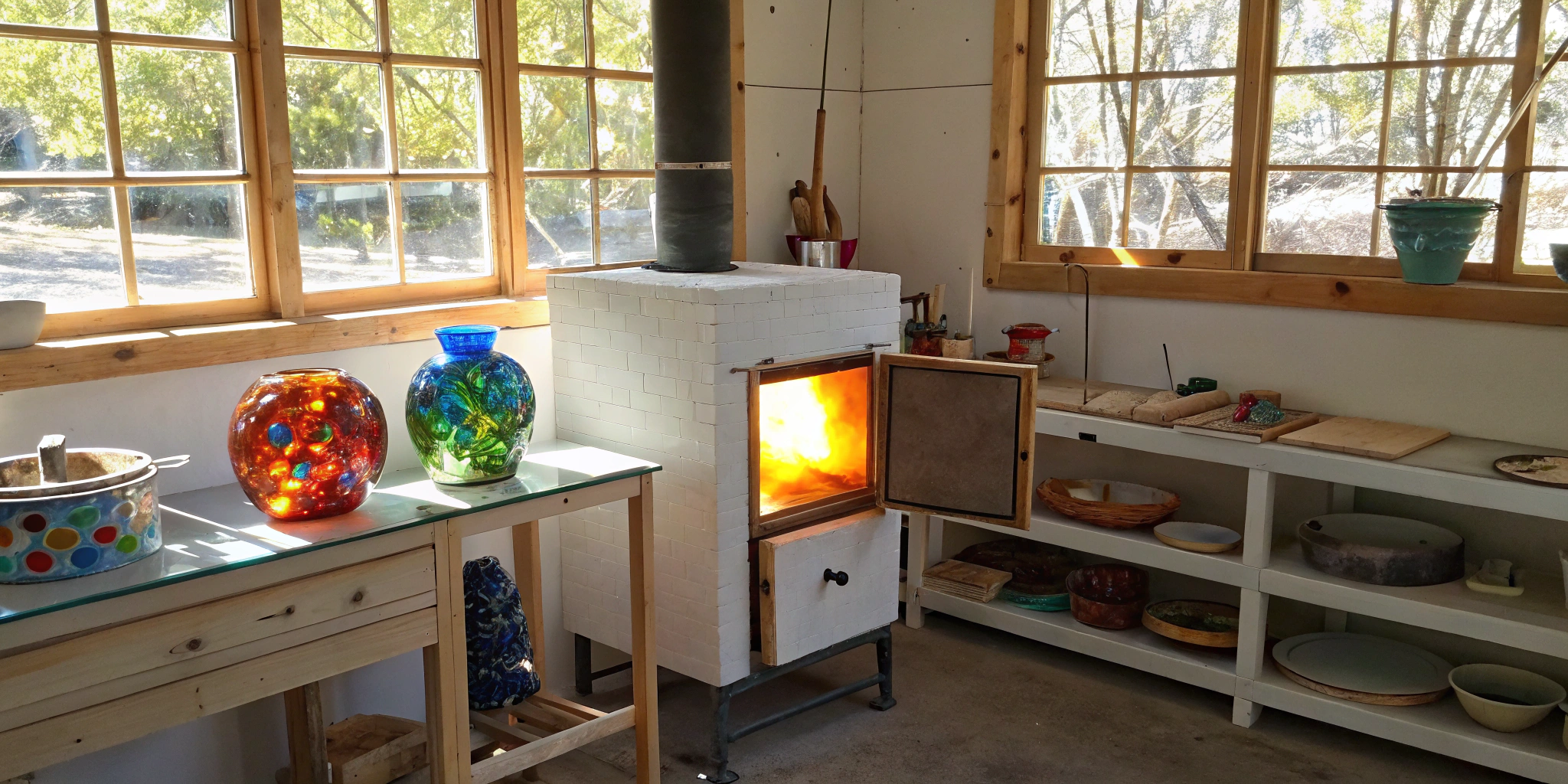
Before you even start looking at models, ask yourself one question: what do you dream of creating? Are you picturing delicate dichroic jewelry, colorful coasters, or beautiful slumped bowls? The right small glass kiln is the one that supports your specific artistic vision. A machine that’s perfect for jewelry might not be the best fit for larger platters. That’s why this guide is different. Instead of just listing specs, we review each small glass fusing kiln based on creative goals. We’ll help you find the best glass kiln for beginners and match your projects to the perfect machine.
Key Takeaways
- Check your outlet before you shop: Your home’s power supply is the first thing to consider. Most small kilns conveniently use a standard 120V outlet, but larger models require a 240V circuit that may involve hiring an electrician.
- Let your art dictate the kiln’s size: Think about the projects you want to create. A kiln’s internal dimensions will determine whether you can make small jewelry or large platters, so choose a size that supports your creative ambitions.
- A digital controller is non-negotiable: Glass fusing demands precise temperature changes to prevent cracks and achieve specific effects. A digital controller is the most critical feature for programming exact firing schedules and getting consistent, successful results.
Is a Small Glass Fusing Kiln Right for You?
Buying your first kiln is a huge, exciting step! It means you’re ready to take full control of your creative process, from start to finish. But it’s also a big investment in both money and space, so it’s worth taking a moment to make sure you’re on the right track. A small glass fusing kiln can be the perfect entry point for many artists, offering an affordable and convenient way to start firing your own work at home. However, it’s not the right fit for everyone.
Before you start comparing models and features, let’s walk through a few key questions to figure out if a small kiln aligns with your artistic goals and practical needs. We’ll look at your available space, the types of projects you want to create, and your budget. Thinking this through now will help you choose a kiln you’ll love and use for years to come, ensuring your investment pays off in beautiful, finished glass art.
Checking Your Space and Power Supply
First, let’s get practical. Where will your kiln live? Small kilns are fantastic because they can fit into a corner of a garage, a basement, or a dedicated studio space without a major overhaul. The biggest advantage is that most models run on a standard 120V household outlet—the same one you use for your coffee maker. This means you can likely skip the expense and hassle of hiring an electrician to install a special 240V circuit, which larger kilns almost always require. Just make sure the circuit can handle the amperage and that you have proper ventilation.
What Are Your Glass Fusing Goals?
What do you dream of creating? If your focus is on jewelry, coasters, small dishes, or intricate cabochons, a small kiln is your best friend. It’s perfectly sized for these projects and heats up efficiently. But it’s important to think about your future self, too. Do you see yourself wanting to create large platters, wall art, or complex sculptures down the road? While you can create components for larger pieces in a small kiln, you won’t be able to fire a big project in one go. Be honest about your ambitions so you don’t outgrow your kiln too quickly. Looking at different molds can give you a good sense of project scale.
How Much Should You Plan to Spend?
Let’s talk money. Glass art has a few startup costs, and the kiln is usually the biggest one. A small kiln makes the hobby much more accessible, allowing you to invest in a quality machine without breaking the bank. This leaves more room in your budget for the fun stuff, like beautiful sheets of COE90 glass and all the frit you can dream of. If you’re still on the fence, consider taking a local class or renting kiln time at a community studio. It’s a great way to confirm that glass fusing is for you before you commit to buying your own equipment.
Glass Kilns vs. Pottery Kilns: What’s the Difference?
At first glance, glass and pottery kilns look pretty similar—they’re both insulated boxes that get incredibly hot. This leads many artists to wonder if they can use one for the other. While they share a basic function, their designs are specialized for the unique needs of each material. Using a pottery kiln for glass, or vice versa, can lead to cracked projects and a lot of frustration. Understanding the key differences in temperature, construction, and control will help you see why having the right tool for the job is so important for getting the beautiful, consistent results you’re aiming for in your glass art.
Specific Temperature Ranges
The most significant difference between the two types of kilns is the temperatures they are built to reach. Glass fusing, slumping, and casting happen at relatively lower temperatures, typically between 1,500°F and 1,900°F. Pottery, on the other hand, especially high-fire clays like stoneware and porcelain, needs to be fired at 2,000°F or higher to mature properly. A kiln designed for glass may not have the power or insulation to safely and consistently reach these higher temperatures. Trying to push a glass kiln beyond its limits can damage the heating elements and the kiln itself, so it’s crucial to use a machine designed for the temperature range your art requires.
Construction and Heating Element Limitations
How a kiln delivers heat is just as important as how hot it gets. Pottery kilns are typically top-loading and have heating elements embedded in the side walls. This setup creates an even, radiant heat that surrounds the ceramic pieces, which is ideal for firing three-dimensional forms like pots and mugs. In contrast, many glass kilns are front-loading or clamshell-style, with heating elements in the lid. This design directs heat downward, which is perfect for fusing flat sheets of COE90 glass or gently slumping them into molds. This top-down heat provides the precise control needed to achieve a smooth, polished surface without over-firing the edges.
Temperature Control and Precision
Glass is incredibly sensitive to temperature changes, and even a slight deviation can mean the difference between a masterpiece and a cracked mess. This is why a digital controller is an absolute must-have for glass fusing. It allows you to program a precise firing schedule with multiple steps, controlling the rate of heating (ramp), how long the temperature is held (soak), and the cooling process. This level of precision is essential for properly annealing the glass to relieve internal stress. While many modern pottery kilns also have digital controllers, the sophisticated programming required for glass art makes it a non-negotiable feature on any quality glass kiln.
Can You Use One Kiln for Both?
So, can you get away with one kiln for both hobbies? The short answer is: not really, at least not without significant compromises. While you could technically fire low-fire ceramics in a glass kiln, you’ll be severely limited in the types of clay and glazes you can use. You won’t be able to work with popular high-fire materials at all. Using a pottery kiln for glass is even trickier, as the side-heating elements can easily over-fire the edges of your glass before the center is fully fused. If you’re serious about both glass and pottery, investing in a dedicated kiln for each craft is the best way to ensure your success and protect your creative work.
Our Top Picks: The Best Small Glass Kilns
Finding the perfect kiln can feel like a huge decision, but it doesn’t have to be overwhelming. Think of it as choosing your most important studio partner—one that will help you bring your creative ideas to life. A small kiln is a fantastic starting point for anyone with a home studio or limited space. They run on standard household voltage, making them accessible and easy to set up. To help you find the right fit, I’ve put together a list of my favorite small glass fusing kilns. We’ll look at options that offer incredible value, speedy heating, premium features, and designs perfect for specific projects like jewelry making or bottle slumping. Let’s find the kiln that’s just right for you and your art.
Best Overall: ArtGlass Supplies Featured Kiln
If you’re looking for a kiln that delivers consistent results without a hefty price tag, the Evenheat Hot Box is a fantastic choice. It’s a true workhorse for its size (8″ x 8″ x 4.5″) and a favorite among beginners and artists making smaller pieces like jewelry or coasters. What makes it such a great value is that it doesn’t skimp on quality. It’s built to last and features a reliable 3-key digital controller that’s simple to program. At ArtGlassSupplies.com, we recommend this kiln to artists who want to dive into glass fusing without a massive initial investment. It’s the perfect entry-level model that will serve you well as you learn and grow your skills with COE90 glass.
Fastest Heating: Evenheat Studio Pro 17
For artists who want to work on larger projects without waiting around, the Evenheat Studio Pro 17 is a game-changer. It’s one of the largest kilns you can get that still runs on a standard 120V outlet, offering a generous 17″ x 17″ firing chamber. This means you can create bigger plates, platters, and panels right in your home studio. Its main advantage is its ability to heat up quickly and evenly, which helps you complete projects more efficiently. The modern Icon touchscreen controller is intuitive and easy to use, giving you precise control over your firing schedules. It’s an excellent investment for the serious hobbyist who needs both size and speed.
Most Lightweight: Jen-Ken AF3P ProFusion Fiber 16
Do you need a kiln that can move with you? The Jen-Ken AF3P ProFusion Fiber 16 is your answer. Its fiber construction makes it significantly lighter than traditional firebrick kilns, which is a huge plus if you don’t have a dedicated studio space or if you attend workshops. But don’t let its light weight fool you—this kiln is a powerhouse. It heats up incredibly fast (often in under 90 minutes) and is versatile enough for all kinds of glass techniques, from fusing to slumping. The simple 3-key digital controller is reliable and straightforward, making it easy to get your projects fired up and ready to go.
Best Premium Features: Hot Shot HS16 PRO Clamshell
If you’re ready to invest in a kiln that prioritizes convenience and advanced technology, look no further than the Hot Shot HS16 PRO Clamshell. The clamshell design is its standout feature, allowing you to open the entire top of the kiln. This gives you full, easy access to the interior, making it much safer to place delicate glass arrangements without bumping the sides. It also features a high-end TAP interactive touchscreen controller, which offers sophisticated programming options and a user-friendly interface. Fast heating and cooling times round out its premium profile, making this kiln a top choice for artists who value efficiency and ergonomic design in their kilns.
Most Compact: Paragon Caldera Digital
When space is your biggest challenge, the Paragon Caldera Digital is the perfect solution. With its tiny 8″ x 8″ footprint, this kiln can fit into almost any small studio, craft room, or even a corner of your garage. It’s specifically designed for creating small items like jewelry, beads, and test tiles, making it an ideal choice for artists who specialize in detailed work. The Caldera plugs into a standard household outlet and is incredibly easy to use, thanks to its Genesis Mini touchscreen controller. It’s a wonderful little kiln that proves you don’t need a lot of space to create beautiful fused glass art.
Largest Capacity (120V): Olympic Champ XL
The Olympic Champ XL is for the artist who thinks big but is working with standard household power. This kiln pushes the limits of a 120V outlet, offering a spacious 14.5″ x 14.5″ interior that can accommodate a 13″ shelf. This gives you the freedom to fire larger projects or multiple smaller pieces at once, increasing your productivity without needing to call an electrician. It’s a fantastic option for creating sizable plates or wall art. The reliable 3-key digital controller is easy to operate, making this kiln a practical and powerful choice for any artist wanting to maximize their firing capacity on a standard circuit.
Best for Bottle Slumping: Paragon Fusion 17
Have you ever wanted to turn empty wine bottles into unique cheese trays or decorative art? The Paragon Fusion 17 is the kiln for you. Its long, rectangular shape (17.5″ x 10.75″) is perfectly suited for slumping glass bottles using various molds. While it excels at bottle slumping, it’s also a highly capable kiln for general fusing and slumping of other glass art projects. It plugs into a regular outlet and features a modern Sentinel Mini touchscreen controller for easy programming. This specialty kiln is a great addition to any studio, especially for artists interested in upcycling and creating one-of-a-kind functional art.
Key Features to Look for in a Small Fusing Kiln
Choosing your first (or next) kiln is a big step, and it’s easy to get lost in the technical specs. Let’s break down the most important features to focus on. Getting these right will ensure your new kiln is a perfect match for your creative goals, whether you’re making tiny pendants or beautiful slumped bowls. Think of this as your personal checklist to find the right tool for your studio.
Why Digital Controllers and Temp Range Matter
Glass fusing happens at lower temperatures than pottery, typically staying below 1700°F. Because glass is sensitive to temperature changes, how you heat and cool it is critical. This is where a digital controller becomes your best friend. Manual controllers simply can’t offer the precision needed for glass, which requires very specific heating and cooling schedules to prevent thermal shock and cracking. A modern digital controller is a non-negotiable feature, allowing you to program every stage of the firing process for consistent, professional results every time you fire up your kiln.
Top vs. Side Heating: What’s the Difference?
Here’s a key difference between kilns made for glass and those for ceramics. Ceramic kilns usually have heating elements only on the sides. Glass kilns, however, have elements on the top (in the lid) and often on the sides as well. This combination provides the even, radiant heat that glass needs to fuse properly without stress fractures. The heat from the top ensures the entire surface of your project heats uniformly, which is especially important when working with larger pieces or delicate materials like COE90 glass to get a smooth, perfect finish.
Benefits of Side-Fired Kilns
While top elements are the star of the show for glass fusing, adding side elements into the mix brings some serious advantages. Think of it as surround sound for heat. Having elements on both the top and sides gives you incredibly balanced temperature control, which is a huge deal when you’re working with delicate, layered pieces or deep slumping molds. The side heat helps ensure the edges and base of your project get just as much attention as the top surface, preventing uneven heating that can lead to stress. This setup is also fantastic if you want to fire multiple levels at once, letting you stack shelves to make the most of your kiln space for smaller projects.
How to Choose the Right Kiln Size
Before you fall in love with a kiln, think about the art you want to create. Are you focused on jewelry and small cabochons, or do you dream of making larger plates and platters? The size of your projects will determine the kiln dimensions you need. Pay attention to both the width and the depth. A wider kiln gives you more room for multiple small projects or one large one. Interestingly, shallower kilns often provide more even heat distribution across the shelf, which is a huge advantage for fusing. Consider the size of the molds you plan to use to guide your decision.
Considering Kiln Shape for Specific Projects
The shape of your kiln can be just as important as its size. A square kiln, like the Evenheat Hot Box, is a versatile all-rounder and a great choice for a variety of projects, from jewelry and coasters to small dishes. However, if you have a specific type of art in mind, a different shape might serve you better. For instance, long, rectangular kilns are designed for slumping bottles or creating elongated art pieces. A clamshell design, which opens from the top, gives you unobstructed access to the entire kiln floor, making it much easier to place delicate glass arrangements without risking a bump. Think about the molds you plan to use and the final form of your art to choose a shape that streamlines your creative process.
How Kiln Size Affects Heating Time
Generally, the smaller the kiln, the faster it will heat up and cool down. This can be a huge advantage if you’re eager to see your finished pieces or want to run multiple firings in a day. A smaller chamber requires less energy to reach fusing temperatures, making it an efficient choice for artists focused on smaller work. It’s also worth noting that shallower kilns often provide more even heat across the entire shelf, which is critical for a perfect fuse. While larger kilns take longer to heat, they allow you to fire more pieces at once, which can be more efficient if you’re producing work in volume. Regardless of size, a reliable digital controller will ensure your glass heats and cools at the precise, slow rate it needs to prevent thermal shock.
120V vs. 240V: Which Power Supply Do You Need?
This is a practical point you can’t overlook. Most small kilns, typically those under 15 inches wide, are designed to run on a standard 120-volt household outlet. This makes them a fantastic plug-and-play option for home studios without any special wiring. However, as you get into larger or more powerful models, they will almost always require a 240-volt power supply—the same kind used for an electric stove or dryer. Always check the power requirements before you buy to make sure your workspace can support it, or be prepared to hire an electrician for installation.
Kiln Materials: Fiber vs. Firebrick
When you’re looking at different kilns, you’ll notice they’re usually made from either ceramic fiber or firebrick. Think of fiber kilns as the sprinters—they’re lightweight, heat up incredibly fast, and cool down just as quickly. This is a huge advantage if you want to fire multiple loads in a day or if you need a kiln you can easily move. Firebrick kilns, on the other hand, are the marathon runners. They are heavier and more durable, taking longer to heat up but also retaining that heat for a much slower, more gradual cool-down. The choice really comes down to your workflow. If speed and portability are your top priorities, a fiber kiln is a great fit. If you prefer a kiln built for long-term, heavy use that offers a slow cooling cycle, firebrick is a solid choice.
Comparing Small Kilns: What Do You Get for Your Money?
Choosing a kiln often comes down to balancing your budget with your artistic ambitions. While it’s true that a higher price tag usually gets you more space and advanced features, you don’t need to spend a fortune to create beautiful fused glass art. The key is to find the sweet spot where the kiln’s capabilities match the work you want to create. Think about the scale of your projects now and where you see yourself in a few years. Are you focused on delicate jewelry, or do you dream of making large, decorative bowls? Answering these questions will help you decide how much to invest.
Whether you’re just starting out or planning to expand your studio, there’s a kiln that fits your needs and your wallet. Let’s break down what you can expect from different price ranges to help you make an informed decision for your studio. We’ll look at budget-friendly models perfect for beginners, mid-range workhorses for the serious hobbyist, and premium options for professional artists. Remember, the right kiln is an investment in your art, so it’s worth taking the time to compare your options. All of these are fantastic kilns that can help you bring your vision to life.
Budget-Friendly Options Under $1,500
If you’re just starting your glass fusing journey or focusing on smaller pieces like jewelry, pendants, and coasters, you can find an excellent kiln without a huge investment. Models in this price range are typically compact and run on a standard 120V household outlet, making them perfect for home studios. For example, the Paragon Caldera Digital is a user-friendly choice with a touchscreen controller that’s great for beginners. Another solid option is the Jen-Ken AF3P 15/6, which offers precise digital control for fusing and slumping smaller projects. These kilns prove that a limited budget doesn’t have to limit your creativity.
Our Favorite Mid-Range Kilns ($1,500-$2,500)
For artists ready to take on larger projects or who want more advanced features, the mid-range category offers a significant step up in size and functionality. These kilns provide more interior space for creating plates, bowls, and small panels. A standout is the Evenheat Studio Pro 17, which is one of the largest kilns available that still operates on a standard 120V outlet. Many models in this range, like the Hot Shot HS16 PRO Clamshell, also feature intuitive touchscreen controllers and clamshell designs for easier loading. This price point is ideal for the serious hobbyist who wants to work with larger sheets of COE90 glass without needing to rewire their studio.
Premium Kilns Worth the Investment ($2,500+)
When you’re ready for maximum performance and capacity, premium kilns deliver the power and space for professional-level work. These models almost always require a 240V circuit, so be prepared for potential electrical work. In return, you get faster heating and the ability to fire very large projects. The Paragon CS-26 and Evenheat Studio Pro 28 offer expansive interiors perfect for creating large platters, wall art, and complex pieces using intricate molds. With advanced smart controllers and robust construction, these kilns are built for artists who are running a business or pushing the boundaries of their craft.
Beyond Fusing: Other Uses for Small Kilns
When you invest in a small kiln, you’re not just buying a tool for glass fusing—you’re getting a versatile piece of studio equipment that opens up a world of creative possibilities. While its main job might be fusing beautiful sheets of COE90 or COE96 glass, the precise temperature control that makes it so good for fusing also makes it perfect for a range of other crafts. Thinking about your kiln as a multi-purpose tool helps you get the most value out of your investment and might even introduce you to a new artistic passion. From creating solid glass sculptures to working with metal and enamel, your kiln can be the centerpiece of a multi-craft studio.
Glass Casting and Annealing
Beyond laying glass flat, you can also create three-dimensional objects through glass casting. This process involves melting glass inside a specially prepared container until it flows and fills the cavity, creating a solid shape. It’s a fantastic way to make unique sculptural elements or substantial jewelry pieces. The key to successful casting is a slow, controlled firing schedule, which is exactly what the digital controllers on modern glass kilns are designed for. Similarly, annealing—the process of slowly cooling glass to relieve internal stress—is critical for the durability of any glass piece. Whether you’re casting a sculpture, fusing a platter, or even making lampwork beads, your kiln is the perfect tool for a proper annealing cycle, ensuring your creations are strong and stable.
Other Crafts: Enameling and Metal Clay
Your kiln’s talents aren’t limited to just glass. Many other crafts require heat and precision, making your glass kiln a surprisingly adaptable tool. Enameling, the art of fusing powdered glass onto a metal surface, happens at temperatures well within the range of a small fusing kiln. It’s a great way to add vibrant, permanent color to copper or silver jewelry. Another exciting possibility is working with metal clay. This unique material, made of fine metal particles mixed with a binder, can be shaped like clay and then fired. During firing, the binder burns away, and the metal particles sinter into a solid, pure metal piece. As many artists have found, these kilns are perfect for a variety of crafts, though it’s good to remember they don’t get hot enough for high-fire ceramics like stoneware or porcelain.
The Pros and Cons of Each Kiln
Choosing a kiln is a big step, and it’s about more than just price and size. You’re investing in the heart of your studio, so it’s important to understand how different models perform day-to-day. Every kiln has its strengths and quirks, from how accurately it holds temperature to how easy it is to maintain.
Thinking through these practical details will help you find a kiln that not only fits your space but also supports your creative process. Let’s get into the specifics of what you can expect when it comes to performance, maintenance, and setting up a safe workspace for your new equipment.
How Accurate Are Small Kilns?
Unlike pottery, glass fusing happens at lower temperatures and requires incredible precision. A few degrees can be the difference between a perfect tack fuse and a melted puddle. For example, slumping typically happens between 1215–1249°F, while a full fuse needs a hotter range of 1450–1479°F. To achieve these specific results, a digital controller isn’t just a nice-to-have feature—it’s essential.
Modern digital controllers allow you to program specific firing schedules with multiple steps, giving you complete control over the heating and cooling process. Touchscreen controllers take it a step further, offering intuitive interfaces and even Wi-Fi connectivity to monitor your projects remotely. This level of accuracy ensures your COE90 glass and other materials fuse exactly as you planned, every single time.
Solving Common Problems and Simple Maintenance
Even the best kilns need a little TLC to perform at their best. Over time, heating elements wear out and bricks can become brittle. Some artists have found that replacing bricks on certain models can be a real challenge, so it’s worth looking into how accessible replacement parts are for the kiln you’re considering. If your studio is in a garage or basement that gets cold, look for a kiln with a robust brick design that can handle temperature fluctuations without cracking.
Regular maintenance is your best friend. Keep the interior clean by vacuuming out any dust or debris between firings. Applying a fresh coat of kiln wash to your shelves will prevent glass from sticking and make cleanup much easier. Taking care of these small tasks will extend the life of your kiln and ensure you get consistent, beautiful results from your work.
How to Create a Safe Kiln Workspace
Your safety and the safety of your home should be your top priority when setting up a kiln. First, give it space to breathe. A kiln needs at least 18 inches of clearance on all sides to allow for proper airflow and prevent overheating. The ideal spot is a garage or utility room with a concrete floor, as this provides a non-combustible surface.
Good ventilation is also critical. Firing glass can release fumes, so placing your kiln near a window you can open is a good start, but a dedicated kiln vent system is even better. Before you plug it in, double-check that your electrical circuit can handle the amperage. Using an underrated circuit is a fire hazard and can damage your kiln. Creating a safe setup ensures you can focus on your art without any worries.
Matching a Kiln to Your Skill Level
Choosing the right kiln is a lot like picking a paintbrush—it really depends on what you want to create. Your experience level, the size of your projects, and the space you have to work in all play a huge role in finding the perfect fit. Whether you’re just starting your glass fusing journey or you’re a seasoned artist looking to upgrade, there’s a kiln out there that’s just right for your needs. Let’s break down some of the best options based on where you are in your artistic practice and the size of your studio.
Understanding Kiln Categories: Beginner, Studio, and Professional
Kilns are often grouped into three main categories that align with an artist’s space, power supply, and project goals. Beginner or test kilns are small, affordable, and can often sit on a countertop, plugging right into a standard 120V outlet. They’re perfect for making jewelry or testing new glass combinations. Next are studio kilns, which come in various sizes and are the workhorses for many home studios. They typically feature heating elements in both the lid and sides for even heat distribution, making them great for slumping, fusing, and casting larger pieces. Finally, professional kilns are built for high-volume production in schools or commercial studios, offering the largest capacity and most advanced features, but they almost always require a 240V circuit. Understanding which category fits your needs will help you narrow down the wide range of kilns available.
Best Kilns for Beginners
When you’re just starting out, you want a kiln that’s straightforward and easy to manage. Look for smaller models, typically under 15 inches, that can run on a standard 120V household outlet. This makes setup a breeze and lets you focus on learning the fundamentals of firing. Kilns like the Olympic Doll E and Olympic 129e are fantastic choices for novices. They give you a solid introduction to the basics of firing and glazing without overwhelming you with complex features. You can get a feel for the process and start creating beautiful pieces right away.
Ready to Upgrade? Kilns for Experienced Artists
As your skills grow, you’ll likely want to take on more ambitious projects that require a more capable kiln. Intermediate and advanced artists often need kilns that can accommodate larger shelves and handle more complex firing schedules. The Evenheat Studio Pro 17 is a popular choice because of its reliable performance and generous capacity for bigger pieces. Another excellent option is the Paragon Fusion 17, which is known for its robust construction and is great for techniques like bottle slumping. It’s a bit heavier, which is something to keep in mind if you have limited space, but its durability is a major plus.
Top Kiln Picks for a Small Studio
Working in a small studio means every inch of space counts. The key is to find a kiln that’s efficient without being bulky. For glass fusing, shallower kilns are often a great choice because they distribute heat more evenly across the glass surface. If you need to maximize your firing space on a standard outlet, the Evenheat Studio Pro 17 is the largest 120V kiln you can get. For artists creating smaller items like jewelry or coasters, the Paragon Caldera Digital is a wonderfully compact option that fits easily into tight workspaces while still delivering professional results with your favorite glass molds.
Setting Up and Maintaining Your New Kiln
Bringing a new kiln into your studio is a huge step, and taking care of it from day one will ensure it performs beautifully for years to come. Proper setup isn’t just about getting great results; it’s about keeping you and your workspace safe. Once you’re up and running, a little routine maintenance goes a long way in preventing problems and extending the life of your investment. Think of it as building a relationship with the most important tool in your studio. By understanding its needs, you can focus on your creativity without worrying about technical hiccups.
How to Safely Install Your Kiln
Finding the right spot for your kiln is your first and most important task. A garage or utility room with good ventilation is safest. Make sure there’s at least 18 inches of clear space around the kiln for air to move and prevent fires. Concrete floors are the best surface, as they are non-combustible and can handle the heat. Before plugging it in, double-check that your outlet and circuit breaker match the kiln’s power requirements. An overloaded circuit is a serious fire hazard, so if you’re unsure, it’s always best to consult an electrician.
Basic Care and When to Replace Heating Elements
Regular care is key to keeping your kiln in top shape. Before each firing, give the interior a quick inspection for cracks or debris. Applying a fresh coat of kiln wash to your shelves prevents glass from sticking and makes cleanup easier. If your kiln is in a cold space like a garage, a model with robust brick is often more durable than one with soft fiber. One artist shared that replacing bricks was a “nightmare,” which highlights why choosing durable kilns and handling them with care is so important from the start.
A Quick Guide to Troubleshooting Kiln Issues
Even with the best care, you might run into issues, but most are easy to fix. If your pieces aren’t firing correctly, first check your heating elements, as they wear out over time and need replacing. Luckily, modern kilns make diagnostics much simpler. Digital controllers are easy to use, can store many firing programs, and some even have touchscreens and Wi-Fi. These features help you run precise schedules for different types of glass, like COE90, and often display error codes that point you directly to the problem, taking the guesswork out of troubleshooting.
Final Checklist Before You Buy
You’ve compared the features, weighed the pros and cons, and you’re almost ready to click “buy.” Before you do, let’s run through a final checklist to make sure you’ve covered all your bases. Buying a kiln is a big step, and thinking through these last few details will help you start your glass fusing journey with confidence. From making sure your glass is compatible to understanding the full cost, a little extra planning now will save you a lot of headaches later. This final check ensures your new kiln is the perfect fit for your studio and your art.
Don’t Forget Glass Compatibility (COE)
The first thing to confirm is that the kiln can handle the type of glass you plan to use. Different glass types, identified by their Coefficient of Expansion (COE), require specific firing schedules. For example, slumping glass into a mold happens at a lower temperature than a full fuse that melts pieces together completely. You need a kiln that can reliably reach and hold the temperatures your projects demand. Whether you work with COE90 glass or prefer COE96 glass, check the kiln’s maximum temperature and controller capabilities to ensure it aligns with your artistic goals. This simple step prevents the frustration of buying a kiln that can’t quite execute your vision.
What Accessories Do You Really Need?
Your kiln is the main event, but it can’t work alone. You’ll need a few essential accessories to get started, so it’s smart to budget for them from the beginning. At a minimum, you’ll need kiln shelves to hold your projects and posts to create space for air to circulate. You’ll also want kiln wash to protect your shelves from glass sticking. Beyond that, think about the other tools and materials you’ll need, like safety glasses, heat-resistant gloves, and of course, glass and molds. These items are part of the startup cost, and factoring them in now helps you get a realistic picture of your total investment.
Checking the Warranty and Customer Support
A kiln is a significant piece of equipment, and you want to know the company has your back if something goes wrong. Before you purchase, look into the manufacturer’s warranty and what it covers. A solid warranty provides peace of mind and protects your investment. Equally important is customer support. When you have a question or run into an issue, you want to be able to reach someone who can help. Buying your kiln from a trusted retailer ensures you have a team of experts ready to support you long after your purchase. Good support can make all the difference, especially when you’re just getting started.
Considering Your Budget and Financing Options
Let’s talk money. The kiln is often the biggest single purchase when you’re setting up a glass art studio. The great news is that starting with a small kiln makes the craft much more accessible. Choosing an affordable, high-quality machine means you won’t have to break the bank to get started, leaving more room in your budget for the fun stuff—like beautiful sheets of COE90 glass and colorful frit. If your passion is creating smaller pieces like jewelry, pendants, or coasters, you can find a fantastic kiln that runs on a standard household outlet without a massive investment. This approach allows you to dive into your new hobby with confidence, knowing you have a reliable tool that supports your creative goals without straining your finances.
Purchase Strategy for Multi-Craft Artists
If you’re an artist who loves both glass and pottery, you might be wondering if one kiln can do it all. While it’s tempting to find a single solution, glass and pottery kilns are designed for very different jobs. Glass kilns heat from the top to warm the glass evenly, while pottery kilns heat from the sides to fire ceramics to much higher temperatures. You generally can’t fire high-fire pottery in a glass kiln. If you plan to work seriously in both mediums, investing in two separate, specialized kilns is the best long-term strategy. If you have to choose one to start, pick the kiln that supports your primary craft. For glass fusing, a short, wide kiln is always better for even heating.
Related Articles
- Best Glass Kiln for Beginners: A Buyer’s Guide
- The Ultimate Glass Fusing Kiln Guide for Artists
- How to Choose the Best Glass Kiln for Your Art
Frequently Asked Questions
Do I really need a digital controller for my kiln? Yes, absolutely. Glass is incredibly sensitive to temperature changes, and a digital controller is the only way to get the precision you need for consistent results. It allows you to program specific heating and cooling schedules, which is essential for preventing thermal shock that can crack your beautiful work. Think of it as the brain of your kiln that handles the technical side so you can focus on the creative part.
What does COE mean, and can I use different types of glass in my kiln? COE stands for Coefficient of Expansion, which is just a technical way of saying how much a specific type of glass expands and contracts when heated and cooled. Your kiln can handle any type of fusing glass, but you cannot mix glass with different COE ratings (like COE90 and COE96) in the same project. If you do, they will shrink at different rates and your piece will crack apart. Sticking to one COE for a project is the golden rule of glass fusing.
How much will running a small kiln add to my electricity bill? It’s probably less than you think. Since most small kilns run on a standard 120V outlet and firings are relatively short, the cost is quite manageable. The exact amount depends on your local electricity rates and how often you fire your kiln, but it’s generally comparable to running a small appliance for several hours. It won’t cause a major spike in your monthly bill.
What if I buy a small kiln and then want to make bigger things? That’s a common concern, but your small kiln will never become useless. Even if you eventually upgrade to a larger model, your first kiln will remain an invaluable tool. It’s perfect for making smaller components like jewelry, creating test tiles to try out new techniques, or firing accent pieces that you can incorporate into larger mosaic or stained glass work.
Can I use a glass fusing kiln for other crafts like pottery or metal clay? It’s best to stick to glass. Glass kilns are designed with heating elements in the lid to radiate heat down evenly across the surface of your project. Pottery kilns, on the other hand, have elements on the sides to heat a taller space from all directions. Using a glass kiln for pottery will likely lead to uneven firing, and the higher temperatures required for ceramics could damage your kiln over time.