
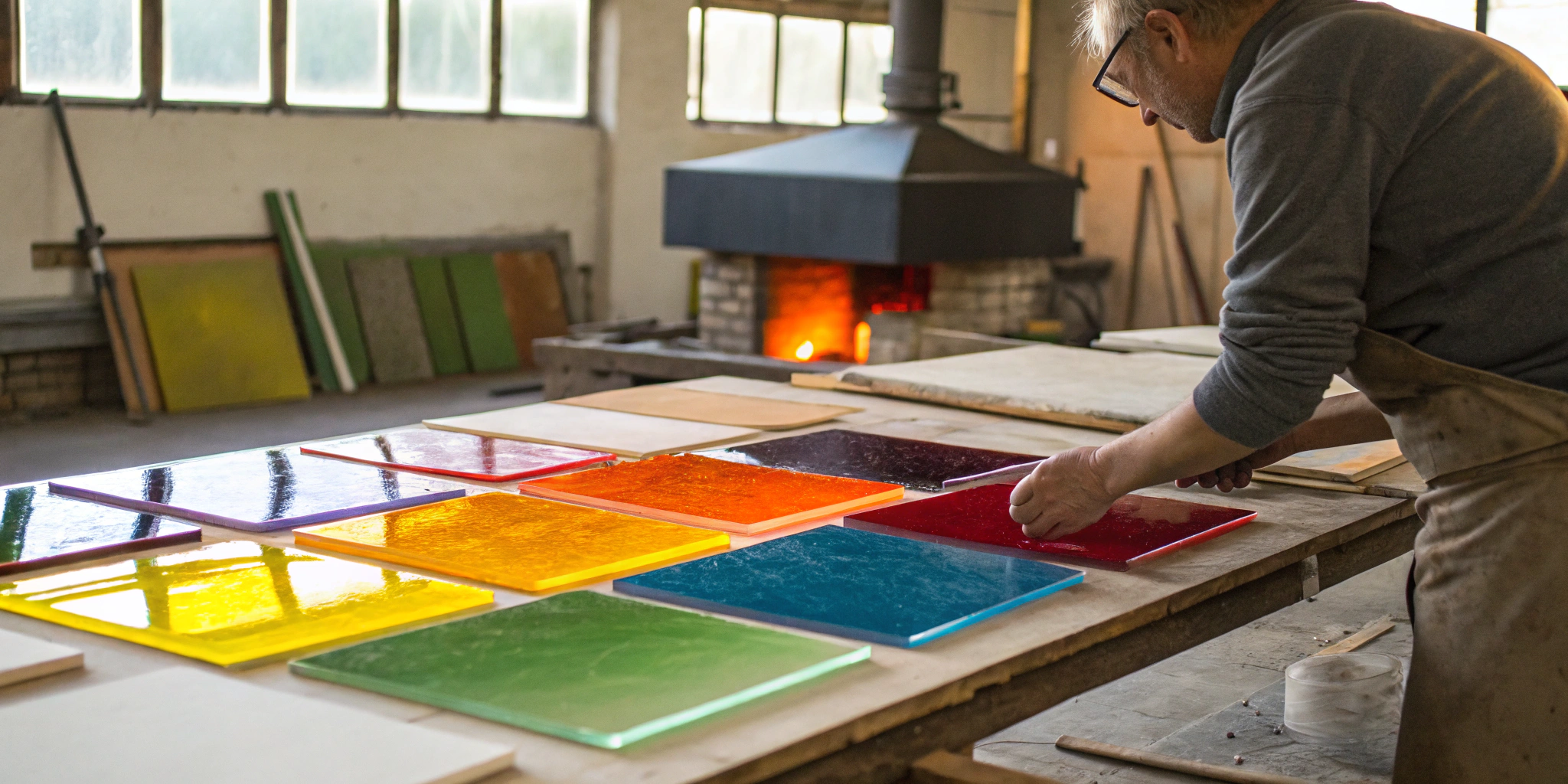
Let’s be honest—art supplies are an investment, and nothing is more frustrating than spending money on materials that don’t work. When it comes to glass fusing, making smart choices from the start saves you time, money, and the disappointment of a cracked project. Understanding COE 96 is the first step to becoming a savvy shopper. It’s the industry standard for compatible fusible glass, ensuring quality and reliability. This guide is designed to help you navigate your options, recognize quality brands, and find the best value. We’ll walk through everything you need to know before you search for COE 96 fusing glass sheets for sale, so you can build your studio collection with confidence and make every dollar count.
Key Takeaways
- Compatibility is Everything: To prevent cracks, every piece of glass in your project must have the same COE. Sticking with the COE 96 family of glass ensures all your components—from sheets to frit—will fuse together successfully in the kiln.
- Plan Your Project Before You Shop: Decide on your project’s colors, textures, and function first. Having a clear vision helps you buy exactly what you need, preventing overspending and ensuring the glass you choose is perfect for your final piece.
- Invest in Quality and Handle with Care: Successful fusing starts with high-quality materials from reputable suppliers. Once you have your glass, protect your investment—and yourself—by storing it correctly and always using safety gear when handling it.
What is COE 96 Glass and Why Use It?
If you’re getting into glass fusing, you’ve probably heard the term “COE 96” a lot. It might sound technical, but it’s one of the most important concepts to grasp for creating beautiful, lasting art. Think of it as the golden rule for fusing: use compatible glass, or your project could literally crack under pressure. COE 96 glass is a favorite among artists for its reliability and the huge variety of colors and forms available. Let’s break down what COE means and why so many artists choose COE 96 for their work.
What is Coefficient of Expansion (COE)?
Let’s get the science out of the way, but keep it simple. The Coefficient of Expansion, or COE, measures how much glass expands when it gets hot and shrinks as it cools. Every piece of glass has a COE number. For your fused glass projects to succeed, every piece of glass you melt together in the kiln must have the same COE. If you mix glass with different COEs—say, a COE 90 with a COE 96—they will expand and shrink at different rates. This creates stress within the finished piece, which often leads to cracks or even a complete break. It’s a heartbreaking lesson to learn the hard way, so always check your COE!
The Advantages of Fusing with COE 96
So, why is COE 96 so popular? The biggest reason is reliability. When you use glass from the COE 96 family, you can trust that all the pieces will fuse together smoothly without cracking. This stability makes it a go-to choice for everything from delicate jewelry and suncatchers to larger projects like bowls and layered panels. Another huge plus is the sheer variety. The System 96 line, for example, was designed so that a whole range of products—sheets, frit, stringers, and powders—are all compatible. This gives you incredible artistic freedom to mix, match, and layer different forms of glass while knowing your final piece will be strong and stable.
Your Guide to COE 96 Glass Types
Once you’ve decided to work with COE 96, the fun really begins. This family of fusible glass is designed to work together, giving you an incredible range of colors, textures, and finishes to bring your vision to life. Whether you’re layering for depth, creating a vibrant mosaic, or designing delicate jewelry, there’s a type of COE 96 glass that’s perfect for your project. Understanding the different options available will help you select the right materials and achieve the exact look you’re going for. Let’s walk through the main categories you’ll find when shopping for COE 96 glass.
Transparent and Clear Glass
Transparent glass is exactly what it sounds like—it’s glass you can see through. This is your go-to for projects that play with light, depth, and layering. Think of suncatchers that cast colorful shadows or fused plates where you want to see the design elements suspended within the glass. Clear glass is a staple for any fuser, acting as a base or a cap to encase other elements. Brands like Oceanside produce a family of fusible glass products, known as System 96, that are designed to work together seamlessly. Using transparent colors allows you to build complexity and create beautiful, luminous effects that change with the light.
Opalescent and Opaque Glass
Unlike transparent glass, opalescent and opaque glass doesn’t let light pass through. Opaque glass is solid, blocking light completely, making it perfect for creating bold, graphic designs or pieces where you need a solid background. Opalescent glass is a beautiful middle ground—it’s not transparent, but it does transmit some light, giving it a milky, ethereal glow. This type of glass is fantastic for adding depth and character. Wissmach Glass offers a tested compatible line of COE 96 opalescent sheets in a stunning array of colors, perfect for when you want your colors to pop without being see-through.
Textured and Iridescent Finishes
If you want to add a little extra sparkle or dimension to your work, look for textured and iridescent glass. Textured glass has a pattern pressed into its surface, which can add visual interest and catch the light in unique ways even after firing. Iridescent glass has a special metallic coating that creates a shimmering, rainbow-like effect. This “satin-like gleam” can be fired with the iridescent side up or down for different results, giving you more creative control. These finishes are perfect for jewelry, decorative tiles, or any piece you want to have a dynamic, eye-catching surface that interacts beautifully with light.
Precut Shapes vs. Full Sheets
When buying glass, you can choose between full sheets or convenient precut shapes. Full sheets offer the most creative freedom, allowing you to cut any custom shape or size you need for your design. This is ideal for larger projects or artists who have a specific vision. On the other hand, precut shapes are a fantastic time-saver. Often cut with water jet technology for smooth, safe edges, they come in circles, squares, hearts, and more. Using precuts lets you skip the cutting process and jump right into designing, making them perfect for beginners or anyone looking to streamline their workflow.
Where to Find COE 96 Fusing Glass Online
Shopping for glass online opens up a world of options right at your fingertips. Instead of being limited to what your local shop has in stock, you can browse vast inventories from suppliers across the country. This is fantastic for finding that one specific color or texture you need to complete a project. However, with so many choices, how do you know where to look? The best online suppliers don’t just sell glass; they understand it. They become partners in your creative process, ensuring you get high-quality, compatible materials every time.
A great supplier provides detailed product information, including clear photos, precise dimensions, and, most importantly, the correct COE. This saves you from the headache of accidentally mixing incompatible glass, which can ruin a piece in the kiln. Look for retailers who specialize in fusible glass, as they’ll have the expertise to answer your questions and guide you toward the right products. They should also have a solid reputation for customer service and reliable shipping. Finding a retailer you trust is key to avoiding frustration and getting consistent results in your work. Let’s explore what to look for in a supplier and why starting with a knowledgeable source makes all the difference for your art.
Why Choose ArtGlassSupplies.com
When you’re investing time and creativity into a piece, you need a supplier you can trust. We pride ourselves on being a reliable source for COE 96 fusing glass because we know how crucial compatibility is for a successful fuse. Even seasoned artists can face challenges, and fusing glass requires careful attention to compatibility and firing schedules. That’s why we offer a huge selection of COE 96 glass from top brands, all clearly labeled and ready for your kiln. We’re artists and hobbyists ourselves, so we get it. Our goal is to provide the quality materials and support you need to bring your vision to life without any unwelcome surprises.
Finding Other Reputable Retailers
While we’d love to be your one-stop shop, it’s always good to know your options when you’re searching for specific colors or brands. You might look at other specialty retailers that focus heavily on certain product lines, like the full range from Oceanside or Wissmach. Exploring different online stores can help you compare prices, discover new products, and find unique sheets of glass that might not be available everywhere. The key is to find retailers that specialize in fusible glass and have a strong reputation within the artist community. A broad selection from various manufacturers ensures you have the creative freedom to find the perfect materials for any project you can dream up.
How to Pick the Right Supplier
Choosing the right supplier is about more than just price. A great supplier is a knowledgeable partner who helps you avoid common issues. Look for retailers who specialize in materials specifically for glass fusing, as they’ll understand the technical needs of your art form. Successful glass fusing comes from disciplined working habits, and that includes sourcing your materials from experts. A good supplier will have detailed product descriptions, clear photos, and helpful customer service. They should also be transparent about their shipping practices to ensure your glass arrives safely. When you find a supplier who provides quality molds, tools, and glass, you can focus on what really matters: creating beautiful art.
Get to Know the Top COE 96 Glass Brands
When you’re shopping for glass, you’ll notice it’s sold under different brand names. Getting familiar with the major players in the COE 96 glass world is a smart move. Each brand has its own reputation for quality, color palette, and texture, but the most important thing is that they are all tested to work together. This compatibility is the magic of the “System 96” family of glass. It means you can mix and match sheets from different manufacturers without worrying about your project cracking in the kiln due to different expansion rates. This collaborative approach was designed to give artists a broad, reliable, and interchangeable palette of glass.
Think of these brands as trusted partners in your creative process. Knowing their strengths helps you choose the perfect materials for your vision. Whether you need a specific transparent color, a unique texture, or a dazzling dichroic effect, there’s a COE 96 brand that specializes in it. Some brands are known for their smooth, consistent sheets perfect for clean lines, while others offer beautiful, organic textures that add depth. Understanding these nuances allows you to build a glass library that truly serves your artistic style. Let’s look at the key names you’ll encounter and what makes each one special. This will help you shop with confidence and combine different glasses to create stunning, durable fused art.
Bullseye Glass: What to Expect
First, let’s clear up a common point of confusion. You’ll hear the name Bullseye Glass a lot in the art glass world, and for good reason—they make beautiful, high-quality glass. However, Bullseye is famous for its extensive line of COE 90 glass. It’s crucial to remember that COE 90 and COE 96 glass are not compatible and should never be fused together. So, what should you expect from Bullseye in the context of your COE 96 projects? You should expect to keep it separate! While they are a top-tier brand, their system is different. Knowing this distinction is one of the most important first steps in glass fusing to ensure your projects are successful and crack-free.
Exploring Spectrum System 96
Spectrum System 96 is the original cornerstone of the COE 96 fusing family, and its production is now managed by Oceanside Glass. The entire line was specifically created to give artists a wide range of products that work together perfectly, both technically and artistically. This means you can confidently mix any glass labeled “System 96” without having to run extensive compatibility tests yourself. For artists, this is a huge advantage. It removes the guesswork and lets you focus on creativity. Oceanside continues this legacy, producing a reliable and vibrant palette of colors and textures that serve as an excellent foundation for any hot glass project, from simple dishes to complex sculptural work.
Wissmach and Oceanside Glass
Wissmach Glass is another major name you’ll see in the COE 96 family. They offer a fantastic line of tested compatible sheet glass and accessories that are designed to work harmoniously with other COE 96 brands, especially Oceanside. Many artists love Wissmach for their rich colors and unique textures, which can add a different dimension to a piece. The fact that Wissmach and Oceanside glass are fully compatible means you can expand your creative options significantly. You can pull a smooth, transparent blue from Oceanside and pair it with a textured amber from Wissmach in the same project, knowing they will fuse together beautifully in your kiln. This interoperability is what makes the COE 96 system so versatile and artist-friendly.
The Magic of CBS Dichroic
If you want to add some serious sparkle and life to your work, you need to know about CBS Dichroic. “Dichroic” refers to a special metallic coating that reflects different colors of light depending on the angle you view it from. Coatings by Sandberg (CBS) is the premier manufacturer of this coating, and they apply it to glass from other brands. For your projects, you can find stunning CBS dichroic glass on a COE 96 base from makers like Oceanside and Wissmach. This means you get that incredible, color-shifting effect on a piece of glass that is fully compatible with the rest of your COE 96 supplies. It’s the perfect way to create a focal point or add a touch of magic to your fused glass jewelry, plates, and art pieces.
4 Things to Consider When Buying COE 96 Glass
Picking out new glass is one of the most exciting parts of starting a project, but a little planning goes a long way. Before you fill your cart with every color that catches your eye, take a moment to think through a few key details. Considering these factors ahead of time will help you choose the right materials, save money, and ensure your final piece comes out of the kiln looking exactly as you imagined. From the size of the sheet to the reputation of the brand, these four points will help you shop smarter and fuse with confidence.
Check Glass Thickness and Sheet Size
When you’re buying COE 96 glass, pay close attention to the thickness, which is typically 3mm for standard sheets. Using glass of a consistent thickness is essential for an even fuse and a structurally sound piece. If you mix thicknesses without a specific plan, you can run into issues with uneven melting or weak spots. Also, consider the sheet size you need. While buying larger sheets can be more economical, smaller precut pieces might be perfect for jewelry or smaller components, saving you time and reducing waste. Always match the glass to the scale of your project.
Ensure Color Compatibility and Quality
While all COE 96 glass is formulated to expand and contract at the same rate, some colors can have chemical reactions when fused next to each other, especially between different manufacturers. It’s always a good idea to run a small test fire if you’re trying a new color combination. The culprit behind unexpected results is almost always mismatched or reactive glass. Beyond compatibility, inspect the quality. Look for glass with consistent color and minimal bubbles or imperfections, unless those are part of the intended design. High-quality glass provides a reliable foundation for your creative work.
Look into Manufacturer Reputation
Sticking with trusted manufacturers is one of the best ways to guarantee compatibility and quality. Brands like Wissmach, Spectrum, and Oceanside have spent years perfecting their formulas to ensure their products work together seamlessly. For example, Wissmach Glass is a tested compatible line, which means you can confidently mix their products with other COE 96 glass. When you buy from a reputable brand, you’re not just getting a sheet of glass; you’re getting the assurance of consistent COE, reliable color, and high-quality production standards that professional artists depend on for their work.
Plan for Shipping and Handling
Glass is fragile, so how it gets from the supplier to your studio is incredibly important. Before placing an order, check the supplier’s shipping policies. How do they package the glass to prevent breakage? What is their policy if something arrives damaged? It’s also smart to factor in shipping time when planning your projects, as orders can take several days to arrive. A reliable supplier will take great care in packing your order so it gets to you safely. Planning for shipping logistics ensures you get your materials on time and in one piece, so you can get right to creating.
Smart Shopping: COE 96 Pricing and Savings
Let’s talk about one of my favorite parts of any creative process: shopping for supplies. Building your glass collection is exciting, but it also requires a smart budget. Getting the best value for your money means you can create more art, experiment with new techniques, and keep your studio stocked. With a few savvy strategies, you can find high-quality COE 96 glass without overspending. It’s all about knowing what to look for and when to buy.
Being a smart shopper isn’t about finding the cheapest option; it’s about getting the most out of every dollar. This means understanding typical price points, keeping an eye out for promotions, and knowing a few tricks for finding the best deals. By planning your purchases, you can stretch your budget further and invest in the beautiful materials your projects deserve.
Typical Price Ranges by Size and Type
When you start shopping for COE 96 glass, you’ll notice that prices vary based on a few key factors: size, color, and type. A small 6×6 inch sheet will naturally cost less than a large 24×24 inch piece. Specialty glass, like iridescent or dichroic sheets, will also have a higher price point than standard transparent or opalescent colors. It’s helpful to have a general idea of these ranges so you can spot a good deal when you see one. For example, a basic 12×12 inch sheet might fall into one price bracket, while a textured or multi-color sheet of the same size will be in another. Comparing options before you buy helps you make an informed decision for your project’s needs.
Save with Promotions and Bulk Buys
One of the easiest ways to save money is to take advantage of promotions. Many suppliers offer free shipping on orders that meet a certain threshold, which can add up to significant savings, especially when you’re buying heavy materials like glass. It’s also a great idea to sign up for your favorite retailer’s email newsletter to get alerts about sales and exclusive discounts. Buying in bulk is another fantastic strategy. If you know you’ll use a lot of a particular color, like clear or white, purchasing a larger sheet and cutting it down yourself is often more cost-effective than buying multiple smaller pieces over time. This approach requires a bit of planning but pays off in the long run.
Tips for Finding the Best Deals
Beyond waiting for a big sale, there are other ways to find great deals on glass. Consider looking at precut glass shapes for smaller projects. These can save you both time and money, as you won’t have to worry about cutting intricate designs yourself, and you only pay for what you need. Another tip is to check the clearance or sale section of online stores, where you can often find discontinued colors or odd-sized sheets at a deep discount. These pieces are perfect for experimenting or adding unique touches to your work. Thinking creatively about your supplies, like using molds to create your own components, can also be a smart, long-term investment that reduces costs over time.
Common Mistakes to Avoid When Buying Glass
We’ve all been there—a project cracks in the kiln, and you’re left wondering what went wrong. Sometimes, the issue starts before you even begin fusing. Making smart choices when you purchase your glass can save you a lot of frustration down the line. By steering clear of a few common purchasing mistakes, you can set yourself up for beautiful, successful projects every time. Let’s walk through what to watch out for so your next glass order is exactly what you need.
Don’t Mix Incompatible Glass
This is the golden rule of glass fusing: never mix your COEs. The Coefficient of Expansion (COE) measures how much glass expands and contracts when heated and cooled. If you fuse a piece of COE 96 glass with a piece of COE 90 glass, their different expansion rates will create internal stress. This almost always leads to cracking, which can happen right away in the kiln or even weeks later. Before you add any glass to your cart, double-check that its COE matches the rest of the glass in your project. Keeping your glass organized by COE in your studio is also a great habit to develop.
Pay Attention to Quality Specs
It can be tempting to grab the cheapest glass you can find, but quality really matters in fusing. For the best results, always use materials specifically designed for glass art. Lower-quality or non-fusing-grade glass can have inconsistencies that cause unexpected results, discoloration, or devitrification. Developing disciplined working habits, like investing in high-quality glass from reputable brands, is essential for successful fusing. Reading product descriptions and reviews will give you a clearer picture of the glass’s quality and whether it’s right for your intended use, especially when you need reliable materials for your kilns.
Verify Thickness and Compatibility
When you’re planning a project with multiple layers, glass thickness becomes incredibly important. Stacking glasses of different thicknesses without a plan can create stress points in your finished piece. These uneven areas are where cracks often start. Before you buy, check the thickness of the glass sheets, which is usually listed in the product details. Aim for consistency across your project unless you’re intentionally creating variations and know how to compensate for them. This simple check ensures your piece heats and cools evenly, giving it the strength and stability to last.
Always Clean and Prep Your Glass
This might seem like a post-purchase step, but it’s a crucial part of the process that starts with having the right supplies. Even the most beautiful, high-quality glass can be ruined by fingerprints, dust, or cutting oil. Any contaminants left on the surface can cause bubbles, cloudiness, or other imperfections when fired. Thoroughly cleaning and preparing your glass before it goes into the kiln is essential for achieving pristine, professional results. Make sure you have glass cleaner and lint-free cloths on hand so you’re ready to prep your new glass as soon as it arrives.
Match the Right Glass to Your Project
With so many beautiful options available, choosing the right glass can feel like the most exciting—and sometimes overwhelming—part of a new project. The secret is to work backward. Before you even start browsing, take a moment to visualize your finished piece. Are you creating a delicate, translucent suncatcher or a bold, opaque serving platter? Will it be a single, smooth surface, or will you build up layers for depth and texture?
Thinking about the end result first helps you narrow down your choices and shop with purpose. It transforms the process from a random search into a focused mission to find the perfect materials. Consider the function, color scheme, and techniques you plan to use. This clarity will guide you toward the glass that not only looks stunning but also behaves exactly as you need it to in the kiln. Let’s walk through how to define your project’s needs so you can select your glass with confidence.
Define Your Project’s Needs
First things first: every piece of glass in your fusing project must have the same Coefficient of Expansion (COE). Forgetting this rule is a recipe for cracked, heartbreaking results. Sticking with COE 96 glass is a fantastic choice because of its stability and versatility. It’s a reliable workhorse for a huge range of projects, from intricate jewelry and layered panels to beautiful bowls and suncatchers. Its forgiving nature in the kiln makes it a favorite among artists at every skill level. By committing to one COE for your project, you set yourself up for a successful, stress-free firing.
Test Your Color Palette
One of the best things about working with COE 96 glass is the incredible vibrancy of its colors. They hold their brightness and intensity beautifully, even after multiple firings. When planning your piece, think about how your chosen colors will interact. Will they blend, overlap, or sit side-by-side? Some colors can have chemical reactions with others when fired, creating unique and sometimes unexpected new effects. If you’re unsure how certain shades will look together, it’s always a good idea to create small test tiles. This little bit of prep work can save you from surprises and help you perfect your final design.
Consider Texture for Your Technique
Texture can completely transform a piece, adding depth and visual interest that a flat surface can’t always achieve. You can find COE 96 glass sheets with various textures, from subtle ripples to more defined patterns. Think about whether you want the texture to be a focal point or a gentle background element. You can also create your own texture using slumping and draping molds. Smooth-edged, precut glass shapes are another great option, allowing you to build intricate designs with clean lines and consistent results, which is perfect for detailed mosaic work or geometric patterns.
How to Store and Handle Your COE 96 Glass
Once you’ve invested in beautiful COE 96 glass, the next step is making sure it stays safe and sound in your studio. You’ve picked the perfect colors and textures, and the last thing you want is a crack or a scratch before you even get to the kiln. Proper storage and handling not only protect your materials but also keep you safe. A few simple habits can make all the difference in preserving the quality of your glass for future projects.
Store Your Glass Correctly
An organized studio is a productive studio, and that starts with how you store your glass. For large sheets, it’s best to store them vertically in a sturdy rack or bin. This minimizes pressure on the glass and reduces the risk of stress fractures. For your smaller pieces and scraps, the golden rule is to keep your coefficients separate. Get dedicated, clearly labeled bins for your COE 96 glass and any other types you work with, like COE 90. This one step will save you from costly and heartbreaking firing mistakes. To prevent scratches on smaller cuts, you can slide pieces of cardboard or matboard between them.
Handle and Transport Glass Safely
Working with glass requires a healthy dose of respect for the material. Before you move a sheet, always put on safety glasses and a good pair of cut-resistant gloves. Glass edges can be incredibly sharp, even on pieces that look smooth. When you’re transporting glass, especially full sheets, try to keep it in the original box or a well-padded container. Securing the glass so it can’t shift or slide during a car ride is also crucial. Once your glass is safely in your workspace, you can start dreaming up what you’ll create with your favorite molds and design ideas.
Related Articles
- What Is COE 96 Fusing Glass? A Beginner’s Guide
- What Does COE Mean in Glass? A Fuser’s Guide
- The Complete Guide to COE 90 Fusing Glass Supplies
- What is COE Glass? A Simple Guide for Fusers
- COE 90 vs 96: Which Glass Should You Choose?
Frequently Asked Questions
What really happens if I mix COE 96 and COE 90 glass in the kiln? Think of it like trying to build something with two different types of metal that expand at different rates. When you heat them up together in the kiln, they seem fine. But as they cool, one shrinks faster than the other, creating immense internal stress. This almost always results in a crack. The most frustrating part is that the crack might not appear right away—it could show up hours, days, or even weeks later, ruining a piece you thought was perfect. It’s a hard lesson to learn, so the best rule is to never mix your COEs.
If Oceanside and Wissmach are both COE 96, does it matter which one I use? This is a great question. While they are both formulated to be compatible and fuse together beautifully, they aren’t identical. Think of them as different brands of high-quality paint. They can be mixed, but each has its own unique color palette, textures, and characteristics. You might find that you prefer the specific shade of blue from Oceanside or a unique texture offered by Wissmach. The beauty of the System 96 family is that you have the creative freedom to combine them in a single project to get the exact look you want without worrying about compatibility.
Is it more cost-effective to buy large sheets or smaller precut glass? It really depends on your project and your workflow. Buying larger sheets is generally more economical per square inch, which is a great choice if you have a specific design that requires custom cuts or if you use a lot of a certain color. However, precut shapes are fantastic time-savers. You skip the scoring and breaking process, and you only pay for the exact shape you need, which can reduce waste. For beginners or artists making lots of small items like jewelry, precuts can be the smarter and more efficient option.
What’s the difference between iridescent glass and dichroic glass? Both add a beautiful shimmer, but they do it in different ways. Iridescent glass has a thin metallic coating that gives the surface a subtle, rainbow-like sheen, almost like an oil slick on water. It’s a lovely, understated effect. Dichroic glass is much more dramatic. It’s coated with many ultra-thin layers of metals and oxides that cause the glass to reflect a wild spectrum of different colors depending on the angle you view it from. If you want a soft gleam, go for iridescent. If you want a bold, color-shifting pop, dichroic is your answer.
I have a lot of scrap glass without labels. How can I tell if it’s COE 96? Unfortunately, there is no simple way to identify a glass’s COE just by looking at it. This is why keeping your glass organized and labeled from the moment you buy it is so important. Fusing unknown scraps with your COE 96 glass is a huge gamble that will likely end in a cracked piece. The safest and most professional approach is to only use glass that you can positively identify. If you’re determined, you can run a compatibility test by fusing a small piece of the mystery glass with a piece of known COE 96 glass, but for any important project, it’s best not to risk it.