
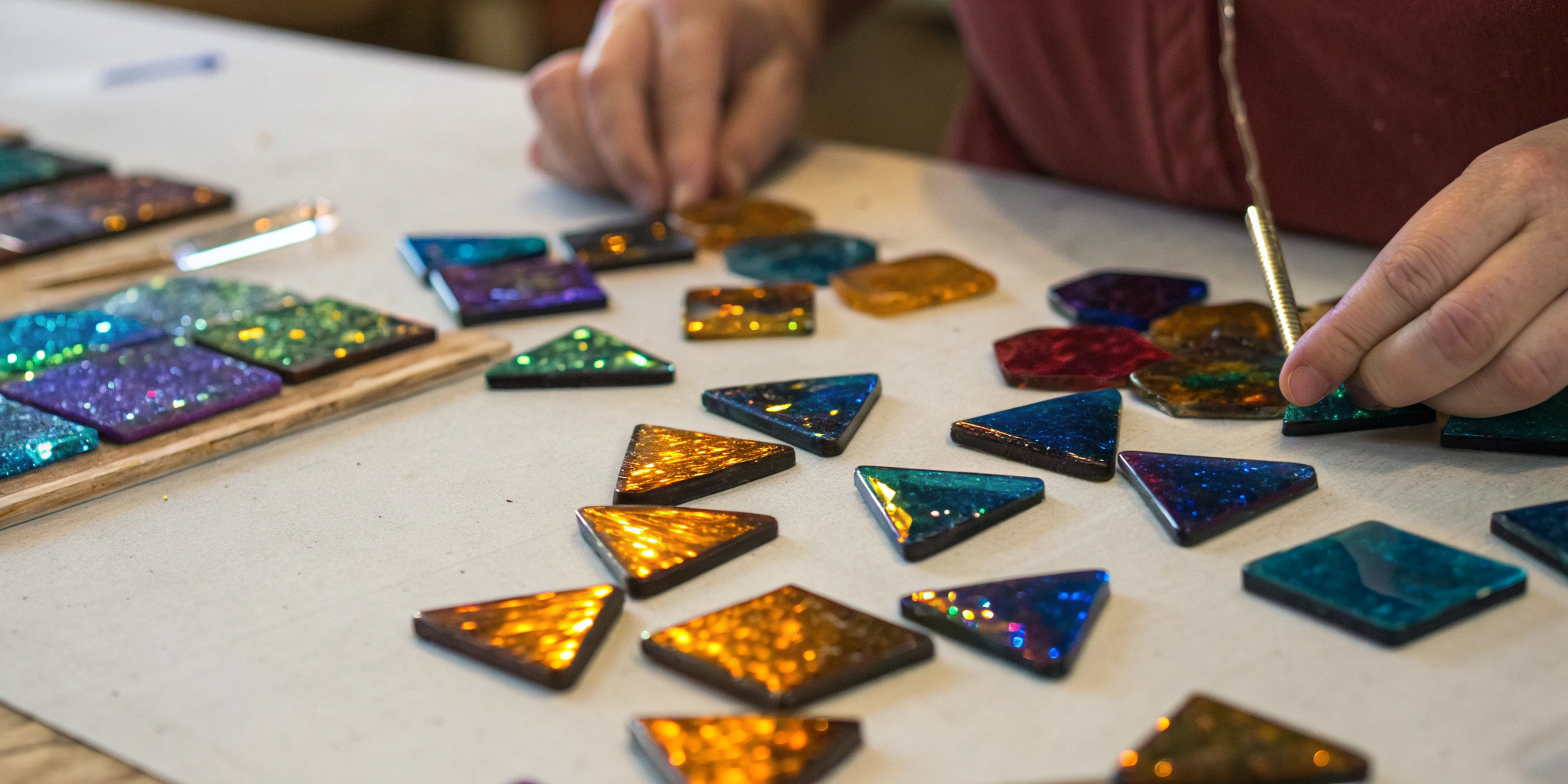
There’s nothing quite like opening a new sheet of dichroic glass. That vibrant, chameleon-like shimmer holds so much creative promise for your next piece of art. But before you get to the fun part, you have to find the perfect materials. When you buy online, you have a world of colorful glass at your fingertips, but the options can feel overwhelming. How do you choose between sheets and frit? What about matching your COE? This guide will help you make sense of it all, ensuring the glass you select is the perfect starting point for your next masterpiece.
Key Takeaways
- Always Match Your COE: Mixing COE90 and COE96 glass is the fastest way to a cracked project, so double-check that every piece of dichroic glass you buy is compatible with your existing supplies.
- Choose Reputable Suppliers and Brands: A low price from an unknown seller isn’t a bargain if it ruins your work; stick with trusted names to guarantee consistent quality and predictable results in the kiln.
- Shop Strategically to Maximize Your Budget: Get the most value from your purchases by planning ahead to buy in bulk, watching for sales, and consolidating orders to meet free shipping thresholds.
So, What Exactly Is Dichroic Glass?
If you’ve ever seen a piece of glass that seems to shimmer with a rainbow of metallic colors, changing as you turn it in the light, you’ve likely encountered dichroic glass. It’s a favorite among glass artists for the vibrant, otherworldly flair it adds to any project. But what exactly gives it that mesmerizing quality? Unlike standard art glass that gets its hue from minerals mixed in while it’s molten,
What Gives It That Signature Shimmer?
That incredible shimmer comes from a fascinating manufacturing process. To create it, a sheet of glass is placed inside a vacuum chamber. Inside, an electron beam vaporizes various metal oxides—like titanium, silicon, and magnesium—which then float and settle onto the glass in ultra-thin layers. This happens over and over, building up anywhere from 30 to 50 layers that are thinner than a human hair. This complex coating process creates a crystal-like structure that acts as a precise light filter. The specific combination and thickness of the metal oxides determine which colors are transmitted and which are reflected, resulting in the brilliant, shifting hues you see.
The Science of Micro-Layers
The magic really happens at a microscopic level. Think of it like this: inside a high-tech vacuum chamber, an electron beam vaporizes different metal oxides, like titanium and magnesium. These vaporized metals then settle onto the glass surface in incredibly thin, precise layers. This process is repeated dozens of times—sometimes up to 50 times—building a coating that is still thinner than a single strand of your hair. This multi-layered structure is what filters light, reflecting certain colors while letting others pass through. It’s this scientific precision that creates the dazzling, color-shifting effect that makes each piece of dichroic glass a unique work of art.
Durability and Composition
With all this talk of micro-layers, you might be wondering if dichroic glass is delicate. It’s a fair question, but the answer is a surprising no. That special metal-oxide coating doesn’t just create stunning color; it also makes the glass stronger and more resistant to scratches than uncoated glass. The total thickness of all those layers combined is only about 30 to 35 millionths of an inch, which is almost hard to imagine, yet it adds significant durability. This means you can confidently use it in your projects, from intricate jewelry to larger fused panels, without worrying about the beautiful coating wearing away. It’s a perfect blend of delicate beauty and robust strength, ready for your kiln.
The Secret Behind Its Color-Shifting Effect
What truly sets dichroic glass apart is its ability to display two different colors simultaneously—one when light reflects off its surface, and another when light passes through it. This is where the name “dichroic,” meaning “two-colored,” comes from. As you view a piece from different angles, the colors dance and change. A sheet that looks brilliant blue from one direction might shift to a fiery gold or rich purple as you tilt it. This chameleon-like effect happens because the thin metallic layers manipulate light waves. It’s similar to the iridescent shimmer you see on a soap bubble or a dragonfly’s wing. This quality is why dichroic glass is so prized; it creates a sense of depth and energy that makes every piece feel alive.
Why Glass Artists Are Obsessed with It
This stunning visual effect is exactly why artists, especially those making jewelry or fused glass art, can’t get enough of it. Even a small piece of dichroic glass can become the dazzling focal point of a pendant, a pair of earrings, or a decorative cabochon. It’s incredibly versatile and works beautifully in hot glass projects that require a kiln, but it can also be used in mosaics and other cold-working applications. Whether you’re working with COE90 or COE96 glass, you can find a dichroic option that’s compatible with your base glass, allowing you to layer it, cap it with clear glass, or use it as an accent. It’s the perfect material for adding that “wow” factor and making your work truly stand out.
The Surprising History of Dichroic Glass
While it feels like a modern invention, the concept behind dichroic glass is surprisingly ancient. The technology has taken a fascinating journey, from treasured Roman artifacts to the high-tech labs of NASA, before finally landing in our art studios. Understanding its history gives you a new appreciation for the shimmering sheet of glass waiting on your workbench. It’s not just a material; it’s the result of centuries of human curiosity and innovation. This backstory connects your creative work to a long lineage of science and art, blending the ancient world with the space age in every piece you create.
From Ancient Rome to Outer Space
The idea of color-changing glass dates all the way back to the 4th century AD. The most famous example is the Roman Lycurgus Cup, a stunning artifact that appears jade green in reflected light but glows a translucent red when lit from behind. This magical effect wasn’t achieved with vaporized metals but with microscopic gold and silver particles suspended within the glass. The modern dichroic glass we know and love has a more recent and out-of-this-world origin. It was developed by NASA in the mid-20th century as a way to create highly specialized optical filters. These coatings were used to protect astronauts’ eyes from harmful solar radiation and to calibrate sensitive equipment, proving essential for space exploration.
What’s in a Name?
The name itself offers a perfect description of the material’s core property. The word “dichroic” comes from the Greek words “di,” meaning two, and “khrōma,” meaning color. So, “dichroic” literally translates to “two-colored.” This name was chosen because the glass exhibits two distinct colors depending on the lighting conditions and your viewing angle. As we discussed, it shows one color in reflected light and a completely different one in transmitted light. This simple, descriptive name perfectly captures the essence of what makes this glass so dynamic and visually captivating for artists and scientists alike. It’s a constant reminder of the beautiful physics at play in every shimmering piece.
More Than Just Jewelry: Other Uses for Dichroic Glass
As glass artists, we often think of dichroic glass in the context of pendants, earrings, and fused art panels. But its unique ability to manipulate light has led to its use in a wide range of fields far beyond the art studio. From towering skyscrapers to advanced scientific instruments, dichroic glass plays a role in technologies and designs that shape our world. Exploring these applications can even inspire new ways to think about and use this versatile material in your own work. Its beauty is matched only by its utility, making it one of the most interesting materials available today.
Architectural Marvels
Architects and interior designers have embraced dichroic glass for its ability to transform a space with light and color. When used in windows, walls, or decorative installations, it creates a dynamic environment that changes throughout the day as the sun moves across the sky. A building’s facade can shimmer with a rainbow of colors, creating a living, breathing work of art that interacts with its surroundings. This application introduces a unique and captivating element to architectural design, turning ordinary structures into landmarks. It’s a perfect example of how a material we use for small-scale art can have a massive impact on a city’s skyline.
Scientific and Optical Innovations
The original purpose of dichroic glass—filtering light—remains one of its most important applications. In the scientific world, it’s used to create precise filters for laboratory equipment like fluorescence microscopes, allowing researchers to isolate specific wavelengths of light. You’ve also likely experienced it at the movies; the technology is used in projectors and glasses for 3D films to separate images for your left and right eyes. It’s also found in LCD projectors and stage lighting to produce pure, saturated colors. These high-tech uses all rely on the same principle that makes your fused glass pendants shimmer: the precise control of light waves.
Advanced Artistic Techniques
Bringing it back to the studio, the properties that make dichroic glass useful in science also benefit us as artists. The multi-layer coating not only creates stunning color but also adds a surprising amount of durability, making the surface more resistant to scratches than uncoated glass. This strength allows artists to experiment with techniques like etching and sandblasting to reveal the glass below. Whether you’re working with COE90 or COE96 glass, you can layer dichroic sheets, cap them with clear glass for added depth, or use frit and stringers to add intricate, shimmering details to your fused glass creations.
Where to Buy Quality Dichroic Glass Online
Shopping for dichroic glass online opens up a world of color and texture right at your fingertips. But with so many options, how do you know you’re getting high-quality, reliable glass for your projects? It comes down to knowing where to look, which brands to trust, and what warning signs to watch for. Let’s walk through how to find the best dichroic glass without the guesswork.
My Top Pick for Online Glass Suppliers
Finding a supplier you can count on is the first step to a successful project. We’ve built our entire shop around being that trusted source for artists like you. At ArtGlassSupplies.com, you’ll find a huge selection of dichroic glass, whether your studio is stocked with COE90 or you work exclusively with COE96 glass. We provide clear photos and detailed descriptions for every product, so you know exactly what you’re getting. Our goal is to make it easy for you to find beautiful, high-quality glass that will bring your creative vision to life, all shipped directly from our warehouse to your studio.
Which Dichroic Glass Brands Can You Trust?
When you’re investing in materials, quality is everything. In the world of dichroic glass, a few names consistently stand out for their superior quality and stunning effects. Brands like CBS (Coatings by Sandberg) and Bullseye Glass are industry leaders for a reason. They are known for their consistent coatings, vibrant and reliable colors, and durable surfaces that hold up beautifully in the kiln. When you choose glass from these manufacturers, you can feel confident that you’re working with a product that will perform predictably and give you the brilliant results you’re looking for. Always start by checking for these trusted names.
How to Spot a Sketchy Glass Supplier
The convenience of online shopping is amazing, but it pays to be a savvy buyer. Some online sellers aren’t as reputable as others, so it’s important to know what to look out for. Be cautious of any supplier that doesn’t provide clear, detailed information about their products, especially the COE, manufacturer, and thickness. A lack of customer reviews or testimonials is another major red flag. If the product photos are blurry or generic, or if the return policy is hard to find, it’s best to move on. A trustworthy supplier will be transparent and proud to show off their products and customer feedback.
How to Choose the Right Dichroic Glass for Your Project
Once you start exploring the world of dichroic glass, you’ll quickly see it comes in many shapes, sizes, and styles. It’s not just about picking a color you love; you also need to consider the form it takes, how it will behave in the kiln with your other glass, and the specific look you’re trying to achieve. Thinking through these key factors before you buy will save you from potential headaches and wasted materials later on. Let’s walk through the main things you need to know to select the perfect dichroic glass for your next project.
Sheets, Frit, or Powder: Which One Do You Need?
Dichroic glass is available in several forms, and each one offers unique creative possibilities. The most common form is sheets, which are perfect for cutting specific shapes, creating a solid, shimmering base, or using as a focal point in a larger piece. Then you have frit, which are small granules of crushed glass. Dichroic frit is fantastic for adding texture, creating sparkling patterns, or blending colors. Powders are even finer particles, ideal for creating delicate shading or a subtle, glittery effect. No matter the form, the stunning color comes from a special process where multiple micro-layers of metal oxides are vaporized onto the glass surface.
Considering Dichroic Film as an Alternative
While exploring your options, you might also come across something called dichroic film. Think of it as a more budget-friendly way to get that signature color-shifting effect without buying the glass itself. This adhesive film can be applied directly onto clear glass or even plastic surfaces, much like a window tint. It’s a great solution for projects that won’t be going into a kiln, such as mosaics, sculptures, or other mixed-media art where you want to add a pop of iridescent color. Its flexibility also means it can be used on curved surfaces, which opens up even more creative possibilities outside of traditional glass fusing.
However, it’s crucial to know that dichroic film is not a substitute for dichroic glass in any hot glass application. The film cannot withstand the extreme temperatures of a kiln and is purely for surface decoration on cool projects. For any piece you plan to fuse, slump, or cast, you absolutely need authentic dichroic glass. The micro-thin layers of metal oxide on real dichroic glass are designed to bond with the glass during firing, creating a permanent and durable piece of art. So, while film has its uses, for any work you’re creating in a kiln, you’ll want to stick with the real thing.
The #1 Rule of Fusing: Always Match Your COE
This is the most important rule in glass fusing: you must match your COE. COE, or the Coefficient of Expansion, measures how much glass expands and contracts when heated and cooled. If you mix glass with different COEs in a single project, it will crack in the kiln or even days later. Before buying any dichroic glass, check which COE your existing glass is and make sure you match it. Whether your studio is stocked with COE90 glass or you work with COE96 glass, it’s crucial to ensure compatibility for a successful firing.
A Quick Guide to Coatings and Thickness
The dazzling dichroic effect comes from a very thin metallic coating on the surface of the glass. This coating is delicate and can be scratched or even burn off in the kiln if not handled properly. A popular technique is to “cap” your dichroic glass with a layer of clear glass. This not only protects the delicate metallic coating from damage but also enhances the visual effects, creating a sense of depth and magnifying the shimmer. You’ll also find dichroic coatings on both black and clear base glass, each offering a different final look—black glass makes the colors pop, while clear glass offers more translucency.
A Key Rule for Fusing Dichroic Glass
If there’s one piece of advice to take away, it’s this: always, always match your COE. The Coefficient of Expansion (COE) is just a technical term for how much glass expands when it gets hot and shrinks as it cools. When you mix glass with different COEs, like a piece of COE90 glass with a piece of COE96 glass, they move at different rates inside the kiln. This creates stress, and that stress leads to cracks—sometimes right away, sometimes days later. It’s a heartbreaking lesson to learn the hard way, so save yourself the trouble and double-check that every piece of glass in your project is compatible.
The second part of this key rule involves protecting that gorgeous dichroic surface. The shimmer you love comes from an incredibly thin metallic coating that can be easily scratched or even burn off during firing. To keep it safe and make the colors pop, many artists “cap” their dichroic glass with a layer of clear glass. This simple step acts like a protective shield, preserving the delicate coating while also creating a beautiful sense of depth that magnifies the color and sparkle. It’s a small effort that makes a huge difference in the final quality of your work.
How to Avoid Common Mistakes When Buying Dichroic Glass
Shopping for dichroic glass is one of the most exciting parts of planning a new project. The sheer variety of colors, patterns, and textures can get your creative wheels turning. But with so many options available online, it’s easy to make a few common mistakes that can lead to frustration, wasted materials, and disappointing results. I’ve certainly had my share of “learning experiences” over the years!
The good news is that these pitfalls are completely avoidable once you know what to look for. It’s all about becoming a more mindful and informed shopper. Think of it as adding a few more tools to your artist toolkit—not just the ones in your studio, but the ones you use to source your materials. By paying attention to a few key details before you click “buy,” you can ensure the glass that arrives at your door is exactly what you need to bring your vision to life. Let’s walk through the most common slip-ups and how you can sidestep them like a pro.
Always, Always Double-Check COE Compatibility
This is the number one rule of glass fusing, and it’s absolutely critical. Imagine spending hours designing, cutting, and assembling a beautiful piece, only to pull it from the kiln and find it cracked. The most likely culprit? Mismatched COEs. The Coefficient of Expansion (COE) measures how much glass expands and contracts when heated and cooled. If you mix glass with different COEs, they’ll fight against each other, causing stress and breakage. Before buying any dichroic glass, check which COE your existing glass is and make sure you match it. The two most common types you’ll work with are COE90 and COE96, so always confirm you’re adding the right one to your cart.
Do a Quick Quality Check on the Manufacturer
Shopping for glass online is incredibly convenient—you get access to a massive variety of products, but it’s essential to ensure you’re buying from reputable sources. A low price from an unknown seller might be tempting, but it could mean you’re getting a product with an inconsistent coating, inaccurate COE, or other defects that will cause problems in the kiln. Stick with trusted manufacturers like CBS Dichroic Glass and reliable suppliers who stand behind their products. This guarantees that the glass you receive is high-quality, consistent, and compatible with your other supplies, saving you from costly and heartbreaking failures down the line.
Read the Fine Print: Why Size and Thickness Matter
Have you ever ordered something online and been surprised by its size when it arrived? The same can happen with glass. A photo can’t always tell you the full story, so it’s crucial to read the product specifications carefully. Pay close attention to the dimensions and thickness of the sheet. Make sure all of the glass you are purchasing is around the same width. If you end up with glass that is too thin or too thick compared to the other pieces in your project, it can cause issues with uneven heating and structural instability. A quick check of the specs ensures your project will fuse smoothly and look professionally finished.
Know What to Ask Your Supplier Before You Buy
If you’re ever unsure about a product, don’t hesitate to reach out to the supplier. Reputable sellers are passionate about glass art and are usually more than happy to help you make the right choice. You can ask about recommended firing schedules, how a specific coating reacts when capped with clear glass, or if a certain pattern is a good fit for your project. A good supplier is a valuable resource. Asking a few simple questions upfront can provide the clarity you need to purchase with confidence and avoid any unwelcome surprises when you start working with your new glass.
Take a Minute to Compare Your Options
The instant gratification of online shopping can sometimes make us rush into a purchase. When it comes to dichroic glass, it pays to slow down and explore your options. The beauty of shopping online is the incredible variety at your fingertips, so take advantage of it! Browse different patterns, compare how various coatings look on black versus clear glass, and consider how a piece will look once it’s fired. By taking your time to compare different products, you’re more likely to find that perfect, inspiring piece of glass that truly makes your project shine, rather than just settling for the first one you see.
How to Shop Smart and Get the Best Value
Getting beautiful dichroic glass for your studio is exciting, but it’s even better when you know you’re getting a great deal. Being a smart shopper isn’t about cutting corners on quality; it’s about making your budget stretch further so you can get more of the materials you love. With a little planning, you can stock your shelves with stunning glass without breaking the bank. Here are a few tried-and-true strategies I use to get the best value on my glass purchases, ensuring every dollar goes toward creating something beautiful.
Why Is Dichroic Glass So Expensive?
If you’ve ever felt a little sticker shock while shopping for dichroic glass, you’re not alone. Its price is significantly higher than standard art glass, and it all comes down to an incredibly complex and high-tech manufacturing process. To create that signature shimmer, sheets of glass are placed in a vacuum chamber where multiple micro-layers of expensive materials like quartz crystal and metal oxides are vaporized and deposited onto the surface. This isn’t a simple coating; it’s a highly controlled scientific process that requires specialized, costly equipment and a great deal of technical skill. The combination of expensive raw materials, the advanced technology needed to apply them, and the labor involved is the primary reason for its premium price. Think of it as an investment in a truly unique material that adds unparalleled value and brilliance to your work.
Want to Save? Consider Buying in Bulk
If you have a go-to style of dichroic glass you use constantly—like black or clear—consider buying it in larger quantities. Many suppliers offer volume discounts, which means the price per square inch goes down as the size of your sheet goes up. While the initial cost is higher, you save money in the long run. This is especially helpful if you’re working on a large-scale project or a series of pieces. Planning your projects ahead of time can help you identify which COE 90 glass you can purchase in bulk, turning a simple supply run into a smart investment for your studio.
Keep Your Eyes Peeled for Sales and Promos
Who doesn’t love a good sale? I always recommend signing up for email newsletters from your favorite suppliers. It’s the easiest way to get a heads-up on promotions, special offers, and new arrivals. Sales are the perfect opportunity to stock up on your essentials or to experiment with a new color or texture you’ve been eyeing. Also, keep a lookout for dichroic scrap packs. They are fantastic for jewelry makers or for adding small, shimmery accents to larger pieces. You get a wonderful variety of colors and patterns at a fraction of the cost of full sheets, making them one of the best deals in the stained glass world.
Don’t Forget to Factor in Shipping Costs
That amazing deal on a sheet of glass can lose its sparkle once you see the shipping fees at checkout. Glass is heavy and fragile, so shipping can be costly. Before you commit to a purchase, always check the supplier’s shipping policy. Many online stores offer free shipping on orders over a certain amount. I often plan my purchases and consolidate them into one larger order to meet that threshold. It’s a simple trick that can save you a significant amount of money, especially when you’re buying heavy items like casting billets or kilns. A little bit of planning goes a long way.
My Must-Have Tools for Your Glass Studio
Getting the best value extends beyond the glass itself. Investing in the right tools and supplies ensures you make the most of every beautiful sheet you buy. Having quality glass cutters, a reliable kiln, and the right molds can prevent costly mistakes and wasted materials. When buying glass, also pay attention to the sizes and thicknesses offered. Sometimes, buying a slightly larger sheet is more economical than purchasing several small squares if it means you’ll have less waste. Thinking about how each purchase fits into your overall studio practice is key to making your art budget work harder for you.
Related Articles
- Dichroic Glass in Contemporary Architecture
- A Guide to the Best COE 96 Dichroic Glass
- 1 x 1 inch Solid Color Squares 2mm Thin Glass Mixed Lot of 20 Squares COE96
- Crinklized Dichroic – ArtglassSupplies
Frequently Asked Questions
What’s the real difference between dichroic on black glass versus clear glass? Think of the base glass as the canvas for the dichroic coating. A black glass base acts like a dark, solid background that makes the reflected colors appear incredibly vibrant and opaque. On the other hand, a clear glass base allows light to pass through, creating a more translucent, layered effect where you can see both the reflected colors on the surface and the transmitted colors shining through. Your choice depends on whether you want a bold, solid shimmer or a more delicate, see-through look.
Is the dichroic coating really that fragile? How should I handle it? Yes, the metallic coating is delicate and can be scratched if you’re not careful. It’s best to handle the glass by its edges and always place a piece of paper between sheets when storing them. The best way to protect the coating during firing and in your finished piece is to “cap” it with a layer of clear glass. This not only shields the surface from scratches but also acts like a lens, magnifying the shimmer and adding a beautiful sense of depth.
Why does dichroic glass cost more than standard stained or fusing glass? The price reflects the incredibly complex, high-tech process used to create it. Dichroic glass is made in a special vacuum chamber where dozens of microscopic layers of metal oxides are vaporized and fused onto the glass surface. This precise and expensive procedure, originally developed for the aerospace industry, is what gives the glass its unique ability to shift colors. You’re paying for that advanced technology and the stunning, one-of-a-kind effect it produces.
I’m still a little fuzzy on COE. Can you explain it one more time? Of course! Think of COE as a team jersey for your glass. For a project to fuse together successfully in the kiln, all the pieces of glass need to be on the same team—either COE 90 or COE 96. This number tells you how much the glass will expand when hot and shrink when cool. If you mix teams (or COEs), the pieces will shrink at different rates, creating stress and causing your project to crack.
What’s the best way to cut dichroic glass without chipping the coating? You can use your standard glass cutter, but the trick is to always score the glass on the non-coated side. You can usually tell the difference by touch; the coated side often feels slightly slicker. By cutting on the plain glass side, you put pressure on the stronger part of the sheet, which results in a cleaner break and helps prevent any accidental flaking or chipping of the beautiful dichroic surface.