
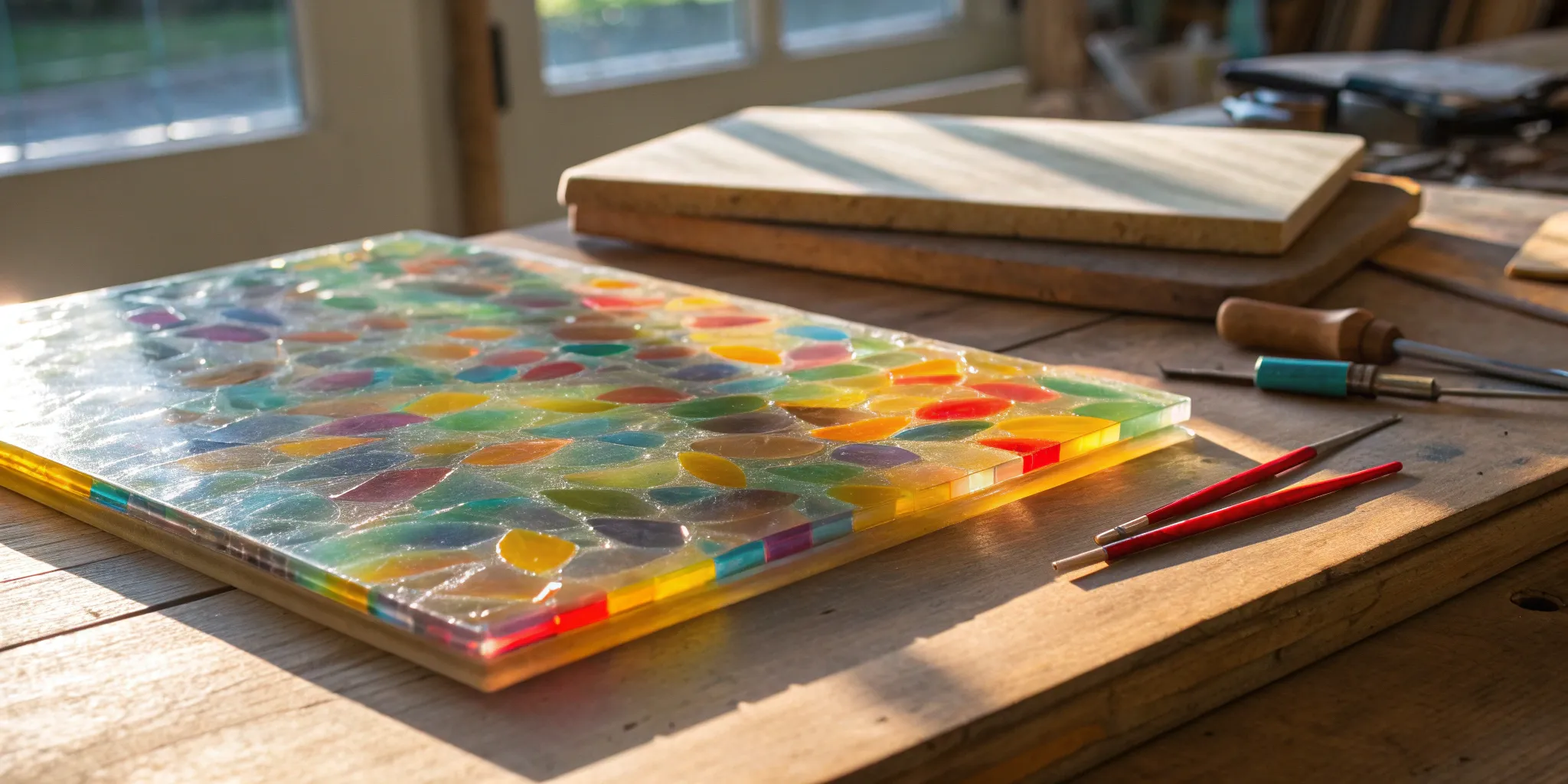
The joy of glass art is pulling a finished piece from the kiln. A sparkling pendant, a colorful bowl, a suncatcher that glows. But that moment can turn to frustration when a crack appears. The culprit? Incompatible glass. This is why understanding the coe of glass is so critical. It’s a simple rating that tells you which materials will fuse together safely. That’s the magic of COE 96 fusible glass. It’s a whole system of products—sheets, powders, stringers—all designed to melt together perfectly. This removes the guesswork, so you can focus on your design with confidence.
Key Takeaways
- Stick to One COE for Stronger Art: The most important rule in glass fusing is to never mix different COEs in a single project. Using only COE 96 glass ensures every piece expands and contracts at the same rate, preventing cracks and creating a durable, stable final piece.
- Trust Its Reliable and Vibrant Performance: COE 96 is a favorite because it delivers consistent results. Its colors stay true after firing, and its forgiving nature makes it easier to cut and fuse, giving you the creative confidence to bring your ideas to life.
- Build Confidence with the Basics: Get started on the right foot by investing in essential safety glasses and a quality glass cutter. Before tackling a big project, practice cutting on scrap glass and run a test fire to understand how the glass behaves in your specific kiln.
What is COE 96 Fusible Glass?
If you’re getting into glass fusing, you’ve probably seen the term “COE 96” pop up everywhere. So, what exactly is it? Simply put, COE 96 is a type of glass specifically made for fusing—the art of melting pieces of glass together in a kiln. The “COE 96” part is a technical label, but it’s the key to making sure your beautiful creations don’t crack or break apart as they cool. Think of it as a compatibility rating. When you stick to one COE for a project, you’re setting yourself up for success. This glass is known for being reliable and user-friendly, which is why it’s a favorite among both new artists and seasoned pros. It comes in a huge variety of colors and forms, from large sheets to tiny, crushed pieces called frit, giving you endless creative possibilities.
What Does “Coefficient of Expansion” Mean?
Let’s break down that technical term. “COE” stands for Coefficient of Expansion, which is just a fancy way of saying how much glass expands when it gets hot and shrinks when it cools down. The number “96” is the specific rate for this type of glass. Why does this matter so much? Imagine trying to fuse two types of glass that expand at different rates. As they cool, one will shrink faster than the other, creating stress that leads to cracks. By using only COE 96 glass in a single project, you ensure every piece expands and contracts in harmony, resulting in a strong, stable final piece.
The Science Behind the Number
Understanding the term “Coefficient of Expansion” (COE) is the key to successful glass fusing. In simple terms, COE measures how much a piece of glass will expand when heated and shrink as it cools. For COE 96 glass, this specific rate is carefully controlled to ensure all the different colors and forms are compatible with one another. If you were to mix glass with different COEs in a single project, they would expand and contract at different speeds inside the kiln. This creates a massive amount of stress within the glass, which is what causes those heartbreaking cracks to appear, either right away or even days later.
This compatibility is what allows you to build intricate, layered designs without worry. When you stick exclusively to COE 96 glass for a project, you guarantee that every single element, from the base sheet to the tiniest stringer or piece of frit, will move together in perfect harmony. This unified movement prevents the internal stress that leads to structural failure. Think of it as a team where every player is perfectly in sync. This harmony is what gives your finished artwork its strength and durability, ensuring it will last for years to come.
Why Is COE 96 So Popular for Fusing?
Artists love COE 96 glass for a few key reasons. First, it’s incredibly reliable. It performs consistently in the kiln, so you can predict how it will behave and get the results you want without frustrating surprises. It’s also a dream to work with—it cuts cleanly and keeps its brilliant colors even after firing. This makes it a fantastic starting point for beginners who are still learning the ropes. Plus, COE 96 is often more budget-friendly for common colors compared to other options, allowing you to experiment freely. Its versatility and dependable nature make it a true workhorse in the world of glass fusing.
When Does COE Matter (And When Does It Not?)
Here’s the golden rule: COE is absolutely critical for any project where you heat the glass, like fusing in a kiln. When you mix glass with different COEs, they expand and contract at different rates. As the piece cools, this mismatch creates immense internal stress, causing the glass to crack—a frustrating outcome known as incompatibility. Even a tiny difference of one or two points is a gamble that can ruin your hard work. On the other hand, if you’re doing “cold work” like traditional stained glass or mosaics, COE doesn’t matter. Since the pieces are joined with foil or lead came and never melted together, their expansion rates are irrelevant. You can mix and match different types of glass freely without worrying about them cracking apart later.
Why Choose COE 96 for Your Art?
When you’re stocking your studio, choosing the right glass is one of the most important decisions you’ll make. So, why do so many artists, from beginners to seasoned pros, consistently reach for COE 96? It comes down to a fantastic combination of reliability, beauty, and versatility. This glass is known for being incredibly user-friendly, delivering stunning results that help bring your creative vision to life. Whether you’re making intricate jewelry or a large decorative panel, COE 96 glass provides a dependable foundation for your work, letting you focus more on your design and less on technical issues.
Enjoy Stable, Predictable Firing Results
One of the biggest heartbreaks in glass art is pulling a piece from the kiln only to find it has cracked. This often happens when glasses with different expansion rates are fused together. COE 96 glass is celebrated for its stability and predictable behavior when heated and cooled. Because all glass labeled COE 96 expands and contracts at the same rate, your fused pieces remain strong and intact. This consistency is crucial, especially for complex projects that require multiple firings. You can confidently layer colors and elements, knowing your project will come out of the kiln just as you intended, free from stress fractures.
Keep Your Colors Bright and True
Color is the soul of glass art, and you want your finished piece to reflect the exact palette you chose. COE 96 glass is renowned for its rich, vibrant colors that stay true through the firing process. You won’t have to worry about your brilliant reds turning muddy brown or your bright blues fading into dull tones. The colors are formulated to remain stable and brilliant, so what you see in the sheet is what you get in your final artwork. This reliability allows you to plan your designs with confidence, knowing the final result will be as vivid and beautiful as you imagined.
A Forgiving Choice for Beginners
If you’re just starting your journey with glass fusing, COE 96 is an excellent choice. It’s often described as a “soft” and “forgiving” glass, which makes it much easier to work with. What does that mean for you? It’s simpler to cut, resulting in cleaner breaks and less wasted material. In the kiln, it has a wider working temperature range, which gives you a little more wiggle room in your firing schedules. This forgiving nature helps build confidence and allows you to learn the fundamentals of fusing without the steep learning curve that can come with other types of glass.
Master Multiple Fusing Techniques
COE 96 isn’t just for one type of project; it’s a versatile workhorse for a wide range of warm glass techniques. You can use it for fusing multiple layers together, slumping it over molds to create beautiful bowls and plates, or even for casting and flameworking. This adaptability means that as your skills grow and you want to explore new creative avenues, your supply of COE 96 glass can grow with you. It’s a smart investment for any studio because it opens the door to so many different artistic possibilities, from delicate jewelry to substantial sculptural pieces.
Which COE 96 Glass Brands Should You Use?
Brands We Personally Recommend
When you’re ready to start a project, choosing a reliable glass brand makes all the difference. In the world of COE 96 glass, a few names consistently stand out for their exceptional quality, vibrant colors, and predictable results in the kiln. These are the brands that artists, from beginners to seasoned professionals, trust for their work. Think of them as your go-to partners in the studio. They offer a fantastic range of sheets, frits, and stringers, giving you the creative freedom to bring any idea to life. We’ve gathered some of the top players here so you can feel confident in the materials you choose.
Oceanside Glass & Tile (System 96)
Oceanside’s System 96 glass is a favorite for a reason. It’s known for being wonderfully “soft” and forgiving, which means it’s a dream to cut. If you appreciate having a little leeway while you work, this glass is for you. The entire System 96 line is designed to be fusible, so you can mix and match different colors and textures without worrying about compatibility issues. This reliability allows you to focus on the artistic side of your project, whether you’re layering colors for depth or creating intricate patterns. It’s a solid foundation for any hot glass art.
Spectrum Glass
Spectrum is another powerhouse in the COE 96 world and a staple in many glass studios. Artists love Spectrum glass for its consistent quality and how easy it is to work with. The sheets are specifically designed for both stained glass and fusing projects, making them incredibly versatile. Because it’s a COE 96 glass, you can count on it to fuse seamlessly with other System 96 products. This predictability is key to achieving clean, professional results without any surprises from the kiln. It’s a dependable choice that lets your creativity shine.
More Brands to Put on Your Radar
Beyond Oceanside and Spectrum, you’ll find other fantastic brands that offer unique options for your art. Companies like Wissmach and Youghiogheny produce stunning COE 96 glass with rich textures and specialty effects that can add a signature touch to your work. Exploring these brands is a great way to expand your creative palette. Whether you’re looking for a specific iridescent shimmer or a unique mottled pattern, there’s a whole world of specialty glass waiting for you. Don’t hesitate to mix products from any of these trusted COE 96 brands to achieve the perfect look.
What Kinds of COE 96 Glass Can You Use?
One of the best things about working with COE 96 glass is the sheer variety of forms it comes in. You’re not just limited to simple sheets. Instead, you have a whole palette of compatible materials to play with, from fine powders to shimmering, coated surfaces. Think of it like having a full set of artist’s tools—paints, pencils, and pastels—that all work together perfectly. This compatibility is key, as it means you can layer, combine, and create complex designs without worrying about your final piece cracking in the kiln.
Every type of COE 96 glass is designed to melt and fuse together seamlessly. This allows you to build depth, add intricate details, and achieve stunning visual effects. Whether you’re creating a base with a solid sheet, adding texture with frit, drawing lines with stringers, or adding a pop of sparkle with dichroic glass, you can trust that all the pieces will bond into a single, stable work of art. This system of compatible products opens up a world of creative possibilities, letting you focus on your design instead of the technical chemistry.
Glass Sheets: The Canvas for Your Art
Glass sheets are the canvas for your fused glass art. They serve as the base for most projects, whether you’re making a small pendant or a large decorative plate. These sheets come in a huge range of colors, from solid opaques to brilliant transparents, and various textures. You can find everything from perfectly smooth surfaces to gently rippled patterns that add movement to your work. As a family of fusible products, brands like Oceanside ensure their System 96 glass sheets are designed to work together “both technically and artistically.” You can cut them into shapes, layer them for depth, or use them as a solid foundation for more detailed elements.
Frit: Your Go-To for Texture and Detail
If glass sheets are your canvas, then frit is your paint. Frit is simply crushed glass, sorted into different sizes, from fine powder to coarse chunks. It’s an incredibly versatile material for adding color, shading, and texture to your work. You can sprinkle it on to create a speckled, watercolor-like effect, or pile it up to create a thick, textured surface. You can even find unique forms like frit balls, which are tiny glass beads that melt into perfect little dots. Frit allows you to move beyond simple shapes and add a more organic, painterly quality to your fused glass pieces.
Stringers and Rods: Creating Lines with Precision
When you need to add fine lines or precise details, stringers and rods are your go-to tools. Stringers are thin, “spaghetti-like” strands of glass, while rods are slightly thicker. Both are perfect for “drawing” on your glass canvas. You can use them to outline shapes, write words, create delicate patterns like spiderwebs, or add stems to fused glass flowers. You can lay them down straight for crisp, geometric designs or gently heat them with a flame to bend them into organic curves before placing them on your base glass. They give you a level of control that’s hard to achieve with cut glass alone.
Dichroic and Specialty Glass: For an Iridescent Finish
For pieces that need a little extra sparkle and flair, dichroic and specialty glasses are the answer. Dichroic glass has a micro-thin layer of metallic oxides fused to its surface, which gives it a stunning, color-shifting shimmer. It’s a favorite for making eye-catching jewelry and decorative accents. You can also find other specialty options, like hi-fire iridescent glass, which has a “shiny, satin-like surface that looks good before and after heating.” These glasses add a dynamic and often surprising element to your work, catching the light and drawing the viewer’s eye. They are perfect for making your art truly stand out.
COE 96 vs. COE 90: What’s the Difference?
When you’re starting out in glass fusing, the numbers “90” and “96” come up a lot. These figures refer to the glass’s Coefficient of Expansion (COE), and understanding the distinction is crucial for your success. While both COE 96 glass and COE 90 glass are fantastic for creating fused art, they behave differently in the kiln and can’t be used together. The choice between them often comes down to the specific colors you want, your firing preferences, and even how the glass feels when you cut it. Let’s break down the key differences so you can choose the right glass for your projects.
Key Manufacturers and Color Palettes
The two main COE families are championed by different manufacturers, each with its own artistic philosophy. The world of COE 96 is dominated by the System 96 line, produced by Oceanside Glass & Tile. This system is designed for complete compatibility, offering a broad and reliable palette that works together seamlessly. On the other side, you have COE 90, which is primarily associated with Bullseye Glass. Bullseye is renowned for its extensive and sophisticated color palette, often featuring more subtle, nuanced tones and unique reactive glasses that create special effects when fired. Your choice might come down to whether you prefer the straightforward, comprehensive system of COE 96 or the curated, artistic range of COE 90.
Physical and Commercial Differences
Beyond the science, the real differences you’ll notice in the studio are in how the glass looks, feels, and fits into your budget. These practical distinctions often guide an artist’s preference for one COE over the other. From the way a cutter scores the surface to the price per sheet, these factors play a significant role in your day-to-day creative process. Understanding them will help you stock your studio with materials that not only work for your kiln but also for your hands and your wallet.
Surface Texture
One of the first things you might notice is how the glass feels to work with. COE 96 is often described as being wonderfully “soft” and forgiving under the cutter, making it a dream to score and break. This quality makes it especially welcoming for beginners who are still mastering their cutting technique. COE 90 glass, particularly from Bullseye, often has a very smooth, glossy side and a slightly more textured “back” side from the manufacturing process. Neither is better than the other; it’s simply a characteristic that artists learn to work with, sometimes even using the different textures to their creative advantage.
Cost and How It’s Sold
Your budget is always a consideration, and there’s a noticeable difference here. Generally, COE 96 glass is more budget-friendly, especially for standard, high-volume colors. This affordability makes it an excellent choice for artists who are learning, teaching classes, or working on large-scale projects where material costs can add up quickly. While COE 90 has plenty of affordable options, its specialty colors and unique reactive glasses can be more of an investment. Think of COE 96 as a reliable workhorse for any project, while COE 90 offers a palette of premium options for when you need that one-of-a-kind effect.
The Golden Rule: Never Mix COEs
This is the most important rule in glass fusing: never mix glass with different COEs in the same project. Think of COE as the rate at which glass expands when heated and shrinks when cooled. Because COE 90 glass and COE 96 glass expand and contract at different rates, combining them creates immense internal stress. This incompatibility will almost certainly cause your beautiful piece to crack, either during the cooling process in the kiln or even weeks later. To avoid this heartbreaking outcome, always keep your COE 90 and COE 96 glass scraps and sheets completely separate in your studio.
Understanding the Risks and Nuances
So, what actually happens when you mix COEs? Imagine two different materials glued together. As they cool, one shrinks much faster than the other, creating tension until something has to give—and in glass, that means a crack. This is exactly what happens with incompatible glass. The Coefficient of Expansion (COE) is simply a measure of this movement. When you use only COE 96 glass, every single piece in your project expands and contracts in perfect harmony. But introduce a piece of COE 90, and you create a point of stress that will likely fracture your artwork. This isn’t just a minor imperfection; it’s a fundamental flaw that can ruin hours of your hard work. Sticking to a single COE is the best way to ensure your finished pieces are strong, stable, and beautiful.
How Firing Temperatures Differ
COE 96 is often called a “softer” glass, which means it melts at a slightly lower temperature than COE 90. This has a direct impact on how you fire your projects. Generally, COE 96 requires less heat and slightly shorter firing schedules to achieve the same fusing results, whether you’re tack fusing, contour fusing, or going for a full fuse. If you work with both types of glass, you’ll need to use different firing programs for each. Always start with the manufacturer’s recommended firing schedule, but be prepared to test and adjust for your specific kilns to get the perfect finish.
Firing Different COEs in the Same Kiln
So, can you fire projects made with different COEs in the same kiln at the same time? It’s a great question, but the answer is a firm no. While you can definitely use the same physical kiln for both COE 90 and COE 96 pieces, they need their own separate firings. Each type of glass requires a specific firing schedule to fuse correctly, and their temperature needs are just too different to combine. Firing them together would mean one project would be under-fused while the other might melt into a puddle. To ensure success, always run separate kiln loads for each COE, programming your kiln with the right schedule for the glass inside.
Which One Is Easier to Work With?
Many artists, especially those new to the craft, find that COE 96 glass is a bit smoother and easier to cut than COE 90. This can make the process of scoring and breaking the glass feel more predictable and less intimidating when you’re just starting out. However, this is largely a matter of personal preference. Countless artists work exclusively with COE 90 and love the results. The best choice for you might depend on what you’re making. For instance, the extensive and unique color palette available in COE 90 might be the perfect fit for your design, making it well worth mastering its cutting characteristics.
## Other Common Glass Types and Their COEs
While COE 90 and 96 are the stars of the fusing world, you’ll likely come across other types of glass in your artistic journey. Understanding their properties and, most importantly, their COEs will save you from potential disasters in the kiln. Each type of glass is formulated for a specific purpose, from withstanding extreme temperature changes to melting easily in a torch flame. Knowing the difference is key to choosing the right material for your project and ensuring you never accidentally mix incompatible glasses. This knowledge not only protects your artwork but also helps you appreciate why fusible glass is so special. Let’s look at a few other common glass types you might encounter so you can keep your studio organized and your projects crack-free.
Borosilicate Glass (COE 33)
You’ve probably used borosilicate glass without even realizing it—it’s the tough stuff used to make Pyrex cookware and scientific lab equipment. With a very low COE of around 33, this glass is incredibly resistant to thermal shock, meaning it can handle rapid temperature changes without cracking. This durability makes it a favorite among flameworkers who use torches to create intricate sculptures, pipes, and beads. However, its low expansion rate means it is completely incompatible with the fusible glass we use in the kiln. Trying to fuse borosilicate with COE 90 or 96 glass would be a recipe for disaster, as the immense stress between the two would cause the piece to shatter.
Effetre or Moretti Glass (COE 104)
On the opposite end of the spectrum is Effetre glass, also known as Moretti, which has a high COE of 104. This glass is incredibly popular in the world of lampworking and bead making. Because of its high COE, it’s considered a very “soft” glass, meaning it melts at a lower temperature and is easy to manipulate in the flame of a torch. Artists love it for its vast and brilliant color palette, which allows for the creation of stunningly detailed beads and small sculptures. Just like borosilicate, its unique COE means it cannot be mixed with other types of glass. Keep your COE 104 rods separate from your COE 96 fusing supplies to avoid any kiln catastrophes.
Incompatible Glass: Window and Bottle Glass
It’s a tempting thought for any artist on a budget: can I just melt down this old wine bottle or piece of window glass? The short answer is no, at least not with your fusible art glass. Common window and bottle glass have a COE that typically ranges from 84 to 87, making them completely incompatible with both COE 90 and 96. Fusing them together would create a weak, stressed piece that is guaranteed to crack. Beyond the COE mismatch, this type of glass isn’t formulated for artistic applications. It can contain impurities that lead to discoloration, bubbles, and other unwanted effects when fired in a kiln, so it’s best to stick with glass that’s specifically designed for fusing.
What Can You Make with COE 96 Glass?
Now for the fun part! Once you get the hang of working with COE 96 glass, a whole world of creative projects opens up. Because it’s so reliable and easy to use, it’s the perfect medium for everything from wearable art to home decor. If you’re looking for some inspiration to get your kiln fired up, here are a few ideas to get you started.
Design Your Own Jewelry and Pendants
If you love making wearable art, COE 96 glass is an amazing choice for crafting beautiful jewelry and pendants. Its stability makes it ideal for detailed and intricate designs, so you can experiment with all sorts of shapes and color combinations without worry. The glass cuts cleanly and fuses predictably, which means your finished pieces will be as durable as they are stunning. Whether you’re layering colors or adding dichroic accents for a bit of sparkle, you can trust that your design will hold its form and look fantastic.
Create Unique Bowls and Plates
Ready to make functional pieces that double as art? COE 96 is a favorite among artists for creating one-of-a-kind bowls, plates, and platters. Its versatility allows you to shape your glass into beautiful, practical items for your home. You can achieve incredible depth and vibrancy, as the colors stay bright and true even after firing. By slumping your fused glass designs over different molds, you can create everything from shallow trinket dishes to large, decorative centerpiece bowls. It’s a wonderful way to bring your artistic vision to the dinner table.
Crafting Suncatchers and Small Panels
There’s something magical about the way glass plays with light, and COE 96 is perfect for crafting suncatchers and small decorative panels. Its predictable firing behavior lets you confidently layer different colors and textures to create pieces that truly glow. You can design a simple, elegant suncatcher to hang in a window or tackle a more complex panel to display as a standalone piece of art. Because COE 96 is so dependable, you can focus on your creativity and design, knowing your project will come out of the kiln looking just as you imagined.
Where to Buy Your COE 96 Glass
Once you’re ready to start a project, the next step is stocking your studio. Finding a reliable source for your glass is just as important as picking the right colors. You need a supplier you can trust for quality, selection, and service. Whether you prefer to shop in person or online, knowing what to look for will help you get the best materials for your art. Let’s walk through your options and what you need to know before you buy.
Buying Online vs. Your Local Shop
There’s something special about walking into a local glass shop, seeing the light catch the sheets, and getting advice from the person behind the counter. If you have a great local store, it can be an amazing resource. However, for variety and convenience, it’s hard to beat shopping online. Online retailers typically offer a much larger inventory, giving you access to a full spectrum of colors, textures, and specialty COE 96 glass that a small shop might not carry. You can browse anytime, compare prices easily, and have everything delivered right to your door, which is a huge time-saver.
How to Check for Glass Quality
The key to successful fusing is compatibility, and that starts with quality glass. Reputable brands test their glass to ensure it all works together, so you can fuse with confidence. When you’re buying, stick with trusted names like Oceanside (System 96) and Wissmach. A good supplier will clearly label their glass with the correct COE. This is non-negotiable because mixing different COEs, like COE 96 and COE 90 glass, will cause your finished piece to crack from stress as it cools. By purchasing from a knowledgeable retailer, you can be sure you’re getting authentic, properly tested glass that will give you stable and predictable results in the kiln.
Tips for Getting Your Glass Shipped Safely
I know what you’re thinking: “Shipping glass? Isn’t that risky?” It’s a valid concern, but experienced online suppliers have packing and shipping fragile materials down to a science. They use professional-grade packing materials and techniques to make sure your order arrives safely. Before you place an order, check the store’s shipping policy and what to do in the rare event of a breakage. Most reputable companies have excellent customer service and will resolve any issues quickly. The convenience of having a curated box of beautiful stained glass sheets and supplies arrive at your studio is often well worth the shipping cost.
How to Save on Your COE 96 Glass Supply
Building your glass collection is one of the most exciting parts of being an artist, but it doesn’t have to break the bank. With a little planning, you can stock your studio with beautiful, high-quality glass without overspending. A few smart shopping habits can make a big difference in your budget, leaving you with more to invest in your craft. Here are a few practical ways to get the most value out of your supply runs.
Buying in Bulk for Better Value
One of the easiest ways to save money is to buy your glass in bulk. While it requires a larger upfront investment, the cost per sheet is almost always lower. Plus, you’ll have a well-stocked inventory ready for your next project idea. Think about how you can optimize your order for shipping, too. For example, if you’re buying 12×12 inch sheets of COE 96 glass, it’s often more economical to purchase at least 10 pieces at a time, as they can be packed more efficiently. Planning your projects ahead of time helps you anticipate what you’ll need so you can place a larger, more cost-effective order instead of several small ones.
Keep an Eye Out for Sales and Promotions
Keep an eye out for sales and special promotions—it’s a fantastic way to stock up on essentials or finally grab that specialty glass you’ve been eyeing. Be sure to subscribe to newsletters from your favorite suppliers so you’re the first to know about discounts. Sales are the perfect opportunity to purchase those pricier colors, like rich ruby reds or vibrant aventurine opals, that you might otherwise hesitate to buy. It’s also a good idea to check back for restocks on popular items, as new inventory might be introduced with a promotional offer.
Don’t Forget About Loyalty Programs
If you frequently purchase from the same supplier, see if they offer a loyalty or rewards program. These programs are designed to thank repeat customers with points, discounts, or exclusive access to new products. It’s a simple way to get more value from the supplies you’re already buying. Over time, these small rewards can add up to significant savings, allowing you to stretch your budget further. Being a loyal customer can have its perks, so it’s always worth asking what programs are available to you.
Ready to Start? A Few Tips for Beginners
Jumping into a new creative hobby like glass fusing is exciting, but it can also feel like there’s a lot to learn. Don’t worry—we’ve all been there! The key is to start with a solid foundation. By focusing on a few key areas, you can build your confidence and start creating beautiful pieces you’ll be proud of. Think of these tips as your friendly guide to getting started on the right foot. We’ll walk through the essential tools you’ll need, the basics of handling glass, what to know about firing your kiln, and how to set up a workspace that sets you up for success. Ready? Let’s get to it.
Your Essential Tools and Safety Gear
Before you make your first cut, let’s talk about gear. Having the right tools not only makes the process smoother but also keeps you safe. First and foremost, always wear safety glasses—non-negotiable! You’ll also want a quality glass cutter and a pair of running pliers to help you make clean breaks. A simple ruler or straightedge will ensure your cuts are precise. As you build your designs, a little bit of fusing glue can help hold small pieces in place before they go into the kiln. You don’t need a studio full of equipment to start; these basic fusing supplies will get you well on your way.
A Primer on Cutting and Handling Glass
One of the best things about working with COE 96 glass is how user-friendly it is. Many artists describe it as “soft” and “forgiving,” which is exactly what you want when you’re learning. It’s easy to cut, giving you more room for practice without the frustration. To get comfortable, start by scoring and breaking scrap pieces of glass. Get a feel for the right amount of pressure to apply with your cutter—you’re aiming for a gentle, consistent “zip” sound. Don’t be discouraged if your first few cuts aren’t perfect. Every glass artist has a bucket of scraps from their learning days. Embrace the process, and you’ll be cutting curves and shapes in no time.
Understanding Your Kiln Firing Schedule
The kiln is where the magic happens, but it can also be the most intimidating part for beginners. A firing schedule is simply the recipe of time and temperature your kiln follows to melt the glass perfectly. The great news is that COE 96 glass is known for its consistent and predictable performance in the kiln, which helps you get successful results right from the start. Many modern kilns come with pre-set programs for fusing. If yours doesn’t, the glass manufacturer will provide recommended schedules. Keep a simple notebook to log your schedules and results. This will become your personal fusing bible, helping you repeat what works and learn from any surprises.
Key Fusing Temperature Ranges
Think of fusing as having different levels of “meltiness.” You can control how much the glass softens and blends by adjusting the top temperature in your kiln. For a “tack fuse,” where you just want to stick pieces together with some texture remaining, you’ll heat to a lower temperature. For a “full fuse,” where you want the glass to melt into a single, smooth piece, you’ll go hotter. Because COE 96 is a “softer” glass, it melts at slightly lower temperatures than COE 90. This means you’ll generally use less heat and shorter firing schedules. Every kiln is a little different, so always start with the manufacturer’s recommended schedule and run a test fire to see how the glass behaves.
The Importance of a Proper Annealing Cycle
After your glass reaches its top temperature, it can’t just cool down quickly. It needs to go through a process called annealing, which is a slow, controlled cooling period. This step is absolutely crucial because it relieves the internal stress that builds up as the glass shrinks. The annealing process is what makes your final piece strong and durable. Because all COE 96 glass expands and contracts at the same rate, a proper annealing cycle ensures every part of your project cools down in harmony, preventing those heartbreaking cracks that can appear hours or even days after firing. The thicker your glass project, the longer it will need to anneal, so always follow a trusted schedule.
Set Up Your Workspace for Success
Creating a dedicated space for your glass art will make your creative time much more enjoyable and productive. It doesn’t have to be huge, but it should be well-lit and easy to clean. A sturdy table at a comfortable height is a must. As you work, keep your area tidy to prevent tiny glass slivers from scratching your project or ending up where they shouldn’t. Most importantly, keep your glass organized. This brings us to the golden rule of glass fusing: never mix glass with different COEs. Fusing a piece of COE 90 glass with your COE 96 project will cause it to crack from stress. Label your glass storage clearly to avoid any heartbreaking kiln mishaps.
How to Test Unknown Glass for Compatibility
We’ve all been there: you have a bin of beautiful glass scraps, but a few pieces have lost their labels. Is it COE 96? Is it COE 90? It’s tempting to just go for it, but mixing COEs is the fastest way to a cracked project. That mystery piece might look perfect for your design, but if it’s not compatible, it will create stress as the glass cools, leading to a heartbreaking break. Before you risk your entire piece, there’s a simple and reliable way to find out exactly what you’re working with.
The easiest way to check for compatibility is with a set of test cards or polarizing filters. The process is straightforward. You’ll create a small “sandwich” by placing a chip of your mystery glass between two small pieces of a known glass, like a clear piece of COE 96 glass. Then, you hold this little stack up to a light source and look at it through a second polarizing filter. What you’re looking for is a stress line, which shows up as a halo of light around the edge of your mystery glass.
Interpreting the results is simple. If you see a distinct halo of light around your mystery scrap, the glasses are not compatible. That halo is the visual evidence of stress between the two different COEs. If you don’t see a halo and the edges look dark and clean, congratulations—your mystery glass is compatible with the test glass! This quick test takes just a minute but can save you the time, materials, and frustration of a failed project. It’s a must-know skill for any artist who loves to make the most of their scrap pile.
Frequently Asked Questions
Can I use glass from different brands in the same COE 96 project? Yes, absolutely! As long as every piece of glass is specifically labeled COE 96, you can confidently mix and match products from different manufacturers like Oceanside, Wissmach, and Spectrum. The entire System 96 family of products is designed to be compatible, so they will all expand and contract at the same rate, ensuring your finished piece is strong and stable.
I’m a complete beginner. Is COE 96 really the best choice for me? It’s an excellent place to start. Many artists find COE 96 glass to be more forgiving than other types. It tends to cut more smoothly and has a slightly wider working temperature range in the kiln. This gives you a little more room for error as you’re learning the fundamentals, which helps build confidence and leads to more successful early projects.
What’s the best way to keep my COE 96 and COE 90 glass separate in my studio? The most effective strategy is strict physical separation. Use clearly labeled shelves, bins, or even different work tables for each COE. A great habit to get into is using a permanent marker to write “96” on the corner of every sheet and larger scrap piece as soon as you get it. This simple step can save you from the future heartbreak of a cracked project.
You mentioned different firing results. What’s the difference between a “full fuse” and a “tack fuse”? Think of it in terms of texture and dimension. A “full fuse” occurs at a higher temperature, causing the layers of glass to melt completely into one smooth, flat surface. A “tack fuse” uses a lower temperature, which is just hot enough to stick the glass pieces together securely. This method preserves the individual shapes and edges of your glass, creating a final piece with more texture and depth.
Why is some COE 96 glass so much more expensive than other colors? The price difference almost always comes down to the raw materials used to create the color. Certain brilliant colors, like rich reds, pinks, and oranges, require expensive elements like gold in their chemical formula to stay vibrant after firing. Similarly, specialty glasses like dichroic have an added manufacturing step where metallic oxides are applied, which also increases their cost.