
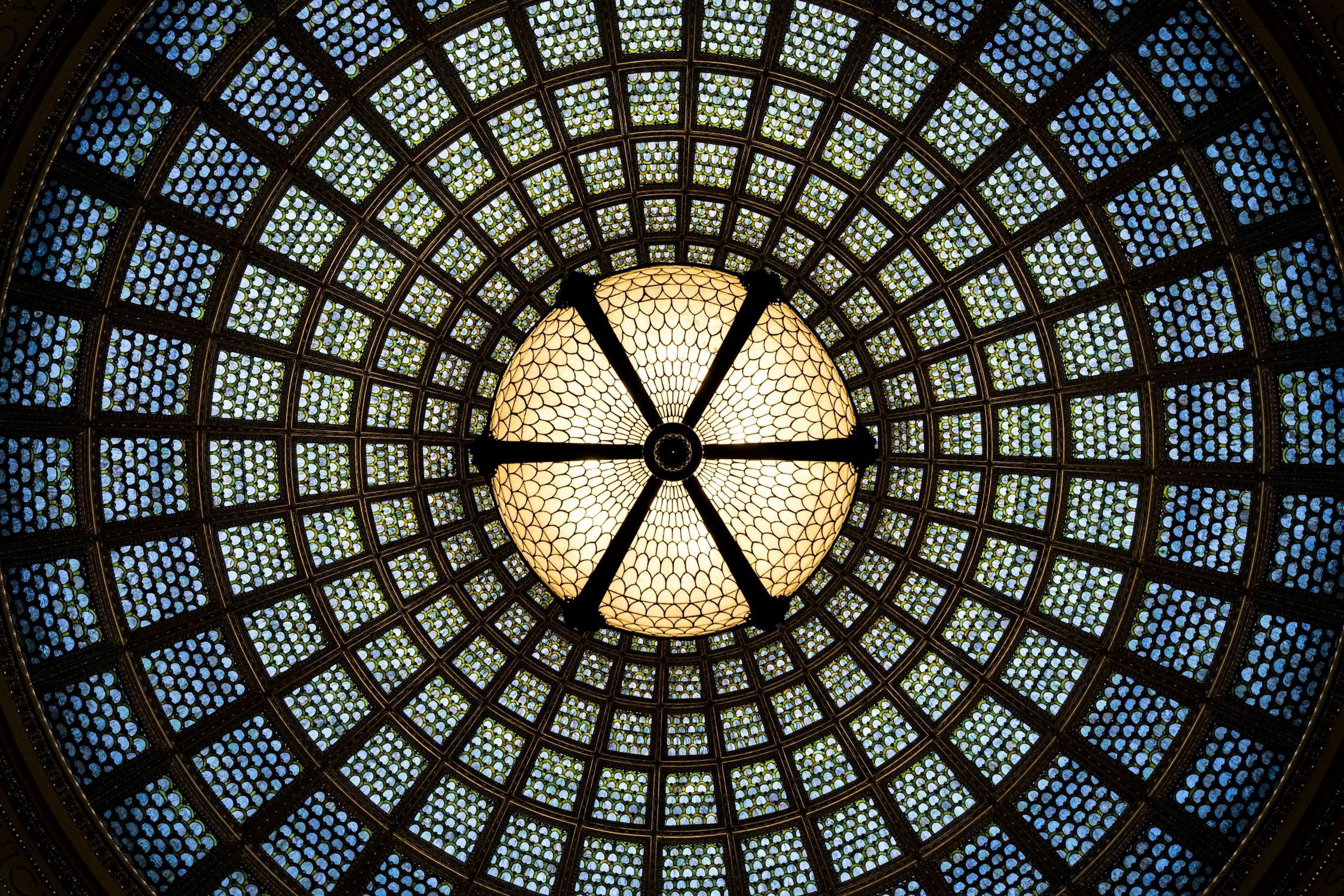
Every great piece of art starts with a spark of inspiration. For glass artists, that spark is often found in the material itself—its ability to capture light, its endless color possibilities, and its transformative nature. Fused glass circles have become a powerful medium for personal expression, allowing creators to tell stories and explore complex ideas within a simple, elegant form. This exploration is not just about what you create, but how you create it. Understanding the full spectrum of what’s possible, from subtle innovations coating fusing techniques dichroic glass art large-scale installations, can fuel your next creative breakthrough. Let’s look at where today’s leading artists are finding their inspiration and how they’re turning those ideas into stunning circular masterpieces.
The art world is experiencing a captivating renaissance as fused glass circles take center stage in contemporary design. This ancient craft has found new life in modern spaces, where artists blend time-honored techniques with bold, innovative approaches. Ready to dive into the mesmerizing world of fused glass circles? Here’s what you’ll discover:
- The intricate process behind creating stunning glass fusion art
- 2024’s most inspiring color trends and design possibilities
- How maximalism embraces these striking circular pieces
- Sustainable practices reshaping the glass art landscape
- Cutting-edge techniques transforming traditional craftsmanship
From statement wall pieces to delicate installations, fused glass circles are redefining artistic expression. A perfect example of this innovation is seen in the use of dichroic coating which adds a unique color shift effect to the glass. Let’s explore how these luminous creations are capturing the imagination of artists and art enthusiasts alike.
What is Fused Glass Art?
Fused glass artistry is a technique that involves heating multiple pieces of glass until they fuse together to create a single, beautiful form. This method has been used for thousands of years, dating back to ancient Egypt around 2000 BCE.
How Does Glass Fusion Work?
Here are some key aspects of the art of glass fusion:
- Heat Transformation: Glass pieces are heated between 1,100°F and 1,500°F
- Multiple Firings: Artists can create depth through successive firing cycles
- Texture Creation: Different temperature ranges produce varied effects from full fusion to subtle textures
How to Create Fused Glass Circles
To create fused glass circles, artists need specific materials and follow methodical preparation: 1. Base Materials Artists use the following base materials:
- Compatible glass (matching COE – Coefficient of Expansion)
- Specialty tools for cutting and shaping
- Glass powders and frits for added texture and color
- Non-fusible glass like the Wissmach Hydrangea Smooth for unique design elements
2. Essential StepsThe essential steps in creating fused glass circles include:
- Careful glass cutting into circular shapes
- Strategic layering of colors and patterns using various types of glass such as Bullseye’s light celery lime green mottle mix
- Precise kiln programming for desired effects
Balancing Technique with Artistic Vision
The process of creating fused glass art requires both technical skill and artistic intuition. Artists must have a deep understanding of how different glasses interact with each other, taking into account factors such as:
- Color reactions at various temperatures
- Bubble formation and prevention
- Strategic placement for pattern development
Modern Fusing Techniques and Innovations
Modern kilnforming techniques have introduced digital temperature controls and specialized molds, which enable artists to achieve consistent results while also pushing the boundaries of their creativity. By combining ancient methods with contemporary technology, new opportunities have emerged in the world of circular glass design. This fusion of old and new has led to the creation of various types of glass artworks, ranging from delicate jewelry pieces to large-scale architectural installations. For example, using specialty Oceanside Glass Fusers’ Jungle Fog COE96 can yield stunning results in both functional and decorative pieces.
All About Dichroic Glass: A Space-Age Material
If you’ve ever been mesmerized by a piece of glass that shimmers with a rainbow of colors, you’ve likely encountered dichroic glass. This material isn’t just beautiful; it has a fascinating history that’s literally out of this world. Its unique properties make it a favorite among glass artists for everything from jewelry to statement art pieces. Understanding where it comes from and how it works can give you a new appreciation for its magic and help you incorporate it into your own fused glass projects with confidence. Let’s explore the story behind this incredible material.
From NASA to Your Studio
Believe it or not, the journey of dichroic glass began with space exploration. NASA originally developed this technology to protect sensitive instruments on spacecraft from the harsh radiation of space. The same coating was used on astronauts’ helmet visors to shield their eyes from the unfiltered glare of the sun. The process involves depositing incredibly thin layers of metal oxides onto a glass surface within a special vacuum chamber. This high-tech origin story is what gives dichroic glass its otherworldly appearance, and thankfully, this once-exclusive material has made its way from the cosmos right into our art studios for us to create with.
How Dichroic Glass Gets Its Shimmer
The captivating shimmer of dichroic glass comes from its complex, multi-layered surface. During manufacturing, the glass is coated with micro-layers of metallic oxides, such as titanium and magnesium. This process creates a surface that interacts with light in a very specific way, resulting in an iridescent effect. The glass shows two different colors at once—one when light shines through it (transmitted color) and another when light reflects off its surface (reflected color). This dual-color property is what gives “dichroic” its name, meaning “two-colored,” and it’s why your finished pieces seem to dance with light and change color as you view them from different angles.
The Science Behind the Color
The “chameleon effect” of dichroic glass is a beautiful example of thin-film physics at work. The ultra-thin metallic layers are precisely engineered to interfere with light waves. Some wavelengths of light are reflected by the surface, while others are allowed to pass straight through. The specific colors you see are determined by the exact thickness and type of the metal oxides used in the coating. This selective reflection and transmission of light is what creates the vibrant, shifting colors that make dichroic glass a truly dynamic material for any glass artist’s palette.
Working with Dichroic Glass Properties
Dichroic glass is a fantastic choice for glass fusing, especially for creating eye-catching jewelry and decorative accents. Its intense color and iridescent qualities add a level of depth and brilliance that’s hard to achieve with standard glass. When heated in a kiln, the dichroic coating bonds permanently with the glass, creating a durable and dazzling finish. Whether you’re using it as a full top layer, cutting it into small design elements, or even using dichroic frit to add sparkle, it brings a professional and captivating quality to your work that is sure to stand out.
Quality, Compatibility, and Color Shifts
When working with dichroic glass, it’s important to remember a couple of key things. First, always check for compatibility. Just like with any other fusing glass, you need to match the Coefficient of Expansion (COE) to your base glass, whether you’re using COE90 or COE96. Second, be prepared for color shifts during firing. The reflected colors of dichroic glass can change to cooler shades after being heated. For instance, a piece that appears “Blue/Gold” before firing might emerge from the kiln with a beautiful lime green shimmer. Testing small pieces first is a great way to predict your final results.
Why Fused Glass Circles Are So Captivating
The 2024 color palette for fused glass circles features a captivating combination of rich jewel tones and natural earthy greens, resulting in pieces that are both visually stunning and inspiring. This collection showcases the harmonious beauty of nature, with vibrant emeralds, deep sapphires, and lustrous amethysts blending seamlessly with soothing sage, moss, and forest green shades.
Trending Color Palettes in Glass Art
- Deep teal paired with burnished copper
- Emerald green accented with amber
- Midnight blue complemented by sage
- Royal purple enhanced with forest green
The true magic of fused glass circles lies in their ability to capture light and create depth through intricate patterns and textures. Artists employ various techniques to achieve these effects:
Creating Depth with Layers and Texture
- Bubble trapping between glass layers
- Strategic placement of glass frit
- Integration of metallic elements
- Deliberate void spaces
Texture plays a crucial role in creating visual interest. The interplay of smooth and rough surfaces adds dimension to each piece. Artists manipulate surface qualities through:
- Sandblasting specific areas
- Incorporating dichroic elements
- Adding raised patterns
- Creating controlled bubbles
The combination of these elements results in pieces that transform throughout the day as light dances across their surface. Each viewing angle unveils new details, making fused glass circles dynamic art pieces that invite viewers into an ongoing visual exploration. These artistic choices elevate simple circular forms into intricate visual narratives, where colors shift and patterns come alive depending on the observer’s perspective and lighting conditions. For instance, our clear iridescent fused glass circles or medium blue opalescent ones serve as perfect examples illustrating this concept.
Embracing Maximalism with Fused Glass
Maximalism is the bold opposite of minimalism. While minimalism focuses on simplicity and restraint, maximalism embraces the idea that more is more. This artistic philosophy encourages artists to go beyond limits and create works that are rich, vibrant, and full of life.
What Defines Maximalist Art?
Maximalist art is characterized by:
- Rich, layered compositions
- Dramatic color combinations
- Mixed patterns and textures
- Unexpected material pairings
- Bold, statement-making pieces
The maximalist movement has found its perfect medium in fused glass circles. These pieces transform spaces into vibrant galleries of personal expression, where each circle tells its own story while contributing to a larger narrative.
How Designers Style with Fused Glass Circles
Interior designers are incorporating fused glass circles as dramatic focal points in various ways:
- Statement Walls – Multiple circles arranged in dynamic clusters
- Window Installations – Light-catching compositions that create ever-changing displays
- Room Dividers – Suspended arrangements that define spaces while maintaining flow
- Ceiling Features – Overhead installations that draw the eye upward
Beyond the Studio: Fused Glass in Large-Scale Installations
While creating beautiful jewelry, plates, and decorative objects is incredibly rewarding, the principles of glass fusing can also be applied on a much grander scale. Artists are increasingly taking fused glass out of the studio and into public and private spaces, creating breathtaking installations that transform entire environments. This shift from object to experience opens up a new world of possibilities for glass artists. Large-scale projects allow you to explore how light, color, and texture interact with architecture and the people who move through it. It’s an opportunity to make a lasting impact and share your artistic vision with a wider audience in a powerful, immersive way.
Thinking about your work in this context can be inspiring. The same skills you use to cut and layer small pieces of glass can be scaled up to design a stunning feature wall for a corporate lobby, a vibrant window installation for a community center, or a unique sculptural element for a garden. It challenges you to consider not just the piece itself, but its relationship to the surrounding space and how it will be perceived from different angles and in changing light. This expansion of scale pushes creative boundaries and redefines what can be achieved with fused glass as a medium.
What is Installation Art?
At its core, installation art is a form of artwork that uses a three-dimensional space as its canvas. Instead of creating an object to be placed in a room, the artist designs an entire environment that the viewer can enter and interact with. The space itself becomes an integral part of the artwork. Think of it as stepping inside a painting or sculpture. This approach moves art off the pedestal and into the viewer’s personal space, creating a direct and often multi-sensory experience. Fused glass is a perfect medium for this, as its ability to manipulate light and color can completely alter the atmosphere of a room, turning a simple space into an engaging work of art.
Creating Immersive, Site-Specific Experiences
The goal of installation art is to create an immersive experience that pulls you in and makes you feel something. It’s designed to engage more than just your sense of sight; it can involve sound, touch, and a general feeling or mood. Because these artworks are often created for a specific location—a concept known as being “site-specific”—they are uniquely tailored to their environment. A fused glass installation in a sunny atrium will be designed differently than one in a dimly lit hallway. The artist considers the natural light, the architecture, and the purpose of the space to create a piece that feels completely integrated and intentional, offering a unique experience you can’t get anywhere else.
Fused Glass in Architecture and Public Spaces
You can see stunning examples of fused glass in modern architecture and public art projects around the world. Dichroic glass, for instance, is often used in buildings to create shimmering, rainbow-like effects on facades that change with the angle of the sun, providing both beauty and functional sun shading. Artists use durable materials like COE96 glass to construct massive wall panels, suspended ceiling features, and intricate mosaics for public plazas. By using custom molds, artists can produce consistent, interlocking components to build large, cohesive structures. These ambitious projects demonstrate how fused glass can shape our public spaces, adding color, light, and personality to the environments where we live and work.
Transforming Spaces with Fused Glass Art
The dimensional nature of fused glass circles adds depth to maximalist spaces. Their reflective surfaces capture and scatter light, creating an interplay of shadows and illumination that brings rooms to life.
Meet the Artists Redefining Glass Art
Artists are pushing boundaries by combining different glass types within single pieces:
- Iridescent with opaque glass
- Textured with smooth surfaces
- Metallic elements with transparent layers
These combinations create depth and visual interest that align perfectly with maximalism’s love of complexity and layered beauty. The circular form itself becomes a canvas for experimental techniques, where artists layer colors and textures to create pieces that command attention and spark conversation.
Advanced Techniques for Complex Designs
As artists continue to explore the potential of fused glass, they are developing sophisticated techniques to create more complex and visually stunning designs. These methods go beyond simple layering, involving a deep understanding of materials and how they interact under heat. By combining different types of glass, incorporating non-glass elements like metallic paints, and mastering the firing process, artists can produce pieces with incredible depth, texture, and luminosity. These advanced approaches require a blend of scientific precision and creative intuition, allowing for a new level of expression in circular glass art.
Combining Dichroic Glass with Other Elements
Dichroic glass is a game-changer for artists looking to add a dynamic, color-shifting quality to their work. This unique material is created by applying incredibly thin layers of metal oxides to glass in a vacuum chamber, a process originally developed for aerospace applications. The result is a glass that reflects certain colors while allowing others to pass through, creating a mesmerizing chameleon effect that changes with the viewing angle and light source. Artists often combine dichroic glass with opaque or transparent glass to create focal points, intricate patterns, or a sense of otherworldly depth within their fused glass circles.
Incorporating Metallic Paints
To add another layer of shimmer and detail, many artists incorporate heat-resistant metallic paints into their fused glass designs. These paints can be applied directly to the glass surface and then fired in a kiln, permanently fusing the metallic sheen to the piece. Artists use techniques like stippling, dry brushing, or fine-line work to create intricate patterns and textures that catch the light. One particularly effective method is layering metallic paint behind a piece of dichroic glass. This creates a brilliant sense of depth, as the metallic background illuminates the shifting colors of the dichroic layer on top, adding a rich, multi-dimensional quality to the final artwork.
The Dance of Precision and Flow
Creating complex fused glass art is a delicate balance between technical precision and artistic flow. On one hand, artists must have a solid grasp of the science behind glass fusion. This includes understanding the Coefficient of Expansion (COE) to ensure different glasses are compatible and won’t crack during cooling. Knowing how colors from different types of glass, like COE90 or COE96, will react and blend at high temperatures is also critical. On the other hand, the process requires artistic intuition—knowing just how to place elements to create a compelling pattern, prevent unwanted bubbles, and allow the glass to move and settle in beautiful, often unpredictable ways inside the kiln.
The Rise of Sustainable Glass Art
The art world is moving towards sustainable practices, which has led to a creative revolution in fused glass artistry. Artists are now using recycled materials in their glass creations, turning discarded bottles, windows, and industrial glass waste into breathtaking works of art.
Eco-Friendly Fusing Techniques
- Using crushed recycled glass as base materials
- Implementing solar-powered kilns
- Adopting water recycling systems in studios
- Sourcing local materials to reduce carbon footprint
Glass artists are leading the way with new and inventive methods for creating sustainable art. Sarah Jenkins, a well-known glass artist from Portland, creates mesmerizing fused glass circles using 100% recycled materials. Her pieces demonstrate how sustainability can enhance artistic expression rather than restrict it.
Recycled vs. New Glass: What’s the Difference?
New Glass Production: 2,000 lbs CO2 per ton Recycled Glass Usage: 500 lbs CO2 per ton Modern studios are setting up glass recycling programs in their communities. These initiatives not only provide materials for artists but also educate the public about sustainable art practices. The resulting pieces often have distinct features – subtle color variations and unique textures that tell stories of their previous lives. Artists are finding that using recycled materials opens up new avenues for creativity. The unpredictable nature of reclaimed glass adds depth and character to fused glass circles, resulting in one-of-a-kind pieces that resonate with environmentally conscious collectors. The sustainable glass art movement has sparked collaborations between artists and environmental organizations. These partnerships lead to public installations that raise awareness about waste reduction while showcasing the beauty of recycled materials in contemporary art.
Innovations in Fusing Techniques for Glass Art
Digital technology has completely changed how artists create fused glass art. By combining traditional glassmaking techniques with modern technology, this age-old craft now has exciting new possibilities.
How Digital Design Shapes Glass Art
- CAD software enables artists to visualize complex patterns
- 3D modeling helps predict how glass layers will interact
- Digital temperature controllers provide precise kiln firing schedules
Using 3D Printing for Glass Molds
The integration of 3D printing technology stands out as a game-changer. Artists like Helen Lee use 3D-printed molds to create intricate glass forms previously impossible through traditional methods. These molds allow for:
- Precise geometric patterns
- Complex layering techniques
- Consistent reproduction of designs
Pioneering New Fusing Techniques
Studio Glass Movement pioneer Steve Klein combines digital imagery with fused glass, creating photographic transfers that become part of the glass structure. His work demonstrates how technology enhances artistic expression without compromising craftsmanship. Artist Katerina Verguelis pioneered the use of reactive metallic elements in fused glass circles. Her technique involves:
- Embedding conductive materials
- Creating interactive light patterns
- Incorporating motion sensors
The Smart Glass movement brings interactivity to fused glass art. Artists experiment with:
- Thermochromic elements that change color with temperature
- LED integration within glass layers
- Sound-responsive glass installations
These innovations push the boundaries of what’s possible in fused glass art while maintaining the medium’s inherent beauty and traditional appeal. The combination of digital precision and artistic vision creates pieces that speak to both our technological present and our artisanal past.
Essential Fusing Techniques for Success
While technology opens up new creative avenues, the success of any fused glass piece still hinges on mastering a few fundamental techniques. Getting these basics right ensures your final artwork is not only beautiful but also structurally sound. Think of these principles as the foundation upon which you can build your most ambitious and innovative designs. From understanding how glass behaves under heat to knowing the best way to prepare it for the kiln, these core practices will help you avoid common pitfalls and achieve consistently professional results in your work.
Understanding the “6mm Rule”
One of the most important principles in glass fusing is the “6mm rule.” When heated to a full fuse temperature, glass naturally wants to settle at a thickness of about 6mm, or a quarter of an inch. If your project is thinner than this, it may pull inward and shrink; if it’s much thicker, it can spread out. A simple way to achieve this ideal thickness is by stacking two 3mm sheets of compatible glass. Following this guideline helps you create stable, uniform pieces that fire predictably. Whether you’re working with COE90 or COE96 glass, keeping the 6mm rule in mind is key to controlling the final shape and integrity of your fused glass circles.
Capping to Protect and Enhance Color
When you’re working with specialty glass like dichroic, capping is a non-negotiable step for a stunning result. Capping simply means placing a layer of clear glass over your colored or coated glass before firing. This technique serves two critical purposes. First, it protects the delicate metallic coating on dichroic glass from the intense heat of the kiln, preventing it from burning away. Second, the clear cap acts like a lens, magnifying and deepening the colors beneath it, which makes the signature shimmer of dichroic glass even more vibrant. This simple action adds incredible depth and a professional, glossy finish to your work, ensuring your colors look their absolute best.
Cutting and Firing Best Practices
Precision from the very beginning sets you up for a successful firing. When cutting coated glass like dichroic, always score the glass on the non-coated side. This allows for a much cleaner break and protects the delicate surface from being scratched by your cutting tool. Once your pieces are assembled, proper firing is crucial. While every project has a unique firing schedule, using high-quality molds and applying kiln wash to your shelves will prevent the glass from sticking, ensuring a smooth release after cooling. Paying attention to these small but significant details during the cutting and firing stages helps you avoid frustrating mistakes and achieve the beautiful, polished results you envision for your art.
Making It Personal: Your Story in Glass
The beauty of fused glass circles lies in their ability to capture an artist’s unique vision and personal narrative. Each handcrafted piece tells a different story, reflecting the creator’s emotions, experiences, and artistic journey.
How Artists Infuse Personality into Their Work
- Personal symbolism through color choices
- Distinctive pattern arrangements
- Unique layering techniques
- Custom texture combinations
Contemporary artists embrace fused glass circles as a medium for self-expression, creating pieces that range from minimalist designs to complex narratives. The circular format provides an infinite canvas for artistic interpretation – some artists incorporate personal mementos, while others translate their life experiences into abstract compositions. “Every piece of fused glass art carries a piece of the artist’s soul” – Sarah Martinez, Glass Artist The versatility of fused glass circles allows artists to:
- Experiment with depth and dimension
- Create visual narratives through pattern placement
- Develop signature styles through specific techniques
- Blend cultural influences with modern aesthetics
Artists like Maria Chen combine traditional Chinese motifs with contemporary fused glass techniques, while David Roberts uses circles to capture abstract interpretations of urban landscapes. These personal approaches demonstrate how fused glass circles serve as powerful vehicles for artistic identity. The medium’s adaptability encourages experimentation with:
- Surface treatments
- Light interaction
- Color combinations
- Texture variations
Each artist’s unique approach to these elements results in distinctive pieces that stand out in the contemporary art landscape. The circular format becomes a signature canvas where personal artistic languages flourish and evolve. One fascinating aspect of this medium is the use of fused glass circles not just for standalone art pieces but also for jewelry making. These glass discs can be transformed into beautiful wearable art, further expanding the scope of personal expression through this versatile medium.
Artistic Roots: Finding Inspiration for Your Work
Finding your unique artistic voice often means looking beyond your own medium for inspiration. Great ideas can come from anywhere—architecture, nature, photography, or even other historical art movements. By exploring how artists in different fields have tackled concepts like color, form, and light, you can discover fresh perspectives to bring back to your kiln. One of the most relevant sources of inspiration for modern glass artists is a movement that wasn’t focused on glass at all, but on the very essence of perception itself. This exploration can lead you to experiment with new materials and techniques, pushing your work in exciting directions.
The Influence of the “Light and Space” Movement
The “Light and Space” movement from the 1960s offers a powerful source of inspiration, as its artists focused on shaping experiences with light rather than just creating objects. They used industrial materials like Plexiglass to manipulate perception and make viewers aware of their environment. This philosophy is perfectly embodied in the use of dichroic glass. Originally developed by NASA, its scientific precision allows for incredible artistic expression. Just as the “Light and Space” artists used new technology, today’s glass artists can use dichroic coatings to create pieces that shift and change with the viewer’s perspective. This blend of science and creativity makes the art interactive, encouraging experimentation with powdered dichroics or metallic paints to produce unique visual effects.
The Future of Fused Glass Art
The combination of traditional glass artistry and modern innovation opens up new possibilities in contemporary art. Fused glass circles are a perfect example of this evolution, where ancient techniques blend with cutting-edge design. The future of this medium is filled with potential, including sustainable practices and technological integration.
Ready to Create Your Own Glass Art?
Are you ready to embark on your own journey with fused glass circles? Look no further than Art Glass Supplies, your go-to destination for all things glass art. We offer a wide range of materials, tools, and educational resources to help you bring your creative vision to life. Here are some products that you might find particularly useful:
- Bullseye glass mold: Perfect for creating unique shapes and adding dimension to your designs.
- Vintage crystal texture fusing tile: A stunning addition that can enhance the visual appeal of your work with its intricate patterns.
Join our community of artists who share a passion for shaping, melting, and transforming glass into breathtaking circular masterpieces. Sign up for our newsletter today to receive exclusive access to weekly specials, valuable fusing tips, and stay updated on the latest trends in glass artistry. Your next artistic breakthrough might just be a circle away.
FAQs (Frequently Asked Questions)
What is fused glass artistry?
Fused glass artistry involves the technique of layering pieces of glass and then heating them in a kiln until they fuse together. This method allows for the creation of intricate designs and vibrant colors, making it a popular choice in contemporary art.
How do color palettes influence fused glass circles?
In 2024, color palettes for fused glass circles are expected to feature jewel tones and earthy greens. These vibrant colors enhance the visual allure of the pieces, making them striking focal points in various settings.
What is maximalism in art and how does it relate to fused glass circles?
Maximalism is an art and design trend characterized by bold colors, intricate patterns, and an abundance of elements. Fused glass circles embody this trend by serving as eye-catching focal points that enrich interior spaces with their unique textures and designs.
How are sustainability practices integrated into fused glass art?
Sustainability trends in the art world are increasingly influencing artists who use recycled materials to create eco-friendly glass pieces. This approach not only reduces waste but also adds a distinct character to the artwork.
What innovative techniques are being used in contemporary fused glass art?
Modern techniques such as 3D printing are merging with traditional craftsmanship in fused glass art. These innovations allow artists to experiment with new forms and structures, pushing the boundaries of what can be created within this medium.
Why is personal expression important in fused glass circles?
Personal expression plays a significant role in contemporary art, including fused glass circles. Each handcrafted piece allows artists to convey their individual styles and unique interpretations, making every creation a personal statement.
Key Takeaways
- Prioritize Technical Basics for Predictable Success: Always match your glass’s COE to prevent cracking, aim for a 6mm thickness for stability, and cap dichroic glass with a clear layer to protect its delicate coating and intensify its color.
- Create Dynamic Art by Mixing Materials: Move beyond simple layering by combining different types of glass, like dichroic and opaque. Experiment with frits and metallic paints to add unique depth, texture, and visual interest to your work.
- Use the Circle as a Canvas for Your Story: Fused glass is a powerful medium for self-expression. Use your choices in color, pattern, and layering to infuse your personality and unique narrative into every piece, turning a simple shape into meaningful art.
Related Articles
- Precut Dichroic Glass Circles Candy Apple Red on Clear Glass COE96 – COE96
- Etched Dichroic Outlined Hearts Pattern on Thin Glass – COE96 Etched Dichr
- Meandering Vine Pattern COE90 Etched Dichroic Glass | Art Glass Supplies –
- Mosaic Patterns Etched Glass- Art Glass Supplies – COE90 & 96 Freestyle Et
- Etched Eye of the Beholder Pattern on Thin Glass – COE96 Etched Dichroic G