
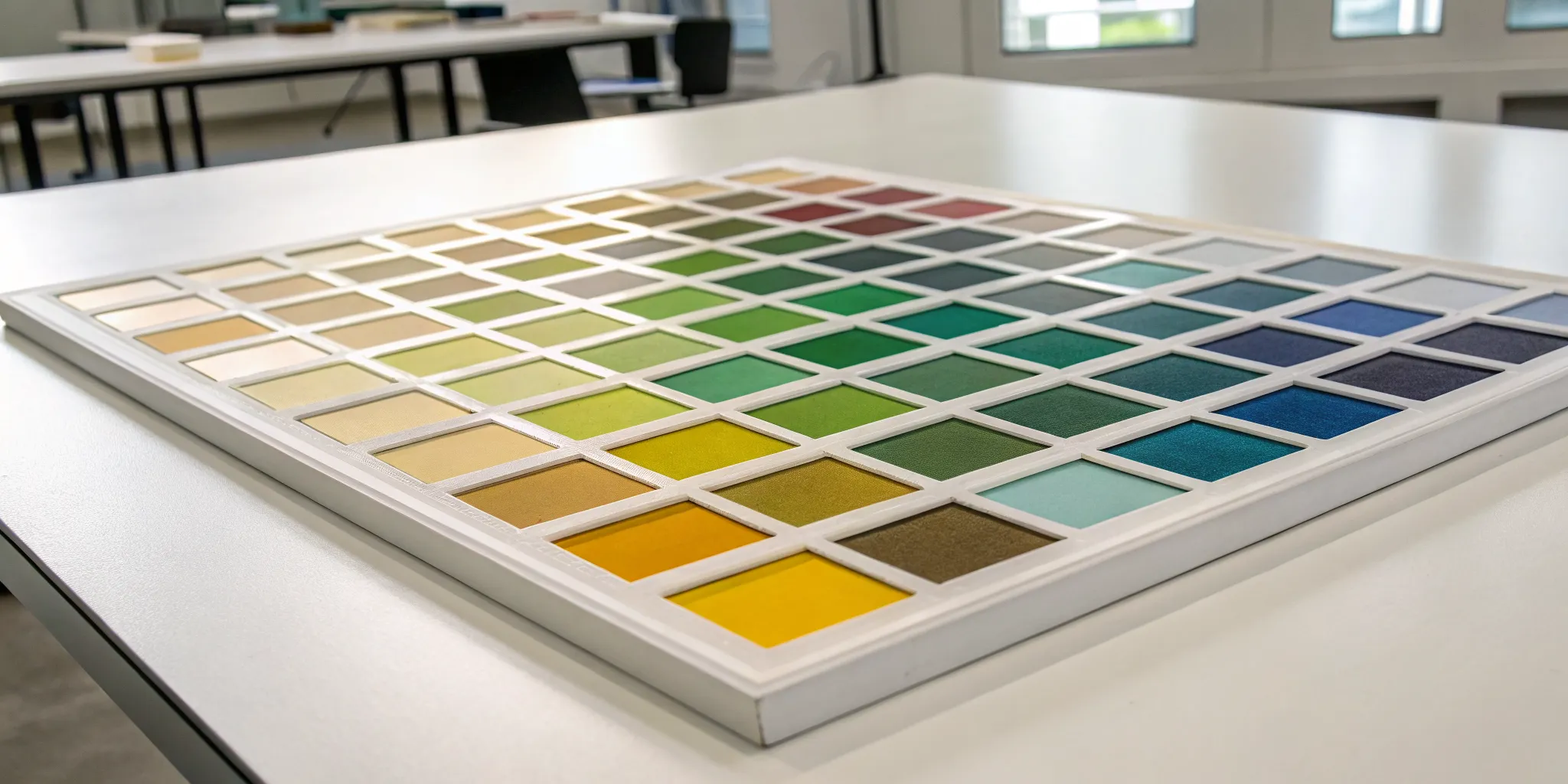
The Wissmach glass color chart is so much more than a grid of colors. It’s your blueprint for bringing a creative vision to life. Each swatch represents a specific texture, finish, and style that dramatically changes how light interacts with your work. All the Wissmach glass colors are there, but the real magic is in the details. Think of the gentle distortion from a Flemish texture or the shimmering effect of an iridescent coating. This guide will show you how to look past the basic colors and use the chart to select the perfect combination of features for your next piece.
Key Takeaways
- Find the perfect glass for any project: Explore Wissmach’s huge selection of colors, textures, and styles, from classic transparent sheets to dynamic wispy patterns, all backed by over a century of quality craftsmanship.
- Work with artist-focused materials: You can create with confidence knowing Wissmach offers consistent quality, lead-free formulas for a safer studio, and specific COE90 and COE96 options for successful fusing.
- Match the right glass to your art form: Select transparent colors for light-filled stained glass, use opaque and iridescent sheets for bold mosaics, and use the color chart to plan your palette accurately for any project.
What is the Wissmach Glass Color Chart?
When you first hear “Wissmach Glass Color Chart,” you might picture a simple grid of color swatches. But it’s so much more than that. Think of it as your guide to a massive library of artistic potential. This chart represents the full spectrum of colors, textures, and unique styles that the Paul Wissmach Glass Company has perfected over more than a century. For glass artists, understanding this range is key to bringing a vision to life. Whether you’re creating a suncatcher that glows with morning light or a detailed mosaic, the right color and texture make all the difference. Let’s explore the history behind this iconic glass and the incredible variety it offers your studio.
The Legacy of Wissmach Glass
The Paul Wissmach Glass Company has been producing high-quality sheet glass since 1904, which is pretty amazing when you think about it. For over a century, they’ve stuck to traditional techniques, focusing on creating a product that is both beautiful and durable. This long-standing commitment to quality is why so many artists trust the Wissmach name. When you choose a sheet of their glass, you’re not just getting a material; you’re getting a piece of history crafted with time-honored skill. This heritage is reflected in the consistency and richness of every single sheet, giving you a reliable foundation for your creative work.
An Overview of Wissmach Colors and Styles
This is where the fun really begins. Wissmach offers an incredible variety of glass, giving you endless creative choices. You can find everything from classic Cathedral and Opalescent styles to more dynamic options like Streaky, Mystic, and Wisspy glass. Many of these come with special coatings, like shimmering luminescent and iridescent finishes that add another layer of depth to your work. This huge selection of stained glass means you can find the perfect hue and texture for any project. The semi-transparent Wispy sheets, for example, are fantastic for transmitting light while creating unique color blends.
Popular Styles, Textures, and Colors
Beyond the rainbow of colors, Wissmach offers a fantastic range of styles that define the character of the glass. You can find everything from classic Cathedral (transparent) and Opalescent (opaque) styles to more dynamic options like Streaky, Mystic, and Wisspy glass. Many of these also come with special coatings, like shimmering luminescent and iridescent finishes that add another layer of depth to your work. The semi-transparent Wispy sheets, for example, are perfect for transmitting light while creating unique color blends that can make a piece feel alive. Exploring these different textures and finishes is a great way to add complexity and visual interest to your stained glass projects.
Common Sheet Sizes
Planning your project often starts with knowing what size materials are available. Wissmach glass is typically sold in full sheets, which are generally around 32″ x 42″. This large format is ideal for bigger projects or for artists who prefer to cut their own custom sizes, which helps minimize waste. For smaller pieces or for trying out a new color without committing to a full sheet, you can also find smaller, pre-cut sheets. Here at ArtGlassSupplies.com, we offer a variety of sizes across our entire stained glass collection. Always check the product description for the exact dimensions before you buy, so you can get exactly what you need for your next creation.
How Glass Gets Its Color
Have you ever held a piece of colored glass up to the light and wondered how it got its brilliant hue? The vibrant colors you see in stained glass aren’t just a surface coating; they’re an integral part of the glass itself. The process is a fascinating blend of chemistry and artistry, where specific minerals and metal oxides are added to molten glass. These additives fundamentally change the glass’s composition, altering how it interacts with light. Understanding this science can give you a deeper appreciation for the materials you work with and help you make more intentional choices for your projects.
The Science Behind Coloring Glass
At its core, creating colored glass is like following a recipe. The base ingredient is molten, clear glass, and the key to color is adding precise amounts of specific metal oxides or salts. When these elements are mixed in, they become suspended within the glass structure. As light passes through, these metallic particles absorb certain wavelengths of light and allow others to pass through. What we see is the light that makes it through the glass. For example, adding cobalt oxide creates a deep blue because it absorbs the red and green parts of the light spectrum, letting the blue light shine through.
Common Coloring Agents
A variety of metals are used to create the spectrum of colors available to glass artists. Each one offers unique properties and can produce different shades depending on its concentration and the base glass formula. The science of glass coloring has been refined over centuries, leading to the incredible variety we have today. Here are a few of the most common agents:
- Manganese: This versatile metal can be used in small amounts to remove the greenish tint caused by iron impurities in sand, resulting in a crystal-clear glass. In higher concentrations, it produces a lovely amethyst purple.
- Copper: Depending on the amount used, copper can create a range of colors. Copper oxides are key for producing ruby-red glass, but they can also be used to make beautiful blues and greens.
- Chromium: As one of the most powerful coloring agents, chromium can produce rich emerald greens. In larger quantities, it can create such a dark green that the glass appears almost black.
- Iron: The iron oxides naturally present in sand are what give most standard glass a slight greenish tint. Artists and manufacturers can add more iron to create deeper greens and even browns.
What Makes Wissmach Glass Unique?
With so many glass options available, you might wonder what makes Wissmach stand out. Since 1904, the Paul Wissmach Glass Company has built a reputation for producing beautiful, high-quality sheet glass using traditional methods. This long history means you get a product that is both reliable and stunning, which is a huge advantage when you’re investing time and materials into a project. For artists, this consistency is key. You can trust that the color and quality you expect will be there sheet after sheet, preventing frustrating mismatches and wasted glass. This dependability allows you to plan large-scale projects with confidence, knowing your materials will be uniform.
Beyond its reliability, Wissmach offers unique characteristics that can truly make your projects shine. From its commitment to studio safety with lead-free formulas to its famous iridescent shimmer that adds a magical glow to any piece, Wissmach glass is designed with the artist in mind. These special qualities open up new creative possibilities, allowing you to achieve effects you can’t get with other types of glass. It’s this combination of time-tested quality and artistic innovation that makes the brand a favorite in studios everywhere. Whether you’re creating a detailed stained glass panel, a vibrant fused piece, or a sparkling mosaic, you’ll find that Wissmach provides the quality and special features needed to bring your vision to life.
Studio-Safe: Lead-Free and Cadmium-Safe Glass
When you’re deep in a creative flow, the last thing you want to worry about is the safety of your materials. Wissmach gets this, which is why their COE96 Glass colors are designed with your well-being in mind. None of their current formulas contain lead, a huge plus for any studio environment. Only a few specific colors, like Orange/Red (96-40) and Dark Red (96-41), contain cadmium. If you plan to use these colors for a food-bearing surface, simply cap them with a layer of clear glass to create a safe, beautiful, and functional piece.
That Signature Iridescent Shimmer
If you’re looking to add a touch of enchantment to your work, Wissmach’s iridescent glass is the perfect choice. This special coating gives the glass a unique shimmer, creating a surface that seems to glow with colors that shift and change as you view it from different angles. It’s a fantastic option for decorative stained glass that needs an extra bit of life and movement. Just keep in mind that this beautiful iridescent coating is not fusible, so it’s best reserved for projects that don’t require melting in a kiln.
Special Coatings: Luminescent vs. Iridescent
Understanding Iridescent Coating
If you’ve ever wanted to add a magical, oil-slick shimmer to your work, Wissmach’s iridescent coating is your go-to. It creates this incredible surface that seems to glow with colors that shift and change depending on how the light hits it. This effect adds so much life and movement, making it a perfect choice for decorative stained glass projects. The key thing to remember is that this specific iridescent coating is not fusible. That just means it’s designed for construction techniques, not for melting in a kiln. So, if you’re building a panel or suncatcher, it’s a fantastic option for that extra pop.
Working with Fusible Luminescent Coating
Now, for those of you who love working with a kiln, don’t feel left out. Wissmach offers a luminescent coating that brings a different kind of magic to the table, and this one is fully fusible. This coating is compatible with their COE96 glass, allowing you to create pieces that literally glow. What’s really cool is the control you have over the final effect. Firing the glass with the coated side facing up produces a different look than firing it face down. This versatility opens up a whole new world of creative possibilities for your fused projects, letting you experiment with stunning visual effects that are sure to stand out.
Consistent Color and Quality You Can Count On
There’s a reason artists have trusted Wissmach glass for over a century. The company has been producing high-quality sheet glass since 1904, and that experience shows in every piece. They pride themselves on delivering a product that is both beautiful and durable, with consistent color you can rely on for every project. This reliability is a game-changer, whether you’re a professional artist working on a large commission or a hobbyist creating pieces for fun. When you choose Wissmach, you know you’re working with glass that will cut well, look great, and stand the test of time.
A Closer Look at Wissmach Textures and Styles
Beyond its incredible color palette, Wissmach glass is celebrated for its rich variety of textures and styles. The surface of the glass plays a huge role in how light interacts with your piece, adding depth, movement, and character that color alone can’t achieve. Whether you’re looking for crystal clarity or a dynamic, flowing pattern, there’s a Wissmach texture that will bring your vision to life. The company has been perfecting its glass-making techniques for over a century, and that dedication is evident in every sheet.
Choosing the right texture can transform a simple design into a stunning work of art. A smooth, clear texture might be perfect for a window panel where you want maximum light and an unobstructed view, while a hammered or rippled finish can create a beautiful, distorted effect that adds privacy and visual interest. As you explore the different options, think about the mood you want to create. Do you want your piece to feel calm and serene, or vibrant and full of energy? The texture you choose is a key part of telling that story. Let’s look at some of the most popular Wissmach textures and what makes each one special.
Cathedral and Clear Textures
When your project calls for pure, brilliant color and exceptional clarity, Wissmach’s cathedral and clear textures are the perfect choice. Cathedral glass is transparent, single-color glass that allows light to pass through beautifully, making the colors appear bright and jewel-like. It’s a classic choice for traditional stained glass art for a reason. The smooth, clear textures are machine-rolled for consistency, ensuring you get a flawless finish every time. This clarity is ideal for designs where you want the focus to be on the lines and colors of your piece without any textural distraction. It’s a fantastic foundation for any glass artist’s collection.
Flemish and Hammered Finishes
If you want to add a touch of old-world charm and subtle distortion to your work, look no further than Flemish and hammered finishes. Flemish glass has a gentle, rolling texture that mimics the look of mouth-blown antique glass. It allows for incredible light transmission while creating a soft visual distortion that adds depth and character. Similarly, the hammered texture features a pattern of small, indented circles that looks like hand-hammered metal. Both of these finishes are excellent for adding a layer of sophistication to your projects, from window panels to cabinet doors, without overpowering your design.
Ripple, Mottle, and Specialty Patterns
For artists looking to create a sense of movement and unique visual effects, Wissmach offers a range of specialty patterns. Ripple textures have a soft, linear pattern that makes the glass look like the surface of water, creating a beautiful, flowing effect when light passes through. Mottle glass, often called “opalescent,” has a wonderfully patchy, opaque quality that gives it a soft, cloudy appearance. This style is perfect for creating organic shapes like flowers or clouds. These specialty patterns are designed to be eye-catching, making them a great choice for focal points in your artwork or for adding an unexpected element to your designs.
Wispy and Streaky Variations
Wispy and streaky glass are where color and texture truly come together to create something magical. Streaky glass is made by swirling two or more colors together on a clear base, resulting in stunning visual movement and one-of-a-kind patterns in every sheet. No two pieces are exactly alike. Wispy glass combines a transparent color base with opaque white streaks, creating a soft, ethereal look. These variations are perfect for projects that need a dynamic, artistic feel, such as landscapes, abstract panels, or any piece where you want the glass itself to be a star of the show.
Prisma Glass™: A Unique Color Mix
If you love the idea of creating multi-tonal effects without painstakingly cutting and placing tiny pieces of glass, you’ll want to get to know Prisma Glass™. This is one of Wissmach’s more unique offerings, featuring a pre-mixed blend of colors that creates a beautiful, confetti-like appearance when fused. Think of it as a creative shortcut to achieving a complex look with minimal effort. It’s perfect for adding a pop of blended color to fused plates, jewelry, or decorative panels. Because the mix is consistent, you can get repeatable results for a series of pieces. It’s a fantastic way to explore color theory in your work and add a vibrant, artistic flair that looks incredibly detailed and intricate.
Glass Frits for Texture and Detail
For artists who love adding fine details and textures, glass frit is an essential material. Frit is simply crushed glass that comes in various grain sizes, from fine powder to coarse chunks. Think of it as paint or sprinkles for your glass art. You can use it to create subtle shading, add granular textures, or draw intricate patterns in your fusing projects. Wissmach offers frit in a wide range of colors, allowing you to perfectly match it to your COE96 sheet glass or create bold contrasts. By layering different sizes and colors of frit, you can build up incredible depth and complexity, turning a simple piece into a detailed masterpiece.
Custom Shape-Cutting Services
Every glass artist knows the challenge of cutting a perfect circle or a complex curve. For projects that require absolute precision or multiple identical shapes, Wissmach offers a custom shape-cutting service that can be a total game-changer. This service allows you to get your sheet glass cut into exact shapes, whether you need simple geometric forms or intricate, custom designs. It saves an incredible amount of time and frustration, eliminating the risk of wasted glass from cutting errors. This is especially helpful for artists working on large commissions, production lines, or detailed mosaic work where every piece needs to fit perfectly together, ensuring a professional and polished final result.
How Wissmach Colors Affect Light in Your Project
Transparent vs. Opaque Options
Wissmach offers a spectrum of glass, from fully transparent to completely opaque, giving you total control over how light interacts with your art. Transparent colors are perfect for creating a classic, vibrant palette in stained glass projects. They allow maximum light to pass through, making the colors pop. Some transparent sheets, like those with a Flemish texture, also add subtle visual distortion and texture, which can create beautiful, water-like effects. Opaque glass, on the other hand, blocks light entirely. It’s ideal for mosaic work or for elements in a stained glass panel where you want a solid, bold color statement that doesn’t change with the light behind it.
How Your Color Choice Changes the Light
The color and style of your glass directly influence how much light shines through. Even semi-transparent glass can offer excellent light transmission. For instance, Wissmach’s multi-color Wispy stained glass sheets blend opaque and transparent glass to create unique shades and gentle light diffusion. These sheets are fantastic for adding depth and movement to a piece without sacrificing brightness. The wisps of white or color soften the light as it passes through, creating a dreamy, ethereal glow. This makes them a great choice for lampshades, windows, or any project where you want to manage the intensity of the light and add a touch of complexity to the color.
Create a Mood with Color and Light
Color is one of the most powerful tools for setting the mood of your artwork, and Wissmach’s vibrant palette gives you plenty of options. The right hue can make a piece feel calm, energetic, warm, or mysterious. Many artists find that Wissmach colors are consistently rich and brilliant, making them reliable for achieving a specific emotional tone. For example, a deep, iridescent blue is a popular choice for backgrounds because it creates a sense of depth and tranquility. By thoughtfully selecting your colors, you can guide how a viewer feels when they look at your work, turning a simple design into an evocative piece of art.
Important Considerations for Glass Fusing
Wissmach glass is a fantastic choice for stained glass, but when you decide to turn up the heat and start fusing, there are a few extra rules to follow. Fusing involves melting pieces of glass together in a kiln, and success depends on how well those pieces play together. It’s a bit like baking—you need the right ingredients and the right recipe to avoid a cracked, unhappy result. Before you start layering your beautiful sheets of glass and firing up the kiln, let’s go over some key considerations that will help ensure your fused pieces come out strong, stable, and absolutely stunning.
Understanding COE and Compatibility
The most important term you need to know in glass fusing is COE, which stands for Coefficient of Expansion. In simple terms, it’s a number that tells you how much a specific type of glass will expand when it gets hot and shrink as it cools. For a fused piece to be successful, every single piece of glass in it must have the same COE. This is non-negotiable. If you mix glass with different COEs, like COE90 and COE96, they will fight against each other during the cooling process, causing stress that will inevitably lead to cracks. Think of it as the golden rule of fusing: always, always match your COEs.
The Importance of Testing
Even when you’re diligent about using glass with the same COE, it’s always a smart move to test first. While reputable manufacturers like Wissmach are known for their consistency, slight variations can sometimes occur between different brands or even different batches. Before you commit to a large or complex project, test your glass compatibility by fusing a small sample piece. Just layer a small square of the new glass on top of a piece you trust and run it through a full firing schedule. This simple step can save you from the disappointment of a beautiful project cracking because of an unseen incompatibility. It’s a little bit of extra work upfront that provides a lot of peace of mind.
Exploring Different Glass Forms
Fusing isn’t limited to just cutting and layering sheets of glass. Wissmach also offers glass in other forms, like frit (small, crushed pieces) and powder, which open up a whole new world of design possibilities. You can use frit to create textured, granular effects or painterly blends of color. Powder is perfect for creating soft, shaded areas or delicate lines. These forms allow you to add intricate details that would be impossible with sheet glass alone. Just remember that the COE rule still applies—your frit and powders must match the COE of your base glass to ensure a stable final piece. These materials are also great for working with molds to create unique shapes and functional art.
COE Compatibility for Fusing Projects
If you’re working with kilns to fuse glass, understanding COE is essential. COE, or the Coefficient of Expansion, measures how much glass expands and contracts when heated and cooled. For a successful fuse, all the glass in your project must have the same COE. Mixing COEs will cause stress and cracking. Wissmach produces high-quality glass for stained glass, mosaics, and fusing, offering options in both COE90 and COE96 glass. This makes it easy to find the right sheets that are compatible with your other supplies. Always double-check the COE before you start a fusing project to ensure your beautiful creation holds together permanently.
Testing Compatibility Between Brands
Even when different brands of glass are labeled with the same COE, it’s always a smart move to test them before committing to a large project. Think of it as a small insurance policy for your art. While Wissmach’s COE96 glass is known for its quality and consistency, slight variations can exist between manufacturers. To avoid any unwelcome cracks or stress fractures after firing, simply cut small test pieces of the different glasses you plan to use and fuse them together. This quick step lets you see exactly how they will behave with one another, ensuring a smooth, stable result. It saves you time, materials, and the potential frustration of a project gone wrong.
Understanding Reactive Glass Properties
Some of the most exciting effects in glass fusing happen when certain colors interact in the kiln. This is thanks to reactive glass. Certain colors, particularly those containing copper or sulfur, can create a chemical reaction when they melt next to each other. This reaction often produces a third, unexpected color along the line where the two glasses meet. The results can range from a dark, defining outline to a subtle, beautiful blend. Wissmach often marks these reactive colors, but the real fun is in the experimentation. Since the outcome isn’t always predictable, playing with different combinations can lead to stunning, one-of-a-kind effects in your work.
Potential Color Changes After Firing
One important thing to remember when working with fusible glass is that the color you see in the sheet might not be the exact color you get after firing. Heat can do magical things, often deepening and enriching the hues. This is particularly true for some of Wissmach’s Opaque and Prisma™ colors, which can appear darker or more solid once they have been through a full firing schedule in a kiln. This transformation is part of the beauty of glass art, but it’s helpful to anticipate it. Making small test tiles of your favorite colors can give you a true-to-life color palette to reference, ensuring you can plan your projects with confidence and achieve the exact look you’re going for.
How to Choose the Right Wissmach Color for Your Project
Wissmach glass comes in a stunning array of colors and textures, which is fantastic for creativity but can also make choosing the right sheet a little overwhelming. The best color for your project really depends on what you’re making. A color that looks brilliant in a stained glass suncatcher might not have the same effect when fused into a bowl or used in a mosaic. The key is to think about how the glass will interact with light and the other materials in your piece. Your artistic vision is the starting point, but understanding the properties of the glass will ensure your final piece turns out just as you imagined.
For example, transparent glass is designed for light to pass through it, making it a classic choice for window panels that glow in the sun. Opaque glass, on the other hand, blocks light and is perfect for projects where you want solid, bold color that stands on its own. Streaky and wispy sheets offer a beautiful middle ground, creating movement and depth as light filters through their varied opacity. Before you fall in love with a color, consider your project’s final form and function. This will help you select a sheet that not only looks beautiful on its own but also performs perfectly for your specific art form, whether you’re creating a flat panel or using molds to shape your glass in a kiln.
Best Colors for Stained Glass
When you’re creating stained glass art, light is your best friend. Wissmach’s transparent colors are a fantastic choice because they allow for incredible light transmission, making your designs come alive when the sun hits them. Textures also play a huge role. A sheet of Flemish glass, for instance, has a unique, watery texture that distorts light beautifully, adding character and depth to your piece. The wide range of colors and consistent quality make Wissmach a go-to for many stained glass artists, whether you’re creating a traditional window or a modern suncatcher.
Top Choices for Fusing and Warm Glass
For fusing and other warm glass projects, you’ll want to look at colors and patterns that create visual interest when melted. Wissmach’s streaky and wispy sheets are perfect for this. The layers of color flow together in the kiln, creating stunning movement and one-of-a-kind designs. Many Wissmach sheets also have slightly rounded corners, which is a subtle but helpful feature for fusers. Just remember to always check for compatibility. Most Wissmach glass is COE 96, making it a reliable choice for your fusing projects when paired with other compatible glass.
Ideal Hues for Mosaics and Decor
Mosaics and decorative pieces give you a chance to play with bold colors and reflective surfaces. Wissmach’s multi-color wispy sheets are excellent for this, as their semi-transparent nature provides unique shades and hues that catch the eye. For an extra pop, consider using iridescent glass. The shimmering surface is especially popular for backgrounds or as an accent, adding a touch of magic to your work. Because Wissmach colors are so vibrant and consistent from sheet to sheet, you can confidently plan your mosaic patterns knowing the final result will be just as you envisioned.
How to Read and Use the Wissmach Color Chart
The Wissmach color chart is your best friend when planning a new piece. It’s more than just a rainbow of options; it’s a detailed map that helps you explore their extensive collection. Understanding how to read it properly ensures that the glass you order is exactly what you envision for your project. Let’s break down how to use this essential tool to choose the perfect colors, every time.
Decoding the Color-Coding System
At first glance, the Wissmach chart is a beautiful display of color. But the real magic is in the codes. Each swatch has a unique number, and sometimes a letter, that tells you everything you need to know about that specific sheet. Wissmach offers a huge variety of glass, including different frit sizes, glass shapes, and special coatings like luminescent and iridescent finishes. The coding system is what keeps it all organized. Think of it as a shorthand for color, texture, and style. Getting familiar with these codes will make it so much easier to find and reorder your favorite stained glass for future projects. Keep the chart handy when you’re browsing online, so you can cross-reference the codes and be confident in your selections.
Match Colors to Your Artistic Vision
Now for the fun part: choosing your colors! This is where your artistic vision starts to come to life. Wissmach glass is known for being both beautiful and strong, making it a fantastic choice for everything from stained glass panels to mosaics. With such reliable quality, you can focus on selecting colors that truly capture the mood you’re aiming for. Think about the light source for your finished piece. Will it be backlit in a window or front-lit on a wall? This will dramatically change how the colors appear. I recommend pulling a few potential color codes from the chart and imagining how they’ll interact in your design before you buy your glass.
Plan Your Palette to Avoid Mismatches
A color chart is an excellent guide, but glass is a wonderfully variable medium. It’s important to remember that the small swatch you see on the chart can look different in a full sheet. Because different mixtures of ingredients create the distinct Wissmach colors, you might see slight variations from one batch to another. Wissmach glass also often has rounded corners, which can affect how colors appear when they are placed side-by-side in a project. If you need a large amount of a single color, it’s always a good idea to buy it all at once to ensure consistency. Also, pay attention to how textures might alter a color’s look when planning your fusing projects.
Where Can You Find Wissmach Glass?
Once you’ve picked out the perfect colors and textures for your next piece, the next step is sourcing your glass. Finding a reliable supplier with a great selection is key to bringing your vision to life without any hassle. Fortunately, getting your hands on high-quality Wissmach glass is easier than ever. Whether you need a few specific sheets for a detailed panel or a variety of colors for fusing, you can find everything you need from a trusted online retailer. This saves you time and ensures you get consistent, beautiful glass delivered right to your studio door.
Your Source for Wissmach: ArtGlassSupplies.com
When you’re looking for Wissmach glass, you want a supplier who understands the needs of glass artists. At ArtGlassSupplies.com, we carry an extensive collection of stained glass to support your work. Wissmach has been producing gorgeous, high-quality sheet glass since 1904, using traditional techniques that result in a durable and stunning product. We are proud to offer a wide range of their products, ensuring you can find the exact colors and textures you need. Our goal is to be your go-to source for all your glass art materials, providing the quality and selection you need.
Why Order Your Glass Online?
One of the biggest advantages of ordering your glass online is the incredible selection at your fingertips. Instead of being limited to what a local shop has in stock, you can browse a huge variety for any kind of project. Our website makes it simple to find exactly what you’re looking for with detailed filters for color, texture, and glass type. This means less time searching and more time in the studio. You can easily compare different sheets, explore new styles, and get your supplies delivered directly to you, which is a huge convenience for any busy artist.
How to Get the Best Value on Your Glass
We want to make sure you get the most out of every purchase. When you’re browsing for glass, keep an eye on the product pages for helpful tips, project ideas, or even video tutorials. This is a great way to learn new techniques and get inspired. To help you save on costs, we also offer flat-rate shipping on many retail orders over $75. This makes it more affordable to stock up on your favorite COE96 glass and other essential supplies without worrying about high shipping fees.
What Artists Say About Wissmach Glass
While color charts are an essential tool, nothing beats hearing directly from fellow artists who have hands-on experience with the glass. Wissmach has been around for over a century, so it has built a strong reputation within the glass art community. To give you a clearer picture of what to expect, I’ve gathered feedback from artists who use Wissmach for everything from stained glass panels to fused glass jewelry. Their insights cover the most important aspects: color, workability, and long-term quality.
Overall, the consensus is overwhelmingly positive. Artists appreciate the brand’s commitment to quality and its stunning aesthetic, especially its signature iridescent shimmer and rich textures. Of course, like any material, there are a few quirks to be aware of, but knowing about them ahead of time can help you plan your projects more effectively. Let’s look at what your peers are saying about working with Wissmach glass.
Real Talk on Color Accuracy and Vibrancy
One of the most consistent points of praise for Wissmach glass is its incredible color. Artists frequently mention how the vibrant hues bring their projects to life. Many note that the colors are rich and true, making it a reliable choice when you need a specific shade to pop. As one long-time user shared, “Been a long time lover of Wissmach glass; colors are always so vibrant.” This sentiment is a common thread in online forums and reviews, where creators celebrate the depth and beauty of the palette. The glowing reviews often highlight how the glass looks even better in person than it does online.
What Artists Say About Cutting and Workability
Beyond its beauty, artists find that Wissmach glass is generally a pleasure to work with. Its smooth, consistent texture makes for clean cuts and predictable breaks, which is a huge plus for both beginners and seasoned professionals. One artist described it as “so amazing to work with; so many possibilities with luminescent glass.” However, it’s worth noting that some artists have found occasional discrepancies between the colors in a catalog and the actual sheets they receive. This is a common challenge in the world of art glass, but it’s a good reminder to be a little flexible with your palette or order a sample if a precise match is critical for your stained glass project.
Does the Color Last? A Look at Durability
With a legacy stretching back to 1904, Wissmach has earned a reputation for producing high-quality, durable sheet glass. Artists trust it for pieces meant to last for generations, knowing the colors will remain brilliant and true over time. This reliability is why it’s a go-to for stained glass, fused glass, and mosaic artists alike. The company’s long-standing history is a testament to its quality control and consistent performance. When you choose Wissmach, you’re not just buying a beautiful piece of glass; you’re investing in a material with a proven track record for artistic applications that stand the test of time.
Our Top Tips for Working with Wissmach Glass
Working with Wissmach glass is a fantastic experience, thanks to its quality and vibrant colors. Like any artist’s material, it has its own personality. Understanding a few key tips for handling, storing, and using it in your projects will help you get the best results every time. Whether you’re cutting intricate shapes for a stained glass panel or preparing pieces for the kiln, these practices will make the process smoother and more enjoyable.
Tips for Cutting and Handling with Care
Wissmach is a high-quality sheet glass, which makes it a pleasure to cut. For the cleanest score lines, always start with a sharp, quality glass cutter and use light oil. Apply firm, even pressure and aim for a single, continuous score from one edge to the other. The consistent texture of Wissmach glass helps prevent your cutter from skipping. When you’re ready to break the glass, use running pliers for a clean snap along your score line.
Because many Wissmach sheets have an iridescent coating, it’s a good idea to handle them with care. Wear gloves to keep fingerprints and oils off the surface, which can affect the shimmer and how solder or glue adheres to it.
How to Store and Care for Your Glass
Proper storage keeps your glass safe and ready for your next project. You might notice that some Wissmach sheets have rounded corners from the manufacturing process. Keep this in mind when you’re organizing your inventory. The best way to store your sheets is vertically in a sturdy rack with dividers to prevent them from leaning and chipping. If you need to store them flat, place a soft material like cardboard or foam between each sheet to protect the surfaces from scratches. Always store your glass in a dry area to preserve the integrity of any special coatings and keep it clean for immediate use.
Can You Mix Wissmach with Other Glass Brands?
If you’re a glass fuser, this tip is for you. Before combining Wissmach with other glass in a kiln, you must check for compatibility. Glass expands when heated and shrinks when cooled, and its rate of expansion is called the Coefficient of Expansion (COE). Mixing glass with different COEs will cause stress and cracking. Wissmach produces glass in both COE90 and COE96, so always confirm which one you have. Never mix the two in a fusing project. For traditional stained glass work using lead came or copper foil, COE doesn’t matter, but for fusing, it is the most important rule to follow.
Buy in Batches for Color Consistency
When you’re working on a large project, color consistency is everything. Here’s a pro tip: if you need a lot of one color, buy it all in one go. Glass, much like yarn or fabric, is made in batches. Because the distinct Wissmach colors are created with different mixtures of ingredients, you can see slight variations from one production run to the next. While this isn’t a flaw—it’s part of the art of glassmaking—it can be noticeable if you place sheets from different batches side-by-side in a large panel. To avoid any unexpected color shifts and ensure your final piece looks cohesive, it’s always best to purchase all the stained glass for your project at the same time. This simple step can save you the major headache of trying to match a specific shade later on.
Related Articles
- Wissmach 96 Glass: A Fusing Artist’s Guide
- Buy Pale Green Opalescent Wissmach COE96 Glass
- Wissmach Glass Orange Red Opalescent Luminescent 3mm COE96
- Order Easily Fusible Cornflower Blue Transparent Wissmach COE96 Glass
- Wissmach Glass Orange Red Transparent Luminescent 3mm COE96
Frequently Asked Questions
Can I use any Wissmach glass for my fusing projects? Not necessarily. The most important factor for fusing is the Coefficient of Expansion, or COE. All the glass in a single kiln project must have the same COE to prevent cracking as it heats and cools. Wissmach produces glass in both COE 90 and COE 96, so you must make sure you are only using one type in your project. For traditional stained glass, COE doesn’t matter, but for fusing, it’s the golden rule.
My glass sheet looks a little different from the color chart. Is that normal? Yes, that’s completely normal and part of the beauty of art glass. The small swatches on a chart are a great guide, but slight variations in color and pattern can occur from one production batch to the next. If you need a large amount of a single color for a project, it’s always a good idea to purchase all of it at once to ensure the best consistency.
What’s the main difference between textures like Cathedral, Flemish, and Wispy? Think of it in terms of light and pattern. Cathedral glass is transparent and smooth, offering pure color and clarity. Flemish glass has a gentle, wavy texture that creates a soft, watery distortion, similar to antique glass. Wispy glass is a mix of transparent color and streaks of opaque white, which creates a soft, ethereal look and diffuses light beautifully.
Is the iridescent coating on some sheets permanent? The iridescent shimmer is a special surface coating that adds a beautiful, magical glow to the glass. It’s perfect for stained glass and mosaics where you want that extra visual pop. However, this coating is not fusible, which means it is not designed to withstand the high temperatures of a kiln and will burn off during the firing process.
What makes Wissmach a good choice for stained glass artists? Artists have trusted Wissmach for over a century for a few key reasons. The glass is known for its consistent quality, which means it cuts cleanly and reliably. The color palette is incredibly vibrant and extensive, giving you a huge range of options to bring your vision to life. Finally, the variety of textures allows you to control how light interacts with your piece, adding depth and character to your work.