
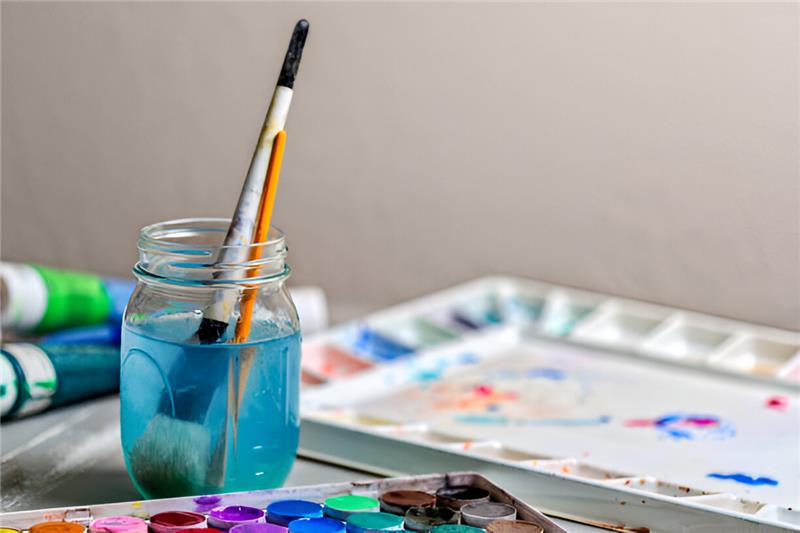
The magic of glass art comes from the interplay of light and color. The paint you choose is your main tool for controlling this effect, allowing you to create everything from transparent, jewel-toned suncatchers to bold, opaque designs on a vase. Do you want a frosted, etched look for privacy on a window, or do you need a dimensional outliner to replicate traditional stained glass? Each of these stunning effects requires a different type of paint. This guide will serve as your creative map, exploring the unique properties of each formula and helping you select the best paint for glass to achieve the exact artistic style you’re aiming for in your next project.
Glass painting is a unique and captivating art form that lets light and color interact in magical ways. Whether you’re decorating a wine bottle, designing a stained-glass-inspired panel, or painting a set of custom ornaments, the paint you choose is one of the most important parts of your project. At Art Glass Supplies, we’re passionate about helping artists find the perfect glass paints and tools to bring their creative visions to life.
With so many options available, how do you know which paint is best for your glass surface? This guide will walk you through the most popular and effective types of paint for glass art, what tools and supplies you’ll need, and how to achieve the best results—whether you’re a beginner or an experienced glass painter.
Why Can’t You Use Just Any Paint on Glass?
Glass is a non-porous surface, which means paint doesn’t absorb into it like it would on canvas, wood, or paper. This can make painting on glass tricky if you’re not using the right materials. The wrong paint may peel, flake, or fail to adhere altogether. Choosing a paint that is specifically formulated or compatible with glass shapes ensures your artwork not only looks vibrant but also lasts longer, resisting scratches, fading, and environmental damage.
Your Guide to the Best Paint for Glass
There are several types of paint used for glass art, each offering a different texture, finish, and application experience. Below are the most commonly used types that artists of all levels turn to for creating beautiful pieces.
Acrylic Enamel: The Versatile Choice for Glass
Acrylic enamel paint is one of the most accessible and versatile options for painting on glass. It combines the easy application of acrylic paint with the hard, glossy finish of enamel. Acrylic enamel is a popular choice for glass jars, vases, plates, and decorative windows. Some brands are air-dry, while others require baking in an oven to fully cure and set. This paint type is often found in craft stores and comes in a wide variety of colors and finishes, including gloss, metallic, and glitter. It is especially loved by DIYers and beginners for its ease of use and versatility across different projects.
Recommended Brands for Beginners
When you’re just starting out, Plaid FolkArt Enamel and DecoArt Americana Gloss Enamels are two excellent choices. These paints are incredibly user-friendly, offering colors that mix well and provide completely opaque coverage. This means you can avoid the frustration of streaky or transparent layers on your finished piece. An artist who tested several glass paints confirmed that after curing, these brands create a finish that is hard to scratch off and is even top-rack dishwasher safe. This durability makes them perfect for functional items like drinkware or for decorating unique precut glass shapes. By combining the simple application of acrylics with the tough finish of enamel, they offer a reliable and rewarding start to your glass painting projects.
Solvent-Based Paint: For a Pro-Level Finish
Solvent-based paints are a go-to option for serious artists or those working on long-lasting stained-glass projects. These paints are usually more durable and vibrant than acrylics. They offer excellent adhesion on smooth surfaces and often dry to a beautifully transparent finish, allowing light to pass through just like real stained glass. They do require careful handling because they are solvent-based, they tend to have strong odors, and should only be used in well-ventilated areas. However, their results are incredibly rich and professional-looking.
Recommended Brands for Professionals
For a highly durable, professional finish that mimics the transparency of colored glass, Pebeo Vitrea 160 is a top recommendation among experienced artists.
This paint is known for its vibrant colors and almost gel-like texture, making it perfect for creating a frosted or transparent look on glass. Artists often praise its incredible durability. Once properly cured by baking, the finish is tough and difficult to scratch off. This makes it an excellent choice for functional pieces like glassware or decorative items that might be handled often. When you need your artwork to last, the resilience of a professional-grade paint like this is a huge advantage, ensuring your designs stay pristine.
One artist noted, “Pebeo Vitrea 160 looks great, very durable, and comes in pretty colors,” which sums up why it’s a favorite for those who value both appearance and longevity. While this paint delivers stunning, professional results, it can be tricky for beginners. Its consistency requires a steady hand to avoid streaks, and the baking process must be followed precisely to achieve its signature durability. For more details on how this paint performs, you can check out the comprehensive testing of glass paints conducted by Art of Adrienne.
Using Regular Acrylics? Add a Glass Medium
While standard acrylic paints aren’t naturally suited for glass, they can still be used effectively when mixed with a glass or multi-surface medium. The medium improves the paint’s adherence and makes it more durable on non-porous surfaces. This is a great solution if you already have acrylic paint and want to explore glass painting without investing in an entirely new paint set. It’s best for small crafts, DIY projects, and experimenting with techniques.
Using a Primer like Gesso
Another technique for using standard acrylics is to first apply a base coat of gesso. Gesso is a primer that creates a slightly textured surface on the glass, giving the paint something to grip for better adhesion. This step is especially helpful because glass is a non-porous surface, which can make it tough for paint to stick properly. By applying a thin layer of gesso, you create a foundation that helps prevent your paint from peeling or flaking off later. This method is perfect if you want a more durable, opaque finish for your glass projects. As one artist on Reddit explained, if your paint looks see-through or isn’t sticking well, a base coat of gesso can make a huge difference by helping the acrylics adhere better. It’s a simple trick that can really improve the quality and longevity of your work.
Glass Stains: For a True Stained-Glass Look
Glass stains are specifically formulated for transparency and are often used in faux stained-glass projects. Unlike opaque paints, stains let light filter through, creating vibrant, jewel-like effects. These paints are perfect for creating window art or pieces that will be displayed in front of a light source. Stained glass circles are a popular shape for these projects, adding a classic and elegant touch. Glass stains are often used with simulated lead liners to create an authentic stained-glass look. They’re also ideal for suncatchers, candle holders, and lanterns.
Oil-Based Paint Markers: For Details and Lettering
Paint markers designed for glass are a great choice for outlining, detailing, and lettering. These oil-based markers offer control and precision that is difficult to achieve with a brush. They’re especially useful for customizing drinkware, jars, ornaments, and gifts with names, quotes, or intricate patterns. They dry relatively quickly and can often be sealed for added protection. Some brands are dishwasher-safe when properly cured.
Specialty Paints for Unique Effects
Once you’re comfortable with the basics, you can start exploring specialty paints that create truly unique finishes. These are the products that can add professional-level texture, dimension, and durability to your work. From paints that become part of the glass itself to those that mimic the classic look of stained glass, these options open up a new range of creative possibilities. They might require a few extra steps or specific tools, but the stunning results are well worth the effort. If you’re ready to move beyond simple decorative crafts, this is where you can really make your glass art stand out.
Vitreous Paints: The Professional’s Choice
For a truly permanent design, vitreous paints are the ultimate option. Made from finely ground glass, these paints are applied to the glass and then fired at high temperatures in a kiln. This process fuses the paint directly into the glass, making the design completely permanent and scratch-proof. It’s the same technique professional stained glass and fused glass artists use for detailed, lasting artwork. Because it requires specialized equipment and knowledge of firing schedules, this method is best for serious hobbyists and artists who want to create heirloom-quality pieces.
Outliners for a 3D Stained Glass Look
If you love the classic look of stained glass, outliners are a must-have. These thick, dimensional paints come in a tube with a fine-tip applicator, letting you draw raised lines that replicate the lead came of traditional stained glass. You can create intricate patterns and define different color sections for an authentic, three-dimensional look. Once the outliner is dry, just fill in the sections with transparent glass stains or paints. Outliners are available in colors like black, silver, and gold to mimic different metal finishes, giving you complete control over the final look.
Paints for Frosted or Chalk Finishes
To experiment with different textures, look for paints that create frosted or chalky finishes. Transparent gel or frost paints can produce a beautiful etched-glass effect, perfect for adding privacy to a window or creating an elegant design on drinkware. It’s a simple way to get a high-end look without any actual etching. For a more rustic, matte appearance, you can use chalk paint. While not specifically for glass, it adheres reasonably well for decorative items that won’t be handled often. Just remember to apply a clear sealant over the chalk paint to protect it from chipping and moisture.
Paints to Avoid for Glass Projects
While it’s fun to experiment, some paints just aren’t formulated for a slick, non-porous surface like glass, and using them can lead to a lot of frustration. The main issue is adhesion. Glass doesn’t have pores for paint to soak into, so the paint needs a special binder to grip the surface. Standard craft paints, like tempera or washable kids’ paints, will flake off almost immediately after drying. Regular acrylic paint is another common culprit. While it might look good initially, it forms a plastic-like film on the glass that can easily be scratched or peeled off with a fingernail, leaving your hard work ruined. Unless you’re using a dedicated glass medium, it’s best to leave your standard acrylics for your canvas projects.
It’s also important to be a savvy shopper and read labels carefully. Many brands produce a wide range of paints, and it’s easy to grab the wrong one by mistake. For example, a product labeled “multi-surface acrylic” might work perfectly, while the “all-purpose acrylic” from the same brand won’t last a day on glass. Don’t just rely on the brand name you trust; always check the fine print to confirm the paint is specifically recommended for glass or other non-porous surfaces. Taking an extra minute to read the label in the store can save you hours of work and the disappointment of a failed project.
Your Essential Glass Painting Supply Checklist
Aside from selecting the right paint, you’ll need a few key tools and materials to ensure a smooth glass painting experience and professional-quality results.
Start with a Squeaky-Clean Surface
Start with a thoroughly cleaned surface. Use rubbing alcohol or dish soap and water to remove any oils, dust, or residues from your glass object. This is one of the most important steps for ensuring that paint adheres properly and doesn’t flake off later.
Choosing the Right Paintbrushes
Use soft, synthetic brushes that are designed for detail work. Stiffer brushes can leave streaks or cause the uneven application on smooth glass. A good glass painting brush set will include detail liners, flat brushes for fills, and angled brushes for precision work.
A Palette for Mixing Your Colors
Since you’ll likely need to mix colors or control paint amounts, a non-absorbent palette is essential. Plastic, glass, or ceramic palettes work best for mixing without affecting the paint’s consistency.
Masking Tape and Stencils for Crisp Designs
These are helpful tools, especially for beginners. Masking tape helps block off areas you don’t want to paint, while stencils can assist with symmetrical shapes or complex patterns.
Using Masking Fluid for Intricate Shapes
When your design gets a little more complicated, masking fluid—sometimes called drawing gum—is a total game-changer. This liquid lets you create incredibly detailed patterns and shapes with perfectly crisp edges. The process is straightforward: just paint the fluid onto the parts of the glass you want to keep clear, let it dry completely, and then apply your glass paint right over the top. Once your paint is dry, you can gently rub or peel off the masking fluid to reveal the clean glass underneath. It’s a fantastic technique for achieving precision, especially with lettering or intricate patterns. Many artists recommend this method for replicating the look of traditional stained glass or simply adding a polished, professional touch to their creations.
Protect Your Art with a Sealer or Varnish
Depending on your paint type and project use, you may want to seal your finished piece. A clear acrylic sealer adds extra durability and protection from scratches and UV light. Make sure the sealer is compatible with your paint type.
An Oven for Heat-Setting Your Paint
Some glass paints, especially acrylic enamel, require heat-setting in an oven. This step enhances durability and makes the item safe for light washing or even dishwasher use, depending on the brand.
How to Paint on Glass: A Simple Step-by-Step
Step 1: Clean Your Surface Remove fingerprints, grease, and dust using rubbing alcohol. Let the surface dry completely before moving on. Step 2: Plan Your Design Sketch your design on paper and place it beneath the glass (if it’s clear). You can also draw directly onto the surface with a marker if needed. Step 3: Apply the Paint Use a steady hand and thin, even layers of paint. Avoid overloading the brush to prevent drips. Let each layer dry before adding another for a smooth finish. Step 4: Dry and Cure Allow your paint to dry as directed on the packaging. If required, place the item in a cool oven, then heat gradually according to instructions for baking. Step 5: Seal Once dry or baked, apply a compatible clear coat if your project will be handled often or placed outdoors.
Techniques for Applying Paint
Achieving a flawless finish on glass is all about your technique. To avoid streaks, use light pressure with your brush and try to paint with strokes that all go in the same direction. This helps create a smoother, more uniform finish that looks professional and clean. Applying paint in thin, even layers is also key. It might be tempting to lay on a thick coat to get opaque color quickly, but this often leads to drips and an uneven texture. Instead, allow each thin layer to dry completely before adding the next. This gradual process builds rich, solid color without any imperfections. For blending, you can work with two colors while they are still wet on the glass, using a soft brush to create a seamless gradient.
Tracing a Design onto Glass
Getting your design onto the glass surface is a crucial first step. For clear glass objects, an easy way to transfer a design is to tape a picture or drawing to the inside of the glass. You can then trace the design from the outside with your paint or an outliner. This method is perfect for plates, windows, and jars. If you’re working with an opaque or dark-colored piece of glass, you can use carbon transfer paper. Simply place the paper between your design and the glass and trace over the lines to transfer a faint outline. Another option is to use a water-soluble marker to draw your design directly onto the glass, which you can easily wipe away after the paint has dried.
How to Fix Mistakes
Everyone makes mistakes, but on glass, they’re usually easy to fix. If the paint is still wet, you can easily wipe away mistakes with a cotton swab dipped in rubbing alcohol. For water-based paints, a damp cloth or paper towel often does the trick. A toothpick is also a great tool for cleaning up small smudges or refining tight corners before the paint sets. If the paint has already dried, you may need to gently scrape it off with a craft knife or a flat razor blade. Hold the blade at a low angle and carefully lift the paint from the surface, being careful not to scratch the glass. It’s always a good idea to work slowly and keep your correction tools handy.
A Note for Stained Glass Artists
Incorporating painted details into stained glass can add incredible depth and personality to your work, allowing you to create intricate features like faces, lettering, and delicate patterns that cutting alone can’t achieve. However, the process requires careful planning, as the order of operations is critical to your project’s success. Unlike other art forms, painting on stained glass isn’t the final touch; it’s an integral step that happens before assembly. Whether you’re adding subtle shading or a detailed centerpiece, understanding how to properly paint, cure, and integrate these pieces will ensure your final creation is both beautiful and structurally sound. This approach is essential for any artist looking to combine these two powerful glass art techniques.
Painting Before Assembly
If you’re painting pieces for a stained glass project, it’s crucial to paint the glass and fully cure it *before* you apply copper foil or lead came. The heat from curing can damage these materials. Many high-durability glass paints, especially vitreous paints that are made from ground glass, must be fired in a kiln at high temperatures to permanently fuse to the surface. This heat would melt lead came and destroy the adhesive on copper foil, compromising the integrity of your entire piece. By painting and firing your glass pieces first, you ensure the design is permanent and durable. Once cooled, these painted components can be handled and assembled just like any other piece of cut glass in your pattern, allowing you to build your project with confidence.
How to Care for Your Painted Glass Art
- Always hand-wash painted items unless labeled dishwasher-safe.
- Avoid abrasive scrubbers or harsh chemicals.
- Keep out of prolonged direct sunlight unless the paint is UV-resistant.
- Reapply a protective sealer every year for items used outdoors.
Curing Paint in an Oven
If your paint requires baking to set, this is a step you can’t skip for a durable, long-lasting finish. The key to success is managing the temperature gradually to avoid thermal shock. Always place your painted glass piece into a cool, non-preheated oven. Set the oven to the temperature recommended on your paint bottle—usually around 350°F—and let the glass heat up along with the oven. Once the baking time is complete, turn the oven off but leave the glass inside. It needs to cool down slowly and completely with the oven. Pulling it out while it’s still hot can cause the glass to crack or even shatter from the sudden temperature change. This careful process ensures the paint cures properly, creating a hard, permanent bond with the glass surface.
Air-Drying for a Full Cure
If you’d rather not use an oven, or if your paint is formulated for air-drying, your main tool is patience. While the paint may feel dry to the touch within a few hours, it isn’t fully cured. A complete cure for air-dry paints can take up to three weeks. During this time, the paint is still hardening and bonding with the glass on a chemical level. It’s important to handle the piece gently and keep it away from moisture until it has fully cured. Rushing this process can lead to a soft, easily scratched finish that won’t stand the test of time. Once fully cured, however, an air-dried piece can be just as durable as one that has been heat-set.
Tips for Washing and Durability
To keep your painted glass art looking beautiful for years, proper care is essential. Even if a paint label claims it’s “top-rack dishwasher-safe” after curing, hand-washing is always the safest bet. The high heat, intense water pressure, and harsh detergents in a dishwasher can cause the design to fade, chip, or peel over time. Instead, wash your pieces gently with mild soap, lukewarm water, and a soft cloth or sponge. Avoid using abrasive scrubbers or soaking the glass for extended periods. A little extra care during washing goes a long way in preserving the vibrancy and integrity of your artwork.
Food Safety and Handling Painted Glass
When you’re creating beautiful custom drinkware or plates, it’s easy to get caught up in the design and forget about safety. However, it’s incredibly important to understand that most craft paints are intended for decorative purposes only. Even when fully cured, the chemicals in the paint are not meant to come into direct contact with food or your mouth. Following a few simple rules will ensure that your functional pieces are not only beautiful but also completely safe to use. This is especially critical when making gifts for others, as you want them to enjoy your creation without any health risks. Always prioritize safety by keeping paint away from any surface that will be used for eating or drinking.
“Non-Toxic” Does Not Mean “Food-Safe”
You’ll often see “non-toxic” on craft paint labels, but it’s crucial to understand what that term actually means. “Non-toxic” certifies that the product isn’t harmful if it comes into contact with your skin. It does not mean the paint is safe to ingest. The ingredients are not food-grade and should never be in an area that touches food, beverages, or your lips. Think of it this way: the paint is safe for your hands, not your mouth. Always check the paint’s packaging for specific food-safety information, but the best practice is to assume no craft paint is food-safe unless it is explicitly labeled as such.
Rules for Painting Drinkware and Plates
There are two golden rules for safely painting functional glassware. First, when decorating drinking glasses, mugs, or wine glasses, leave a clear margin of at least one inch from the rim. This ensures that your mouth will only touch the unpainted glass. Second, if you are painting plates, bowls, or platters, always apply your design to the underside of the glass. The beauty of painting on clear glass is that your design will show through brilliantly without ever touching the food on top. Following these guidelines allows you to create stunning, personalized tableware that is both functional and safe for everyone to use.
Microwave and Mirror Safety
Painted glassware should never be put in the microwave. The intense heat can cause the paint to bubble, peel, or even release harmful chemicals into your food. It’s best to treat all your painted pieces as microwave-unsafe. Similarly, you should avoid using a conventional oven to cure paint on a mirror. While it might seem like a good way to set the paint, the high temperatures required for curing can damage or melt the mirror’s reflective silver backing, ruining the piece. For mirrors, stick to air-dry paints or paints specifically designed for use on mirrored surfaces that don’t require heat-setting.
Ready to Start Painting?
Glass painting is an inspiring, light-filled art form that lets you turn everyday objects into custom treasures. Whether you’re creating window decor, gifts, or functional items, the paint you choose can make or break your design. Take the time to select a high-quality glass paint that matches your project’s needs, and use the right tools to bring your vision to life. Don’t be afraid to experiment—glass is a forgiving surface if you know how to prep it properly and use the correct materials. Start simple, refine your technique, and explore everything from transparent color washes to bold, opaque designs. Contact us today to get started on your next masterpiece.
FAQs – Best Paints for Glass Art
1. Can I use regular acrylic paint on glass?
Yes, but it must be mixed with a glass medium or sealed after painting to ensure adhesion and durability.
2. Do I need to bake glass paint?
Some paints require baking for durability, especially acrylic enamels. Check the manufacturer’s instructions. Air-dry options are available for certain paint types.
3. Is painted glass dishwasher-safe?
Only some baked or specially formulated glass paints are dishwasher-safe. Handwashing is generally the safest option unless specified otherwise.
4. Can I remove glass paint after it dries?
Wet paint can be wiped off with rubbing alcohol. Dried or cured paint may require scraping with a razor blade or gentle solvents, depending on the paint.
5. What’s the best paint for outdoor glass art?
Solvent-based glass paints are typically best for outdoor use due to their resistance to weather and UV exposure.
Key Takeaways
- Match Your Paint to Your Project’s Goal: For a vibrant, stained-glass effect that lets light shine through, use solvent-based paints or glass stains. If you want a solid, opaque design on a vase or jar, user-friendly acrylic enamels are your best choice.
- Prep and Patience Create a Permanent Finish: Your artwork will only last if you start with a perfectly clean surface (use rubbing alcohol) and properly cure the paint. Whether you bake it in an oven or let it air-dry for several weeks, this final step is what makes your design durable and scratch-resistant.
- Paint Safely on Drinkware and Plates: Never let craft paint come into contact with food or lips, as “non-toxic” doesn’t mean “food-safe.” To decorate functional pieces, paint on the underside of plates and always leave at least a one-inch unpainted margin around the rim of any glass or mug.
Related Articles
- Color Line Paint Pen Silver Pearl 2.2 oz – Glass Paints
- Color Line Paint Thinner 1.76 oz – Glass Paints
- Color Line Paint Pen Lilac 2.2 oz – Glass Paints
- Color Line Paint Pen Lacquer Red 2.2 oz – Glass Paints
- Color Line Paint Pen Orange 2.2 oz – Glass Paints