
That incredible material adding a shimmering, color-shifting effect to your art has a surprising origin. It wasn’t made for the studio—it was developed for the aerospace industry for satellite mirrors and optical filters. Lucky for us, artists saw its potential. Now, dichroic glass is a staple for creating vibrant, dynamic pieces. The secret is a high-tech process perfected by companies like Coatings by Sandberg, resulting in the brilliant CBS dichroic glass artists know and trust. This guide breaks down the science behind how it’s made, why it’s so durable, and how you can use its unique properties for stunning effects.
Key Takeaways
- Rely on predictable, vibrant color: The high-tech coating on CBS Dichroic Glass ensures its colors stay true and brilliant in the kiln, giving you consistent, professional results you can plan your designs around.
- Always match your COE for a perfect fuse: To prevent cracks and ensure a strong final piece, every piece of glass in your kiln project must have the same Coefficient of Expansion. Double-check that your dichroic glass, whether COE 90 or COE 96, matches your base glass.
- Experiment with layers and always test first: Create incredible depth and unique color combinations by layering different dichroic pieces. Before firing your main project, run a small test piece to confirm your firing schedule and preview how the colors will blend.
What is CBS Dichroic Glass?
If you’ve ever seen a piece of glass that seems to magically shift colors right before your eyes, you’ve likely encountered dichroic glass. It’s that mesmerizing, iridescent material that adds a pop of life and movement to any project. But what exactly is it? CBS Dichroic Glass is a special type of art glass featuring a high-tech coating that reflects one color of light while letting other colors pass straight through. Think of it as a permanent, shimmering light filter built right into the glass.
This incredible material wasn’t originally created for artists. It was developed for the aerospace industry for use in things like satellite mirrors and optical filters. Lucky for us, artists discovered its potential, and now it’s a staple for creating vibrant, dynamic pieces. Whether you’re making jewelry, plates, or sculptural art, the color-shifting properties of dichroic glass add a layer of depth and surprise that’s hard to achieve with anything else. It’s a fantastic way to make your work stand out.
The History of Dichroic Glass
The story of dichroic glass is a fascinating journey that spans centuries, connecting ancient Roman artisans with modern space exploration. While the material we use in our studios today is a product of high-tech innovation, the concept of color-shifting glass is surprisingly old. Understanding its origins gives you a deeper appreciation for the incredible sheets of shimmering glass waiting in your workshop. It’s a material with a rich history, blending ancient artistry with cutting-edge science to give us the vibrant creative potential we have today.
From Ancient Rome to NASA
Believe it or not, the first known use of dichroic glass dates back to the 4th-century Roman Empire. The famous Lycurgus Cup, housed in the British Museum, appears jade green in reflected light but glows a translucent red when lit from behind. This effect was achieved by infusing the glass with microscopic gold and silver particles. Fast forward to the 20th century, when NASA revived and perfected the technology for a completely different purpose. They developed a process of applying ultra-thin layers of metallic oxides to glass in a vacuum chamber to create highly specialized optical filters and mirrors for satellites and astronaut helmet visors. This modern technique is what gives us the stable, brilliantly colored glass we use in our kilns.
The Rise in Glass Art
It wasn’t long before the art world took notice of this mesmerizing space-age material. During the 1980s, distributors began making dichroic glass available to artists, who quickly fell in love with its dynamic properties. Innovators like Coatings by Sandberg, Inc. (CBS), which was founded in 1996, were instrumental in perfecting the coatings for artistic use, ensuring the colors remained vibrant and consistent even after firing. Artists, who often call it “dichro,” began incorporating it into everything from jewelry to large-scale fused panels. They discovered you could layer it, fuse it, and even etch or sandblast the coating to create intricate patterns, opening up a whole new world of creative possibilities for fused glass art.
How Does It Get That Shimmer?
So, what’s the secret behind that incredible shimmer? It all comes down to the way the glass plays with light. The coating on CBS Dichroic Glass acts like an optical filter, splitting light into different wavelengths. This is what creates that signature effect where the glass appears to be one color when you look at it directly, but a completely different color when light passes through it. One of the best parts for artists is that these colors are incredibly stable. They remain even and vibrant, maintaining their integrity even when fired at high temperatures in a kiln. This reliability is essential for anyone working with glass fusing and other heat-intensive techniques.
Breaking Down the CBS Coating Process
The magic of dichroic glass happens in a highly controlled, scientific environment. The unique coating is applied inside a sophisticated vacuum chamber. In this chamber, ultra-thin layers of quartz crystal and various metal oxides are vaporized with an electron beam. These vaporized micro-layers then settle on the surface of the hot glass, creating the stunning optical effects that artists love. This meticulous, high-tech process is what ensures every sheet of COE90 glass with a dichroic coating has that consistent, brilliant shimmer and color play that can transform a good piece into a great one. It’s a perfect blend of science and art.
How Is CBS Dichroic Glass Made?
The incredible shimmer of CBS Dichroic Glass isn’t magic, but it’s close. It’s the result of a highly controlled, scientific process that transforms a simple sheet of glass into a vibrant, color-shifting work of art. Understanding how it’s made can give you a deeper appreciation for the material and help you get the most out of it in your own studio.
The Step-by-Step Manufacturing Process
The signature look of dichroic glass comes from a process called vacuum deposition. It all happens inside a specialized vacuum chamber where the air is completely removed. Inside this chamber, an electron beam vaporizes multiple micro-thin layers of quartz crystal and various metal oxides. These vapors then float up and attach to the surface of the hot glass, which is slowly rotated to ensure a perfectly even coating.
This isn’t just one layer, either. The process is repeated dozens of times, creating a stack of up to 50 individual layers that are thinner than a human hair. The specific combination and thickness of these layers are what determine the final colors and patterns you see in a sheet of COE90 glass.
The Science of the Coating
The mesmerizing shimmer of CBS Dichroic Glass comes from a sophisticated coating process that’s a perfect blend of art and science. Inside a specialized vacuum chamber, ultra-thin layers of quartz crystal and various metal oxides are vaporized with an electron beam. These vaporized materials then settle onto the hot glass surface, creating the stunning optical effects artists love. What makes this process so remarkable is the precision involved. The coating consists of up to 50 micro-thin layers, each thinner than a human hair. The specific combination and thickness of these layers determine the final colors and patterns, allowing the glass to reflect one color while transmitting another. For artists, a huge advantage is the stability of these colors. The high-tech coating ensures they remain vibrant and true, even when fired at high temperatures in a kiln, which is essential for getting consistent, professional results.
How CBS Achieves Flawless Quality
CBS specifically engineers its dichroic glass for “hot working,” meaning it’s designed to withstand the extreme temperatures inside your kiln without losing its brilliance. The company is known for its meticulous manufacturing standards, which is why so many artists trust it for their most important projects. This precision ensures that the colors are incredibly consistent from one sheet to the next.
When you buy a piece of CBS dichroic glass, you can be confident that the color you see is the color you’ll get after firing. This reliability is crucial, as it allows you to plan your designs with accuracy and achieve predictable results. Whether you’re working with COE96 glass for a large fused panel or creating delicate jewelry, you know the material will perform beautifully every time.
What Kinds of CBS Dichroic Glass Can You Get?
One of the best things about working with CBS dichroic glass is the sheer variety of forms it comes in. You’re not just limited to standard sheets. Whether you’re creating intricate jewelry, large fused panels, or textured art pieces, there’s a type of dichroic glass designed for your project. This flexibility allows you to experiment with different textures, patterns, and effects. Let’s look at the most popular options you can add to your studio.
Choosing Your Dichroic Glass Sheets
When you think of glass, you probably picture sheets, and CBS offers beautiful, high-quality dichroic sheets for every kind of project. Known for their careful and precise manufacturing, CBS provides glass that is consistent and reliable, so you know exactly what you’re getting. These sheets come in a range of sizes, perfect for cutting down into custom shapes for fused panels, stained glass accents, or architectural pieces. You can find them on clear or black backing glass, giving you control over the final look and transmission of light in your artwork. Starting with a full sheet gives you the ultimate creative freedom.
Understanding Transmitted vs. Reflected Color
The term “dichroic” literally means “two-colored,” and that’s the key to understanding this amazing material. Every piece of dichroic glass has two distinct colors: a transmitted color and a reflected color. The reflected color is the one you see when light bounces off the surface—that brilliant, metallic shimmer. The transmitted color is what you see when you hold the glass up to the light and let it shine *through* the piece. This dual nature is created by the micro-thin layers of metal oxides, which act like a sophisticated light filter. When planning your project, think about which color you want to feature. Fusing dichroic glass onto a black or dark base will make the reflected color pop, while fusing it onto a clear COE96 glass base will allow the transmitted color to shine through.
Exploring Frit, Powder, and Other Forms
If you want to add sparkle and texture, dichroic glass comes in forms much smaller than sheets. You can find coarse frit, frit flakes, and even fine powders to sprinkle over your work for a glittering effect. For linear designs, dichroic stringers and noodles are perfect for drawing with glass. You can also find scrap bags, which are an economical way to get a random assortment of dichroic pieces for abstract designs or smaller accents. These different forms open up a new dimension of creativity, allowing you to build up layers of texture and shimmer in your kiln-formed pieces.
Perfect Packs for Jewelry and Small Projects
For artists who specialize in jewelry or other small-scale creations, buying full sheets of glass isn’t always practical. That’s where jewelry packs and samplers come in. These packs contain a curated assortment of small, pre-cut pieces of dichroic glass in various colors and patterns. They are an excellent and cost-effective way to experiment with different looks without a big investment. Whether you’re making pendants, earrings, or decorative cabochons, these samplers provide the variety you need to create a whole collection of unique, eye-catching pieces. They take the guesswork out of choosing and let you get right to designing.
COE 90 vs. COE 96: Find Your Match
This is one of the most important things to know when buying fusing glass. COE, or Coefficient of Expansion, tells you how much glass expands and contracts when heated. For a successful fuse, all the glass in your project must have the same COE. CBS makes this easy by offering their dichroic glass in the two most common ratings. You can get beautiful COE 90 glass, which is compatible with Bullseye and other 90 COE glass. They also offer a full range of COE 96 glass for artists who work with that standard. Always double-check the COE of your dichroic glass and your base glass to prevent cracks and ensure your finished piece is strong and stable.
What Makes CBS Dichroic Glass Stand Out?
When you’re investing time and materials into a new piece, you want to work with supplies you can trust. While there are many types of dichroic glass on the market, CBS (Coatings by Sandberg, Inc.) has earned a stellar reputation among glass artists for a few key reasons. It’s known for its incredible consistency, vibrant colors that hold up in the kiln, and a durable coating that delivers professional-grade results every single time. This isn’t just about aesthetics; it’s about performance and predictability, which are crucial when you’re pouring your creativity into a project.
This reliability is what makes it a go-to choice for everyone from hobbyists making their first fused pendant to seasoned artists creating complex gallery pieces. When you choose CBS, you’re not just buying a sheet of beautiful glass; you’re getting the confidence that comes from using a product designed for excellence. The brilliant, shifting colors are just the beginning. The real magic lies in its performance, allowing your creative vision to come to life exactly as you imagined it. Let’s look at what truly sets this glass apart from the rest and why it might be the perfect fit for your next creation.
The CBS Commitment to Quality
Consistency is everything in glass art, and CBS delivers on that front. Their dichroic glass is made with incredible care and precision, ensuring that the colors and patterns are uniform across every sheet. This means the vibrant magenta you fell in love with on your last project will be the exact same shade when you reorder it. This level of quality control is a game-changer, especially when you’re creating a series of works or need to match a specific color palette. You can confidently plan your designs knowing that your COE90 glass will perform predictably, giving you the freedom to focus on your artistry.
Colors That Stay True in the Kiln
One of the biggest challenges in kiln-forming can be color stability. It’s always a little disappointing when a piece comes out of the kiln looking completely different than it did going in. CBS dichroic glass is specifically engineered to minimize color shifting at high temperatures. This special feature makes it a top choice for experienced artists who need predictable outcomes and a fantastic option for beginners who are still learning how their materials react. With CBS, the brilliant hues you see on the raw glass are the same ones you’ll see in your finished piece, ensuring your work always looks its best.
Anticipating Color Shifts After Firing
If you’ve ever felt that little bit of anxiety waiting for the kiln to cool, wondering if your colors will have changed, you’re not alone. This is where CBS dichroic glass really shines. It’s specifically engineered for “hot working,” meaning its high-tech coating is designed to withstand extreme temperatures without losing its brilliance or shifting color unexpectedly. The color you see before you fire is the color you can expect to see in your finished piece. This incredible stability allows you to plan your designs with confidence, knowing your vision will come to life just as you imagined, whether you’re working with COE90 glass or another standard.
Built to Last: Durability You Can Trust
The stunning shimmer of dichroic glass comes from its special coating, and the durability of that coating is crucial. The CBS coating is created in a high-tech vacuum chamber where microscopic layers of quartz and metal oxides are fused to the surface of the glass. This process results in an incredibly tough coating that resists scratching and is less likely to burn off during firing. This durability ensures a clean, professional finish that makes your artwork shine. Whether you’re working with stained glass or fusing intricate jewelry, you can trust the CBS coating to withstand the creative process and last for years to come.
Beyond the Art Studio: Other Applications of Dichroic Glass
While we love seeing dichroic glass transformed into stunning jewelry and fused art, its unique properties make it valuable far beyond the art studio. This material’s journey began not in a kiln, but in a high-tech lab, designed for some of the most demanding environments imaginable. From the sides of skyscrapers to the depths of space, dichroic glass plays a role in architecture and science. Its ability to manipulate light and withstand the elements makes it a surprisingly versatile material, proving that the same qualities you value for your art are also prized by engineers and architects.
Architectural and Design Uses
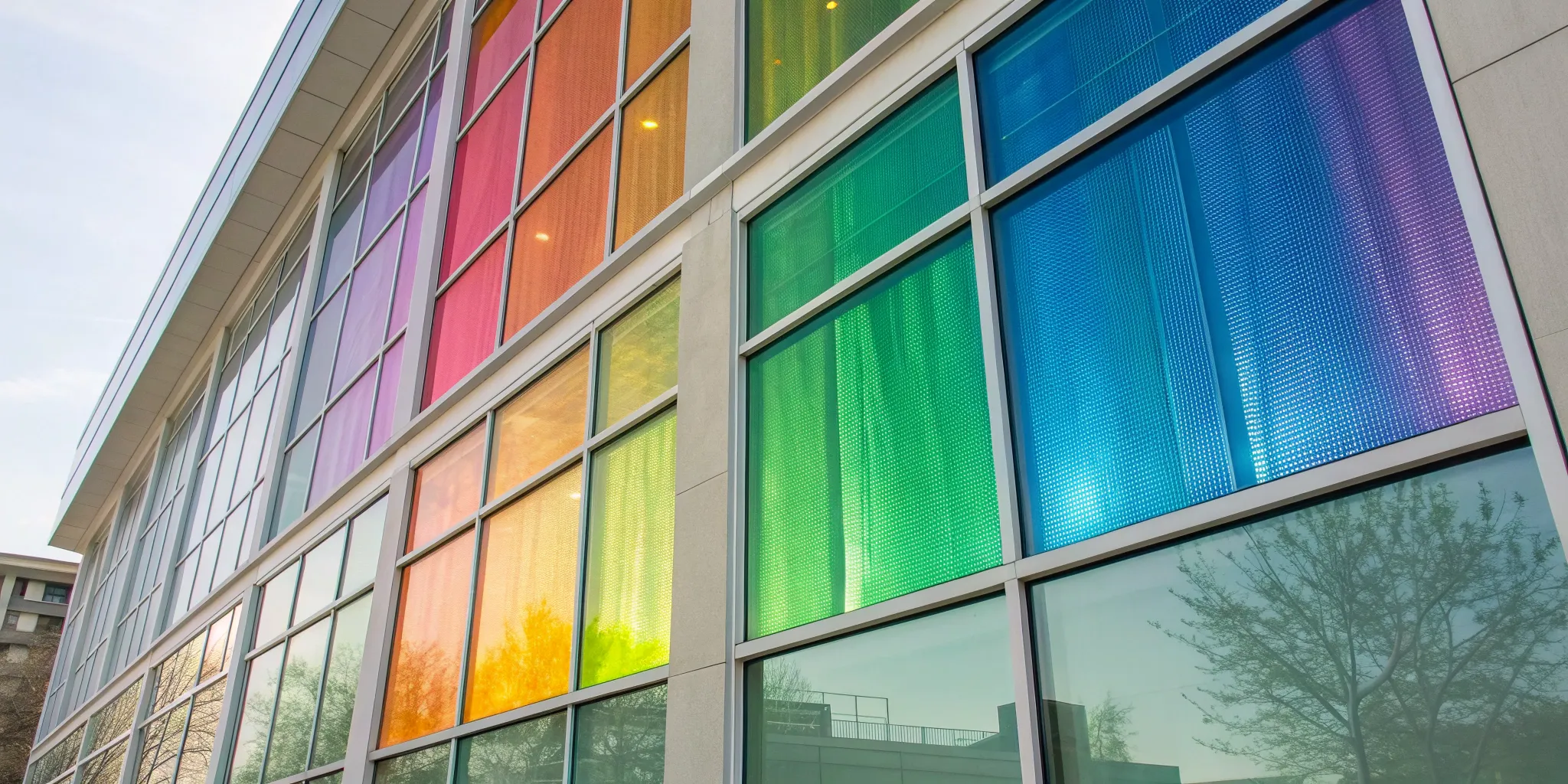
Architects and designers use dichroic glass to create breathtaking, dynamic building facades and interior features. Because the color is created by light interference rather than dyes, it will never fade from sun exposure, making it perfect for exterior applications. It can handle all kinds of weather, so you’ll see it used in everything from decorative windows to entire walls that shift in color as the sun moves across the sky. This creates a living, breathing quality for a building, where the appearance changes depending on your viewing angle and the time of day. It’s a fantastic way to add a permanent, ever-changing splash of color to the architectural landscape.
Scientific and Technical Applications
The story of modern dichroic glass starts with NASA. In the early days of the space race, they needed highly specialized optical filters for things like satellite mirrors and astronauts’ helmet visors. The goal was to protect sensitive equipment and eyes from harsh solar radiation by reflecting harmful wavelengths while allowing others to pass through. The solution was the vacuum-deposition process that creates the dichroic coating. This technology allows for precise control over which parts of the light spectrum are reflected or transmitted. So, the same high-tech process that protects space instruments is what gives your fused glass pendants their magical, color-shifting shimmer.
Best Artistic Techniques for CBS Dichroic Glass
One of the best things about working with CBS Dichroic glass is its versatility. Whether you love the intensity of the kiln or the precision of finishing work, this glass is designed to handle a wide range of artistic applications. Its special coating is tough enough for both hot and cold techniques, giving you the freedom to experiment and bring your most imaginative ideas to life. Let’s walk through some of the most popular ways artists use this incredible material to create stunning work.
Getting Started with Fusing and Kiln Forming
CBS Dichroic glass was practically made for “hot working,” which is any technique that uses high heat to shape glass. This makes it a perfect match for fusing and kiln forming. When you fuse glass, you’re essentially melting two or more pieces together to create a single, layered piece. The reliable coating on CBS Dichroic glass ensures that its brilliant colors and patterns remain vibrant even after firing. You can create intricate designs, textures, and patterns by layering different pieces and firing them in one of our glass kilns. This method allows you to produce everything from beautiful jewelry pendants to larger decorative panels with incredible depth.
Tips for Flameworking and Beadmaking
If you prefer working with a torch, you’ll find that CBS Dichroic glass is an excellent choice for flameworking and beadmaking. The glass stands up well to the direct, intense heat of a flame, allowing you to create detailed beads, marbles, and small sculptures. As you work the glass in the flame, the dichroic coating shimmers and shifts, adding a dynamic quality to your creations. You can wrap, encase, or layer dichroic glass to produce beads with mesmerizing patterns that seem to change color right before your eyes. It’s a fantastic way to add a touch of magic to your wearable art.
Perfecting Your Piece with Coldworking
Your creative process doesn’t have to end when the glass comes out of the kiln. The durable coating on CBS Dichroic glass also allows for a variety of coldworking techniques. Coldworking involves shaping, polishing, or decorating glass at room temperature. You can sandblast, etch, or grind the surface to add texture or create patterns without chipping or damaging the delicate dichroic layer. This gives you another level of control over the final look of your piece, allowing you to refine your designs and add professional finishing touches that make your work stand out.
Layering for Incredible Depth and Color
The true magic of dichroic glass comes alive when you start layering. By stacking different colors and patterns, you can achieve incredible depth and complexity. For example, layering a Blue/Gold piece over a Magenta/Green piece can create a final product with a rich, multi-tonal effect that shifts depending on the viewing angle. You can experiment with clear caps to magnify the dichroic effect or use textured glass to add another dimension. Whether you work with COE90 or COE96 glass, layering is the key to creating truly unique, one-of-a-kind art.
Advanced Techniques like Laser Etching
If you’re ready to add another layer of detail to your work, laser etching offers incredible precision. This advanced technique uses a laser to carefully remove parts of the dichroic coating, allowing you to create incredibly intricate patterns, text, or images directly on the glass surface. The level of detail you can achieve is far beyond what’s possible by hand, opening up a whole new world of design possibilities. You can then combine these etched pieces with traditional fusing methods, creating multi-layered art that plays with light in fascinating ways. The great thing about the CBS dichroic coating is its durability; once fired in a kiln, the coating becomes a permanent part of the glass, ensuring your detailed designs won’t scratch or fade. This process allows you to personalize your work and develop a signature style that truly sets you apart.
How to Work Safely with CBS Dichroic Glass
Working with dichroic glass is an exciting process, but safety should always be your top priority. The shimmering, color-shifting beauty of this material is captivating, and it’s easy to get lost in the creative flow. By establishing good safety habits from the start, you can ensure your studio time is productive, fun, and accident-free. Think of these practices not as rules that limit you, but as the foundation that gives you the confidence to experiment and push your artistic boundaries. Setting up a safe workspace and handling your materials correctly allows you to focus on what really matters: bringing your beautiful designs to life. From cutting your first piece to pulling the final product from the kiln, these practices will help you protect yourself and your art.
How to Safely Cut and Handle Dichroic Glass
Before you do anything else, put on your safety glasses. This is a non-negotiable step to protect your eyes from tiny glass shards that can fly up during cutting and handling. When you’re ready to cut, use a quality glass cutter and work on a stable, flat surface. It’s best to score the glass with a light, even pressure and then use running pliers or your hands to make a clean break. Wearing cut-resistant gloves is also a great idea to protect your hands from sharp edges. As the glass fusing safety guidelines from CBS mention, keeping your hands clear of the cutting line is essential for preventing injuries and ensuring a smooth, controlled process.
Identifying and Scoring the Coated Side
Here’s a pro tip that will save you a lot of frustration: always score your dichroic glass on the uncoated side. But how can you tell which side is which? It’s actually pretty simple. Hold the piece of glass up and tilt it toward a light source. Look closely at the edge. If the shimmering color seems to stretch all the way to the very edge of the glass, you’re looking at the coated side. If you can see the clear thickness of the glass with the color sitting just below it, that’s the uncoated side—and that’s where you want to score. Scoring on the uncoated surface helps prevent the delicate coating from chipping and gives you a much cleaner, more predictable break every time. It’s a small step that makes a huge difference in getting those perfect cuts for your project.
Nail Your Firing Schedules
The magic of dichroic glass truly comes alive in the kiln, but getting the firing schedule right is critical. An incorrect schedule can cause thermal shock, leading to cracks, a cloudy finish, or muted colors. Always follow the manufacturer’s recommended firing schedules, which detail the specific ramp rates and hold times needed for the glass to fuse perfectly. A slow ramp-up prevents the glass from heating too quickly, while a controlled cool-down maintains its integrity. CBS offers excellent firing schedules for dichroic glass that are a fantastic resource. Investing in reliable kilns that allow for precise temperature control will give you consistent, professional results every time.
The Golden Rule: Never Face Coatings Together
Here’s a simple rule that will save you a lot of frustration: never fire two dichroic coated surfaces facing each other. When the coated sides touch during firing, they will fuse together permanently, and you’ll likely lose that beautiful, shimmering effect you were aiming for. Instead, you have two great options for orienting the coating. If you want a smooth, glossy finish, place the dichroic coating face down on your base glass or cap it with a clear piece. This encases the coating and gives it a brilliant shine. For a textured, matte finish, fire with the dichroic coating facing up, exposed to the heat. This simple choice gives you creative control over the final texture of your piece.
Avoiding Common Firing Issues
A successful firing comes down to controlling the temperature. Heating or cooling the glass too quickly can cause thermal shock, which leads to cracks and can ruin your project. Another common issue is devitrification, a cloudy or hazy appearance on the glass surface that dulls the dichroic sparkle. The best way to avoid these problems is to follow the manufacturer’s recommended firing schedule to the letter. These schedules are designed to heat and cool the glass at the perfect rate. Before committing to a large project, it’s always a smart idea to run a small test piece to ensure your kiln is calibrated correctly and the colors fuse just as you expect.
Organize Your Workspace for Safety
A clean and organized studio is a safe and productive studio. Before you start a project, take a few minutes to clear your workspace of any clutter. Make sure your tools are within easy reach so you aren’t stretching over sharp pieces of glass to grab something. Good ventilation is also important, especially if you’re using adhesives or cleaning agents. Keep a well-stocked first aid kit nearby just in case of a minor cut or scrape. Following basic workspace safety tips not only reduces the risk of accidents but also helps you work more efficiently, letting your creativity flow without interruption.
Tips for Your First Dichroic Glass Project
Working with dichroic glass for the first time is an exciting step in your artistic journey. The way it shifts and shimmers is truly magical, and seeing it come out of the kiln is always a thrill. To make sure your first project is a success, it helps to have a few foundational tips under your belt. Let’s walk through the most important things to know before you start cutting and firing.
Why COE Compatibility Is So Important
If you learn only one thing about glass fusing, let it be this: COE matters. COE, or the Coefficient of Expansion, measures how much glass expands when heated and shrinks when cooled. For pieces to fuse together successfully without cracking, all the glass in your project must have the same COE. Mixing a piece of COE90 glass with COE96 glass will almost certainly lead to a broken heart and a broken project.
Before you buy any materials like frit, stringers, or scrap, double-check that the COE matches the base glass you’re using. This simple step will save you from the frustration of your beautiful creation cracking apart in the kiln or even weeks later.
The Tools You’ll Need to Get Started
You don’t need a studio full of equipment to get started, but a few key items are non-negotiable. Since CBS Dichroic glass is made for “hot working,” a reliable kiln is your most important tool. You’ll also need a good glass cutter, running pliers for clean breaks, and safety glasses to protect your eyes.
To prepare your kiln shelf or molds, you’ll need kiln wash or shelf paper to prevent the glass from sticking. For your first project, consider starting with dichroic scrap packs or small sheets. This gives you a variety of colors and patterns to experiment with without a huge initial investment. Having the right kilns and tools on hand makes the entire process smoother and more enjoyable.
Start Simple to Build Your Skills
While it’s tempting to create a large, intricate masterpiece right away, it’s best to start with a small, simple project. Making jewelry pendants or small suncatchers is a perfect way to learn how dichroic glass behaves. These projects teach you the basics of cutting, layering, and firing on a manageable scale.
Try layering a small piece of patterned dichroic glass on a solid-colored base to see how the colors interact. You can also experiment with simple molds to give your piece a gentle shape. Building your skills with these foundational projects will give you the confidence to tackle more complex designs later on.
How to Choose the Right Dichroic Glass
Walking into a glass shop or browsing online can feel like being a kid in a candy store, especially when you see the shimmering rainbow of dichroic glass. With so many options, how do you pick the right one for your project? It’s less about finding a single “best” type and more about matching the glass to your artistic vision and technical needs. The perfect piece of dichroic for a delicate pendant might be completely different from what you’d use for a large, fused platter.
Think of it as a three-step process. First, you’ll want to dream up your design and color palette. What mood are you trying to create? What colors will bring your idea to life? Next, you’ll need to handle the practical side by figuring out the technical specifications, like the COE, to ensure your project is a success. This step is non-negotiable for kiln work. Finally, you’ll match the form of the glass, whether it’s a sheet, frit, or powder, to the specific technique you plan to use. Breaking it down this way makes the selection process feel more manageable and sets you up for a beautiful finished piece.
Plan Your Colors and Design
The magic of dichroic glass is its ability to shift colors depending on the light and angle. A piece that looks blue from one direction might flash gold from another. CBS offers a stunning range of these combinations, from Magenta/Green to vibrant Rainbow patterns. Beyond color, you can find textures like Ripple, Twizzle, and Corkscrew that add depth and movement to your work. Before you buy, think about your final design. Do you want a smooth, reflective surface or a textured one? Consider how the transmitted and reflected colors will play together, especially if you plan on layering pieces.
Figure Out How Much Glass You Need
Once you have a design in mind, it’s time to get practical. The most important factor here is the Coefficient of Expansion, or COE. This number tells you how much the glass will expand and contract when heated. Mixing glass with different COEs in a kiln project will almost always lead to stress cracks. Most dichroic glass comes in two main types: COE 90 and COE 96. Check the glass you already have in your studio and make sure you buy dichroic glass with a matching COE to ensure everything fuses together perfectly.
Match the Glass to Your Technique
CBS Dichroic glass is specifically created for “hot working,” where glass is shaped using extreme heat. The durable coating is applied in a high-tech vacuum chamber, allowing it to withstand the temperatures inside your kiln. While you can get dichroic glass in large sheets for fusing and slumping, it also comes in other forms for different techniques. Frit and powders are fantastic for casting and lampworking. Some products, like Dichroic Extract and Glow Powder, are even COE-independent, meaning you can use them with any type of glass without worrying about compatibility, which opens up a world of creative possibilities.
Tips for Viewing Clear Dichroic Glass
Clear dichroic glass is a bit of a chameleon; its true beauty depends entirely on what’s behind it. Unlike its black-backed counterpart, the color you see is a reflection of the base it’s placed upon. This is where you can really get creative. To see its full potential, try layering it over different colors of COE90 glass. A piece of clear dichroic that shows a brilliant blue over a white background might shift to a fiery gold when placed on black. Before you commit to a design, play around by placing your clear dichroic on various colored paper scraps or fabrics. This simple test gives you a sneak peek of the final effect and helps you choose the perfect base to make those colors sing, ensuring there are no surprises when your piece comes out of the kiln.
Best Practices for Stunning Results
Working with dichroic glass is an exciting process, and a few key practices can make all the difference between a good piece and a truly spectacular one. When you invest in high-quality materials like CBS Dichroic Glass, you want to ensure your technique brings out its best qualities. By focusing on your firing schedule, experimenting with layering, and always running a test fire, you set yourself up for success. These habits help you understand your materials and equipment better, giving you more predictable and beautiful outcomes every time you open the kiln.
Perfect Your Firing Schedule
One of the best features of CBS Dichroic Glass is its remarkable color stability. The colors are consistent and don’t burn out easily, even at high temperatures. To preserve that brilliant shimmer, you need to dial in your firing schedule. While manufacturers provide guidelines, every kiln has its own personality. Start with the recommended schedule, but be prepared to make small adjustments. Keep detailed notes on what works for your setup. A precise schedule is your best tool for preventing issues like devitrification and ensuring the delicate metallic coating stays vibrant, giving you that perfect, professional finish.
Master Layering for Unique Effects
The magic of dichroic glass comes from its microscopically thin layers of metal and quartz. You can create even more depth and complexity by adding your own layers. Try placing clear or colored cap glass over a piece of dichroic to magnify its pattern and shift its colors. You can also layer dichroic glass under other transparent colors for more subtle, mysterious effects. Experiment with different textures and patterns to see how they interact. Combining a patterned piece of COE 90 glass with a smooth dichroic sheet can produce incredible results that a single layer just can’t achieve.
Always Fire a Test Piece First
This might be the most important tip of all: always test your plan on a small scrap piece first. It’s a simple step that can save you from wasting a beautiful sheet of glass and hours of work. A test fire confirms that your firing schedule is correct for the specific glass and project size. It also gives you a true preview of how your layered colors will melt and blend together. This is especially critical when trying a new technique or combining different types of COE 96 glass for the first time. Think of it as a dress rehearsal that guarantees your final piece gets a standing ovation.
Where to Buy CBS Dichroic Glass
When you’re ready to add that incredible dichroic shimmer to your work, you want to know you’re getting the real deal. CBS (Coatings by Sandberg) has been the go-to for artists since 1996, providing beautiful, reliable glass for fusing, flameworking, and slumping. Finding the right pieces for your project is simple when you know where to look. Whether you prefer shopping online for convenience or finding a local spot, here’s how to get your hands on high-quality CBS dichroic glass.
Shop Our CBS Dichroic Glass Collection
As a dedicated supplier for glass artists, we carry a huge selection of CBS dichroic glass perfect for any project you can dream up. We stock everything from large sheets for big projects to convenient jewelry packs and samplers for smaller pieces. You’ll find a wide variety of patterns, colors, and textures, all with the precision coating CBS is known for. We make it easy to find exactly what you need, whether you’re working with COE90 glass or COE96 glass. Shopping with a specialized retailer means you get access to a curated collection chosen with artists like you in mind.
Find an Authorized Retailer
If you’re the type of artist who likes to see the sparkle in person before buying, looking for an authorized retailer is a great choice. Many local art glass shops carry CBS products, allowing you to hand-pick your sheets and see how the colors shift in the light. Visiting a store also gives you the chance to ask questions and get advice from fellow glass enthusiasts. CBS provides a list of authorized sellers so you can find a shop near you. When you buy from an authorized source, you can be confident you’re getting genuine CBS glass that will perform beautifully in the kiln.
Tips for Buying Dichroic Glass Online
Shopping for dichroic glass online opens up a world of options, but it’s smart to keep a few things in mind. The most important factor is the coefficient of expansion (COE). Always double-check that you’re buying the correct COE to match the other glass in your project to ensure compatibility during firing. This simple step prevents cracks and ensures your finished piece is strong and stable. Take a close look at product photos and read the descriptions carefully to understand the pattern and texture. Buying from a trusted online store ensures you get exactly what you expect, delivered right to your studio door.
Related Articles
- A Guide to the Best COE 96 Dichroic Glass
- COE 90 vs 96: Which Glass Should You Choose?
- What Is COE 96 Fusing Glass? A Beginner’s Guide
- Precut Dichroic Glass Circles Rainbow 2 on Clear Glass COE90
Frequently Asked Questions
What’s the difference between dichroic glass on a black backing versus a clear backing? The backing glass dramatically changes how the dichroic colors appear in your final piece. A black backing acts like a mirror, making the reflected colors look incredibly vibrant and bold since no light passes through. A clear backing is transparent, so you see both the reflected color and the transmitted color, which is the color that passes through the glass. This makes it perfect for layering or for pieces where you want light to shine through, like suncatchers.
Can I use dichroic glass in traditional stained glass projects? Absolutely. The special coating on CBS Dichroic Glass is very durable, so it can be cut, ground, and soldered just like any other art glass. Using it in a stained glass panel is a fantastic way to add a dynamic focal point that shifts and shimmers as the light changes throughout the day. Just remember that you don’t need to worry about COE compatibility in stained glass since the pieces aren’t being melted together in a kiln.
Why did my dichroic glass lose its sparkle in the kiln? This is a common concern, and it almost always comes down to the firing schedule. If the glass is fired too hot or held at the top temperature for too long, the delicate metallic coating can essentially burn away, leaving the glass looking dull or cloudy. To avoid this, always start with the manufacturer’s recommended firing schedule and run a small test piece first to see how your specific kiln behaves.
What does COE mean, and why can’t I mix COE 90 and COE 96 glass? Think of COE, or Coefficient of Expansion, as the rate at which glass grows when it gets hot and shrinks when it cools. For a fused piece to be strong and stable, all the glass in it must expand and contract at the same rate. If you mix glass with different COEs, like a 90 and a 96, they will fight against each other as they cool down, creating stress that will cause the piece to crack.
Should I fire my dichroic glass with the coated side facing up or down? This depends entirely on the finish you want to achieve. Firing with the coated side up, often called “cap up,” leaves the metallic coating exposed and can result in a slightly textured, metallic finish. Firing with the coated side down against another piece of glass, or “cap down,” encases the coating within the glass. This protects the coating and gives you a smooth, glossy surface where the dichroic effect appears to float inside the piece.