
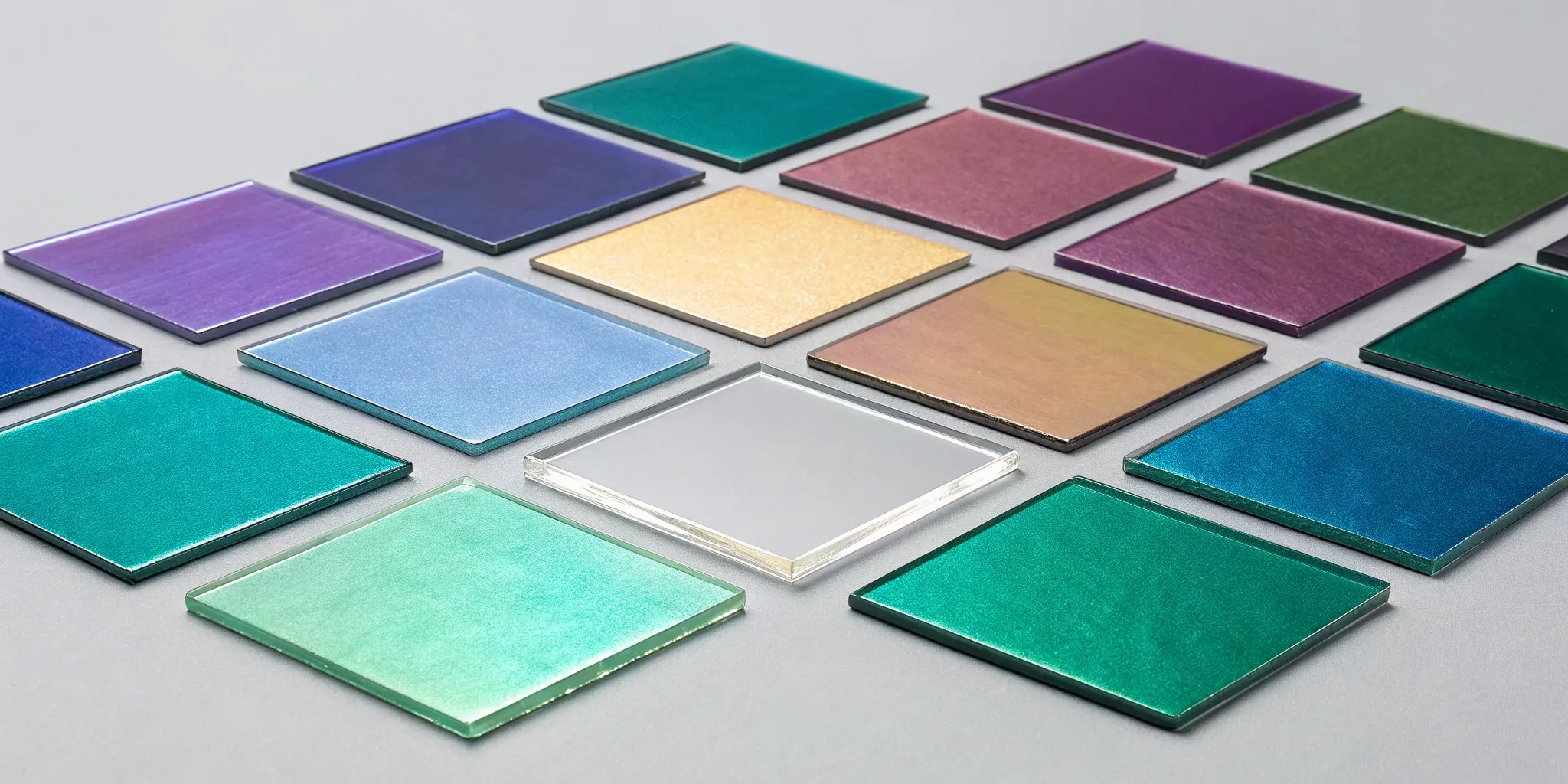
You have a brilliant project idea taking shape. Maybe it’s a set of sparkling pendants or a suncatcher that throws dancing colors across the wall. Dichroic glass is what will make it truly stand out. But the options can feel overwhelming. Smooth or textured? A bold pattern on black glass or a subtle shimmer on clear? This guide cuts through the confusion. We’ll show you how different types of dichroic glass behave in projects, helping you confidently choose the perfect dichroic glass sheet to bring your vision to life.
Key Takeaways
- Always Match Your COE for Fusing: To prevent your glass from cracking in the kiln, the COE (Coefficient of Expansion) of your dichroic glass must match all other glass in your project. Double-checking for COE90 or COE96 compatibility is the most critical step for a successful fuse.
- Shop Smart to Fit Your Project and Budget: Buy full sheets for large pieces to ensure consistency and save money over time, or choose affordable scrap packs for jewelry and smaller accents. Planning your purchases to qualify for free shipping is another easy way to reduce costs.
- Use Color and Texture to Guide Your Design: The final look of your piece is shaped by your creative choices. Think about how a textured surface will play with light, and decide between a black base for vibrant, opaque colors or a clear base for subtle, transparent effects perfect for layering.
What is Dichroic Glass?
Have you ever seen a piece of glass that seems to magically shift colors as you move it? Chances are, you were looking at dichroic glass. At its core, dichroic (pronounced “dye-crow-ick”) glass is a special type of art glass coated with incredibly thin layers of metals and oxides. This unique coating is what gives the glass its signature iridescent quality, allowing it to display different colors depending on the angle of light.
It’s a bit like the shimmer on a dragonfly’s wing or a soap bubble. The color doesn’t come from pigments or dyes; it’s created by light waves reflecting and interfering with each other. This optical magic makes dichroic glass a favorite among artists creating everything from delicate jewelry to stunning fused glass art. One moment a piece might look brilliant blue, and with a slight tilt, it can flash with vibrant gold or purple. This dynamic quality adds a layer of depth and surprise to any project, making each creation feel alive.
A Brief History of Dichroic Glass
You might be surprised to learn that dichroic glass isn’t a new invention. Its story actually begins way back in the Roman Empire, with a few rare artifacts that hinted at its color-shifting potential. The name itself comes from the Greek words for “two colors” (“dichroos”), perfectly describing its unique quality. The real magic, however, comes from modern science. Today, this glass is created in a high-tech vacuum chamber where microscopic layers of metals and oxides are fused to the surface. This process, originally developed for the aerospace industry, is what creates the stunning iridescent effect. It’s not a pigment, but pure physics at play, bending light to create that shimmer. This blend of ancient art and modern technology is what makes dichroic glass such a captivating material for artists, turning every project into a unique light show.
How Is Dichroic Glass Actually Made?
The creation of dichroic glass is a fascinating blend of science and artistry. The process happens inside a high-tech vacuum chamber where a sheet of glass is placed. Inside the chamber, materials like quartz and various metal oxides are vaporized using an electron beam. As these materials turn to vapor, they float up and settle onto the surface of the glass in extremely thin, precise layers. This process is repeated dozens of times, with each layer being thinner than a human hair. The specific combination of metals and the thickness of these layers are what determine the final colors and patterns you see in the finished sheet.
The Art of Handcrafted Quality
When you’re creating a piece that you want to be truly special, the quality of your materials is everything. Handcrafted dichroic glass, like the stunning sheets produced by Bullseye Glass, is famous for its mesmerizing, color-changing properties. Each sheet is meticulously made, ensuring artists get a product that not only looks incredible but also performs beautifully and reliably in the kiln. The idea of using dichroic coatings isn’t new; its roots can be traced through history, highlighting an enduring fascination with light and color that continues with the craftsmanship of today.
This visual magic comes from a high-tech coating process where thin layers of metals and oxides are applied to the glass, allowing it to reflect one color of light while letting others pass through. The specific combination of metals and the thickness of these layers determine the final colors and patterns you see in the finished sheet. This precision in manufacturing is what gives the glass its visual punch and provides artists with a versatile medium that can adapt to their creative visions.
As you plan your next project, think of the handcrafted quality of dichroic glass as a key part of your artistic expression. The shimmering effects and vibrant colors can turn a simple design into an extraordinary work of art, making each piece a unique reflection of your creativity.
Why Is Dichroic Glass So Special?
What truly sets dichroic glass apart is its chameleon-like ability to change colors. It’s designed to reflect one color while transmitting a completely different one. This means that when you look at the glass, you see a brilliant, reflected color, but when you hold it up to the light, you see another color shining through. This dual-color property gives your artwork an incredible sense of dimension and movement. Top brands like CBS Dichroic Glass offer a huge variety of textures and patterns, giving you endless creative possibilities. Whether you’re making a small pendant or a large decorative panel, dichroic glass ensures your piece will be a showstopper.
Where to Buy the Best Dichroic Glass Sheets Online
Finding a reliable online shop for dichroic glass can feel like a treasure hunt. You need a place that not only has a great selection but also delivers high-quality, consistent products you can trust for your projects. The last thing you want is to receive a sheet of glass that doesn’t meet your expectations. A good supplier understands the needs of glass artists, offering a wide range of colors, patterns, and textures to spark your creativity. It’s about more than just making a sale; it’s about providing the materials that help bring your artistic vision to life.
That’s where we come in. We’ve built our shop to be a dependable resource for glass artists of all levels. We focus on stocking a diverse inventory so you can find exactly what you need, whether you’re working on a small jewelry piece or a large architectural installation. We believe that having access to beautiful, quality materials is the foundation of any great glass art project, and we’re here to make sure you have just that.
Why Artists Choose Our Glass Shop
Think of us as your creative partner. We’ve curated an extensive collection of dichroic glass sheets because we know that every artist has a unique style. Our goal is to provide you with a variety of designs and colors that inspire you. Whether you’re just starting out or have been working with glass for years, you’ll find the perfect materials for your next masterpiece right here. We pride ourselves on being a reliable source, ensuring that the glass you see online is the quality you get delivered to your studio door.
Our Vast Selection of Dichroic Glass
When you’re ready to start a new project, having the right materials at your fingertips makes all the difference. We’ve curated our collection to feature a wide variety of dichroic glass sheets, each designed to inspire your creativity. Whether you’re looking for the sleek finish of a smooth surface, the dynamic sparkle of a textured one, bold patterns on black glass, or subtle shimmers on clear, we have something to suit every artistic vision. Think of our inventory as your personal palette, filled with options that can help you achieve the exact look you’re imagining for your next fused pendant, decorative bowl, or stained glass accent.
A great starting point is deciding between a black or clear base, as this choice dramatically influences the final look. Dichroic glass on a black base delivers rich, opaque colors that are incredibly vibrant. The dark background makes the metallic coating truly pop, creating a powerful visual statement perfect for focal points. In contrast, dichroic on a clear base provides a more delicate, transparent effect. This option allows light to pass through the glass, giving your work an ethereal quality that’s ideal for layering with other colors or for creating suncatchers that cast beautiful, shifting light.
Beyond the base, the surface texture adds another dimension to your design. Smooth dichroic glass offers a classic, polished look with a clean, mirror-like reflection. It’s a versatile choice for any project. If you want to create more complex light play, our textured dichroic glass is an excellent option. Surfaces with patterns like crinkles or ripples catch and scatter light from countless angles, producing a brilliant, glittering effect. This added physical depth can make a simple design feel more intricate and dynamic, turning your piece into a true conversation starter.
As you explore all these creative possibilities, the most important technical detail to remember is the COE. To prevent stress cracks during firing, your dichroic glass must have the same Coefficient of Expansion as all other glass in your fusing project. We make it easy to find what you need by organizing our inventory into dedicated sections for both COE90 and COE96 glass. With the right materials in hand, you can confidently bring your artistic vision to life, knowing each sheet is crafted to meet high standards of quality and creativity.
Discover Our CBS Dichroic Glass
We carry a fantastic selection of CBS dichroic glass, a favorite among many artists for its stunning effects and reliability. You can find it in full sheets for larger projects or in convenient mixed scrap packs, which are perfect for making jewelry or adding small, sparkling accents to your work. This flexibility allows you to experiment without committing to a large sheet, or to stock up when you’re ready to go big. Our collection gives you the freedom to explore different patterns and colors in a way that fits your budget and project needs.
More Brands You’ll Love
In addition to CBS, we stock glass from other top-tier brands known for their exceptional quality. You’ll find an incredible range of COE90 glass, including specialty dichroic sheets from Bullseye Glass Co., which are perfect for fusers and jewelry makers looking for vibrant, durable options. We also offer a beautiful selection of COE96 glass for those who prefer working with that standard. By carrying products from the most reputable names in the industry, we make sure you always have access to the best materials on the market.
More Than a Supplier: Community and Resources
We see ourselves as more than just a shop; we’re a partner in your creative process. We know that the right piece of glass can be the difference between a good project and a great one, which is why we’re committed to understanding what artists like you need. It’s not just about selling glass—it’s about providing the materials and support that fuel your passion. Beyond our inventory, we want to be a source of inspiration for the glass art community. From detailed blog posts that walk you through new techniques to offering a wide variety of molds that can spark your next idea, we’re here to help you grow. Your success is our success, and we’re dedicated to providing the resources and high-quality COE96 glass you need to make every project something you’re proud of.
Beyond the Sheet: Other Forms of Dichroic Glass
While dichroic sheets are fantastic for creating a base or a large focal point, the magic of dichro doesn’t stop there. To add intricate details, unique textures, and surprising effects to your work, you can explore dichroic glass in a variety of other forms. These smaller, specialized pieces are perfect for taking your designs to the next level, allowing for a level of detail that’s hard to achieve with a full sheet. From sparkling powders to delicate threads of glass, these options open up a whole new world of creative possibilities for your fused glass art, letting you add that perfect finishing touch with precision and flair.
Frit and Frit Flakes
If you want to add a sprinkle of sparkle or create a textured, glittering surface, dichroic frit is your best friend. Frit is essentially crushed glass that has been coated with the same mesmerizing, multi-layered metallic finish as dichroic sheets. It comes in various grain sizes, from fine powder to larger flakes, giving you precise control over the effect you want to create. You can use it to fill in small areas with vibrant color, create a gradient effect, or add a shimmering top layer to your fused pieces. It’s an incredibly versatile material for adding depth and intricate detail to your glass art projects.
Stringers and Noodles
For adding crisp lines and delicate accents, look no further than dichroic stringers and noodles. Stringers are thin, spaghetti-like rods of glass, typically around 1mm thick, perfect for drawing fine details or creating intricate patterns. Noodles are their flatter, wider cousins, like tiny ribbons of glass that can be used to make bolder lines or design elements. Both are coated with a dichroic layer, so they catch the light beautifully. You can lay them across your base glass to create geometric designs, flowing curves, or even write out words before you fire your piece in the kiln.
Firestrips
Firestrips offer a playful and dynamic way to incorporate dichroic effects into your work. These are wavy, pre-cut strips of dichroic glass that come in various widths and styles, including solid colors, patterns, and textured surfaces. Because of their unique, undulating shape, they add a sense of movement and energy to a piece that’s different from the straight lines of stringers or noodles. You can arrange them in a pattern, weave them together, or place them randomly for a more organic feel. They are a simple yet effective way to add a pop of shimmering, color-shifting flair to your designs.
Specialty COE-Independent Products
One of the biggest rules in glass fusing is matching your COE to prevent cracking. However, some specialty dichroic products break that rule, offering incredible versatility. These materials are designed to be compatible with any type of glass, whether it’s COE90, COE96, or even bottle glass. This freedom allows you to experiment without worrying about compatibility issues, making them fantastic tools for mixed-media artists or anyone looking to add a dichroic touch to a non-standard glass project. They open the door to new creative explorations without the usual technical constraints.
Dichroic Extract
Imagine being able to paint with pure dichroic shimmer. That’s essentially what Dichroic Extract allows you to do. This unique product is the pure metallic coating carefully removed from the glass and bottled. Because it’s just the coating itself, it’s completely COE-independent. You can mix it with a medium and apply it to any glass surface to add a touch of iridescence exactly where you want it. It’s a fantastic option for artists who want to experiment with dichroic effects in a more fluid, painterly way, adding subtle highlights or bold flashes of color to their work.
Dichroic Glow Powder
For a truly magical effect, Dichroic Glow Powder combines the color-shifting properties of dichro with a glow-in-the-dark surprise. This powder is made from pure glow pigment and, like the extract, can be used with any type of glass. During the day, it adds a subtle shimmer to your piece, but in the dark, it reveals a hidden, luminous glow. This is an exciting material for creating jewelry that has a secret second life at night or for adding an unexpected element of wonder to decorative art pieces. It’s a fun and innovative way to make your glass art stand out.
How Much Does Dichroic Glass Cost?
Dichroic glass is one of the most captivating materials you can work with, but its price can seem a bit mysterious at first. The cost varies quite a bit, depending on what you’re buying. You might find small pieces for jewelry projects for under twenty dollars, while large, patterned sheets for architectural work can be a more significant investment. The good news is that there are options available for every type of project and budget, so you can definitely incorporate its unique shimmer into your work.
The price of dichroic glass is a direct reflection of the complex, high-tech process used to create it. Thin layers of metallic oxides are vaporized onto the surface of the glass in a vacuum chamber, which gives it that signature color-shifting effect. This intricate manufacturing process requires specialized equipment and precision, meaning it will always cost more than standard art glass. However, whether you’re just starting out or you’re a seasoned pro, you can find dichroic glass that fits your needs without breaking the bank. From affordable scrap packs to premium full sheets, understanding the different formats and what influences their price will help you make the best choice for your art.
Great Finds on a Budget
If you’re looking to add that stunning dichroic sparkle to your work without a big upfront cost, you have some fantastic options. Scrap packs are a glass artist’s best friend. These are collections of various-sized off-cuts from larger sheets, offering a rainbow of colors and patterns in one package. They are perfect for making jewelry, creating mosaic-style accents, or experimenting with new designs. You can also find dichroic frit, which consists of tiny flakes of glass that are wonderful for adding shimmering texture to your fused pieces. These budget-friendly choices let you explore the magic of dichroic glass and add incredible value to your finished art.
For Those Extra-Special Projects
When your project calls for a consistent pattern or a larger, seamless piece of dichroic glass, investing in full sheets is the way to go. Premium sheets from top brands like CBS Dichroic give you a flawless surface to work with, ensuring your design is exactly as you envision it. Prices for individual sheets typically start around $16 and increase based on size, the complexity of the pattern, and the type of coating. While the initial cost is higher than scrap, buying a full sheet is often more economical for bigger projects or for creating a cohesive collection of work. It gives you complete creative control over the final look.
What Determines the Price Tag?
Several factors contribute to the final cost of dichroic glass. The primary driver is the highly technical manufacturing process, which requires specialized equipment. Beyond that, the size of the glass is a major factor; larger sheets will naturally cost more. The complexity of the pattern also plays a big role, as intricate designs require more precision to produce. Finally, the type of base glass matters. For example, dichroic coatings on black glass often appear more vibrant and can be priced differently than those on clear glass. Understanding the COE compatibility is also crucial, as you’ll need to match it to your other glass for successful fusing.
What to Look for in a Dichroic Glass Sheet
Shopping for dichroic glass is one of the most exciting parts of planning a new project. That shimmer is just irresistible! But with so many options, it can be a little overwhelming to know where to start. To make sure you get the perfect piece for your vision, it helps to keep a few key things in mind. Think about the colors you want to see, the texture that will catch the light just right, and, most importantly, how it will play with the other glass in your piece. Let’s walk through the main factors to consider so you can choose your next sheet of dichroic glass with confidence.
Look for Vibrant, Shifting Colors
The magic of dichroic glass is all in its color. What looks like a brilliant blue from one angle can shift to a fiery gold with a slight tilt of your head. This dynamic quality is what makes every piece so special. When you’re browsing, think about the primary color you see and the colors it shifts to. Some sheets have a dramatic, multi-color shift, while others offer a more subtle transition between two complementary tones. Consider how the lighting in your final piece will affect these colors and choose a vibrancy that matches the mood you’re trying to create.
Picking the Right Thickness and Finish
Dichroic glass typically comes in two standard thicknesses, 2 mm and 3 mm, so your choice will depend on the structural needs of your project. Beyond thickness, you’ll also want to consider the finish. You’ll find options like transparent, which is see-through and great for layering, and opalescent, which has a milky, opaque quality that makes the dichroic coating really pop. A transparent finish lets you see other layers of glass behind it, while an opalescent finish provides a solid, vibrant background for the color-shifting effect. Think about whether you want to layer colors or let the dichroic stand on its own.
Why COE Compatibility Is a Must for Fusers
If you’re a glass fuser, this is the most important factor to consider. The Coefficient of Expansion, or COE, measures how much glass expands and contracts when heated and cooled. For a successful fuse, all your glass must have the same COE. If they don’t match, your piece can crack or even shatter in the kiln. Most of the dichroic glass you’ll find is designed to be compatible with COE 90 glass, making it a perfect partner for Bullseye glass. We also carry a wide selection of COE 96 glass for your other projects, so always double-check the COE before you buy.
Understanding COE-Independent Options
We’ve all had it drilled into us: always match your COE. But what if I told you there’s a way to add that incredible dichroic shimmer to almost any glass project, regardless of its COE? Meet COE-independent products. These materials are a game-changer because they don’t have a glass base. A fantastic example is dichroic extract, which is literally the pure, colorful coating carefully removed from the glass. Because it’s just that magical, paper-thin layer of metals and oxides, it has no COE to worry about. This means you can sprinkle it onto your COE90 projects, COE96 pieces, or even incorporate it into your stained glass work without fear of cracking. It’s the perfect solution for mixed-media art or when you just want to add a touch of sparkle anywhere.
Considering Transparency and Texture
Texture adds another layer of depth and complexity to your work. A smooth, clear dichroic sheet has a sleek, modern feel, but a textured piece can create incredible light effects. You can find dichroic glass with all sorts of textures, from gentle ripples and reeded lines to more dramatic granite or herringbone patterns. These textures interact with the dichroic coating, breaking up the light in unique ways and adding a tactile quality to your art. When choosing, imagine how a specific texture will enhance your design and contribute to the overall look and feel of your finished piece.
Specialty Textures: Prismatic, Reeded, and Crinklized
Beyond simple ripples, you can find specialty textures that create truly spectacular visual effects. Textures like Prismatic act like a crystal, splitting light into dazzling rainbows across your piece. Reeded glass features fine, parallel lines that stretch reflections and create a sense of linear movement, while Crinklized glass has a beautifully chaotic, foil-like surface that makes light dance in countless directions. These surfaces do more than just add a tactile feel; they fundamentally change how the dichroic coating interacts with light. Choosing one of these textured dichroic glass options can turn a simple design into a dynamic piece that seems to move and sparkle on its own. Imagine how a Reeded texture could mimic the look of flowing water or how a Crinklized surface could add a glittering, frosty effect to a winter-themed piece.
How to Save on Your Dichroic Glass Purchase
Dichroic glass is absolutely stunning, but let’s be real, it can be an investment. The good news is that with a little planning, you can get the beautiful glass you need without overspending. A few smart shopping habits can make a huge difference for your budget, leaving you with more to spend on other essential supplies like molds or even that new kiln you’ve been eyeing. It’s all about knowing where to look for deals and how to make the most of every purchase. Here are a few of my favorite ways to save on your next dichroic glass order.
Keep an Eye Out for Sales and Shipping Deals
Shipping costs can sometimes be an unwelcome surprise at checkout, especially when you’re ordering fragile materials like glass. One of the easiest ways to cut down on your total cost is to look for shipping promotions. We often run deals like free shipping on qualifying orders, so it’s always a good idea to check our website’s banner for current offers before you buy. Another great tip is to consolidate your purchases. Instead of placing several small orders, try to plan ahead and buy everything you need at once to meet a free shipping threshold. This simple step can save you a surprising amount of money over the year.
Example: Free Shipping Thresholds
Here’s a practical example of how this works. Many shops, including ours, offer free shipping once your order hits a certain total. Let’s say the threshold is $200. If your cart is sitting at $185, you’re so close! Instead of paying for shipping, you could add that extra sheet of COE90 glass or a new slumping mold you’ve been wanting. By doing this, you not only avoid the shipping fee but also get more materials for your studio. Planning your purchases to meet the free shipping minimum is one of the smartest ways to stretch your budget, allowing you to stock up on essentials and save money for your next big project.
When Buying in Bulk Makes Sense
If you find yourself using a lot of dichroic glass, buying in bulk is a game-changer. Just like at the grocery store, the price per piece often goes down when you purchase larger quantities. This is perfect for professional artists or anyone tackling a big project. Before you stock up, think about the colors and patterns you use most frequently. Buying full sheets of your go-to styles of COE90 glass can lead to significant savings over time compared to buying smaller cuts repeatedly. It ensures you have your favorite materials on hand and lowers your overall cost per project.
Example: Wholesale Pricing Tiers
Many suppliers structure their wholesale deals in tiers, which means the more you buy, the better your price gets. For instance, you might pay the regular price for one to four sheets of glass, but purchasing five or more could unlock a significant discount. This approach is incredibly beneficial for artists who create production work, teach workshops, or are preparing for a large commission piece. By planning your purchases to meet these tiers, you can substantially lower your material costs. If you know you’ll be using a lot of a specific type of COE90 glass, it’s always a smart move to inquire about bulk pricing. A simple phone call or email can often lead to savings that help you stretch your budget further and keep your studio well-stocked.
Why Scrap Packs Are Perfect for Small Projects
For smaller projects like jewelry, pendants, or decorative accents, you don’t always need a full, perfect sheet of glass. This is where scrap packs come in. Our dichroic scrap glass bags are filled with a variety of beautiful, irregular pieces that are perfect for experimenting. They’re an incredibly cost-effective way to get a wide range of colors and patterns without committing to a full sheet. Scrap packs are also fantastic for beginners who want to play with dichroic glass and discover what they like before making a larger investment. You never know what treasures you’ll find.
Getting Started with Scrap Packs
Opening a scrap pack feels a bit like a creative treasure hunt. You’ll find a surprise mix of colors, patterns, and irregular shapes, which is exactly what makes them so fun to work with. The best way to begin is to simply spread out all the pieces and see what you have. Let the shapes inspire you—that odd-shaped piece might be the perfect focal point for a pendant, or you could arrange several smaller bits to create a shimmering mosaic effect. Because they are so cost-effective, scrap packs give you the freedom to play without the pressure of cutting into a pristine sheet. It’s the perfect, low-risk way to experiment with layering and see how different pieces react in the kiln, making them an amazing resource for sparking new ideas.
Choosing the Perfect Dichroic Glass for Your Project
Picking the perfect dichroic glass can feel like the most exciting part of a new project. With so many shimmering colors and textures, it’s easy to get inspired. But to make sure you get exactly what you need, it helps to have a plan before you start adding items to your cart. Thinking through your project’s goals, your desired aesthetic, and your budget will help you narrow down the options and choose with confidence. Let’s walk through the three key steps to selecting the right dichroic glass for your artwork.
First, Think About Your Project’s Needs
First, think about what you’re making. The needs of a delicate pair of earrings are very different from those of a large, fused glass bowl or a stained glass panel. For jewelry, you might prefer thinner glass that’s easy to cut into small, intricate shapes. For larger architectural or decorative pieces, a thicker, more durable sheet might be necessary.
The most critical factor, especially for glass fusing, is the COE (Coefficient of Expansion). Mixing glass with different COEs in a kiln will cause stress and cracking. Before you fall in love with a color, confirm that its COE matches the other glass in your project. We carry a huge selection of both COE90 glass and COE96 glass to ensure compatibility.
Next, Pick Your Favorite Colors and Patterns
This is where your creativity really comes into play. Dichroic glass is known for its magical ability to shift colors depending on the viewing angle and light source. Consider where your finished piece will live. Will it catch the direct sunlight in a window, or will it be seen under indoor lighting? This will influence which colors appear most vibrant.
Also, decide whether you want a smooth or textured surface. Patterns like ripple, granite, or herringbone can add incredible depth and complexity to your work. Don’t forget to consider the base glass. A dichroic coating on black glass will produce bold, reflective, and opaque colors, while a coating on clear glass allows for more subtle, transparent effects that are perfect for layering.
Finally, Calculate the Size and Quantity
Finally, let’s talk logistics. Being strategic about the size and amount of glass you buy can save you both time and money. If you’re working on a large piece or creating a series, purchasing full sheets is often the most economical choice. For smaller projects like jewelry or for adding just a splash of sparkle, pre-cut squares or scrap packs are a fantastic option.
Before you buy, measure out your pattern pieces and calculate how much glass you’ll actually need. It’s always a good idea to get a little extra to account for any cutting mistakes, but planning ahead prevents you from overspending or running out of a specific color mid-project. Thinking about your budget will help you decide whether to invest in a premium sheet or get creative with a variety pack of scraps.
Ready for Some Project Inspiration?
Once you have your beautiful sheets of dichroic glass, the fun really begins. Its versatility means you can incorporate it into almost any glass art project you can dream up. Whether you’re creating a statement piece of art or a delicate piece of jewelry, dichroic glass adds a layer of depth and excitement that’s hard to achieve with other materials.
The way it plays with light makes every creation feel alive and completely unique. If you’re looking for some inspiration to get your creative gears turning, here are a few popular projects that truly let dichroic glass shine. From functional art to wearable pieces, these ideas are perfect for artists at any skill level. Let’s explore some ways you can transform this amazing material into something special.
Create Stunning Fused Glass Art
Dichroic glass is a fantastic way to add a pop of color and shimmer to your fused glass creations. You can use it to make stunning decorative plates, bowls, and coasters that catch the light beautifully. Think about creating a set of small appetizer plates with subtle dichroic accents or a large, dramatic centerpiece bowl for a dining table. You can also design decorative tiles for a kitchen backsplash or a bathroom accent wall. For larger projects, consider making a fused glass panel or wall hanging. By layering dichroic glass with other compatible glass, you can create intricate patterns and scenes that shift and change as the viewer moves. Using different slumping and draping molds will give your pieces unique shapes and dimensions, turning a flat sheet of glass into a true work of art.
Design Your Own Dichroic Jewelry
Jewelry is one of the most popular applications for dichroic glass, and for good reason. Its brilliant, color-shifting properties make it perfect for creating eye-catching pendants, earrings, rings, and bracelets. Because the colors change depending on the angle of light, each piece of jewelry you make will be completely unique. You can create bold, statement necklaces or delicate, subtle earrings that offer just a hint of sparkle. The best part is that you don’t need large pieces of glass to get started. Even small scraps of dichroic glass can be fired in a kiln to create beautiful cabochons. You can experiment with layering different colors and textures to produce surprising and gorgeous results. This makes dichroic jewelry a great project for using up leftover glass from larger pieces, ensuring nothing goes to waste.
Brighten Your Home with Suncatchers & Decor
The magical quality of dichroic glass truly comes to life when it interacts with natural light. This makes it an ideal material for creating suncatchers, ornaments, and other decorative items for the home. A dichroic suncatcher hanging in a window will cast colorful, shimmering reflections around the room that change throughout the day. You can also incorporate dichroic elements into larger stained glass panels to add focal points that draw the eye. Beyond the window, think about using dichroic glass in mosaic projects. A mosaic tabletop, picture frame, or mirror decorated with dichroic tiles can become a stunning centerpiece in any room. The way the glass changes color depending on the ambient light means your decor will never look boring. It’s a simple way to add a dynamic and artistic touch to your living space.
Making Your Dichroic Glass Go Further
Making smart purchasing decisions is a key part of being a successful artist. When you get the best value from your supplies, you can stretch your budget further and create even more beautiful work. It’s not just about finding the lowest price; it’s about understanding how to shop strategically to save money in the long run and protect the materials you invest in. A little planning before you click “buy” can make a significant difference. By timing your orders, knowing when to buy in bulk, and handling your materials with care, you ensure that every dollar you spend contributes directly to your art. These simple habits help you manage your inventory effectively and keep your studio running smoothly, so you can focus more on your creative process and less on your expenses.
How to Time Your Orders for Better Savings
One of the easiest ways to save is by planning your purchases to take advantage of shipping deals. Instead of placing small orders whenever you run out of a single color, try to consolidate your needs into a larger order. Many suppliers, including us, offer free shipping once you hit a certain spending threshold. This simple strategy can save you a surprising amount of money over time, which you can then reinvest into more supplies like new molds or that specialty frit you’ve been eyeing. Before you check out, always take a moment to see if you’re close to the free shipping minimum. It might be worth adding a few staple items to your cart to get your order delivered at no extra cost.
Dichroic Glass Sheets vs. Bulk: Which Is for You?
Deciding between single sheets and bulk purchases depends entirely on your project needs and studio workflow. If you’re experimenting with a new technique or just need a small amount of a specific color, buying a single sheet makes perfect sense. However, if you’re working on a large commission or find yourself constantly reordering the same type of COE90 glass, buying in bulk is far more economical. For artists who use a high volume of glass, purchasing five or more full sheets at once can often unlock wholesale pricing. Take a look at your upcoming projects and current inventory to decide which buying method will give you the best return on your investment.
Care Tips for Your New Dichroic Glass
Your dichroic glass is an investment, and protecting it is crucial. The stunning, color-shifting effect comes from a micro-thin layer of metallic oxides, which can be delicate. To prevent scratches, it’s best to store your glass sheets vertically in a designated rack with dividers. If you have to stack them horizontally, place a soft material like paper or thin foam between each sheet. Always handle the glass by its edges to avoid leaving fingerprints on the coated surface. Keeping your glass clean and storing it away from moisture and direct sunlight will preserve its vibrancy, ensuring it looks just as brilliant in your finished piece as it did the day you bought it.
Related Articles
- Dichroic Glass in Contemporary Architecture
- A Guide to the Best COE 96 Dichroic Glass
- Crinklized Dichroic – ArtglassSupplies
Frequently Asked Questions
What exactly is COE, and why is it so important for fusing? Think of COE, or Coefficient of Expansion, as the rate at which glass grows and shrinks when you heat it up and cool it down. For a fused piece to be successful and strong, all the glass you use must expand and contract at the same rate. If you mix glass with different COEs (like a COE90 and a COE96), they will fight against each other in the kiln, causing stress that will likely crack your artwork. Always check that your dichroic glass has the same COE as the other glass in your project.
Can I use dichroic glass in traditional stained glass projects? Absolutely. Since traditional stained glass isn’t heated to fusing temperatures, you don’t have to worry about matching the COE. You can cut and shape dichroic glass just like any other art glass and incorporate it into your panels. It works beautifully as a focal point or an accent piece, adding a dynamic shimmer that catches the light in a way standard colored glass can’t.
How do I know which side of the glass has the dichroic coating? This is a great question. The coated side usually has a more metallic, reflective sheen compared to the plain glass side. One simple way to check is to hold the glass at an angle to the light; the coated surface will look almost like an oil slick on water. If you’re still unsure, you can gently scrape a sharp tool right at the very edge of the glass. You may feel a slight drag or catch on the coated side that you won’t feel on the smooth glass side.
Is the dichroic coating durable or will it scratch off? The coating is surprisingly tough because it’s applied at a molecular level in a vacuum chamber, so it won’t peel or flake off. However, it can be scratched by sharp objects or abrasive materials. That’s why it’s so important to handle your sheets with care. Storing them vertically in a rack or horizontally with paper between each sheet is the best way to protect the surface from accidental scratches before you even begin your project.
When should I buy scrap packs instead of full sheets? Scrap packs are your best friend when you’re working on small-scale projects like jewelry, pendants, or mosaic accents. They give you a wonderful variety of colors and textures to experiment with at a very affordable price. You should choose full sheets when you need consistency for a larger piece, want to create a matching set of items, or have a specific pattern in mind that requires precise cuts from an uninterrupted surface.