
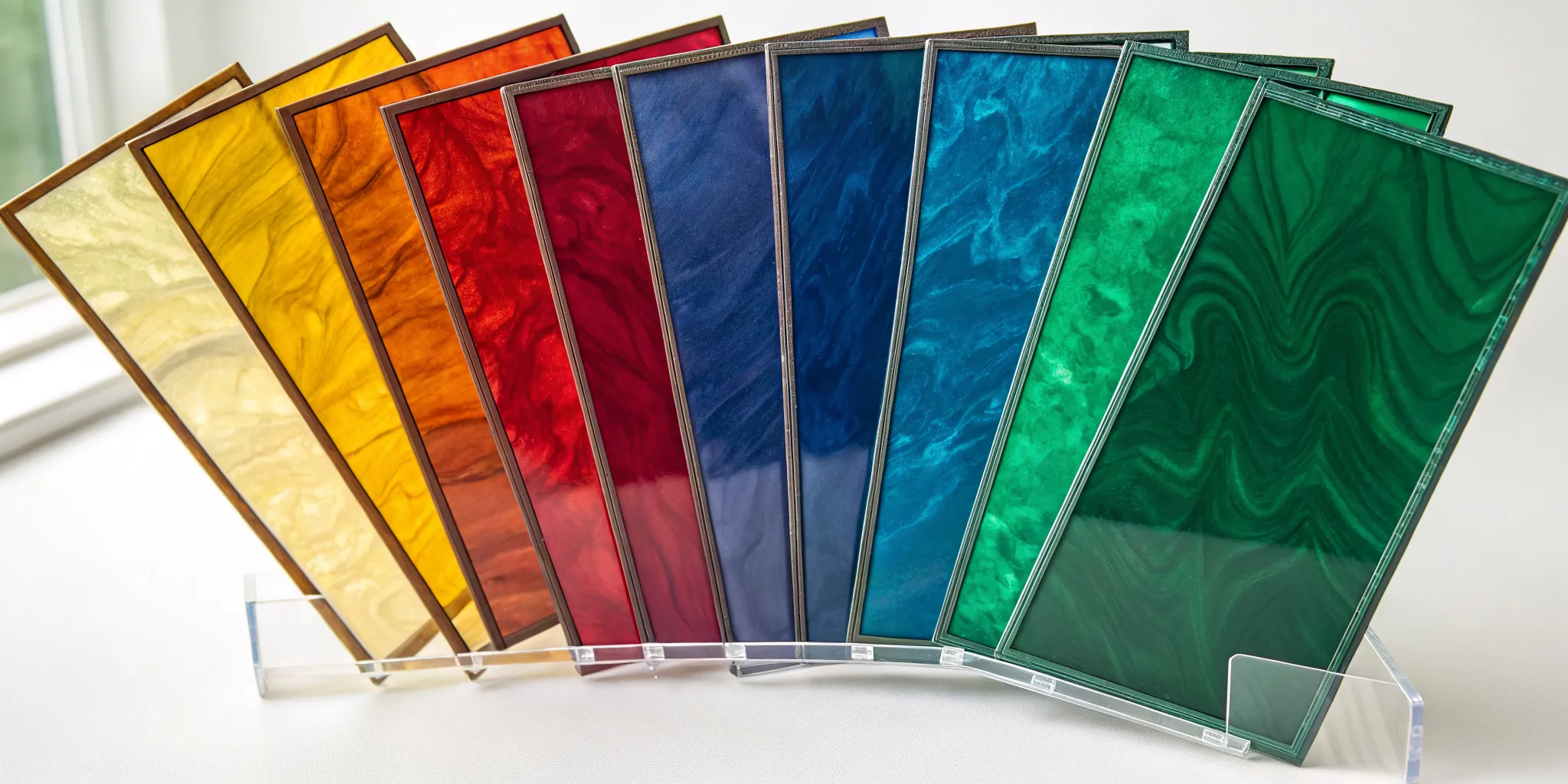
You have a brilliant idea for your next project. You can see the colors and shapes so clearly in your mind. Now for the most important step: buying stained glass to bring that vision to life. The glass you choose is everything—it’s your canvas. Making the right choice is the difference between a stunning final piece and a frustrating setback. This guide is designed to make buying glass for stained glass simple and successful. We’ll explore the different kinds of stained glass sheets, what to look for online, and how to choose the right options for your skill level.
Key Takeaways
- Know your COE for fusing projects: If you plan to melt glass in a kiln, every piece must have the same Coefficient of Expansion (COE), like COE90 or COE96. Mixing COEs will cause your project to crack as it cools, so always check this detail before buying.
- Buy for your project, not just the color: Before you fall in love with a sheet, confirm its size and thickness will work for your design. For projects that need a consistent color, buy all the glass you need in one order to get sheets from the same batch.
- Shop sales and newsletters to save money: You can build a beautiful glass collection on a budget. Regularly check clearance sections, sign up for email lists to get exclusive promo codes, and consider buying larger sheets to get a better price per square foot.
Your Guide to Stained Glass Sheets
Think of stained glass sheets as your canvas. They are the fundamental material for any glass art project, offering a stunning array of colors, textures, and finishes to bring your ideas to life. Before you start shopping, it helps to know the basic vocabulary. Understanding the main types of glass will make your creative process smoother and ensure you get the right materials for your vision. Let’s walk through the three main distinctions you’ll encounter: cathedral versus opalescent, hand-rolled versus machine-made, and fusible versus non-fusible.
Cathedral vs. Opalescent: Which Should You Choose?
The first choice you’ll often make is between cathedral and opalescent glass. Cathedral glass is transparent and typically has a smooth surface, allowing light to pass through it clearly. This makes it a perfect choice for projects where you want vibrant color and maximum brightness, like a suncatcher that will hang in a window. In contrast, opalescent glass has a milky or cloudy quality that diffuses light, creating a soft, ethereal glow. It’s less transparent, making it ideal for designs that require a more gentle light effect or for pieces where you don’t want to see clearly through the glass.
Hand-Rolled vs. Machine-Made: What’s the Difference?
Next, consider how the glass is made. Stained glass sheets are produced using two primary methods: hand-rolling and machine-rolling. Hand-rolled glass is crafted with traditional techniques, which means each sheet is unique. You might find slight swirls, bubbles, or variations in thickness that give the glass an organic, handmade character. On the other hand, machine-made glass is produced for consistency. These sheets are uniform in color and texture, which is a huge advantage for larger projects or designs that require precise matching. Neither is better than the other; it just depends on the look you want to achieve.
Fusible or Non-Fusible: A Key Decision for Your Project
This distinction is crucial, especially if you plan to use a kiln. Non-fusible glass is designed for traditional stained glass work, where you cut pieces and assemble them with copper foil or lead came. It is not meant to be melted. Fusible glass, however, is specifically made for fusing projects where you melt glass pieces together in a kiln. It’s tested for compatibility, which is measured by its Coefficient of Expansion (COE). To fuse glass without it cracking, all your pieces must have the same COE. The most common types you’ll see are COE90 glass and COE96 glass.
Exploring the Different Styles of Stained Glass
Walking into a glass supply shop, or browsing one online, can feel like being a kid in a candy store. The sheer variety of colors is dazzling, but the options go far beyond the rainbow. Stained glass comes in a stunning array of textures, finishes, and types, each offering a unique way to bring your artistic vision to life. Understanding these differences is the key to selecting the perfect sheet for your project. Whether you’re creating a traditional window panel, a fused glass bowl, or a delicate piece of jewelry, the type of glass you choose will define its character, how it interacts with light, and the techniques you can use. From the subtle patterns of textured glass to the brilliant flash of dichroic, each sheet has a personality of its own. Getting to know these varieties will not only make you a more informed shopper but will also inspire new creative possibilities you might not have considered. Let’s look at some of the most common types of stained glass you’ll find, so you can feel confident picking the right one for your next masterpiece.
Add Dimension with Textured & Patterned Glass
Texture adds a whole new dimension to stained glass art. Instead of a perfectly smooth surface, textured glass has a tactile quality with built-in patterns that can distort light in beautiful and interesting ways. You might find glass with wavy lines, a swirly “reamy” look, or patterns that mimic rain, corduroy, or vintage glass. These textures aren’t just for looks; they play a crucial role in controlling privacy and diffusion. A heavily textured glass can obscure the view while still letting plenty of light through, making it perfect for bathroom windows or privacy screens. For artists, these patterns can suggest movement, like water or wind, adding depth and life to a static piece.
Create a ‘Wow’ Factor with Iridescent & Specialty Glass
If you want to add a touch of magic to your work, look no further than iridescent glass. This type of glass has a special metallic coating fused to the surface, which creates a shimmering, rainbow-like effect that changes with the light and viewing angle. It can give a project an ethereal, mystical quality that is simply captivating. An iridescent finish can be applied to transparent or opaque glass, and it’s a fantastic way to make certain elements of your design pop. It’s especially popular for jewelry, decorative panels, and mosaic pieces where you want to create a focal point that sparkles and shines.
Unique Finishes: Dichroic & Etched Glass
Dichroic glass is a true showstopper. It’s coated with multiple ultra-thin layers of metals and oxides that give the glass the incredible ability to display two completely different colors. The color you see depends on the angle you view it from and whether the light is passing through it or reflecting off it. This creates a dynamic, color-shifting effect that is perfect for jewelry and accent pieces. Etched glass, on the other hand, offers a more subtle kind of beauty. It features designs or textures carved into the surface, creating a frosted look that adds detail and dimension without changing the glass color.
Understanding Fusible Glass: COE 90 vs. COE 96
If you plan on melting glass together in a kiln, you’ll need to use fusible glass. This glass is specifically tested to be compatible for fusing, but there’s one crucial detail to know: the COE, or Coefficient of Expansion. The COE is a number that tells you how much the glass will expand and contract when heated and cooled. To fuse glass successfully, every piece in your project must have the same COE. Mixing COEs will cause stress and cracking as the piece cools. The two most common types are COE90 glass and COE96 glass. Always check the COE before you buy and never mix them in a single fusing project.
Top Stained Glass Brands Artists Recommend
When you’re sourcing materials for your next project, the brand of glass you choose can make a big difference. Each manufacturer has its own unique history, color palette, and specialty, which gives its glass a distinct personality. Getting to know the major players in the industry will help you find the perfect sheets for your artistic vision, whether you’re creating a traditional window panel or a modern fused piece. Think of these brands as your creative partners, each offering something special to bring your ideas to life.
ArtGlassSupplies.com
As a one-stop shop for glass artists, we pride ourselves on carrying an extensive inventory of high-quality supplies. We stock a huge variety of stained glass sheets, tools, and accessories to support both new hobbyists and seasoned professionals. Our goal is to make it easy for you to find exactly what you need, from specific colors and textures to essential tools for your studio. We carefully select our products to ensure they meet our standards for quality and consistency, so you can feel confident in every purchase. Our commitment to customer service means we’re always here to help you get the right materials for your work.
Bullseye Glass
Bullseye Glass is a name you’ll hear often, especially in the world of glass fusing. Based in Portland, Oregon, they are renowned for producing top-tier fusible glass. Their products are “tested compatible,” which means you can fuse different colors together without worrying about cracks caused by mismatched expansion rates. Artists love Bullseye for its incredible range of vibrant colors and consistent quality. While they are a go-to for fusing, their beautiful sheets are also fantastic for traditional stained glass projects. If your work involves kiln forming, exploring their selection of COE90 glass is a must.
Wissmach Glass
With a legacy stretching back to 1904, Wissmach Glass has certainly earned its place as a pillar of the stained glass community. This family-owned company is known for producing a diverse and reliable range of art glass. You can find everything from classic opalescent and cathedral sheets to more unique textures that add character to any piece. Artists appreciate Wissmach for its rich, consistent colors and the durability of its glass, making it a dependable choice for projects of any scale. Their long history is a testament to their quality, and their glass continues to be a favorite for both traditional and contemporary work.
Oceanside Glass & Tile
Oceanside Glass & Tile is a major force in the art glass world, known for its innovative spirit and beautiful products. They famously took over production for the beloved Spectrum and Uroboros glass lines, continuing their legacy while adding their own creative touch. Oceanside is particularly popular among artists who work with fusible COE96 glass, offering a stunning palette of colors and textures. They are also committed to sustainable manufacturing, using recycled materials to create their glass. For artists looking for high-quality, eco-friendly glass with a modern aesthetic, Oceanside is an excellent choice for both stained glass and fusing projects.
Youghiogheny Glass
If you want your artwork to have incredible depth and richness, look no further than Youghiogheny Glass. This brand is celebrated for creating some of the most beautiful and unique art glass available. They specialize in reproducing the look of antique glass, with mottled, streaky, and textured sheets that have a truly artisanal feel. Their signature “Youghiogheny” glass is famous for its dramatic color variations and visual depth, making each sheet a work of art in itself. Artists choose Youghiogheny when they want to create pieces with exceptional character and a painterly quality that makes their work stand out from the crowd.
What to Look for When Buying Stained Glass
Walking into a glass shop or browsing online can feel like being a kid in a candy store. All those colors and textures are exciting, but it’s easy to get overwhelmed. To make sure you bring home the perfect glass for your project, it helps to have a little checklist in mind. Paying attention to a few key details before you buy will save you from potential headaches later and ensure your final piece turns out just the way you imagined. Think of it as a friendly guide to help you choose with confidence.
How to Choose the Right Thickness and Size
Before you fall in love with a sheet of glass, make sure its dimensions work for your project. Glass sheets aren’t a standard size; they vary by manufacturer. For example, some brands offer 12″x12″ sheets, while others might have 10″x11.5″ pieces. If you’re working on a large panel, you’ll want to find the biggest sheets possible to minimize seams. Always check the product description for the exact measurements and thickness. Most stained glass is about 3mm thick, but it can vary. Choosing the right size from the start means less cutting and less waste.
Why COE Compatibility Is So Important
This is a big one, especially if you plan on fusing glass in a kiln. COE, or Coefficient of Expansion, tells you how much glass expands and contracts when heated and cooled. For pieces to fuse together without cracking, they must have the same COE. You can’t mix and match! Most fusible glass comes in COE90 or COE96 varieties. Traditional stained glass for copper foil or lead came projects is typically not fusible and doesn’t have a COE rating. Always double-check that you’re buying compatible glass for your specific art form.
A Guide to Matching Colors and Batches
Just like with yarn or paint, glass colors can vary slightly from one production batch to the next. A sheet of “sky blue” made in May might look a little different from one made in August. If you need a large amount of a single color for a cohesive look, it’s a smart move to buy all of it at once. This gives you the best chance of getting sheets from the same batch. When you’re shopping, look for glass from the same brand and product line to ensure the colors will complement each other beautifully in your finished piece.
Inspecting the Texture and Finish Like a Pro
Texture is where glass really comes to life. It can change how light passes through, how colors appear, and the overall mood of your artwork. You can find everything from smooth surfaces to wavy, pebbled, or corduroy-like textures. A smooth finish offers clarity, while a textured one provides privacy and distorts light in interesting ways. Think about the effect you want to achieve. Do you want a clear view, a gentle shimmer, or a dramatic play of light and shadow? The texture you choose is a key part of your artistic expression.
How to Spot Imperfections and Bubbles
What one person considers a defect, another sees as character. This is especially true with hand-rolled or hand-mixed glass. These sheets often have small bubbles, lines, or swirls that give them a unique, “old-world” charm. Machine-rolled glass tends to be more uniform. Neither is better than the other; it just depends on the style you’re going for. Take a close look at the glass and decide if its individual quirks will add to your design or distract from it. These little imperfections can make a piece feel truly one-of-a-kind.
Making Sure Online Photos Match Reality
Shopping for glass online is incredibly convenient, but it comes with one challenge: colors on your screen may not perfectly match the real thing. Photos can vary due to lighting and different monitor settings. A vibrant red might look slightly more muted in person, or a subtle texture might not be visible in a picture. Most online retailers do their best to provide accurate images, but it’s good to be aware of potential differences. If a specific shade is critical, see if you can order a small sample first. Otherwise, embrace the small surprises that come with buying this beautiful material.
Where to Buy Stained Glass Sheets Online
Finding the right glass for your project is like a treasure hunt, and buying online has opened up a whole new world of options. Instead of being limited to what your local shop has in stock, you can browse vast inventories from the comfort of your studio. But with so many choices, how do you find a retailer you can trust? It’s about more than just finding the right color; it’s about the entire experience.
The best online retailers make it easy to find what you need, provide inspiration for your next project, and get your beautiful, fragile glass to you in one piece. They act as a partner in your creative process. When you’re looking for a place to buy, consider a few key factors: the variety of their product selection, the quality of their customer support, and how they handle shipping. A great supplier excels in all these areas, ensuring you can spend less time worrying about your order and more time creating.
What Makes an Online Glass Shop Great?
A top-notch online retailer makes you feel confident from the moment you land on their site. Their website should be easy to explore, with clear photos and detailed descriptions for each sheet of glass. Think of it this way: you can’t hold the glass in your hands, so the retailer needs to do everything possible to show you its true color, texture, and finish. Great suppliers also offer excellent customer service. If you have a question about a product or need advice on your project, you should be able to get a helpful, timely response. Some even offer tools like a “glass finder” to help you narrow down their selection, making the search for that perfect piece feel less overwhelming and more exciting.
Look for a Wide Range of Choices
One of the biggest advantages of shopping online is the incredible variety. A well-stocked retailer is a playground for glass artists. Look for a store that offers a comprehensive inventory, including different types of glass for various techniques. Whether you’re working on a traditional stained glass panel or a fused glass dish, you should be able to find what you need. This includes a wide range of colors, textures, and brands, as well as both COE90 glass and COE96 glass for fusing. Having a go-to supplier with a deep selection means you can get everything for your project in one order, which is both convenient and cost-effective.
More Than Just Sheets: Glass Packs, Crates, and Bevels
While picking out individual sheets is part of the fun, sometimes your project calls for a different approach. Many online suppliers offer glass in other convenient formats. Glass packs, for example, are curated bundles of smaller, coordinated pieces. They’re a fantastic way to build your color palette without committing to large, expensive sheets, making them perfect for mosaic work or for artists who are just starting to build their collection. For larger projects, buying glass by the case can be a cost-effective option. And don’t forget about bevels! These are pre-cut, polished glass shapes with angled edges that catch the light beautifully, adding a touch of sparkle and dimension to your designs.
Supplies for Other Glass Crafts
A great online supplier doesn’t just stop at stained glass sheets; they often support a whole world of related glass crafts. If you’ve ever been curious about glass fusing, look for a shop that carries the necessary equipment. This art form involves melting glass in a kiln to create everything from jewelry to bowls and plates. To get started, you’ll need more than just fusible glass. You’ll also need specialized tools, a reliable kiln to control the heating and cooling process, and molds to shape your molten glass into its final form. Finding a retailer that stocks all these items makes it much easier to explore new techniques as your creative interests grow.
Find a Retailer with Helpful Support
The best retailers do more than just sell supplies; they support the artistic community. Look for a company that invests in your growth as an artist by providing helpful resources. This can include free patterns, video tutorials, and project guides to help you use the stained glass you buy. This kind of support is invaluable, especially if you’re just starting out. It shows that the company is passionate about glass art and wants to help you succeed. A retailer that also offers wholesale or teacher discounts demonstrates a commitment to supporting small businesses and educators, building a stronger community for everyone.
Educational Resources and Tools
Beyond just selling glass, a truly great supplier acts as a creative partner. This often comes in the form of a well-maintained blog, video tutorials, or downloadable project guides that help you get the most out of your materials. These resources can help you master a new technique, understand complex topics like COE compatibility, or simply find inspiration for your next piece. When a company provides these tools, it shows they’re invested in your success as an artist, not just in making a sale. It helps build your skills and confidence, making the entire creative process more enjoyable and rewarding, especially when you’re getting started with fusing.
Prioritize Safe Shipping and Packaging
Let’s talk about the elephant in the room: shipping glass is nerve-wracking. Nothing is more disappointing than opening a box to find a cracked or broken sheet. A reputable online retailer understands this and has their packaging process down to a science. They should use sturdy, custom-sized boxes and plenty of protective padding to ensure your glass arrives safely. Check their shipping policies before you buy. Many will offer tips on how to order efficiently, like grouping smaller sheets together to save on costs. When a company is transparent about its shipping methods and takes clear pride in its packaging, you can feel much more at ease placing an order.
Understanding Shipping Costs and Policies
Shipping costs can sometimes feel like a mystery, but they are based on the weight of your order and the special care required to pack it. A trustworthy online shop will be transparent about its shipping methods. Before you finalize your purchase, take a moment to review the store’s shipping policies. This is where you’ll find important details about how they calculate costs and what to expect. Many retailers, including us, have perfected their packing methods over years of experience. We use heavy-duty boxes and ample padding to create a secure cushion for your glass. Some shops also provide tips on how to order efficiently, like grouping smaller items together, which can help you get the most value out of your shipping fee.
Special Handling for Large Sheets
If you’re planning a large-scale project, you might be tempted to order the biggest sheets of glass you can find. It’s a great way to minimize seams and get a lot of material at once. However, it’s important to know that most online retailers have special policies for oversized sheets. To prevent breakage during transit, very large sheets, like a 24″ x 24″ piece, are often cut into two or more smaller, manageable pieces before being packed. This is a standard industry practice designed to ensure your beautiful stained glass arrives intact. While it might seem counterintuitive, a smaller sheet is far less prone to cracking under the stress of shipping. This policy protects your purchase and prevents the disappointment of receiving a damaged order.
How Much Does Stained Glass Cost?
One of the first questions artists ask is about the cost. The good news is that you can find stained glass sheets for almost any budget, with some starting under $10. The price you’ll pay depends on a few key things, like the glass type, its features, and even the brand. Understanding what drives the cost will help you choose the perfect glass for your project without any surprises at checkout. Let’s break down the main factors that influence the price.
What Factors Influence the Price of Glass?
The price of stained glass is tied closely to its unique characteristics. Texture is a big one. You’ll find glass with all sorts of surfaces, from wavy and reamy (which has a swirly look) to vintage and corduroy textures. Each one interacts with light differently, creating distinct visual effects that can make a sheet more or less expensive. The brand and overall quality also play a major role. Well-known makers like Bullseye and Wissmach offer a huge range of colors, patterns, and styles, and their reputation for quality is often reflected in the price. A more complex or vibrant sheet from a top brand will naturally cost more than a simple, clear sheet.
Budget vs. Premium Glass: When to Save or Splurge
If you’re working with a tight budget, you can absolutely find beautiful glass without overspending. Keep an eye out for sales, clearance sections, and special promotions to get high-quality sheets for less. On the other hand, premium glass offers something truly special. These options often include handmade sheets that are hand-mixed or hand-rolled, giving each piece unique swirls or bubbles. This level of craftsmanship adds to the cost, but it also means you get a one-of-a-kind sheet that can become the centerpiece of your art. For fusible projects, investing in premium COE90 glass can ensure consistent and beautiful results.
How Thickness and Size Impact Cost
It might seem obvious, but the physical dimensions of the glass sheet are a major factor in its cost. Simply put, larger and thicker sheets require more material to produce, so they cost more. Different brands offer various standard sizes. For example, you might find sheets in 12″x12″ or 10″x11.5″ sizes. When you’re planning a project, always double-check the dimensions listed on the product page. This helps you make sure you’re not only buying enough glass for your design but also that the price fits within your budget. A larger sheet might be more economical for big projects, while smaller cuts are perfect for details.
Where Else Can You Buy Stained Glass?
While we love being your go-to resource for glass art supplies, we know that every artist builds a personal list of favorite suppliers. It’s smart to know all your options, whether you’re looking for a rare color, a specific brand, or just a great deal. Exploring different shops, both online and in your community, can introduce you to new materials and inspire your work in unexpected ways. It’s all part of the creative process—finding that perfect sheet of glass is a victory in itself, no matter where you find it. This approach helps you build a versatile collection and ensures you can always find what you need for any project that sparks your imagination.
This section will cover the main categories of other places to shop. We’ll look at other specialty online retailers that, like us, are dedicated to the craft of glass art. We’ll also touch on major craft chains, which can be a convenient option for basic supplies. Finally, we’ll explore the world of secondhand glass, a fantastic way to find unique pieces and save money. Think of this as expanding your sourcing toolkit. Having a variety of places to shop for stained glass gives you the flexibility to tackle any project, whether it requires a specific, high-end sheet or a budget-friendly assortment for practice.
Other Online and Local Retailers to Check Out
While having a comprehensive supplier is a huge advantage, it’s always good to know about other players in the field. The online world is full of specialty stores dedicated to glass art, and you might even have a local shop just around the corner. These retailers can be great resources, especially if you’re searching for a particular brand or want to see glass in person before you buy. Exploring these options can help you compare prices, discover new products, and connect with different corners of the glass art community. Each shop has its own unique inventory and personality, and you might find a new favorite.
Specialty Online Stores
Several other online stores focus specifically on stained glass and fusing supplies. Retailers like Delphi Glass and Stained Glass For Less are well-known in the community and offer a wide variety of materials. You’ll find that these shops carry many popular brands, offering everything from individual sheets and fusible glass to tools and beginner kits. They operate similarly to us, providing a dedicated space for glass artists to find everything they need for their craft. Browsing these sites can be a great way to see different product assortments or catch a sale on a specific item you’ve been looking for.
Major Craft Chains
For quick trips or basic supplies, don’t overlook major craft chains like Hobby Lobby. Many of their larger locations have a section dedicated to stained glass, where you can often find a decent selection of sheets and tools. While their inventory might not be as extensive or specialized as a dedicated glass supplier, it’s an incredibly convenient option if you’re in a pinch and need a specific color to finish a project. It’s also a great place for beginners to browse materials in person without feeling overwhelmed. Just be sure to check their stock, as it can vary from store to store.
Finding Deals on Secondhand Glass
Building a beautiful glass collection doesn’t have to break the bank. Hunting for secondhand glass is a fantastic way to acquire unique materials at a fraction of the retail price. You can often find vintage sheets with colors and textures that are no longer in production, adding a truly one-of-a-kind element to your work. This approach is perfect for artists on a budget or anyone who loves the thrill of the find. You might stumble upon a box of scraps perfect for mosaics or a large sheet of a discontinued color that becomes the star of your next piece.
Local Online Marketplaces
Keep an eye on local online marketplaces like Facebook Marketplace or Craigslist for artists who are selling off their supplies. People often destash their studios, offering glass, tools, and even kilns at a great price. Artist forums and social media groups are also treasure troves for finding affordable materials. When buying secondhand, especially for fusing, be aware that the COE might be unknown, so it’s best to use that glass for traditional stained glass projects. It’s a bit of a treasure hunt, but the rewards can be well worth the effort, allowing you to experiment with a wider variety of glass without a big financial commitment.
Beginner Mistakes to Avoid When Buying Glass
We’ve all been there. You get excited about a new project, place an order for beautiful glass, and then realize you made a simple mistake that could have been avoided. Learning to buy glass online is a skill, and like any skill, it takes a little practice. Getting ahead of these common slip-ups will save you time, money, and a lot of frustration. Let’s walk through some of the most frequent mistakes beginners make so you can shop with confidence and get straight to the creative part. Think of this as your friendly checklist for smarter glass shopping.
Not Buying the Right Amount of Glass
It’s so easy to either underestimate how much glass you need or go a little overboard. While having extra glass is never a bad thing, buying too little can halt your project right in its tracks. On the flip side, placing small, frequent orders can cause shipping costs to add up quickly. A great strategy is to plan your purchases. Think about the one or two projects you have coming up and try to order the glass for them at the same time. This helps you consolidate shipping and ensures you have what you need on hand when inspiration strikes.
Forgetting to Check COE Compatibility
This is a big one, especially if you’re interested in glass fusing. COE, or the Coefficient of Expansion, tells you how much glass expands and contracts when heated and cooled. For pieces to fuse together successfully in a kiln, they must have the same COE. Mixing different COEs (like a COE 90 with a COE 96) will cause stress in the glass as it cools, leading to cracks and breaks. Always double-check that you’re buying compatible glass, like sticking to all COE90 glass for a single fusing project. Stained glass for non-fused panels doesn’t have this requirement, but it’s a critical detail for fusing.
Ignoring Slight Color Variations Between Batches
Think of art glass like batches of yarn or paint; there can be slight color variations from one production run to the next. The gorgeous photo you see online is a fantastic representation, but the sheet that arrives at your door might have subtle differences. This is a normal part of the glass-making process. If you’re working on a large project that requires perfect color consistency, the best practice is to buy all the glass you need for that piece in a single order. This increases the likelihood that all your sheets will come from the same batch.
Choosing the Wrong Thickness for Your Project
Glass comes in various thicknesses, and choosing the right one is important for the structural integrity and final look of your piece. A standard thickness for stained glass is around 3mm, but this can vary. If you’re making a large, hanging panel, you’ll want glass that’s sturdy enough to support its own weight. For delicate jewelry or overlay work, a thinner piece might be more appropriate. Always check the product details for thickness and consider what your project truly requires. The listed sizes are usually very close estimates, so keep that in mind when planning precise cuts.
Forgetting to Factor in Shipping Costs
Glass is heavy and fragile, so shipping requires special care and packaging, which comes at a cost. A common beginner mistake is not factoring this into the total budget. Placing several small orders can be much more expensive than one larger, well-planned order. Before you check out, review your cart and see if you can bundle items to make the shipping more economical. Planning your purchases to maximize what you can fit in a box is one of the smartest ways to manage your budget and build your glass collection without overspending on transit fees.
How to Find the Best Deals on Stained Glass
Building a beautiful collection of stained glass doesn’t have to drain your bank account. While some sheets are certainly an investment, there are plenty of smart ways to find great prices on the glass you love. A little bit of planning can go a long way in making your art more affordable. By being strategic about when and how you buy, you can stock your studio with gorgeous, high-quality glass without overspending. Think of it as treasure hunting; the deals are out there if you know where to look. It’s all about developing good buying habits that serve you and your art in the long run.
For me, finding a deal is part of the creative process. It feels like a small victory that makes the final piece even more rewarding. Whether you’re a hobbyist working on your first suncatcher or a professional artist fulfilling a large commission, managing your material costs is key to sustaining your passion. The good news is that you don’t have to sacrifice quality for price. With a few simple strategies, you can get the best of both worlds. From seasonal sales to bulk discounts, here are a few of my favorite tips for stretching your budget and scoring the best deals on stained glass sheets.
Shop the Sales and Clearance Sections
One of the most direct ways to save money is to keep an eye on sales. Most online glass suppliers have a clearance section where they offer discounts on overstocked items, discontinued styles, or the last few sheets from a specific batch. This is a fantastic place to find unique glass at a lower price. I always make a point to browse the sale section before I check out, just in case there’s a hidden gem. Also, be sure to mark your calendar for major holiday weekends and seasonal events like Black Friday. These are prime times for promotions, making it the perfect opportunity to stock up on your most-used supplies for future projects.
Discounts on Glass Packs and Crates
Buying glass in packs or crates is one of the best ways to get more for your money. These are curated collections of glass sheets, often grouped by color family, brand, or style. Because you’re buying in a larger quantity, retailers can offer them at a significant discount—sometimes 30% or more off the price of buying each sheet individually. This is my favorite way to quickly build up a diverse palette of colors and textures without having to pick out every single sheet. It’s also a fantastic, low-risk way to experiment with a new type of glass, like a specific brand of COE96 glass, before committing to a larger, more expensive sheet for a big project.
Savings on Individual Sheets and Equipment
While packs are great, sometimes you just need that one perfect sheet. Don’t worry, you can still find deals. Many individual glass sheets go on sale, especially in “Hot Deals” or clearance sections. This is the perfect time to snag that pricier, specialty sheet you’ve had your eye on. But don’t stop at glass—the biggest savings often come from discounts on equipment. If you’re planning to invest in a major tool like a new kiln or a set of slumping molds, waiting for a sale can save you a substantial amount of money. Signing up for a retailer’s email newsletter is the best way to get notified about these promotions so you don’t miss out.
Sign Up for Newsletters to Get Promo Codes
If you want to be the first to know about a sale, signing up for a retailer’s email newsletter is the way to go. Think of it as your personal alert system for discounts. Companies often send exclusive coupon codes and give their subscribers early access to major sales events. It’s a simple, zero-effort way to make sure you never miss a deal. You’ll get promotions sent directly to your inbox, so you can snag the best glass before it sells out. Just scroll to the bottom of the homepage and pop in your email address; it’s one of the easiest money-saving habits you can build as a glass artist.
Consider Buying in Bulk to Save Money
If you have a go-to color you use in almost every piece or you’re planning a large-scale project, consider buying your glass in larger quantities. The price per square foot for a full sheet of stained glass is often much lower than buying several smaller, pre-cut pieces. While the upfront cost is higher, you save more in the long run. This is also a great strategy if you’re an artist who sells your work and needs to keep your material costs down. Before you start your next big project, do the math. You might find that investing in a larger sheet or a pack of glass is the most economical choice.
Always Order Samples Before a Big Purchase
We’ve all been there: you order a sheet of glass that looks like the perfect shade of blue on your screen, but when it arrives, it’s not quite right. Because glass is notoriously difficult to photograph accurately, colors and textures can look different in person. To avoid costly mistakes, I highly recommend ordering a small piece as a sample before committing to a large, expensive sheet. This is especially important when you need a very specific color to complete a design. Spending a few dollars on a sample of COE90 glass can save you from the frustration and expense of buying a full sheet that you can’t use.
Tips from the Stained Glass Community
While the convenience of online shopping is undeniable, there’s a special kind of magic that happens when you connect with other artists and see glass in person. The stained glass community is full of passionate people who love to share their knowledge and discoveries. Tapping into that collective wisdom can open up new ways to source your materials and find inspiration. From quick trips to a local shop to a full-blown glass-buying adventure, exploring your options beyond the screen can be a rewarding part of your creative journey. Here are a few tips I’ve picked up from fellow artists over the years.
Making the Most of Local Shopping
There’s nothing quite like seeing the way light hits a sheet of glass with your own eyes. Local shops are fantastic for this reason. They offer a chance to get your hands on basic supplies quickly and can be a lifesaver when you run out of a specific solder or foil mid-project. While their selection might not be as vast as a large online retailer’s, they often have a well-curated inventory. Before you head out, it’s always a good idea to check their hours, as many smaller shops have unique schedules. Think of your local store as a valuable partner for immediate needs and hands-on browsing, complementing the broader variety you can find online.
Planning a Glass-Buying Road Trip
Have you ever dreamed of walking through a warehouse filled with endless racks of colorful glass? Turning a supply run into a road trip can be an incredibly fun and productive experience. Many artists plan trips to major suppliers a few times a year to stock up. This is the perfect time to buy in bulk, especially if you have a large commission or use a specific color frequently. It’s also a great opportunity to see big-ticket items in person, like large slumping molds or even new kilns. If you plan ahead, you can make the trip an efficient and inspiring part of your artistic process, returning home with a car full of treasures and new ideas.
Related Articles
- Where to Buy Colored Glass Sheets for Crafting Art.
- What Is Stained Glass Art? A Complete Guide – ArtGlassSupplies
- The Artist’s Guide to Buying Sheet Glass – ArtGlassSupplies
Frequently Asked Questions
I’m new to glass art. What’s the most important thing to check before buying glass? The most critical question to ask yourself is what kind of project you are making. If you are building a traditional stained glass panel with copper foil or lead came, you can use almost any type of non-fusible glass. If you plan to melt the glass in a kiln for a fusing project, you absolutely must use fusible glass and make sure every piece has the same Coefficient of Expansion (COE). This single detail will determine whether your project succeeds or cracks apart.
Can I use any stained glass sheet for a fusing project in my kiln? No, you cannot. Only glass labeled as “fusible” or “tested compatible” is safe for kiln work. This glass is manufactured to expand and contract at a specific, controlled rate, which is identified by its COE number. To prevent stress and cracking, every piece of glass in a single fusing project must have the same COE, such as all COE90 or all COE96. Using non-fusible glass or mixing COEs will unfortunately cause your beautiful work to break as it cools.
Is it okay to mix glass from different brands in one project? Yes, but with one very important condition. For traditional stained glass projects, you can absolutely mix brands like Wissmach, Youghiogheny, and Oceanside to your heart’s content. It’s a great way to get a variety of colors and textures. For fusing, however, you can only mix brands if they share the exact same COE. For example, you can successfully fuse a piece of Bullseye (COE90) with another brand’s COE90 glass, but you could not mix it with a COE96 sheet from Oceanside.
Why do some glass sheets cost so much more than others? The price of glass often reflects the complexity of its creation. A simple, single-color, machine-made sheet is less expensive to produce than a hand-rolled sheet with multiple colors swirled together. Specialty glass, like iridescent or dichroic sheets, has metallic coatings that add to the cost. Essentially, you are paying for the artistry, unique characteristics, and materials that make a particular sheet of glass special.
The color of the glass I received looks a little different from the website photo. Is this normal? Yes, this is completely normal and part of the nature of art glass. Glass is notoriously difficult to photograph perfectly, and its appearance can change based on the light source. Furthermore, glass is made in batches, and slight variations in color can occur from one batch to the next. This is why we recommend buying all the glass you need for a specific project in a single order to get the most consistent color match.