
There’s nothing more frustrating than opening your kiln to find a cracked project. In glass art, consistency is everything. You need glass that cuts cleanly, fires predictably, and plays well with other colors. That’s why so many artists, from hobbyists to professionals, build their studios around Bullseye glass. But what is Bullseye glass, and is it COE 90 or 96? This guide answers those questions and more. We’ll walk through choosing the right sheets, colors, and textures, ensuring your creative vision always makes it through the firing process intact.
Key Takeaways
- Compatibility is Key for Fusing: For a successful, crack-free piece, every bit of glass in your kilnforming project must be COE90. Bullseye guarantees compatibility across its entire line, so you can mix their sheets, frits, and stringers without worry, but never mix them with glass of a different COE.
- Plan Your Project Before You Fire: Get predictable results by planning ahead. Clean your glass thoroughly to prevent surface flaws, test how “striker” colors will change in the kiln, and choose the right glass thickness to match your project’s final form.
- One Glass System, Multiple Art Forms: Bullseye’s quality and variety make it a go-to material for more than just fusing. Its consistent thickness and rich colors are perfect for traditional stained glass, while the vast palette of textures and patterns is ideal for creating dynamic mosaics.
What is Bullseye Sheet Glass?
If you’ve spent any time in the world of glass art, you’ve likely heard the name Bullseye. Since 1974, Bullseye Glass has been a go-to choice for artists, and for good reason. It was founded by artists who wanted to create a reliable, high-quality material for their own work, and that artist-centric focus remains at the core of everything they do. They offer a stunning palette of hundreds of colors and styles, making it a versatile medium for a wide range of applications.
Whether you’re creating intricate fused glass bowls, designing a vibrant stained glass panel, or assembling a detailed mosaic, Bullseye provides the consistency and beauty you need to bring your vision to life. It’s known for its exceptional quality, which we’ll get into, but its real strength lies in its reliability. When you work with Bullseye, you know what to expect, allowing you to focus on your creativity instead of worrying about your materials. It’s a brand built on a deep understanding of what artists need to succeed.
The Historical Meaning of the Term “Bullseye”
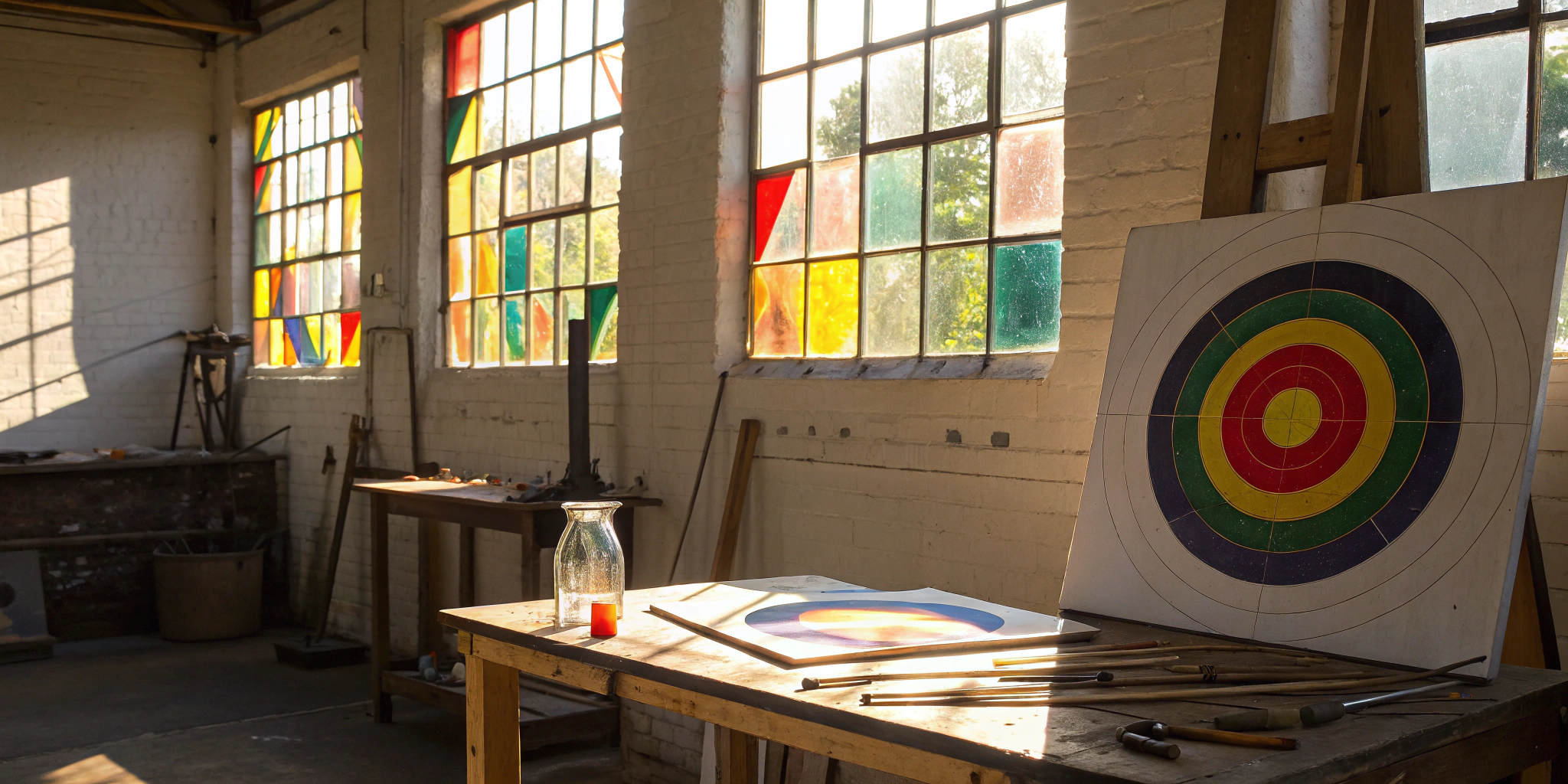
The name “Bullseye” probably makes you think of an archery target, and you wouldn’t be wrong. The term first appeared in the 1800s to describe the center of a target, symbolizing precision and a perfect shot. But it has even deeper roots in craftsmanship. In traditional glassmaking, a “bullseye” was the distinct circular mark left on a piece of hand-blown glass where the pontil rod was broken off—a signature of the process. The name also appears in architecture, where a bulls-eye refers to a small, round window. All these meanings—precision, historical craft, and classic design—come together to make it a fitting name for a brand that delivers reliable, high-quality glass for artists.
Why Is Bullseye Glass So Special?
What truly sets Bullseye glass apart is its origin story and ongoing mission: it’s made by artists, for artists. This isn’t just a catchy slogan; it’s a philosophy that guides their entire production process. Every single sheet is manufactured by hand at their factory in Portland, Oregon, and then carefully inspected for quality. This hands-on approach ensures that the glass meets the high standards that professional artists demand.
Beyond the handmade quality, Bullseye is committed to rigorous factory testing. They ensure that every color within their product line is compatible with one another, taking the guesswork out of your projects. This dedication to performance and reliability means you can confidently mix and match Bullseye products, knowing they will fuse together beautifully in the kiln.
Is Bullseye Glass 90 or 96 COE? (And Why It Matters)
Let’s talk about one of the most important technical aspects of glass: the COE. COE stands for “Coefficient of Expansion,” which is just a technical way of describing how much glass expands when it’s heated and shrinks when it cools. For a successful fuse, all the glass in your project must expand and contract at the same rate. If they don’t, your beautiful piece can crack or even shatter under stress.
Bullseye glass is a COE90 glass. This is its specific rating, and it’s crucial to remember. You cannot mix it with glass of a different COE, like COE96 glass, in the same fusing project. The key takeaway is to always stick to one COE family for a single piece to ensure it comes out of the kiln strong and stable.
The Craftsmanship Behind Bullseye Glass
The quality of Bullseye glass comes down to its meticulous, hands-on manufacturing process. Unlike mass-produced glass, each sheet is created with an artist’s touch. This careful process results in a product that is remarkably consistent and reliable. When you buy a sheet of Bullseye, you can trust that its thickness is uniform, its color is true, and it’s free from imperfections that could ruin a project.
This focus on quality extends to their entire product line, including their popular glass frits and powders. Artists often note how clean the material is and how consistent the particle sizes are, which is essential for achieving specific effects in kilnforming. This reliability means you can spend less time troubleshooting your materials and more time creating beautiful art.
Bullseye Glass vs. Other “Bullseye” Brands
You might hear the term “bullseye” used to describe a type of glass pattern, but it’s important to distinguish that from the brand itself. Bullseye Glass Co. is a specific manufacturer, and when you buy their products, you’re getting more than just a piece of glass—you’re getting a guarantee. The company’s primary promise is compatibility. Every sheet, frit, stringer, and powder they produce is tested to work together within their COE90 system. This removes the enormous risk of thermal shock and cracking that can happen when you mix glass from different manufacturers, even if they claim to have the same COE. This assurance allows you to combine different forms and colors with confidence, knowing your final piece will be strong and stable.
What really makes the Bullseye brand stand out is its deep-rooted connection to the art community. Founded by artists, the company has always prioritized the needs of creators. This philosophy is evident in their hands-on manufacturing process, where every sheet is handmade and inspected for quality at their Portland, Oregon factory. This meticulous attention to detail results in a product with remarkable consistency in color, thickness, and workability. While other brands might offer similar colors, they often lack the stringent quality control that makes Bullseye a reliable foundation for professional-level work. When you choose Bullseye, you’re choosing a material designed to perform predictably every time you fire it in the kiln.
A Note on Bullseye’s Compatibility System
The success of any fused glass project hinges on compatibility. As we covered, every piece of glass must expand and contract at the same rate when heated and cooled. Bullseye has built its entire product line around this principle, creating a closed system where every color and style is formulated to be compatible. Their rigorous factory testing ensures that you can pull any two pieces of Bullseye glass off the shelf and fuse them together without issue. This commitment saves you the time, money, and heartache of running your own compatibility tests for every new project, allowing you to focus purely on the creative process and design.
Your Guide to Bullseye Glass Types
One of the best parts of working with Bullseye glass is the sheer variety. It’s like walking into an artist’s supply shop where every color on the shelf is designed to work together perfectly. Whether you’re building a complex layered piece or a simple, elegant design, there’s a type of Bullseye sheet glass made for your project. Each style is handcrafted and inspected for quality, so you can count on its consistency. The main differences come down to how the glass interacts with light and what kind of visual effect it creates. Let’s look at the most common types you’ll find.
Classic Transparent and Clear Glass
Transparent glass is exactly what it sounds like—you can see right through it. This quality makes it perfect for creating a sense of depth in your work. You can layer different transparent colors to mix new shades or place them over opaque glass to add a glossy, vibrant finish. Bullseye’s Tekta is a popular crystal-clear sheet that many artists use as a base or a cap for their fused pieces. Beyond clear, you’ll find a whole rainbow of transparent colors, from subtle tints to deep, rich jewel tones. Think of them as your go-to for any project where you want light to pass through and illuminate your design from within.
Adding Depth with Opalescent & Textured Glass
If you need a solid field of color, opalescent glass is your best friend. Unlike transparent glass, it’s opaque, meaning light doesn’t pass through it. This makes it ideal for creating backgrounds, bold graphic elements, or pieces where you want the color to be completely solid and reflective. On the other hand, textured glass adds a tactile dimension to your work. Bullseye offers a variety of textures that can catch the light in interesting ways, adding movement and character before you even put the piece in a kiln. Combining opalescent colors with interesting textures can give your art a unique surface quality that invites a closer look.
For a Touch of Magic: Dichroic & Iridescent Glass
For pieces that need a little extra sparkle, look no further than dichroic and iridescent glass. Iridescent glass has a thin, metallic coating that gives it a shimmery, rainbow-like sheen, much like an oil slick on water. It’s a beautiful way to add a subtle glow to your work. Dichroic glass takes that shimmer to the next level. It’s coated with multiple micro-layers of metals, which causes the glass to reflect different colors depending on the angle you view it from. This stunning, color-shifting effect makes it a favorite for jewelry and eye-catching focal points in larger COE90 glass projects.
Unique Looks: Specialty Finishes & Patterns
Beyond the basics, Bullseye offers an incredible range of specialty glass to spark your creativity. Streakies, for example, are sheets made from two or more colors swirled together, creating organic, flowing patterns perfect for representing things like water or wood grain. You can also find Ring Mottles, which have a unique, dappled appearance, and Collage Glass, which incorporates different patterns and styles in one sheet. To add even more detail, you can use accessory glass like frit (crushed glass), stringers (thin rods), and confetti (thin shards). These components are made from the same compatible glass and allow you to draw, sprinkle, and add fine details to your work.
Standard Sheet Sizes
When you’re planning your next project, one of the first practical details to consider is the size and thickness of your glass. Bullseye typically offers its sheet glass in two standard thicknesses: 3mm, often called “double-rolled,” and 2mm, known as “thin.” The 3mm thickness is a versatile workhorse, sturdy enough for single-layer pieces or as a solid base for your designs. The 2mm glass is lighter, making it perfect for projects that involve a lot of layering or for more delicate applications like jewelry, as it helps you control the final weight and thickness.
In terms of dimensions, a standard full sheet of Bullseye glass measures 20×35 inches, giving you plenty of material to work with. However, you don’t always need to buy a full sheet. Many suppliers, including us here at ArtGlassSupplies.com, offer a variety of smaller, pre-cut sizes. This is helpful when you only need a small amount of a specific color or want to experiment with a wider palette without committing to large sheets. You can always find the right size of COE90 glass for your studio.
How Artists Are Using Bullseye Glass
Bullseye glass is a favorite in the art glass community for a reason: it’s incredibly versatile. Whether you’re creating a large architectural panel or a delicate piece of jewelry, its reliability and stunning range of colors make it a go-to material. Since Bullseye Glass was founded by artists for artists back in 1974, it has been engineered to perform beautifully across a wide spectrum of applications. Let’s look at the three main ways artists put this fantastic glass to work.
Perfect for Kilnforming and Fusing
This is where Bullseye glass truly shines. Kilnforming is the process of shaping glass inside a kiln using heat, and it covers techniques like fusing (melting pieces together), slumping (shaping glass over a mold), and kilncasting. Because Bullseye glass is a soda-lime glass manufactured for consistency, it behaves predictably at high temperatures, giving you precise control over the final result. This reliability allows you to experiment with complex layering and intricate designs, knowing the glass will perform as expected. Whether you’re making plates, sculptures, or decorative tiles, Bullseye provides a solid foundation for your kiln-fired creations. You can find a variety of molds to help you get started with shaping your glass.
Creating Stunning Stained Glass
While it’s famous for fusing, Bullseye is also an excellent choice for traditional stained glass work. Artists love it for its uniform thickness, which makes cutting and fitting pieces together much smoother. The vibrant, rich colors are another huge draw, allowing for incredible depth and creativity in stained glass panels. When you need a background with a subtle texture or a pop of brilliant color that catches the light just right, Bullseye delivers. Its quality makes the entire process, from scoring the glass to soldering your final piece, more enjoyable and predictable. Many artisans who work with stained glass appreciate how easily Bullseye glass cuts, saving time and reducing frustration.
Designing Mosaics and Decorative Art
The sheer variety of Bullseye glass makes it perfect for mosaics and other decorative applications. With an amazing selection of transparents, opaques, streakies, and specialty textures, you have an entire palette at your fingertips to bring your vision to life. The unique patterns and rich colors can add incredible visual interest and dimension to a mosaic piece, turning a simple design into a captivating work of art. This extensive range of COE90 glass allows you to create detailed shading, flowing lines, and dynamic compositions that might be difficult to achieve with other materials. From wall art to custom backsplashes, Bullseye offers the options you need to make something truly special.
How to Choose the Right Bullseye Sheet Glass
With so many beautiful colors and textures, picking the right Bullseye sheet glass can feel like being a kid in a candy store. But a little planning goes a long way in making sure your final piece turns out exactly as you envisioned. Choosing the right glass isn’t just about color—it’s about ensuring compatibility, predicting how it will behave in the kiln, and selecting the right thickness for your design. Thinking through these factors before you start cutting will save you time and prevent unexpected surprises during firing, setting you up for a successful and stunning result.
Match the Glass to Your Project’s Needs
The most important rule in glass fusing is ensuring all your glass is compatible. Bullseye glass is a COE90 glass, which means it has been tested to expand and contract at a specific rate when heated and cooled. For a successful fuse, every piece of glass in your project must have the same COE. Mixing different COEs will cause stress and cracking as the piece cools—a heartbreaking outcome after all your hard work. Bullseye guarantees compatibility across its entire product line, so you can confidently mix and match any of their sheets, frits, and stringers. If you ever consider mixing brands, be sure to run your own compatibility tests first.
Think About Color and Firing Behavior
One of the most magical things about Bullseye glass is how some colors transform in the kiln. Certain shades, known as “strikers,” may look pale or even clear in their cold form but will fire to a rich, vibrant final color. It’s always a good idea to look at before-and-after firing charts to understand how a color will develop. If you’re working on a complex piece or plan on multiple firings, running a small test piece through your kiln first is a great way to see the results for yourself. This little bit of prep ensures you get the exact hue you’re aiming for in your finished artwork.
Pick the Right Thickness
Bullseye sheet glass typically comes in 2mm and 3mm thicknesses, and your choice will depend on your project’s structure. When fully fused, glass naturally settles to about 6mm thick. Because of this, a common practice for projects like plates or bowls is to stack two layers of 3mm glass. This creates a sturdy, even base that works perfectly with most slumping and draping molds. The thinner 2mm sheets are fantastic for adding delicate design elements or layering colors without adding too much bulk. Thinking about your project’s final form will help you decide which thickness is the right starting point.
A Quick Safety Note on Lead-Bearing Colors
Your safety in the studio is always priority number one. Some of Bullseye’s more brilliant colors, particularly certain reds and yellows, contain lead or cadmium to achieve their unique tones. While beautiful, these materials require a bit of extra care. If you’re creating a piece that will come into contact with food, like a platter or bowl, it’s best practice to cap any lead- or cadmium-bearing glass with a layer of clear, food-safe glass. This creates a protective barrier. As a general rule, transparent lead- or cadmium-bearing glasses tend to be more stable, making them a safer option for these types of projects.
Our Top Tips for Working with Bullseye Glass
Working with Bullseye glass is a rewarding experience, but like any craft, a few key practices will set you up for success. From the first score to the final firing, paying attention to the details helps you create beautiful, professional-quality pieces. These tips will help you handle your glass with confidence and get the best results from your materials. Think of them as the foundation for building your skills and bringing your creative ideas to life.
Cutting and Preparing Your Glass
A clean cut is the first step to a great project. If you’re new to glass art, learning the basics of cutting is essential. Taking a local class can give you hands-on practice and personalized feedback. For a great at-home resource, Bullseye offers a free video lesson that walks you through the fundamentals. Mastering a straight, clean score takes a bit of practice, but it’s a skill that will serve you in every project you tackle. Don’t be afraid to practice on scrap glass until you feel comfortable and confident with your cutter.
Cleaning for a Perfect Fuse
To get that flawless, glossy finish after firing, you have to start with perfectly clean glass. This step is crucial because any dust, fingerprints, or oils left on the surface can cause visible flaws or devitrification (a hazy, crystalline growth) in the kiln. The best way to clean your COE90 glass is with a specialized glass cleaner containing water, isopropyl alcohol, and acetic acid. Be sure to avoid household cleaners with detergents, ammonia, or denatured alcohol, as these can leave behind residues that interfere with the fusing process and may even damage the glass surface.
Why Following Firing Schedules is Key
There isn’t one single “correct” temperature for fusing or slumping. The ideal firing schedule depends entirely on your project and the effect you want to achieve—whether it’s a smooth full fuse, a textured tack-fuse, or a gentle slump into a mold. The key is to understand the basic principles of how glass softens, flows, and cools in the kiln. Experimenting with different schedules and keeping detailed notes will help you learn how to control the heat to get your desired results. Start with recommended schedules and adjust them as you get to know your kiln and materials.
How to Store and Handle Your Glass Safely
Creating a safe workspace is just as important as the art itself. Always keep a well-stocked first aid kit nearby for any accidental cuts. When working with glass powders or frits, wear a respirator to protect your lungs from fine dust particles. Good ventilation in your studio is also a must. Before using any new equipment, like a kiln or grinder, take the time to read the manual thoroughly to understand its safety features and proper operation. Storing your sheet glass in a sturdy, upright rack will protect it from scratches and make it easier to handle.
Where to Buy Authentic Bullseye Sheet Glass
Now that you know what makes Bullseye glass so special, the next step is getting your hands on some. Finding a reliable source is key to ensuring you get the authentic, high-quality sheets you need for your projects. Whether you’re stocking up your studio or just buying a few special pieces, here’s what you need to know about purchasing Bullseye sheet glass.
Shop Our Bullseye Glass Selection
When you’re ready to bring your ideas to life, you need glass that you can count on. Bullseye sheet glass is made by artists, for artists, with every sheet handcrafted and inspected for quality right at their factory in Portland, Oregon. Here at ArtGlassSupplies.com, we are proud to be a trusted source for this incredible material. We carry an extensive collection of Bullseye’s COE90 glass, from vibrant opalescents to crystal-clear transparents and dazzling dichroic sheets. We understand what artists need, and we’ve curated our selection to give you the best options for your kilnforming, stained glass, or mosaic work. You can find everything you need to get started or to complete your next masterpiece right here.
How to Find an Authorized Retailer
Buying from an authorized retailer like ArtGlassSupplies.com guarantees you’re getting genuine Bullseye glass. This is so important for compatibility and achieving predictable results in the kiln. Authorized sellers have a direct relationship with the manufacturer, ensuring the glass you receive is first-quality and has been handled correctly. We offer a wide variety of options, including convenient glass packs, shimmering iridescent glass, and unique collage glass sheets. While you can buy directly from the manufacturer, shopping with a dedicated supplier gives you access to a curated inventory and the ability to bundle your Bullseye glass with other essentials like molds or tools, all in one order. It simplifies your process so you can spend more time creating.
Bullseye Resource Centers and Dealers
While we strive to be your one-stop shop for all things glass art, it’s helpful to know all the avenues available for sourcing materials. Beyond online suppliers, you can also purchase glass directly from Bullseye. They operate several Bullseye Resource Centers in cities like Portland, Santa Fe, and the Bay Area, which are fantastic places to see the glass in person and connect with other artists. You can also find their products at other authorized dealers across the country. This network ensures that no matter where you are, you have a way to access the high-quality materials you need to keep creating. Having multiple options means you can always find that perfect sheet for your next project.
Getting the Product Catalog
If you love flipping through pages of color samples to dream up your next project, you’ll want to get the Bullseye Glass Catalog. It’s an incredible resource packed with their entire line of sheet glass, frits, stringers, and more. Bullseye makes it easy to explore their offerings. You can visit their website to download a free PDF version of the catalog, which is perfect for quick reference on your computer or tablet. If you prefer a physical copy to keep in your studio, you can also order a paper version directly from them. It’s a great tool for planning color palettes and discovering new products to experiment with.
What to Expect for Pricing and Promotions
We know that high-quality materials are an investment. When shopping for Bullseye glass, keep an eye out for opportunities to get the best value. Many retailers, including us, offer better pricing when you buy in larger quantities, which is perfect for artists who are stocking up their studio for multiple projects. It’s also smart to look for shipping deals. For example, we offer free shipping on orders over $250, which can make a big difference when you’re purchasing heavy materials like sheet glass and kilns. Planning your purchases can help you take advantage of these promotions, allowing you to get more of the beautiful glass you love without stretching your budget.
Why Artists Choose Bullseye Glass
When you invest time, energy, and creativity into a piece, you want materials you can depend on. For decades, glass artists have turned to Bullseye for its reliability and dedication to the craft. It’s a brand that understands what artists need because it was built by artists. This focus shows in every sheet of glass, from its consistent performance in the kiln to the vibrant range of colors that can bring any vision to life. Choosing Bullseye means you can spend less time worrying about your materials and more time focused on your art.
Consistent Quality You Can Trust
There’s nothing more frustrating than opening your kiln to find an unexpected crack or a color that fired differently than you planned. Bullseye minimizes these surprises by maintaining incredibly high standards. Each sheet is made by hand and carefully inspected before it leaves their factory. This commitment means you get clean material with consistent thickness and reliable performance, firing after firing. When you work with COE90 glass, you’re building a system of compatible products, and knowing each sheet is up to par gives you the confidence to tackle ambitious projects.
Designed with Artists in Mind
From its start in 1974, Bullseye has always been about making glass for artists. This isn’t just a slogan; it’s a philosophy that shapes their product line. They understand that artists need a rich palette, which is why they offer such an extensive selection of colors, textures, and specialty finishes. Every product is rigorously tested for performance and compatibility, ensuring it meets the demands of kilnforming. This artist-first approach means you’re not just buying glass; you’re getting a material that’s been thoughtfully designed to inspire creativity.
A Company Founded by Artists
The phrase “by artists, for artists” gets thrown around a lot, but for Bullseye, it’s the real deal. This philosophy is at the heart of everything they do. Since their start in 1974, the company has been driven by artists who wanted to create a more reliable, high-quality material for their own work. That hands-on perspective has never left. Every sheet of glass is still made by hand at their factory in Portland, Oregon, and carefully inspected to meet the high standards that fellow artists demand. This origin story isn’t just a piece of history; it’s the reason you can trust the quality and consistency of their glass in your own studio today.
Resources for the Art Community
Bullseye’s commitment to artists extends far beyond the factory floor. They actively invest in the creative community by providing resources that help artists grow and showcase their work. Through initiatives like Bullseye Projects, they host art shows and exhibitions, giving artists a platform to share their vision. They also offer services like Bullseye Studio, which collaborates with artists and designers to create custom glass art. This level of support for artists shows that they aren’t just a supplier; they are a true partner in the art world, dedicated to fostering the talent of the people who use their materials.
Guaranteed Compatibility for Perfect Results
One of the biggest advantages of the Bullseye system is its guaranteed compatibility. Every product with the Bullseye name is tested to work together seamlessly. This means you can confidently layer different sheets, add frit, or use stringers without running endless tests for stress fractures. This compatibility is crucial when you’re firing your work in kilns, as it ensures your final piece will be strong and stable. Bullseye is also transparent about mixing brands, advising artists to test for compatibility themselves—a level of honesty that helps you make informed decisions in your studio.
Understanding the Value of Art Glass
While Bullseye provides an incredible material for creating your own art, it’s also helpful to understand what gives a finished glass piece its value. Knowing how to recognize quality craftsmanship not only makes you a more informed collector but can also inspire your own work. The value of art glass comes from a combination of the artist’s skill, the quality of the materials, and the story behind the piece. When you learn to spot these details, you start to see glass art in a whole new light, appreciating the subtle choices and expert techniques that turn a simple sheet of glass into something truly special.
How to Identify Quality Handmade Glass
When you’re looking at a finished piece, a few key details can tell you a lot about its quality. Start by picking it up. Feel its weight, the thickness of the walls, and the texture of the surface. Handmade glass often has a substantial, unique feel that you won’t find in mass-produced items. Next, look for a seam. A faint line running down the side is often a sign that the piece was made quickly in a factory mold. Finally, flip it over and check for a signature. Many artists sign their work on the bottom, which is a great first step to identify antique and vintage glass and learn about its history.
Other Notable Art Glass Brands
As you explore the world of art glass, you’ll come across some iconic names that have shaped the medium. Tiffany Studios is one of the most famous and valuable names in glass history, known for its stunning lamps and windows. Steuben Glass is another American classic, celebrated for its exceptional craftsmanship and intricate designs. Then there’s Murano glass, which comes from a long tradition of glassmaking in Italy and is renowned for its vibrant colors and artistry. While you may be working with raw materials like COE90 glass in your studio, knowing these legendary brands provides context and inspiration for what’s possible with this amazing material.
Related Articles
- Bullseye Glass Sapphire Blue Transparent Tint Double rolled 3mm COE90 – CO
- Bullseye Glass Lacy White Thin rolled 2mm COE90 – COE90 Opalescent Thin-Ro
- Bullseye Glass White Gold Pink Mottle Mix Single rolled 3mm Non-Fusible –
- Bullseye Glass Tan Transparent Thin rolled 2mm COE90 – COE90 Transparent T
- Bullseye Glass Canary Yellow Opalescent Double rolled 3mm COE90 – COE90 Op
Frequently Asked Questions
Can I mix Bullseye glass with other glass I already own? This is one of the most important questions in glass art! The short answer is no, unless you are absolutely certain your other glass is also COE90. Bullseye glass is specifically designed to expand and contract at a set rate (COE90). Mixing it with glass that has a different COE, like 96, will create stress as the piece cools, leading to cracks and breaks. To ensure your projects come out of the kiln strong and intact, it’s best to stick exclusively with Bullseye or other tested-compatible COE90 glass for a single piece.
I’m just starting out. What’s the best type of Bullseye glass for a beginner? It’s exciting to be starting your glass journey! I recommend keeping it simple at first. A great place to begin is with Bullseye’s 3mm opalescent or transparent sheets. They are a standard thickness, cut beautifully, and give you a solid foundation for learning. Bullseye’s Tekta clear sheet is also a studio staple. You can use it as a base or a top layer to give your finished piece a smooth, glossy surface. Starting with these basics will help you get comfortable with cutting and firing before you explore more specialty glass.
What’s the difference between “fusing” and “slumping”? You’ll hear these terms a lot in kilnforming, and they refer to two different processes. Fusing is the process of melting two or more pieces of glass together in a kiln until they become a single, flat piece. Slumping, on the other hand, is when you take a single piece of fused glass and heat it just enough so that it softens and “slumps” or drapes over a mold to take on a shape, like a bowl or a plate. You typically fuse first, then slump in a separate firing.
Why do some colors look different before and after firing? You’ve discovered one of the magical quirks of glass! Certain colors, which Bullseye calls “strikers,” look pale or even a completely different color before they go into the kiln. The heat from the firing process causes a chemical reaction in the glass that brings out their true, vibrant final color. It’s always a good idea to check the manufacturer’s notes for a specific color or run a small test piece if you’re unsure how a color will develop.
Do I need to cap my projects with clear glass? Capping, or adding a top layer of clear glass, isn’t always required, but it’s a very common and useful technique. It’s often done to give a piece a uniform, glossy finish and add a sense of depth to the colors underneath. More importantly, it serves as a safety measure. If you’re making something that will touch food, like a plate, you should always cap any lead- or cadmium-bearing colors with a layer of food-safe clear glass to create a protective barrier.