
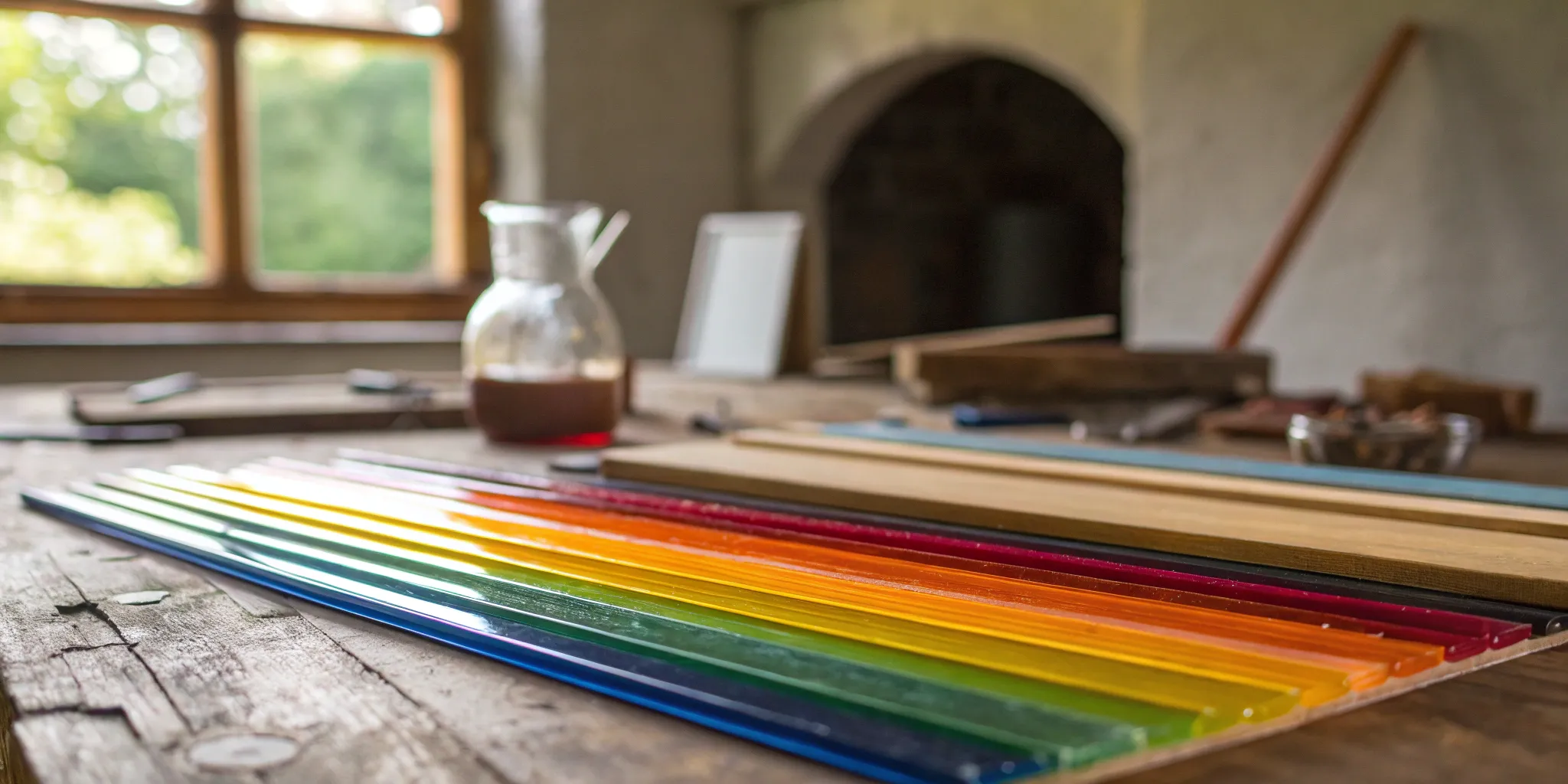
You’ve nailed the basics of cutting glass and firing your kiln. So what’s next? You’re ready to move beyond simple designs and add the kind of detail that makes your art uniquely yours. The secret is in the fine lines and textures you can only get with stringers. These delicate glass rods are like drawing tools for your fused glass projects. Using COE 90 stringer glass allows you to create everything from crisp patterns to flowing, organic lines with incredible precision. This guide will show you exactly how to use them to make your work stand out.
Key Takeaways
- Always Match Your COE: The single most important rule for a crack-free piece is to use glass with the same Coefficient of Expansion. If your base sheet is COE 90, all your stringers and other glass elements must also be COE 90.
- Think of Stringers as Your Pen: Use these thin glass strands to draw lines, create patterns, and add fine details to your work. Your kiln temperature determines the final texture—a tack fuse leaves them raised, while a full fuse melts them completely flat.
- Get More Colors for Less with an Assortment: A stringer assortment pack is the most practical and budget-friendly way to build your color palette. It gives you a versatile range of options for your projects without the cost of buying many individual tubes.
What Are COE 90 Glass Stringers?
If you’ve ever admired the delicate lines in a piece of fused glass art, you were likely looking at the work of glass stringers. Think of them as thin, spaghetti-like strands of glass that artists use to draw, outline, and add fine details to their projects. When you heat them in a kiln, they melt and fuse onto your base glass, becoming a permanent part of your artwork. The “COE 90” part is critical, ensuring your final piece comes out strong and beautiful, without any cracks. Stringers give you the control to add a personal touch and precision to your work.
What is COE and Why Does It Matter?
Let’s break down one of the most critical concepts in glass fusing: COE. The term stands for ‘coefficient of expansion,’ which describes how much glass expands when hot and shrinks when cool. For your projects to succeed, every piece of glass must have the same COE. If you mix glasses with different COEs, they expand and contract at different rates, creating stress that almost always leads to cracks. That’s why you’ll see glass labeled as COE 90 or COE 96. Sticking to one COE ensures all components are compatible and will fuse together seamlessly.
Get to Know the Different Stringer Types
Glass stringers are threads of glass pulled from remelted sheets of compatible glass, like the popular Bullseye brand. This process ensures they have the exact same COE as the sheet glass you’re working with. They come in a surprising variety of colors and styles, from solid opaques to vibrant transparents and even shimmering dichroic options. You can also find them in different diameters, typically 1mm or 2mm. A 1mm stringer is perfect for creating delicate, pen-like lines, while a 2mm stringer gives you a bolder mark. This variety allows you to add real depth and dimension to your work.
Transparent, Opal, and Tint Styles
When you start shopping for stringers, you’ll notice they fall into a few basic categories based on how they transmit light. Transparent stringers are completely see-through, like a colored window pane, allowing light to pass through and illuminate any layers beneath. Opal or opaque stringers are solid in color and block light, providing bold, definitive lines. Tints are a beautiful middle ground; they are transparent but have a subtle hue, perfect for adding just a hint of color without overwhelming your design. With a rainbow of shades available in each style, from fiery reds to cool blues, you can find the perfect COE90 glass stringers to match your vision.
Dynamic Glass: Strikers and Reactive Types
Some glass types offer an element of surprise, changing their appearance during the firing process. Striker glass is a great example—it may look pale or even colorless before firing, but it transforms into a rich, vibrant target color once it reaches the right temperature in the kiln. Always test-fire a small piece so you know what to expect! Reactive glass is another dynamic option that changes color where it comes into contact with other specific glasses, creating unique outlines and halo effects. Understanding how these special stringers behave will give you more creative control over the final outcome of your fused glass art.
Dichroic and Sparkly Options
If you want to add some serious flair to your work, look no further than dichroic and sparkly stringers. Dichroic glass has a special metallic coating that reflects multiple colors, causing it to shimmer and shift in appearance depending on the viewing angle. Incorporating dichroic stringers can add a touch of iridescence and movement to your piece, making it truly eye-catching. Similarly, sparkly or aventurine glass contains tiny metallic flakes that glitter in the light, offering a different kind of sparkle. Both are fantastic for creating jewelry, decorative accents, or any project that needs a little extra pop.
Why Choose an Assortment Pack?
For any artist who loves having a full palette to work with, a stringer assortment pack is a game-changer. Instead of buying a large tube of a single color, an assortment gives you a curated collection of different hues. This is ideal when you’re starting out and want to experiment, or when your project calls for a wide range of colors for small details. Choosing an assortment pack is also a smart, budget-friendly way to build your collection. It’s perfect for creating detailed patterns or simply having a rainbow of options on hand for whenever inspiration strikes.
Exploring Other Forms: Rods and Ribbons
While stringers are fantastic for creating fine, delicate lines, they are part of a larger family of linear glass elements. Think of glass rods as their thicker, more substantial cousins. Rods are perfect when you need a bolder line or want to add more structural definition to your piece. On the other hand, glass ribbons are essentially flattened stringers, offering a wider, tape-like strip of color that’s great for creating unique textures or filling in small areas. Just like with stringers, the most important rule applies: always make sure your rods and ribbons match the COE of your base sheet. Using compatible COE 90 glass for all your components is the key to a successful, crack-free project.
How to Choose the Right Stringer Pack
Walking down the aisle—or scrolling through a webpage—of glass supplies can be both exciting and a little overwhelming. With so many stringer packs to choose from, how do you know which one is right for your next project? The good news is that it’s easier than it looks. By focusing on a few key factors like color, size, quality, and value, you can confidently pick the perfect assortment that will bring your creative vision to life.
Think of a stringer pack as your new paint palette. It’s a collection of possibilities waiting to be arranged on a glass canvas. Whether you’re creating delicate lines, bold patterns, or adding subtle details, the right pack will provide the variety and reliability you need. Choosing the right one sets the foundation for a successful project, ensuring your colors pop and your lines hold true after firing. This section will guide you through the selection process, helping you understand the nuances of each pack so you can make a choice that perfectly matches your artistic style and project goals. Let’s break down exactly what to look for so you can spend less time choosing and more time creating beautiful glass art.
Picking Your Colors and Styles
The first thing you’ll notice about stringer packs is the incredible range of colors. You can find everything from vibrant reds and turquoise blues to earthy forest greens and classic black and white. Your project’s theme will be your best guide here. Are you designing a fiery sunset or a calm ocean scene? Having a clear color palette in mind helps narrow down the options. Don’t forget to look for specialty stringers, too. Transparent stringers are perfect for adding subtle texture, while dichroic options can introduce a stunning, iridescent shimmer to your work. An assortment pack is a great way to experiment with colors you might not normally buy.
Color Availability by the Numbers
To give you a real sense of the variety out there, let’s look at the numbers. The palette for COE 90 stringers is massive. You can typically find over 30 shades of blue and nearly as many greens, giving you endless options for creating seascapes or lush landscapes. For warmer projects, you’ll have access to more than 15 options each for vibrant reds and rich ambers, plus a great selection of oranges and yellows. The spectrum doesn’t stop there—it also includes a dozen black and gray tones, beautiful violets, and essential neutrals, clears, and whites. This incredible range means you can find the perfect hue for any detail, allowing you to truly customize your COE 90 glass projects and bring even the most specific color schemes to life.
Choosing the Right Size and Length
When it comes to stringers, size matters. Most stringers come in a standard length of about 17.5 inches with a 1mm thickness. This size is incredibly versatile and works well for most fused glass projects, allowing you to create fine lines and intricate details. Some brands also offer thicker stringers, such as 2mm, which are great for making bolder statements in your design. Before you buy, think about the scale of your piece and the effect you want to achieve. For most artists, the standard 1mm stringer is the perfect starting point for adding linear elements to their work.
Understanding Stringer Thicknesses (0.5mm to 2mm)
Think about drawing with a set of artist pens—you have your fine-liners for detail and your thicker markers for bold statements. Glass stringers work the same way. While 1mm is a popular, all-purpose size perfect for creating crisp, pen-like lines, you can also find them in other thicknesses. A 2mm stringer, for example, will give you a much bolder, more substantial line that really stands out in your design. Some specialty stringers even come as thin as 0.5mm for incredibly delicate detail work. Choosing the right thickness is all about the effect you want to create. Mixing different sizes in a single piece is a fantastic way to add visual interest, depth, and a more dynamic feel to your art.
Trying Before You Buy: Sample-Sized Tubes
Committing to a full tube of a single stringer color can feel like a big step, especially when you’re still discovering your style. That’s where sample-sized tubes and assortment packs come in. These smaller collections are perfect for artists who want to experiment with a variety of colors and thicknesses without the upfront cost of buying full-size tubes. They give you the freedom to test how different colors react in the kiln or to see if a 2mm stringer is right for your project. This approach is not only budget-friendly but also a smart way to build a versatile palette of COE90 glass supplies, ensuring you always have the perfect color on hand for those small but crucial details.
What to Look for in a Quality Stringer
To ensure your finished piece is both beautiful and durable, always prioritize quality. The best stringers are made from threads of glass pulled from remelted, compatible sheet glass, like the reliable COE90 glass we all know and love. Using high-quality, compatible stringers is crucial because it prevents stress fractures and ensures your piece holds together perfectly during and after firing in the kiln. When your materials are consistent and reliable, you can focus on the creative part of your work without worrying about unexpected cracks or compatibility issues. This quality is what allows you to create clean, professional line work every time.
How to Get the Best Value
Getting the best value doesn’t just mean finding the lowest price—it means getting a versatile and useful collection of materials for your money. Assortment packs are fantastic for this. Instead of buying individual colors, you get a curated selection that gives you a wide range of creative options, often for a much better price. These packs are perfect for artists who are just building their supply collection or for seasoned pros who want to introduce more color variety into their work. By investing in an assortment, you’ll have a full spectrum of colors on hand, ready for whenever inspiration strikes.
A Look at Typical Price Points
When you start shopping for stringers, you’ll find that prices are pretty consistent across the board for standard options. Generally, you can expect a regular tube of COE 90 stringers, which usually contains about 5 to 6.5 ounces of glass, to cost around $28. This price point gives you a generous amount of a single color to work with, making it a great choice for projects where you need a lot of one specific hue. It’s a solid starting point for understanding the basic cost of these essential supplies. Knowing this baseline helps you budget for your projects and decide whether a single tube or a more varied assortment pack makes the most sense for your immediate needs.
Costs for Specialty Products
If you’re looking for premium colors or trusted brand names, you might notice a slight increase in price. For example, specialty products from a well-known brand like Bullseye can cost closer to $38 per tube, which reflects their exceptional quality and extensive color palette. While it’s a bit more of an investment, many artists find the consistency and vibrancy worth it. If you’re hesitant to commit to a full tube of a new color, look for smaller sample tubes. These are a fantastic, cost-effective way to experiment with different shades, like a rich black opal, without having to purchase a large quantity upfront. This lets you test how a color fires before adding it to your permanent collection.
Setting Up Your Space and Tools
Once you have your stringer assortment pack, you’re probably itching to get started. Before you dive in, let’s make sure your workspace is ready and you have everything you need. Setting up a dedicated, organized space not only makes the creative process smoother but also keeps you safe. A clean, flat work surface is essential, along with good lighting so you can see all those beautiful, vibrant colors clearly. Think about how you’ll lay out your materials to keep your base glass clean and your stringers within easy reach. A little prep work goes a long way in turning your creative vision into a stunning finished piece.
Your First Steps: Basic Application Techniques
At their core, stringers are thin threads of glass used to create line work and fine details in your fused glass projects. Think of them as drawing tools for glass art. The most basic technique is simply laying them onto a base sheet of COE90 glass. You can arrange them in straight lines, curves, or abstract patterns. Use a pair of tweezers for precise placement, especially with smaller pieces. You can also nip the stringers into smaller segments with wheeled glass nippers to create dots or short dashes. Start with a simple design to get a feel for how they handle and how they look after firing.
Your Must-Have Tools and Materials
Stringers are a studio staple, but they don’t work alone. To get started, you’ll need a few key items. First, a base sheet of compatible COE 90 glass is your canvas. You’ll also want glass cleaner and a lint-free cloth to ensure your surface is pristine before you begin. A good pair of tweezers will help you place delicate stringers precisely, and glass nippers are perfect for cutting them to size. Of course, the most important piece of equipment is a glass kiln to fire your project. Finally, don’t forget kiln shelf paper or wash to protect your kiln shelves during firing.
How to Properly Store Your Stringers
Glass stringers are long and fragile, so proper storage is key to preventing breakage. The last thing you want is to find your favorite color in a dozen tiny pieces. Many artists use tall, sturdy containers to keep them safe and organized. You can buy empty storage tubes specifically designed for this purpose, which is a great option for keeping different colors separate and dust-free. Some DIY solutions include using PVC pipes or even tall, decorative vases. Labeling your containers by color or type—like opal, transparent, or dichroic—will save you a ton of time when you’re searching for the perfect piece for your project.
Safety First: Essential Glass Fusing Tips
Safety should always be your top priority in the studio. The single most important rule in glass fusing is ensuring compatibility. When you’re working on a project, you must use only compatible glass and components. This means if you start with a COE90 glass base, all your stringers and other glass elements must also be COE 90. Mixing coefficients will cause stress and cracking as the glass cools. Beyond that, always wear safety glasses to protect your eyes from small glass shards. Handle glass with care to avoid cuts, and make sure your kiln area is well-ventilated.
Ready for More? Advanced Stringer Techniques
Once you’ve mastered the basics of handling stringers, you can start exploring more complex and creative techniques. Stringers are incredibly versatile, acting like a pen or pencil for your glass art. They allow you to add fine lines, intricate details, and amazing depth to your work. Moving beyond simple lines opens up a whole new world of design possibilities. Let’s look at a few ways you can take your stringer skills to the next level and create truly stunning fused glass pieces.
Thinking Like an Artist: Key Design Principles
The most important design principle in glass fusing is compatibility. All the glass in your project, from the base sheet to the stringers and frit, must have the same Coefficient of Expansion (COE). For the stringers we’re discussing, that means sticking exclusively with COE 90 glass for every element. Mixing COEs will cause the glass to crack as it cools because the different types expand and contract at different rates. Once you have that rule down, you can play with other principles like color, balance, and flow. Think about how contrasting colors can make your stringer designs pop or how arranging them in a specific pattern can create a sense of movement in your piece.
How to Layer Stringers for Depth and Texture
One of the best ways to create visual interest is by layering your stringers. Don’t just lay them side-by-side on your base glass. Try placing a layer of stringers, capping it with a clear piece of glass, and then adding another layer of stringers on top. This technique creates a beautiful 3D effect, making some elements appear to float above others. You can also crisscross stringers of different colors or thicknesses to build texture and complexity. Combining stringers with a light dusting of frit between layers can add even more dimension and subtle shading to your abstract or geometric designs, giving your work a professional, gallery-quality finish.
How to Create Intricate Patterns and Designs
Think of stringers as your drawing tool. Their thin, delicate form is perfect for creating detailed line work that would be impossible with cut sheet glass. You can gently break stringers into tiny pieces to form mosaic-like patterns or carefully arrange them to write words or create images. For curved lines, you can soften a stringer over a candle flame (with caution!) and bend it into your desired shape before placing it on your project. This method allows you to craft everything from flowing floral designs to complex mandalas. The precision you can achieve with stringers is what makes them essential for adding those fine, artistic details.
Getting Your Kiln Temperature Just Right
Your kiln is your partner in glass fusing, and understanding its settings is key to achieving the look you want. The temperature and firing schedule you choose will dramatically affect how your stringers melt into the base glass. A lower-temperature “tack fuse” will soften the stringers just enough for them to stick, leaving them with a raised, dimensional texture. A “full fuse” at a higher temperature will melt the stringers completely flat, making them a seamless part of the base. Experimenting with different firing schedules in your kiln will help you master these effects and give you complete creative control over the final texture of your piece.
Mixing It Up: Using Stringers with Other Materials
While stringers are designed for kiln fusing, their usefulness doesn’t stop there. Their straight, uniform shape makes them a fantastic addition to other art forms, especially mosaics. You can nip them into small, straight lines to create borders, outlines, or geometric details in a mosaic project alongside traditional tiles and stained glass. They can also be incorporated into mixed-media sculptures or even jewelry. Because they don’t require firing to be beautiful, you can glue them onto various surfaces to add a pop of color and a linear element. This versatility makes stringers a valuable material to have on hand for all kinds of creative endeavors.
Popular Stringer Collections You’ll Love
Once you know what you’re looking for in a stringer pack, it’s time for the fun part: shopping! Exploring the different collections available is a fantastic way to get inspired and discover new color combinations for your work. From curated assortments designed for specific aesthetics to the classic offerings from major brands, there’s a world of options out there. Let’s look at a few popular choices to help you find the perfect match for your studio and get your creative ideas flowing.
Our Curated ArtGlassSupplies.com Packs
We take a lot of pride in the stringer packs we put together here at ArtGlassSupplies.com. Think of them as a hand-picked bouquet of colors, curated to inspire you. Our stringers are delicate threads of glass pulled from remelted Bullseye sheet glass, ensuring they are fully compatible with your other COE90 glass projects. Choosing one of our assortment packs is a fantastic way to build your color palette without having to buy dozens of individual tubes. Whether you’re looking for a vibrant rainbow mix or a more subtle, earthy collection, we’ve designed these packs to give you a versatile and high-quality selection right out of the box. It’s a simple way to get a variety of colors ready for your next kiln session.
The Classics: Bullseye Glass Options
If you’ve spent any time in a glass studio, you’ve heard of Bullseye Glass. Their products are a staple for a reason: the quality and consistency are top-notch. Bullseye offers a huge range of stringer colors, all made from their trusted sheet glass, so you never have to worry about compatibility issues. Many artists build their entire collection around Bullseye’s color palette. You can find their stringers sold in single-color tubes or in factory-made assortment packs. These are a reliable choice for any project, from simple line work to intricate patterns. Exploring the classic Bullseye stringer collections is a great step for artists who want to work with some of the best materials in the industry.
Other Brands to Know
While Bullseye is a giant in the COE 90 world, there are other fantastic brands worth exploring. Companies like Wissmach and Youghiogheny also produce beautiful glass that can add unique character to your work. You might also come across brands like Devardi Glass, which sometimes offers rods and stringers in different thicknesses, like 5-6mm, which can be great for beadmaking or sculptural work. Trying out different brands is a great way to discover new colors, textures, and working properties. It helps you develop your personal style and find the exact materials that bring your vision to life. Don’t be afraid to experiment to create something truly unique for your next fused art glass piece.
Coatings By Sandberg
Another name you might see in your search for the perfect stringer is Coatings By Sandberg. They are well-known for offering a fantastic variety of COE 90 stringers and ribbons, making them a great resource for fused glass artists. What sets them apart is their extensive color palette, which includes everything from bold primary colors to subtle pastels and mixed hues. They also provide stringers in different thicknesses, such as ultra-fine 0.5mm for delicate details and bolder 2mm options for more prominent lines. This variety gives you more creative control over your designs, allowing you to choose the perfect line weight for your artistic vision.
Glacial Art Glass
Glacial Art Glass is a great find, especially for artists who want to try before they buy a large quantity. They offer sample-sized tubes of stringers, which is perfect when you only need a small amount of a specific color for a project. What’s even better is that their stringers are made from 100% Bullseye glass, so you can be completely confident in their quality and compatibility with your other COE 90 materials. Each sample tube typically contains around 20 pieces, giving you just enough to experiment with a new shade or add that final touch to your fused glass art without committing to a full-sized container.
Tips for a Flawless Fused Glass Project
A little preparation can make all the difference between a project you love and one that ends in disappointment. When you’re working with glass stringers, paying attention to the details before, during, and after firing is the key to creating a beautiful, lasting piece. From planning your design to understanding your kiln, these tips will help you get a flawless finish every time. Think of this as your checklist for success, helping you sidestep common issues and bring your creative vision to life exactly as you imagined it.
Start with a Plan: Sketching Your Design
Before you even touch a piece of glass, take a moment to sketch out your idea. Having a clear plan helps you place your stringers with intention and confidence. As you gather your materials, the most important rule is to ensure everything is compatible. Mixing different COEs is a recipe for disaster, as it causes stress fractures when the glass cools. Double-check that all your glass elements, from the base sheet to every last stringer, are COE 90 glass. This simple step is the single most effective thing you can do to prevent your project from cracking in the kiln.
Common Mistakes to Avoid
Ignoring glass compatibility is the number one mistake new artists make. It’s easy to get excited and grab a beautiful piece of glass without checking the label, but mixing COE 90 and COE 96 will unfortunately cause your project to break. Another common pitfall is not cleaning your glass thoroughly. Fingerprints, dust, and oils can leave a cloudy residue after firing, so always wipe your glass with a lint-free cloth and cleaner before you start. Also, be mindful of how much glue you use to hold stringers in place; too much can burn off messily and affect the final look.
Your Guide to Firing Schedules and Temps
Every kiln is a little different, so getting to know yours is essential. Your firing schedule is determined by the glass’s COE, or Coefficient of Expansion, which measures how much it expands and contracts when heated. Because all the components in your project need to move together, you must use a schedule designed for COE 90 glass. Always start with the manufacturer’s recommended firing schedule and keep detailed notes. This will help you learn how your specific kiln behaves, allowing you to make small adjustments to achieve perfect results for everything from a tack fuse to a full fuse.
How to Care for Your Finished Glass Art
Once your piece has cooled completely, it’s time to show it off. Stringers create delicate line work, and while fused glass is quite strong, it’s not indestructible. Handle your artwork with care to avoid chips and scratches. For cleaning, a soft cloth and a gentle glass cleaner are all you need to keep it sparkling. If you’ve created a functional piece like a bowl or platter using a slumping mold, it’s best to hand wash it rather than putting it in the dishwasher. Proper care ensures your beautiful glass art will last a lifetime.
Where to Buy Your Stringer Packs
Once you know what kind of stringer pack you need, the next step is finding a reliable place to buy it. The right supplier can make all the difference, offering not just quality products but also great service and fair prices. It’s worth spending a little time researching your options to find a retailer you can trust for all your glass art needs. Think about factors like their selection, how they handle shipping for fragile items, and what kind of support they offer if you have questions. A good supplier becomes a partner in your creative projects, ensuring you get the materials you need without any hassle.
The Best Online Shops for Glass Supplies
Your best bet for finding high-quality stringers is usually through specialized suppliers that focus on glass art. Here at ArtGlassSupplies.com, we carry a huge variety of stringer packs designed for fusing artists. Other online stores like Stained Glass Express also focus on specific brands, such as Bullseye. You might even find basic assortment packs on larger marketplaces like Amazon, which can be convenient, but they often lack the specialized selection and expert support you get from a dedicated glass supplier. For the best variety and quality control, sticking with a retailer that lives and breathes glass art is always a good move.
The Scale of Online Selections
One of the biggest advantages of shopping online is the incredible selection. While a local shop might have a few basic colors, online retailers offer a massive inventory. You can find everything from vibrant reds and turquoise blues to earthy forest greens, all sorted and easy to find. This makes it simple to get exactly what you need for a specific project, whether you’re working with COE90 glass or another compatibility. Online stores also give you access to a wider range of brands beyond the basics. While Bullseye is a staple, you can also explore beautiful glass from companies like Wissmach and Youghiogheny, helping you discover new materials to add a unique touch to your work.
How to Compare Prices Like a Pro
Stringer prices can vary quite a bit, so it pays to do some comparison shopping. Individual stringers might cost anywhere from a couple of dollars to nearly $50 for rare dichroic styles. Assortment packs are generally a great value, typically falling in the $40 to $50 range for a bundle of different colors. When comparing, don’t just look at the sticker price. Check how many stringers are in the pack or the total weight of the glass to understand the cost per piece. This helps you accurately compare value between different brands and retailers to make sure you’re getting the most for your money.
What to Know About Shipping Glass
Shipping glass is a delicate process, and the costs can add up. Because stringers are long and fragile, they require careful packaging to arrive in one piece. Many suppliers have a flat-rate shipping fee; for example, some charge around $20 for orders in the US. Before you buy, always check the retailer’s shipping policy. Look for information on how they package their products and whether they offer shipping insurance. A little extra for secure packing is much better than receiving a tube of shattered glass. A good supplier will be transparent about their shipping methods and costs right from the start.
Special Shipping Rules and Materials
While stringers and sheet glass usually ship without any special issues, it’s good to know that some art supplies come with their own set of rules. Certain chemicals, powders, or enamels used in glass art can be classified as ‘Other Regulated Materials’ (ORMD) or even ‘Hazardous Materials.’ This doesn’t mean they are dangerous for you to use in your studio, but it does mean they have specific shipping requirements that can affect cost and delivery options. Always read the product description carefully before you buy. Reputable suppliers will clearly state if an item has shipping restrictions or extra fees, so you’ll know exactly what to expect when your package arrives at your door.
How to Find Flat-Rate Shipping Offers
Shipping costs can be a significant part of any supply order, but smart artists know how to find the best deals. Many online retailers offer flat-rate shipping, which can save you a lot of money, especially when you’re stocking up. Look for offers where you pay one set price for shipping, often after your order reaches a certain total, like $75 or $100. This is the perfect time to bundle your stringer pack with heavier items like COE90 glass sheets or a new slumping mold. Before you check out, always take a minute to find the store’s shipping policy page—it’s usually linked at the bottom of the site. This is where you’ll find all the details on rates, packaging, and insurance.
Why Good Customer Support Matters
Great customer support is essential, especially when you’re buying materials for a creative project. What happens if your order arrives damaged or you accidentally bought the wrong COE? Look for retailers with clear and fair return policies. For instance, some sellers offer a 30-day window for returns on items in their original condition. Beyond policies, consider the quality of support. Can you easily contact someone with questions about a product? A knowledgeable team that can help you troubleshoot a project or choose the right materials is an invaluable resource that you won’t find at a big-box online marketplace.
Related Articles
- Bullseye Glass Stringers Cobalt Blue Opalescent COE90 – COE90 Stringers
- Bullseye Glass Stringers Steel Blue Opalescent COE90 – COE90 Stringers
- Bullseye Glass Stringers Olive Green Transparent COE90 – COE90 Stringers
- Bullseye Glass Stringers Powder Blue Opalescent COE90 – COE90 Stringers
- Bullseye Glass Stringers Light Bronze Transparent COE90 – COE90 Stringers
Frequently Asked Questions
Is it really a big deal if I mix COE 90 stringers with my COE 96 glass? Yes, it’s the most important rule in glass fusing. Think of it like trying to build something with two different types of metal that shrink at different rates—it’s bound to break under pressure. When you fire glass with different COEs, they expand and contract differently as they cool, creating stress that will almost certainly cause your beautiful piece to crack. Sticking to one COE for every single element in your project is the key to a successful, durable piece of art.
What’s the best way to cut stringers for precise lines or shapes? For straight, short pieces, your best tool is a pair of wheeled glass nippers. They give you a clean, crisp snap exactly where you want it. If you’re hoping to create curves, you can carefully and slowly warm a stringer over a candle flame until it becomes pliable enough to bend into a gentle shape. Just be sure to work in a well-ventilated area and handle the warm glass with tweezers.
What will my stringers actually look like after a tack fuse versus a full fuse? This is where you get to control the final texture of your piece. A tack fuse uses a lower temperature, so the stringers will soften and stick to the base glass but remain raised, giving your project a distinct, dimensional feel you can see and touch. A full fuse brings the kiln to a higher temperature, melting the stringers completely flat so they become a smooth, seamless part of the surface, much like a drawing that’s embedded in the glass.
Why did my stringer design shift or get blurry in the kiln? This can happen for a couple of reasons. If your kiln heats up too quickly, the air movement inside can sometimes nudge your delicate stringers out of place before they have a chance to stick. Another common cause is using too much glue to hold them down; as the glue burns off, it can cause the stringers to float and move. Try using just a tiny dot of glue and a slower initial firing schedule to keep your designs sharp.
I’m just starting out. Is an assortment pack the best choice for me? Absolutely. An assortment pack is the perfect way to begin your journey with stringers. Instead of committing to a large tube of a single color you might not use often, an assortment gives you a whole palette of colors to experiment with. It’s a cost-effective way to discover which hues you love to work with and gives you the freedom to try out different color combinations without a big initial investment.
Checking Inventory and Stock Status
Before you fall in love with a specific color for your next masterpiece, it’s smart to quickly check its stock status. The most critical check is ensuring you’re buying the right materials for your project. The golden rule of fusing is compatibility, so double-check that the stringers you want are specifically labeled as COE 90 to match your other COE 90 glass. Mixing coefficients is the fastest way to a cracked project. Beyond that, popular colors can sometimes sell out, so confirming availability before you plan your entire design around a specific shade of blue or red can save you a headache later. If a color you need is out of stock, an assortment pack can be a great alternative, often providing a similar hue or a beautiful complementary color to keep your project moving forward.