
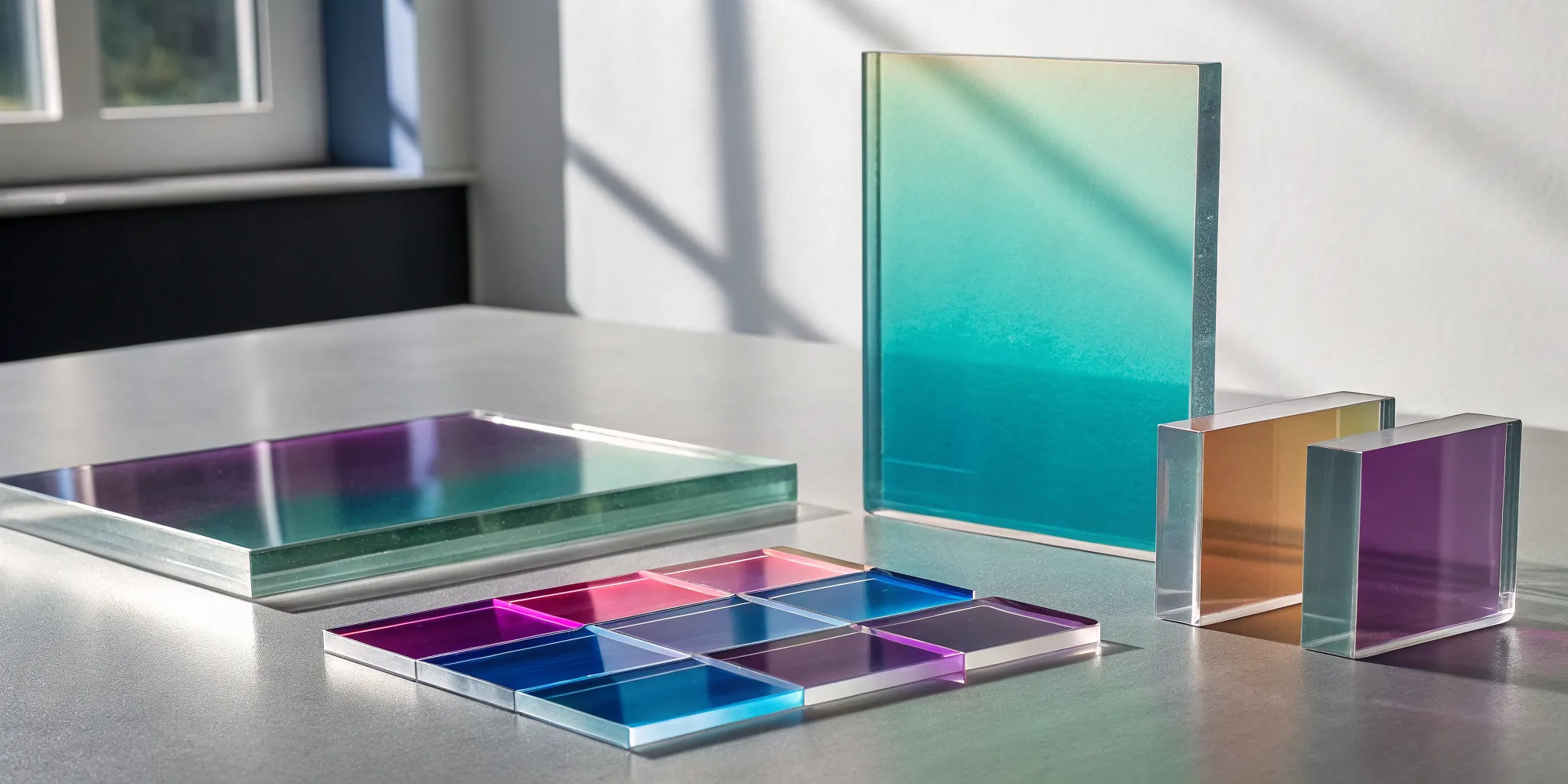
Adding dichroic glass to your work is like giving it a secret superpower. A single piece can draw the eye, creating a focal point that feels alive. But knowing what is dichroic glass is just the start. The real creative freedom comes when you explore beyond basic sheets. Did you know you can get dichro as finely crushed frit, paper-thin confetti, and delicate stringers? Each type offers a unique way to add texture, sparkle, and complexity to your designs. This guide is your map to choosing the right forms to bring your most ambitious creative ideas to life.
Key Takeaways
- Its Price Reflects Its Process: Dichroic glass is more expensive because of its complex creation. Its signature color-shifting effect comes from a high-tech vacuum process that layers microscopic metal oxides onto the glass, a far more intricate method than making standard sheet glass.
- Always Match Your COE for Fusing: The most important technical rule is to match the Coefficient of Expansion (COE) of your dichroic glass to your base glass. Fusing different COEs together will cause stress and cracking, so always check that you’re using compatible materials like all COE90 or all COE96.
- Shop Strategically to Save Money: You can get the best value on quality dichroic glass by planning your purchases. Watch for seasonal sales, consolidate your orders to qualify for free shipping, and subscribe to supplier newsletters for exclusive access to special offers and discounts.
What Is Dichroic Glass?
If you’ve ever seen a piece of glass that seems to magically change colors as you move it, you’ve likely encountered dichroic glass. At its core, dichroic glass is a special type of art glass that displays different colors depending on the lighting and viewing angle. This mesmerizing, chameleon-like quality makes it a favorite among glass artists for creating jewelry, sculptures, and decorative accents that truly stand out. It adds a layer of dynamic beauty that you just can’t get from standard glass.
How Does It Create That Stunning Color Shift?
The secret behind that incredible color shift lies in a high-tech manufacturing process originally developed by NASA. Modern dichroic glass is made by stacking many super-thin layers of metal oxides, like titanium or chromium, onto a piece of glass in a vacuum chamber. These layers are incredibly thin, sometimes only 30 to 35 layers thick in total, yet they are thinner than a human hair. This layering process filters and reflects light in a unique way, causing the glass to show a brilliant spectrum of shifting colors as your viewing angle changes. It’s a beautiful fusion of science and art.
Dichroic vs. Regular Glass: What’s the Difference?
The most significant difference between dichroic and standard glass is the color-shifting property. A piece of standard stained glass has a single, consistent color, no matter how you look at it. Dichroic glass, on the other hand, is known for its ability to reflect one color while allowing another color to pass right through it, creating that signature shimmering effect. While both types of glass have their place in an artist’s studio, dichroic glass offers a level of vibrancy and movement that makes every piece feel alive and completely unique.
A Closer Look at Its Unique Visuals
The visual magic of dichroic glass comes from its two distinct color profiles: one in reflected light and another in transmitted light. When light bounces off the surface, you see one set of vibrant, metallic colors. But when light passes through the glass, you see a completely different, often complementary, set of colors. This is why a dichroic pendant can look fiery orange from one angle and electric blue from another. This dual-color nature gives artists an amazing palette to work with, allowing for incredible depth and complexity in fused glass projects and jewelry.
The Fascinating History of Dichroic Glass
Dichroic glass might seem like a modern invention, but its story stretches from ancient Roman treasures to the far reaches of outer space. The principle behind its color-shifting magic has appeared at surprising moments throughout history, long before it became a staple in the artist’s studio. Understanding this journey from a mysterious ancient artifact to a high-tech material developed for space travel gives you a new appreciation for the sheet of shimmering glass on your workbench. It’s a material with a rich past that has been shaped by both accident and incredible intention, eventually finding its true calling in the hands of creators like you.
From Ancient Rome to Outer Space
The story of dichroic glass is a tale of two very different eras. Its earliest known appearance is in a single, priceless artifact from the 4th century, a mysterious object that baffled historians for centuries. Fast forward 1,600 years, and the technology was reinvented for one of the most ambitious scientific endeavors in human history: the space race. This leap from an ancient chalice to a spaceship viewport is what makes the history of dichroic glass so compelling. It’s a material that connects the old world with the new, a testament to how a single, beautiful idea can echo through time.
The Lycurgus Cup: An Ancient Marvel
The first known example of dichroic glass is the Lycurgus Cup, a Roman glass cage cup that looks jade green when lit from the front but glows a translucent ruby red when a light shines through it from behind. For a long time, no one could figure out how it worked. It wasn’t until modern analysis that scientists discovered the glass was infused with microscopic gold and silver particles, which manipulate light in a way that creates the two-color effect. This ancient marvel proves that the core principle of dichroic glass—displaying two different colors in reflected versus transmitted light—was achieved centuries ago, even if by happy accident.
NASA’s “Chameleon Glass” Technology
The modern dichroic glass we know and love was developed by a very different kind of artisan: NASA engineers. In the 1960s, NASA needed a way to protect astronauts and sensitive equipment from the harsh glare of the sun and harmful cosmic radiation. They developed a process of vaporizing metals and quartz in a vacuum chamber to apply ultra-thin layers to glass, creating what they called “chameleon glass.” This material was used for everything from astronauts’ helmet visors to satellite mirrors, serving a purely functional purpose far from the world of art.
The Transition from Tech to Art
The leap from space technology to art supplies happened in the 1970s, thanks to the vision of an aerospace engineer. After working for a NASA contractor, he recognized the artistic potential of the shimmering, color-shifting glass. He began experimenting with it, creating pieces like stained-glass windows that brought the magic of dichro into the creative world. This innovation paved the way for companies to refine the process for artists, leading to the stunning variety of CBS Dichroic Glass we have today. What was once designed to protect astronauts is now used to create breathtaking works of art.
Unique Properties and Benefits of Dichroic Glass
Beyond its stunning visual appeal, dichroic glass has several practical properties that make it a fantastic material for artists. Its high-tech origins give it some surprising advantages over standard glass, especially when it comes to durability and resilience. These benefits aren’t just for large-scale architectural projects; they directly impact the quality and longevity of the jewelry, sculptures, and decorative pieces you create in your own studio. Knowing these properties can help you choose dichroic glass for projects where you need both beauty and strength, ensuring your work not only looks incredible but also stands the test of time.
Strength and Durability
You might think that a material coated with thin layers of metal would be delicate, but the opposite is true. The vacuum deposition process used to create dichroic glass actually makes it stronger and more resistant to scratches than standard glass. The metallic coating bonds with the glass on a molecular level, creating a tough, integrated surface. This added durability is a huge plus for artists, especially those making wearable art like pendants or earrings that will be exposed to daily wear and tear. Your dichroic creations are not just beautiful; they’re built to last.
Architectural and Design Advantages
The same qualities that make dichroic glass captivating for artists also attract architects and designers. Its ability to introduce a dynamic, ever-changing element of color and light makes it a powerful tool for transforming spaces. Architects use it in windows, walls, and skylights to create buildings that seem to shift and shimmer throughout the day. For a glass artist, this is a great source of inspiration. Thinking about how dichroic glass interacts with light on a large scale can spark new ideas for how to use it in your own work, whether you’re creating a small suncatcher or a large-scale installation.
Energy Savings and UV Protection
Remember how dichroic glass was designed to protect astronauts from the sun? That property has real-world benefits here on Earth. The metallic coating reflects a significant amount of infrared radiation, which is the part of sunlight that carries heat. By reflecting heat, dichroic glass can help keep spaces cooler and contribute to energy savings in architectural applications. While this might not be the primary reason you choose it for a jewelry project, it’s another fascinating aspect of this high-performance material that speaks to its scientific roots and incredible versatility.
Weather Resilience for Outdoor Use
One of the most significant benefits for artists is dichroic glass’s exceptional resilience to weather. The colors are not dyes or pigments; they are a structural part of the glass created by the light-filtering layers. This means they will never fade, even after years of exposure to direct sunlight. The material is also highly resistant to moisture and temperature changes, making it perfect for outdoor art. You can confidently create garden stakes, outdoor sculptures, or decorative tiles for a fountain, knowing the vibrant, shifting colors will remain as brilliant as the day you fired them in your kiln.
Why Is Dichroic Glass So Expensive?
If you’ve ever shopped for dichroic glass, you’ve probably noticed it comes with a higher price tag than standard sheet glass. It’s not just you; there are some very good reasons for the cost. The magic of dichro comes from a highly technical and precise process, from the raw materials all the way to the final inspection. Let’s break down what goes into making this incredible material.
A Peek into the Intricate Manufacturing Process
The shimmering, color-shifting effect of dichroic glass isn’t created with pigments or dyes. Instead, it’s the result of a high-tech process originally developed for the aerospace industry. In a specialized vacuum chamber, multiple micro-layers of metal oxides and quartz crystal are vaporized and applied to the surface of the glass. Each layer is thinner than a human hair.
This complex layering process is what gives dichroic glass its signature look. The layers reflect certain wavelengths of light while allowing others to pass through, creating a dazzling effect where the color changes depending on your viewing angle. It’s this precise, scientific method that makes each sheet a unique piece of art before you even put it in the kiln.
The Science of Physical Vapor Deposition
The technical term for this process is physical vapor deposition, or PVD, and it’s as cool as it sounds. Inside a high-tech vacuum chamber, manufacturers vaporize metals like titanium and chromium. These vaporized metals then settle onto the surface of the glass, building up dozens of microscopic layers. We’re talking incredibly thin—the entire stack of 30 to 35 layers is often thinner than a single human hair. This advanced technique, originally pioneered by NASA for use in space, gives manufacturers precise control over how light interacts with the glass, which is the key to creating that signature color-shifting effect.
Building Color Layer by Layer
So, how do these ultra-thin layers create such a dramatic visual? Think of them as a highly selective filter for light. As light hits the glass, each layer reflects certain wavelengths (colors) while letting others pass straight through. This is what creates the two distinct color profiles you see in dichroic glass—the reflected color and the transmitted color. Because the layering is so precise, the colors you see will change based on your viewing angle. This intricate process ensures that every sheet of dichroic glass is a unique canvas, displaying a brilliant spectrum of shifting colors before you even begin your project.
The High Cost of Specialized Materials
The raw materials used to create dichroic glass are a major factor in its price. Precious metal oxides, like titanium, chromium, and gold, are vaporized to create the colorful coatings. These materials are inherently expensive, and their cost directly impacts the final price of a sheet of glass. The base glass itself must be of the highest quality to withstand the intense manufacturing process.
Beyond the materials, the equipment is a significant investment. The vacuum deposition chambers required for production are highly specialized and costly to build, operate, and maintain. This isn’t something that can be done in a standard glass studio. The combination of premium materials and advanced machinery makes producing dichroic glass a much more expensive venture than making standard stained glass.
The Growing Market for Dichroic Glass
It’s not just your imagination—dichroic glass is having a major moment. What was once a niche material is now popping up everywhere, from stunning architectural installations to the beautiful jewelry you see on Etsy. The demand for its unique, color-shifting look is growing fast, and it’s not slowing down. In fact, the market for dichroic glass is expanding significantly, driven by designers and architects who are using it to create breathtaking building facades and interiors. For artists like us, this is fantastic news. It means more people are falling in love with the magic of dichro, making it a perfect time to incorporate this eye-catching material into your own fused glass art and sculptures.
How Quality Control Affects the Price Tag
The dichroic coating process is incredibly sensitive. Even a tiny fluctuation in temperature, pressure, or timing inside the vacuum chamber can affect the final outcome. Because of this, not every sheet of glass that goes through the process comes out perfectly. Manufacturers have very strict quality control standards, and any pieces with imperfections in the coating are discarded.
This unavoidable waste means the cost of the failed sheets has to be absorbed into the price of the successful ones. When you purchase a piece of dichroic glass, you’re paying for a product that has passed a rigorous inspection. This ensures you receive a flawless piece with the vibrant, consistent color-shifting properties you expect for your projects, whether you’re working with COE90 glass or another type.
Where Can You Buy the Best Dichroic Glass?
Once you’ve seen dichroic glass in person, it’s hard to forget. But finding high-quality, reliable sheets for your projects can feel like a challenge. The good news is that a few key manufacturers have perfected the process, and knowing their names is the first step to sourcing beautiful glass. When you’re ready to buy, look for trusted suppliers who carry these top-tier brands. This ensures you get consistent, vibrant results every time you fire up the kiln.
Start with Our Curated Dichroic Collection
We’ve curated a collection of dichroic glass specifically for artists like you. We focus on providing a wide range of colors, patterns, and textures from the industry’s most respected brands. Whether you’re working with COE 90 glass or need something specific for a COE 96 project, you can find reliable options right here. Our goal is to be a resource you can count on, offering everything from full sheets for large-scale work to smaller pieces perfect for jewelry making. We make it simple to find exactly what you need to bring your creative vision to life.
Spotlight on: CBS Dichroic Glass
Coatings by Sandberg, or CBS, is one of the most recognized names in the dichroic world, and for good reason. They are famous for producing exceptionally high-quality dichroic coatings that are specifically designed for hot working. This makes their glass a favorite among artists who need vibrant, durable colors that can withstand the heat of the kiln without degrading. When you see the CBS name, you can feel confident that you’re getting a premium product that will deliver stunning, professional-grade results for your fused art pieces.
Spotlight on: Bullseye Dichroic Glass
Bullseye Glass Company is another industry leader known for its dedication to research and innovation. They are constantly working to improve the quality and performance of their products, which means artists get access to some of the best dichroic glass on the market. Bullseye is particularly well-regarded for its compatibility and rigorous testing standards, especially within its own COE 90 system. If you value consistency and want to work with glass from a company that invests heavily in perfecting its craft, exploring Bullseye’s dichroic options is a fantastic choice.
Other Top Brands You Should Know
While CBS and Bullseye are major players, other excellent brands also produce beautiful dichroic glass. The key characteristic of any quality dichroic sheet is its unique iridescent effect, which comes from applying multiple micro-layers of metal oxides in a vacuum chamber. Reputable brands ensure these layers are applied evenly for a consistent shimmer and color shift. As you shop, you’ll notice that different manufacturers offer unique patterns and color combinations. Don’t be afraid to experiment with various brands to discover which ones best suit your artistic style.
What Kinds of Dichroic Glass Can You Buy?
One of the best things about working with dichroic glass is the sheer variety available. It’s not just a single type of material; it’s a whole world of creative possibilities. Whether you’re creating a large stained glass panel, a delicate piece of fused jewelry, or a textured art piece, there’s a form of dichroic glass perfectly suited for your project. Understanding the different types can help you choose the right one to bring your vision to life.
Dichroic Sheets for Fusing & Stained Glass
For larger projects, dichroic glass is available in sheets, just like the standard art glass you’re used to. These sheets are coated with micro-layers of metal oxides that create the signature color shift. You can cut them for both stained glass and fused glass designs. In stained glass, a dichroic piece can become a stunning focal point, while in fusing, you can layer it to create incredible depth. Just remember to match the COE (Coefficient of Expansion) with your other fusing glass to ensure your finished piece is strong and stable.
Precuts, Cabs, and Components for Jewelry
If you’re a jewelry maker or want to add small, dazzling accents without cutting glass, precut dichroic is a great choice. You can find it in a huge assortment of shapes, from simple circles to more intricate designs. Many artists love using precut cabochons, which are small, polished pieces perfect for setting into pendants, earrings, and rings. These components save you time and reduce waste, making them a fantastic option for creating consistent product lines. Brands like CBS are well-known for their high-quality jewelry supplies and precut options.
Add Texture with Frit, Confetti, and Stringers
Ready to add some texture? Dichroic glass also comes in forms like frit, confetti, and stringers. Frit is finely crushed glass that looks like colorful sand, perfect for creating sparkling surfaces or blended color effects. Confetti consists of paper-thin flakes of glass that you can layer for a delicate, shimmering look. Stringers are thin, spaghetti-like rods of glass that allow you to draw lines and create intricate patterns. Using these textural elements is a wonderful way to add visual interest and complexity to your glass art.
Get Creative with Etched & Specialty Dichro
For artists looking to push creative boundaries, etched and specialty dichroic glass offers even more possibilities. Etched dichroic glass features patterns carved directly into the metallic coating, creating a beautiful interplay between the reflective surface and the clear glass below. These patterns can be geometric, floral, or abstract, adding a sophisticated touch. You can also find specialty coatings designed for advanced hotworking techniques. These high-performance materials from manufacturers like Coatings by Sandberg are made to withstand multiple firings, giving you freedom to experiment with complex designs.
More Than Just Art: Other Uses for Dichroic Glass
While we love seeing dichroic glass transformed in the kiln, its unique properties have made it a valuable material in fields far beyond the art studio. The same science that gives your jewelry that incredible shimmer is also at work in high-tech labs and modern architecture. Exploring these other applications can give you a deeper appreciation for the amazing material you work with every day.
Scientific and Technical Applications
The story of dichroic glass begins with science, so it’s no surprise that it still plays a key role in technology. Its ability to precisely filter light makes it incredibly useful. Think of it as a highly intelligent gatekeeper for light waves. This is why you’ll find dichroic filters inside specialized equipment like scientific microscopes, LCD projectors, and even the projectors used for 3D movies. In each case, the glass is engineered to separate specific colors of light with remarkable accuracy. It’s a great reminder that the beautiful material we use for art is also a powerhouse of optical engineering, born from the same innovation that fueled space exploration.
Architectural and Interior Design
Architects and interior designers are always looking for materials that can transform a space, and dichroic glass does exactly that. When used in architecture, it turns static walls and windows into dynamic, ever-changing surfaces. Imagine a lobby where a feature wall shifts from gold to magenta as the sun moves across the sky, or office partitions that play with light to create an inspiring, creative atmosphere. Because it interacts so dramatically with its environment, dichroic glass introduces a unique element of movement and life to buildings. It’s a way to paint with light on a grand scale, making the building itself a piece of art.
Dichroic Film for Retrofitting
You don’t need to install brand-new, solid glass panels to get that stunning dichroic effect in a building. A more flexible and cost-effective solution comes in the form of dichroic film. This thin, adhesive film can be applied directly to existing glass surfaces, instantly giving them the same color-shifting properties. It’s a popular choice for retrofitting older buildings, allowing designers to add a modern, vibrant touch without the expense and complexity of a full window replacement. The film can also be laminated between two layers of glass for added durability, making it a versatile tool for both interior and exterior design projects.
Advanced Artistic Techniques
The high-tech nature of dichroic glass also opens doors to advanced artistic methods that blend precision with creativity. While we often think about fusing or cutting it, some artists take it a step further by manipulating the coating itself. Using a laser, it’s possible to selectively etch away parts of the metallic layers. This technique allows for the creation of incredibly detailed patterns, images, or even text directly on the glass surface. The result is a striking contrast between the shimmering dichroic coating and the clear glass beneath. It’s a perfect example of how artists can harness the scientific properties of a material to push their creative boundaries in new and exciting ways.
How Do You Choose the Right Dichroic Glass?
With so many dazzling options, picking the perfect dichroic glass can feel a bit overwhelming. But it’s easier than you think when you know what to look for. Beyond the initial sparkle, a few key factors will ensure your project is a success from a technical and artistic standpoint. Thinking through these details beforehand will help you get the exact result you’re picturing.
Match the COE to Your Project
This is the most important rule in glass fusing: always match your COE. The Coefficient of Expansion (COE) tells you how much a piece of glass will expand and contract when heated. If you try to fuse glass with different COEs, like a piece of COE90 glass with a piece of COE96 glass, the different expansion rates will create stress as the piece cools. This almost always leads to cracking and a ruined project. Before you add any dichroic glass to your cart, double-check that its COE matches the base glass you’re using for your project.
Pick the Right Thickness and Finish
Next, consider the physical form of the glass. Most dichroic sheet glass comes in a standard 2mm or 3mm thickness, which works well for most projects. Thinner glass is also available and can be great for layering without adding too much bulk. The finish is another important choice. You can find dichroic coatings on smooth glass for a crisp, mirror-like effect, or on textured glass for a more diffused, organic shimmer. A quality dichroic coating is durable enough to withstand the intense heat inside your kiln, so you can trust the color and effect will remain vibrant after firing.
Plan Your Colors and Visual Effects
The magic of dichroic glass is its ability to shift colors. The color you see is its reflected color, but it also has a transmitted color, which you see when light passes through it. For example, a cyan-copper dichroic might reflect shades of blue and copper but transmit a light amber color. Think about how you plan to use the glass. Will it be an opaque top layer, or will light shine through it? The base color of your stained glass will also influence the final look. A dark base will make the reflected colors pop, while a clear or light base will allow the transmitted color to show through.
Find a Specialized Supplier
When you’re investing in a premium material like dichroic glass, where you buy it matters just as much as what you buy. Sourcing your glass from a specialized supplier is key to getting consistent, high-quality results. A dedicated glass retailer will carry top-tier brands like CBS and Bullseye, so you know you’re getting a product that’s been tested for compatibility and performance. Plus, a good supplier will offer a wide selection, from different COE ratings like COE90 to various forms like frit and stringers. This means you can find everything you need in one place, saving you time and ensuring all your materials work together seamlessly. When you find a supplier you trust, you can focus on your art, confident that your materials will deliver the vibrant effects you expect.
Always Test a Physical Sample
Photos and videos can give you an idea of what dichroic glass looks like, but they can never fully capture its magic. Because its color shifts so dramatically with light and viewing angle, it’s incredibly important to see a physical sample before committing to a large purchase. The way a piece of dichro looks on a website can be completely different from how it looks in your studio or in the final piece. I always recommend testing a small piece in the actual environment where it will be used. This allows you to see how it interacts with your specific lighting conditions. Buying a small sample first can save you from disappointment and ensure the final effect is exactly what you envisioned for your project.
How to Get the Best Deal on Dichroic Glass
Dichroic glass is a stunning material, but its price tag means you want to make every square inch count. As an artist, managing your materials budget is just as important as perfecting your craft. The good news is that with a little planning, you can get incredible value without compromising on the quality your work deserves. Let’s walk through a few practical strategies for stretching your budget and stocking your studio with beautiful dichroic glass. These simple tips will help you shop smarter, so you can focus more on creating and less on costs.
Watch for Sales and Buy in Bulk
One of the easiest ways to save is by timing your purchases. Keep an eye out for seasonal promotions around major holidays like Black Friday or at the end of the year when suppliers are clearing out inventory. Planning ahead and stocking up during these sales can make a huge difference. If you know you’ll be using a lot of a particular color or pattern, it’s always worth asking about bulk discounts. Many retailers, including us at ArtGlassSupplies.com, may offer special pricing for larger orders. Buying a full sheet of CBS Dichroic Glass instead of smaller pieces, for example, often lowers your cost per square inch.
Look for Free Shipping and Wholesale Pricing
Shipping costs, especially for something as delicate as glass, can quickly add to your total. Look for suppliers that offer free shipping incentives. We offer free shipping on all orders over $150, which is a great way to save. You can reach this threshold by consolidating your purchases into one larger order instead of several small ones. If you run a small business or find yourself buying glass frequently, you might also explore wholesale options. Setting up a wholesale account can give you access to lower pricing, making it more affordable to keep your studio stocked with essential materials like COE90 glass and other supplies.
Subscribe for Exclusive Deals and Offers
If you want to be the first to know about special deals, subscribing to a supplier’s newsletter is the way to go. It’s your inside track to flash sales, new product announcements, and coupon codes that are only available to subscribers. Following your favorite suppliers on social media is another great way to catch promotions you might otherwise miss. This simple step ensures you never miss an opportunity to save. It’s a low-effort way to stay connected and get exclusive access to the best prices on high-quality stained glass and fusing supplies throughout the year.
Related Articles
- Innovative Techniques: Dichroic Glass & Metallic Paints
- Dichroic Glass in Contemporary Architecture
- CBS Dichroic Quarter Sheets – ArtglassSupplies
- A Guide to the Best COE 96 Dichroic Glass – ArtGlassSupplies
Frequently Asked Questions
What happens if I don’t match the COE of my glass? Matching the Coefficient of Expansion (COE) is the most important rule in glass fusing. If you fuse glasses with different COEs, they will expand and contract at different rates inside the kiln. This creates immense stress as the piece cools, which will almost certainly cause it to crack or even shatter. To ensure your projects are strong and successful, always use glass with the same COE, for example, keeping all your COE90 glass together for one project.
Which side of the dichroic glass should face up in the kiln? This depends entirely on the look you want to achieve. Placing the coated side up will give you a shiny, metallic finish. For a look with more depth and dimension, you can place the coated side down and cap it with a piece of clear glass. Capping also protects the delicate coating, which can be a good idea if your piece will experience a lot of wear, like in jewelry.
Do I need a special kiln or firing schedule for dichroic glass? You don’t need a special kiln to work with dichroic glass; the same kiln you use for other glass fusing projects will work perfectly. Generally, you can use the standard firing schedule recommended for the base glass you are using. For instance, if you are working with Bullseye COE90 dichroic, you would just follow a typical Bullseye firing schedule. The dichroic coating is designed to handle the heat without any special adjustments.
Can I use dichroic glass for projects other than fusing? Absolutely. While it’s a favorite for fusing, dichroic glass makes a stunning addition to stained glass panels. A few strategically placed dichroic pieces can catch the light and create a dynamic focal point that changes throughout the day. It can also be used in mosaics to add a pop of iridescent color and texture. Its versatility is one of the best things about it.
How can I tell which color is reflected and which is transmitted before firing? This is a great question for planning your design. The easiest way to see the two different colors is to use two different backgrounds. Place the dichroic glass on a solid black or white surface; the color you see is the reflected color. Then, hold that same piece of glass up to a light source, like a window or a lamp. The color you see shining through the glass is its transmitted color.