
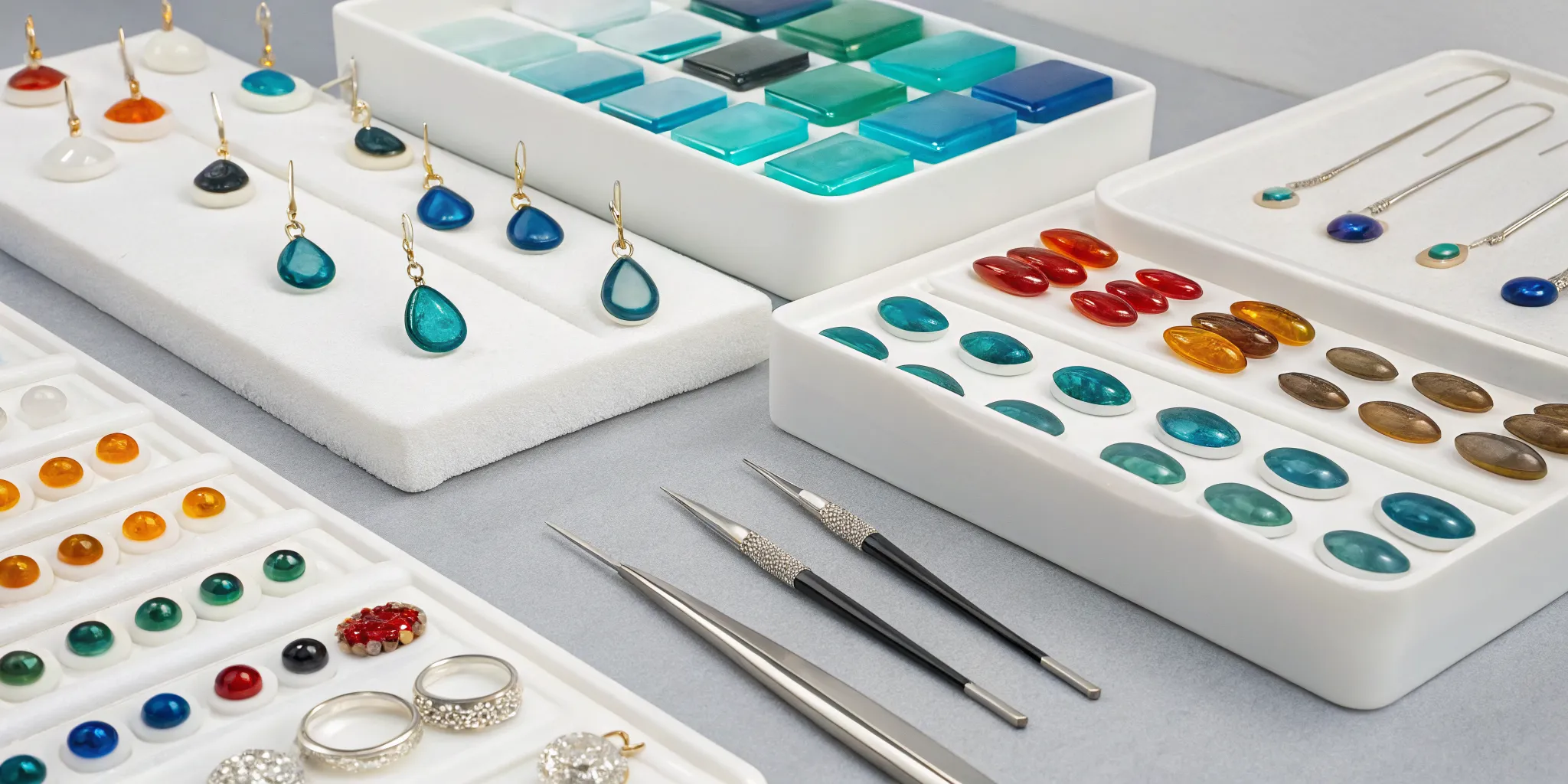
You made the perfect pair of earrings. They sold out instantly. Now, you can’t seem to replicate them. Sound familiar? Or how about calculating the cost of a single pendant, only to find your profit is nearly zero. These frustrations are real, but the fix is surprisingly simple. It’s time to start buying your glass jewelry molds wholesale. Having a consistent supply of your best-selling glass jewelry mold shapes not only solves the replication problem but also lowers your cost per piece. This guide is here to help you make that smart business shift, showing you exactly where to find quality molds in bulk.
Key Takeaways
- Choose your molds strategically: Start your collection with versatile workhorses like circles and ovals to master your technique, then add specialty shapes that reflect your unique artistic style.
- Prioritize the technical details: Always confirm a mold fits your kiln, your glass COE is consistent for the project, and you understand the required prep work (like applying kiln wash) to prevent costly mistakes.
- Protect your investment with smart habits: Buy your most-used molds in bulk to save money, and extend their lifespan by organizing them properly and always applying a separator before firing.
What Types of Wholesale Glass Molds Can You Find?
When you start shopping for wholesale molds, you’ll quickly see they come in a few different materials. The main players are ceramic, stainless steel, and fiber. Each one has its own personality and works best for certain types of projects. Think of it like choosing the right pan for cooking; you wouldn’t use a cupcake tin to bake a loaf of bread. Understanding the differences will help you pick the perfect molds for your jewelry line, ensuring you get the results you want every time you open the kiln. Let’s look at the most common types you’ll find and what makes each one special.
Working with Durable Ceramic Molds
Ceramic molds are probably what you picture when you think of glass fusing. They are incredibly popular for jewelry making because they can handle the heat and come in so many intricate designs. You can find everything from simple cabochon shapes to detailed flowers and geometric patterns. These molds are fantastic for both slumping, where you lay glass over the mold to shape it, and casting, where you fill the mold with glass frit to create a solid piece. Just remember that ceramic molds need a little prep work. You’ll have to apply a kiln wash or primer before each firing to prevent your beautiful glass from sticking. It’s a small step that makes a huge difference.
Exploring Lightweight Fiber Molds
Fiber molds are a bit different from their ceramic and steel cousins. They are made from a lightweight, heat-resistant fiber material that feels almost like stiff felt. One of their biggest advantages is that they are often single-use or have a very limited lifespan, which can be perfect for creating truly one-of-a-kind pieces or testing a new design without committing to a durable mold. You can even carve into them to create your own custom textures. Another huge plus? Most fiber molds don’t require any kiln wash. The glass releases cleanly on its own, saving you a prep step and making cleanup a breeze.
Creating Clean Lines with Stainless Steel
If you’re looking for a workhorse for your studio, stainless steel molds are the answer. These molds are extremely durable and can last through countless firings, making them a smart long-term investment, especially when buying in bulk. They are perfect for creating simple, clean, and consistent shapes for your jewelry, like circles for pendants, small squares for earrings, or even bracelet forms. You can use them for slumping glass to create gentle curves or for draping glass over them to form three-dimensional pieces. Like ceramic molds, you will need to apply a glass separator to prevent sticking, but their longevity makes that extra step well worth it.
Beyond the Basics: Specialty & Shaped Molds
This is where the real fun begins. Specialty and shaped molds let you create a consistent line of jewelry with unique designs like hearts, stars, animals, teardrops, and crosses. These are essential if you plan to sell themed collections for holidays or special occasions. With these molds, you can easily produce multiples of the same shape, ensuring your products look uniform and professional. Whether you’re casting with colorful COE90 glass frit or slumping a piece of dichroic glass into a perfect oval, these molds give you the power to bring your specific creative visions to life, piece after piece. They are a fantastic way to build a signature style for your brand.
Draping and Slumping Molds
You’ll often hear the terms “slumping” and “draping,” which describe slightly different techniques for creating three-dimensional pieces. Slumping involves placing a piece of glass into a concave mold, like a small dish. As the glass heats in the kiln, it softens and sinks, or “slumps,” into the mold’s shape. Draping is the opposite; you place glass over a convex form, and it melts down and around it to create pieces like small vases or free-form sculptures. Many ceramic molds are versatile enough for both slumping and draping, giving you incredible flexibility as you design your jewelry and art. Mastering these two foundational methods is key to shaping glass with intention.
Drop Out and Texture Molds
Ready to add some drama and detail? Drop out and texture molds are your next step. A drop out mold has an opening in the bottom. You place it on kiln posts, lay your glass over the top, and as it fires, the center of the glass sags through the hole, creating a beautiful vessel shape. It’s a fantastic technique for making small vases and deep bowls. Texture molds, on the other hand, are all about surface design. These flat molds have patterns etched into them, from geometric grids to organic ripples. You simply place your glass on top of the mold during firing, and the glass will pick up the intricate pattern. It’s an easy way to add a professional, detailed finish to your pieces before shaping them.
Bottle Slumping Molds
If you love the idea of upcycling, you’ll have a blast with bottle slumping. This technique involves melting wine, beer, or soda bottles flat to create unique and functional art. Bottle slumping molds are specifically designed to cradle a bottle as it melts, helping it keep a uniform, flattened shape. Many molds include a raised area to preserve the look of the bottle’s neck or even add indentations to turn the finished piece into a perfect serving platter for cheese and crackers. It’s a fun, eco-friendly way to turn empty bottles into one-of-a-kind spoon rests, wall decor, or conversation-starting trays. These molds make the process simple and give you consistent, impressive results every time.
What Shapes and Designs Are Trending?
The mold you choose is the foundation of your finished piece. It’s the first step in bringing your creative vision to life. While your personal style should always guide your work, understanding popular shapes and current trends can help you create jewelry that resonates with a wider audience. Building a versatile collection of glass fusing molds means you’ll have the perfect shape for any project, whether you’re crafting a timeless gift or a statement piece that captures a modern aesthetic.
Think of your mold collection as your artist’s toolbox. You’ll want some reliable classics that you turn to again and again, alongside some unique and trendy shapes that inspire you to experiment. Having a mix of both allows you to fulfill custom orders with confidence and push your own creative boundaries. From simple, elegant forms to intricate, detailed designs, the right mold sets the stage for the magic you’ll create with your glass. It’s about finding that sweet spot between what you love to make and what people are excited to wear. Exploring different shapes is also a great way to break out of a creative rut and discover new directions for your art. Let’s look at some of the most popular categories you’ll find.
Start with the Classics: Cabochon, Round & Oval
These are the workhorses of any fused glass jewelry collection. Classic shapes like cabochons, circles, and ovals are timeless for a reason: they are incredibly versatile and always in style. They provide the perfect, simple canvas to showcase the beauty of the glass itself, whether you’re working with vibrant COE90 glass or intricate dichroic patterns. These fundamental shapes are easy to work with and appeal to a broad range of customers, making them essential for both new artists and seasoned professionals. You can’t go wrong by stocking your studio with molds for these foundational designs.
Creating Modern Looks with Geometric Designs
For a more contemporary feel, geometric and minimalist molds are a fantastic choice. Shapes like triangles, hexagons, squares, and simple bars create jewelry with clean lines and a modern, sophisticated look. These designs are very popular right now, appealing to those who appreciate understated elegance. Minimalist shapes are also great for letting the glass be the star of the show. A stunning piece of patterned or iridescent glass doesn’t need a complex shape to make an impact. These molds help you create sleek, stylish pieces that feel fresh and current.
Crafting with Nature-Inspired Molds
Art and nature have always gone hand in hand. Nature-inspired molds allow you to capture the beauty of the outdoors in your glass creations. You can find molds shaped like leaves, flowers, feathers, butterflies, and ocean waves. These designs create pieces that feel organic and deeply personal, resonating with anyone who loves nature. Whether you’re aiming for a realistic representation or a more abstract interpretation, these molds provide a wonderful starting point for creating jewelry that tells a story and connects with people on an emotional level.
Popular Shapes like Sunflowers and Dragonflies
Some nature-inspired shapes are perennial bestsellers. Think of the cheerful, universal appeal of a sunflower or the delicate beauty of a dragonfly. These aren’t just pretty designs; they’re smart additions to your product line because they have a built-in audience. Using specialty molds for these popular shapes is a game-changer. It allows you to create consistent, professional-looking pieces that would be incredibly difficult and time-consuming to cut by hand. A mold gives you the perfect silhouette every time, so you can focus on the artistry—like filling the shape with a unique blend of colorful glass frit or slumping a piece of iridescent glass to make each creation special. This approach helps you meet customer demand for beloved designs while saving you time and ensuring your work is always top-notch.
Perfecting Pendants and Earrings with the Right Molds
If you’re focused on creating wearable art, molds designed specifically for pendants and earrings are a must-have. These molds are often created as sets, allowing you to easily make matching earrings and a pendant for a cohesive look. Many are thoughtfully designed to simplify the jewelry-making process. For example, some have small channels that create a built-in bail for a necklace chain or perfectly sized divots for earring posts. Using these specialized molds saves you time on finishing and helps you produce professional, ready-to-wear pieces efficiently.
Molds for Bails and Glass Beads
Molds for making bails and beads are essential for any jewelry maker looking to create truly cohesive pieces. A bail is the small loop that connects a pendant to a chain, and crafting it from the same glass as your pendant creates a seamless, high-end look. Instead of relying on a generic metal finding, a glass bail makes the entire piece feel more integrated and artistic. Similarly, bead molds allow you to create perfectly matched beads for bracelets or accent pieces that complement your earrings and pendants. This is your chance to design a complete jewelry set from start to finish, ensuring every component reflects your unique style and craftsmanship.
Exploring Holiday and Themed Designs
Once you’ve mastered the basics, you can build a signature brand by creating themed collections. This is where specialty molds become your best friend. You can find molds in countless themes, including animals, flowers, and holiday items like Christmas trees and snowflakes. Creating a line of jewelry around a specific theme is a fantastic way to tap into seasonal markets or appeal to customers with specific interests. It allows you to tell a story with your work and offer something truly unique. Planning your collections around holidays or seasons gives your customers a reason to keep coming back to see what new and creative designs you’ve come up with.
Holiday Favorites like Ornaments and Snowflakes
Holiday-themed molds are a must if you plan to sell at craft fairs or run promotions during the festive season. Molds for snowflakes, ornaments, stars, and Christmas trees allow you to produce multiples of the same popular shape, ensuring your products look uniform and professional. This consistency is key when you’re selling a collection. These shapes are not just for jewelry, either. You can use them to create beautiful, light-catching ornaments, decorative suncatchers, or even elegant gift tags. Offering these festive items can attract new customers and give your regulars a perfect reason to shop for gifts.
Religious Symbols, Awareness Ribbons, and Paw Prints
Some of the most meaningful pieces you can create are those that carry a personal significance for the wearer. Specialty molds let you create a consistent line of jewelry with designs like crosses, angels, awareness ribbons, and paw prints. These items often become cherished keepsakes and thoughtful gifts. By offering jewelry that represents faith, supports a cause, or celebrates a beloved pet, you connect with your customers on a deeper, more emotional level. These niche designs are perfect for building a loyal following and creating art that resonates with people’s lives and values.
Where to Find Wholesale Fused Glass Jewelry Molds
Finding the right supplier is a huge step in scaling your fused glass jewelry business. You need a partner who offers quality, variety, and pricing that works for your bottom line. When you buy wholesale, you get the quantities you need at a price that helps protect your profit margins, which is essential for any artist looking to sell their work. Luckily, several fantastic companies specialize in wholesale molds for glass artists. Each has its own strengths, so it’s worth exploring a few to see which best fits your creative style and business needs. Here are some of the most trusted names in the industry.
For a Wide Selection: ArtGlassSupplies.com
Think of us at ArtGlassSupplies.com as your comprehensive resource for all things glass art. We offer a massive variety of fused glass supplies, including a fantastic selection of molds for making jewelry. You’ll find detailed descriptions and clear photos for every product, making it easier to choose the right tools for your project. Our wholesale options are perfect for individual artists stocking up or for larger studios. We carry everything from simple geometric shapes to more intricate designs, ensuring you can find what you need to bring your jewelry ideas to life.
For Unique Designs: Creative Paradise
If you’re looking for molds that are a bit more unique or innovative, Creative Paradise is a great place to explore. They specialize in creating distinctive designs and have a whole section dedicated to jewelry molds. Their collection is perfect for artists who want their pieces to stand out with different styles and textures. Known for quality and durability, their molds are a popular choice in the glass art community. Their wholesale program is also set up to support retailers and studios, making them a reliable partner for growing your business.
For Quality and Compatibility: Bullseye Glass Co.
Bullseye Glass Co. is a name that just about every glass artist knows and respects. They are renowned for their high-quality glass, and their molds live up to the same standard. While they offer supplies for all kinds of applications, they have a solid selection of wholesale molds perfect for creating beautiful and detailed fused glass jewelry. Many artists turn to Bullseye because of their commitment to quality and innovation. If you prioritize top-tier materials from a trusted industry leader, they are an excellent source for your studio.
For Durable Ceramic Molds: Firelite Forms
For an extensive range of options, check out Firelite Forms. They are known for their huge catalog of fused glass molds, with plenty of choices designed specifically for jewelry making. You can find a wide variety of shapes and sizes, which is ideal when you’re experimenting with new designs or need something very specific. Their wholesale options are great for studios and retailers that need to stock a diverse inventory of high-quality molds for their customers. Exploring their collection can give you fresh inspiration for your next line of pendants, earrings, or bracelets.
For Artistic Designs: Colour de Verre
If you’re looking to create jewelry that feels like a tiny work of art, Colour de Verre is a name you should know. They offer a unique selection of molds that are perfect for artists who want to produce intricate and highly artistic designs. Their molds are known for their quality and innovative shapes, which open up a huge range of creative possibilities in glass jewelry making. Think of them as the go-to for when you want to move beyond simple shapes and create pieces with depth, texture, and a sculptural quality. Using their molds is a fantastic way to ensure your jewelry stands out with a signature, detailed style that is hard to replicate.
For a Variety of Shapes: Diamond Tech Crafts – Studio Pro
When you need a reliable source for a wide range of shapes, Diamond Tech Crafts’ Studio Pro line is an excellent choice. They provide a diverse array of molds that are suitable for all kinds of glass art projects, especially jewelry. Their collection is extensive, featuring everything from classic circles and squares to more unique forms, making it easy to find the perfect fit for your creative needs. Whether you’re stocking your studio with foundational shapes or searching for a specific design for a new collection, their variety is a huge asset. This makes them a great partner for artists who need a one-stop-shop for dependable and varied molds.
How to Choose the Right Wholesale Mold
Picking the right mold is about more than just finding a shape you love. To get beautiful, consistent results and make the most of your investment, you need to consider a few technical details. Think of it as setting yourself up for success before you even turn on the kiln. By checking for glass compatibility, confirming the size, and planning your prep work, you can avoid common frustrations and ensure your creative vision comes to life exactly as you imagined. Let’s walk through the key factors to look for when selecting your next wholesale mold.
Does Your Glass Fit? Checking COE Compatibility
Before you fall in love with a mold, think about the glass you’ll be using. Glass expands when heated and contracts as it cools. The rate at which it does this is called the Coefficient of Expansion, or COE. The two most common types you’ll work with are COE90 and COE96. While the mold itself is compatible with any glass, it’s critical that all the glass pieces you fuse together in a project have the same COE. If you mix them, the different expansion rates will cause stress and your beautiful piece will crack. Always double-check that your sheet glass, frit, and stringers match before firing.
Why Size, Depth, and Finish Matter
Molds determine the final form of your piece, so their physical dimensions are key. Consider the size and depth in relation to what you want to create. Are you making delicate earrings or a statement pendant? A shallow mold is great for thin, lightweight pieces, while a deeper one allows you to create something with more dimension and heft. The surface of the mold also matters. Most ceramic molds will give your glass a smooth, slightly matte finish on the back, which you can fire-polish later if you want a glossier look. Pay attention to these details to ensure the mold can produce the exact style you’re aiming for.
Will It Fit Your Kiln? Checking Size and Prep
This might sound obvious, but it’s a step you can’t afford to skip: make sure the mold fits inside your kiln. Measure your kiln’s interior shelf space and compare it to the mold’s dimensions before you buy. You’ll want to leave a little extra room around the mold for proper air circulation, which helps the glass heat evenly. An ill-fitting mold can lead to an uneven fuse. Also, be aware that every mold needs to be prepared before use. This simple preparation step is what prevents the glass from permanently sticking to your mold during firing, so it’s essential for a successful outcome.
Prepping Your Molds: Coatings and Kiln Wash
To keep your glass from sticking, you’ll need to apply a separator to your molds before every firing. The most common choice is kiln wash, a liquid mixture that you paint on in thin, even layers. Once dry, it creates a protective barrier between the glass and the mold surface. Some artists prefer boron nitride spray, which is a great option for highly detailed molds as it helps capture intricate textures. Whichever you choose, proper application is key. Taking the time to coat your molds correctly protects your artwork and extends the life of your molds, saving you from a lot of frustration.
Choosing a Casting Mold Primer
While a good kiln wash is a studio staple, some projects call for a different kind of separator. For highly detailed molds or when you want the absolute smoothest release, a specialized primer is your best friend. Always apply a coating like ZYP Boron Nitride Spray or a dedicated casting mold primer before filling your molds. This step is non-negotiable as it creates a barrier that stops the molten glass from fusing to the mold itself. Think of it as the ultimate insurance policy for both your beautiful glass creation and your valuable mold. A quick spray can save you the heartache of a stuck piece and the frustration of a ruined mold.
A Critical Warning for Creative Paradise Molds
It’s so important to remember that not all primers and mold separators are interchangeable. Always read the manufacturer’s recommendations for your specific molds, as using the wrong product can lead to disastrous results. For example, the team at Creative Paradise explicitly warns artists about their products. It’s very important not to use ‘Slide’s “Hi Temp” glass separator’ with Creative Paradise molds, as it will not work and can damage them. Sticking to recommended products like ZYP or a standard kiln wash ensures your molds perform as expected and last for many firings to come. When in doubt, check the manufacturer’s website—it’s always better to be safe than sorry.
Finding Manufacturer Resources and Tutorials
One of the best ways to get comfortable with new molds is to go straight to the source. Many manufacturers offer fantastic support for their products through online tutorials, firing schedules, and resource pages. Companies like Creative Paradise are great at providing this kind of information, which is incredibly helpful for artists who are learning new techniques or working with a specific type of mold for the first time. Before you even turn on your kiln, take a few minutes to see what resources the manufacturer provides. You can often find video tutorials and printable guides that will walk you through the process, helping you achieve professional results and build your confidence.
Creative Techniques and Materials for Molds
Once you’ve mastered the basics of preparing and using your molds, you can start to explore the incredible creative possibilities they offer. While slumping a single piece of sheet glass over a mold is a fantastic technique, it’s only the beginning. The real magic happens when you start thinking of your molds as tiny vessels to be filled with a variety of glass materials. This is where you can truly let your artistic voice shine, creating unique textures, color combinations, and effects that are impossible to achieve with a single sheet of glass. It’s a chance to play with color and light in a whole new way.
By moving beyond sheet glass and experimenting with different forms of glass, you can create pieces with incredible depth and complexity. Think of it as painting with glass. You can blend colors, create gradients, and add pops of sparkle and texture. This approach allows you to make the most of every last bit of material in your studio, turning tiny scraps and powders into stunning, sellable jewelry. Let’s look at some of the most popular materials you can use to fill your molds and create one-of-a-kind cast glass pieces.
Filling Your Molds: Beyond Sheet Glass
Casting with molds opens up a world of creative freedom that goes far beyond simply shaping a single piece of glass. Instead of just slumping glass over a form, you can fill the mold’s cavity to create solid, three-dimensional objects. This technique, known as frit casting, allows you to mix and layer different colors and types of glass to achieve stunning, unique results. It’s the perfect way to use up smaller pieces from your scrap bin or to experiment with materials like glass powders and dichroic bits. This method gives you precise control over the final look of your jewelry, enabling you to create intricate patterns and vibrant color blends.
Using Scrap Glass and Glass Powders
Your scrap bin is a treasure chest waiting to be discovered. Those small, leftover pieces of glass are perfect for casting projects. You can arrange tiny bits of scrap glass within a mold to create a beautiful mosaic effect. For a more blended or painterly look, you can use glass frit, which are small granules of crushed glass. Frit comes in various sizes, from chunky pieces to fine powders, allowing you to create everything from textured, solid-color pieces to soft, watercolor-like gradients. Just remember to keep your glass types separate and only use materials with a compatible COE, like COE90 or COE96, to prevent cracking.
Adding Sparkle with Dichroic Glass
If you want to add a touch of magic and iridescence to your jewelry, dichroic glass is the answer. This special glass is coated with micro-layers of metals, which gives it a stunning, color-shifting sparkle. You can incorporate dichroic glass into your mold casting in several ways. Try mixing small chips of dichroic glass in with your frit to create dazzling pops of light and color throughout your piece. You can also place a small piece at the bottom of the mold before adding other glass to create a shimmering focal point. A little bit of dichroic glass goes a long way in making your jewelry stand out.
What to Look for When Buying Molds in Bulk
When you’re ready to stock up on molds, it’s about more than just finding the lowest price. Buying in bulk is an investment in your studio’s efficiency and creative potential. To make a smart choice, you’ll want to think about the quality of the molds themselves, how long they’ll last, and the practical details of getting them to your studio. Keeping these factors in mind will help you build a reliable collection that supports your work for years to come.
Can Your Molds Take the Heat? Durability Matters
The most important job of a mold is to hold its shape under extreme heat. Your molds need to withstand the intense temperatures inside a kiln without warping, cracking, or degrading over time. A low-quality mold that can’t take the heat can ruin your glass piece and waste valuable materials. When you’re shopping, look for molds specifically designed for glass fusing. These are made from materials proven to handle repeated firing cycles, ensuring you get clean, consistent results every time you create 3D pieces like bowls, plates, or jewelry.
How Many Firings Will You Get? Longevity and Reuse
Think of a good mold as a long-term studio partner. While some materials have a lower upfront cost, investing in durable molds will save you money down the road. For example, stainless steel molds are known for their durability and can last for many firing cycles, making them a workhorse for a busy studio. Ceramic molds are also highly reusable when properly cared for. Always check the manufacturer’s recommendations for use and care, as applying a quality kiln wash or primer can significantly extend the life of any mold, protecting your investment and ensuring it’s always ready for your next project.
Can You Get It When You Need It? Stock and Lead Times
Finally, pay close attention to the logistics of your order. While many popular molds are in stock and ready to ship, some specialty or less common designs may be made to order. It’s not unusual for these items to have lead times of two to six weeks. Before you place a large order, especially if you’re on a deadline for a market or a commission, check the product details for availability. If you’re unsure, it’s always a good idea to contact the supplier directly. Planning for potential lead times helps you manage your production schedule without any last-minute surprises.
Gauging Popularity and Demand
When you’re investing in your studio, you want to be sure you’re choosing tools that will pay off. Gauging the popularity and demand for certain mold shapes before you buy is a smart way to do just that. Instead of guessing which designs will sell, you can look for clues that other artists are already having success with them. This isn’t about chasing trends blindly, but about making informed decisions that align with what customers are looking for. By paying attention to community feedback and sales data, you can build a collection of molds that are not only creatively fulfilling but also commercially viable.
Using Customer Reviews as a Guide
One of the best ways to get a feel for a mold’s popularity is to see what other artists are saying about it. Customer reviews are a goldmine of information. When you see a mold with a high number of positive reviews, it’s a strong signal that it’s a reliable and well-loved tool in the glass art community. Think of it as getting a recommendation from a fellow artist. If you notice that a specific set for earrings and pendants has dozens of reviews, it’s a good indication that it’s a versatile and popular choice for creating cohesive jewelry sets. Reading through these comments can also give you valuable tips on how to best use the mold.
Watching for “Low in Stock” Indicators
Another simple yet effective way to spot a popular item is to keep an eye on inventory levels. When you’re browsing for molds online, pay attention to alerts like “Only 3 left in stock” or “Low Stock.” These aren’t just sales tactics; they are real-time indicators of high demand. If a mold is consistently selling out or running low, it means other artists are buying it up quickly. This suggests the shape is either a timeless staple or a current hot-seller that resonates with customers. Watching these indicators can help you identify popular designs and make sure you grab them before they’re gone, keeping your own offerings fresh and in demand.
Solving Common Sourcing Challenges
Buying wholesale molds is exciting, but it can come with a few logistical hurdles. When you’re ordering in bulk, you’re managing more than just your creative inventory; you’re also dealing with supplier consistency, shipping logistics, and production timelines. Getting ahead of these common challenges will save you time, money, and a lot of headaches. A little planning goes a long way in making sure your wholesale sourcing process is smooth and predictable, so you can focus on creating beautiful jewelry.
How to Get Consistent Quality from Suppliers
When you find a mold you love, you want every single one you order to be identical. Unfortunately, quality can sometimes vary between batches or suppliers. The best way to handle this is to build relationships with reliable vendors you trust. Look for suppliers with a strong reputation and positive artist reviews. A good supplier will have clear product descriptions and be transparent about their materials. Don’t be afraid to start with a smaller test order to check the quality for yourself before committing to a large bulk purchase. Consistent, high-quality molds are the foundation of repeatable, sellable jewelry pieces.
Reducing Shipping Costs and Preventing Breakage
Nothing is more frustrating than receiving a shipment of broken molds or paying a fortune to get them to your studio. Shipping costs and breakage are real concerns, especially with fragile ceramic or glass items. Always check a supplier’s shipping policies and see if they have a process for handling items damaged in transit. Look for vendors who clearly prioritize secure packaging. You can also do your part by properly preparing your molds with kiln wash before firing. This simple step prevents your glass from sticking and potentially cracking your mold or ruining your piece, extending the life of your investment.
Working with Long Lead Times and Pre-Orders
In a world of two-day shipping, it can be surprising to learn that many specialty art supplies have longer lead times. Some fused glass molds are made to order and can take anywhere from two to six weeks to arrive. If you’re planning a new collection or preparing for a busy season, you need to factor this into your timeline. Always check the estimated shipping date before placing a bulk order. If you have your eye on a popular design, consider pre-ordering to secure your stock. Planning your COE90 glass and mold purchases well in advance ensures your production schedule stays on track without any last-minute surprises.
Wholesale Pricing: What Should You Expect?
Figuring out the financial side of stocking your studio can feel like a puzzle, but it doesn’t have to be complicated. When you’re buying fused glass jewelry molds wholesale, the price you see is influenced by a few key factors, including the mold’s material, complexity, and the quantity you purchase. Understanding these elements will help you create a realistic budget and find the best deals for your art business or hobby. Let’s break down what you can expect to pay and how you can make smart purchasing decisions.
How Much Do Different Mold Types Cost?
When you start browsing, you’ll notice that prices for individual molds can vary quite a bit. Generally, you can expect to find molds ranging from around $13 to $35. Simpler, smaller molds for basic shapes like circles or squares will be on the lower end of that spectrum. On the other hand, larger or more complex molds with intricate details or unique designs will naturally cost more. The material also plays a role; durable ceramic molds are a studio staple and their price often reflects their quality and potential for reuse.
Decoding MOQs and Bulk Discounts
If you plan to create many pieces of the same design, look into bulk purchasing options. Many suppliers offer discounts, but you may need to meet a Minimum Order Quantity (MOQ). An MOQ is simply the smallest number of units you have to buy to get the wholesale or discounted price. This is perfect for artists who sell their jewelry online or at markets, as it lowers the cost per piece and increases your profit margin. Don’t be afraid to ask a supplier about their bulk pricing tiers, as it can be a fantastic way to stock up on your most-used shapes.
Don’t Forget Shipping and Seasonal Sales
The price tag on the mold isn’t your final cost, so always remember to account for shipping. Molds, especially ceramic ones, can be heavy and fragile, which can add to the shipping fees. Before you check out, make sure you review the total cost. To offset this, keep an eye out for seasonal promotions, holiday sales, or free shipping offers. Many suppliers run deals throughout the year. A final tip: if you find a popular mold you absolutely love, it’s a good idea to buy it when you see it. High-demand designs can sell out quickly, and you don’t want to miss out.
Spotting Deep Discounts on Molds
Finding a great deal on supplies feels almost as good as pulling a perfect piece from the kiln. To spot deep discounts on molds, timing and strategy are everything. Keep an eye out for seasonal promotions and holiday sales, as many suppliers offer special pricing during these times. It’s also a great idea to subscribe to newsletters from your favorite retailers to get first dibs on sales and free shipping offers. If you have a go-to shape for your jewelry line, consider buying in bulk. Many suppliers offer lower prices when you meet a Minimum Order Quantity (MOQ), which significantly reduces your cost per piece. Finally, if you see a popular mold you love on sale, grab it. The best deals on high-demand designs don’t last long.
How to Build and Organize Your Mold Collection
A thoughtful mold collection is one of your best assets as a glass artist. It’s more than just a pile of shapes; it’s a library of possibilities that can streamline your workflow and spark new creative directions. Building your collection strategically means you’ll always have the right tool on hand, whether you’re fulfilling a big order or experimenting with a fresh idea. Organizing it well protects your investment and saves you precious time in the studio. Let’s walk through how to curate a collection that works for you.
Start Your Collection with Versatile Shapes
When you’re just starting out, it’s tempting to buy every interesting mold you see. My advice? Begin with a core set of versatile shapes that have proven, popular appeal. Think of it as creating a capsule wardrobe for your studio. Foundational shapes like circles, ovals, hearts, stars, and simple teardrops are the workhorses of any jewelry collection. These classic forms allow you to create a wide variety of pieces that cater to different tastes. Mastering these basic molds also helps you perfect your technique before moving on to more complex designs. You can always add your unique flair with different glass colors, textures, and firing schedules.
When to Add Specialty and Mixed-Media Molds
Once you have a solid foundation of classic shapes, it’s time to let your unique artistic voice shine. This is where you can expand into specialty molds that set your work apart. Look for designs that reflect your personal style, whether that’s geometric and minimalist or organic and nature-inspired. Stainless steel molds are fantastic for creating three-dimensional pieces like small dishes or sculptural components. You can also find molds for specific items like pendants and earring sets, which can help you create cohesive collections. Using these more distinctive shapes with beautiful materials like COE90 glass is how you begin to build a signature look that customers will recognize and seek out.
How to Store and Care for Your Glass Jewelry Molds
Your molds are an investment, so taking care of them is essential for their longevity. Proper storage and maintenance will keep them in great shape for countless firings. I recommend organizing your molds on sturdy shelves, grouping them by shape, size, or type. Labeling the shelves or bins makes it easy to find exactly what you need. Before every use, you must prepare your mold correctly to prevent the glass from sticking. This usually involves applying a quality kiln wash or primer. Always follow the manufacturer’s instructions for preparation, as it can vary between ceramic, stainless steel, and fiber molds. A well-maintained mold releases glass cleanly, giving you a better finish and saving you from frustrating breakages in the kiln.
Related Articles
- How to Make Glass Jewellery in 7 Simple Steps – ArtGlassSupplies
- Glass Casting 101: A Complete Beginner’s Guide – ArtGlassSupplies
- Glass for Jewelry Making: Your Complete Guide – ArtGlassSupplies
- Mastering the Art of Casting Molds Guide | Artglasssupplies
Frequently Asked Questions
Do I have to use a separator on every type of mold? For most molds, yes, applying a separator is a non-negotiable step. Ceramic and stainless steel molds absolutely require a coating of kiln wash or a boron nitride spray before every firing to ensure your glass releases cleanly. The main exception is fiber molds. Many of these are designed for single or limited use and don’t need any prep, which is a great time-saver. Always check the manufacturer’s instructions, but it’s a safe bet to assume your reusable molds will need a good coating.
If I’m just starting to sell my jewelry, which molds are the most essential? When you’re building your initial collection, focus on versatility. I recommend starting with a core set of classic shapes that have broad appeal. A simple round or oval mold is perfect for pendants and showcases beautiful glass. A smaller square or teardrop mold is great for creating matching earrings. Finally, a timeless shape like a heart or star is always a good seller. With just these few foundational molds, you can create a wide variety of professional-looking pieces.
What should I do if my glass sticks to my mold? First, don’t panic; it happens to every glass artist at some point. If only a small bit of glass is stuck, you may be able to grind it off the finished piece. For the mold itself, try soaking it in warm water to help loosen the glass residue, then gently scrub it with a stiff brush. If the mold is damaged or chipped, it’s best to retire it. This is usually a sign that the kiln wash coating was too thin or uneven, so use it as a learning moment to be extra thorough with your prep next time.
Can I mix different types of glass, like COE90 and COE96, in the same project? This is one of the most important rules in glass fusing: never mix glass with different COEs in a single piece. The COE, or Coefficient of Expansion, tells you how much the glass will expand and shrink when heated and cooled. If you fuse two types of glass with different COEs, they will fight against each other as they cool, causing stress that will inevitably crack your work. Always make sure your sheet glass, frit, and stringers all have the same COE.
How do I know when it’s time to replace a mold? Your molds will tell you when they’re ready to retire. For ceramic molds, look for fine cracks, chipping, or areas where the surface has become so rough that your glass no longer has a smooth finish on the back. If you notice that glass consistently sticks in one spot no matter how well you apply kiln wash, the mold is likely past its prime. With stainless steel, the main sign of trouble is warping. A mold that no longer sits flat will not give you a consistent result.