
When you first step into the world of glass art, the terminology can feel a little overwhelming. You hear about kilns, grinders, COE, and came, and it’s easy to feel lost. At the heart of it all, however, is one fundamental choice: fused glass vs stained glass. Think of it as the difference between baking a cake where all the ingredients merge into one, versus building a beautiful mosaic where each piece remains distinct. One process uses a kiln to melt glass into a single, unified object. The other uses metal and solder to carefully assemble individual pieces. Understanding this core distinction is the key to finding your place in the glass community, and we’re here to break it all down for you.
Key Takeaways
- Heat Melts vs. Hands Build: Fused glass involves melting glass pieces together in a kiln to form a single, seamless object. Stained glass is a construction process where you join individual glass shapes together with metal lines.
- Materials Are Not Interchangeable: Fusing requires a kiln and special COE-compatible glass designed to handle extreme heat. Stained glass uses hand tools like cutters and soldering irons, and the glass does not need to be heat-compatible.
- Match the Look to Your Goal: Choose fusing for smooth, layered, or three-dimensional art like bowls and plates. Opt for stained glass if you want to create pieces with bold, graphic lines, such as traditional suncatchers and window panels.
Fused Glass vs. Stained Glass: What’s the Difference?
If you’re drawn to the beauty of colored glass, you’ve likely come across two major art forms: fused glass and stained glass. While they both start with beautiful sheets of glass, the way they come together couldn’t be more different. One craft relies on the intense heat of a kiln to melt glass into a single, unified piece, while the other involves carefully cutting and assembling pieces together with metal, much like a puzzle. Understanding this fundamental difference is the first step in figuring out which craft speaks to your creative spirit.
How to Make Fused Glass
Making fused glass is a bit like alchemy. You begin by cutting and layering different pieces of compatible glass to create a design. These layers can include sheets, crushed glass called frit, or thin strands called stringers. Once your design is arranged, the magic happens inside a kiln. The glass is heated to temperatures around 1,500°F, causing the separate pieces to melt into one solid object. From there, you can go a step further by slumping the flat, fused piece over a mold in a second firing to create three-dimensional shapes like bowls, plates, or curved suncatchers.
How to Make Stained Glass
Stained glass is a classic art form that involves construction rather than fusion. The process starts with cutting pieces of stained glass into precise shapes according to a pattern. Each piece of glass is then wrapped in copper foil or fitted into lead came channels. Using a soldering iron, you melt solder along the seams to join the pieces together permanently. This technique creates strong lines that become a defining feature of the artwork. Because it’s assembled by hand, stained glass is traditionally used for flat panels, like windows and suncatchers, where light can shine through and illuminate the distinct colors.
Heat vs. Hand Assembly: The Core Distinction
The core distinction between these two crafts comes down to heat versus hand assembly. Fused glass uses a kiln to melt glass into a single, cohesive piece, resulting in smooth surfaces and blended colors without any visible seams. Stained glass, on the other hand, is all about joining separate pieces of glass together with metal. This manual process creates the iconic graphic lines that define the art form. Essentially, one craft melts everything together, while the other builds a whole from individual parts. This means your primary tool for fusing is a kiln, whereas for stained glass, it’s a soldering iron and glass cutter.
Comparing the Materials
Fusing Glass: Understanding COE90 and COE96
When you’re fusing glass, you can’t just use any old sheet. You need glass that is specifically made and tested to be “fusing compatible.” This means it’s designed to handle the heat of a kiln. As glass heats up, it expands, and as it cools, it shrinks back down. For a successful project, all the glass pieces you use must expand and shrink at the same rate. This rate is measured by the Coefficient of Expansion, or COE. The two most common types you’ll work with are COE90 glass and COE96 glass. Think of them as two different families of glass that should never be mixed in the same project.
Why Glass Compatibility Is Crucial for Fusing
So, what happens if you mix glass with different COEs? Simply put, your project will likely fail. As the piece cools, the incompatible glasses will shrink at different speeds, creating stress within your artwork. This internal tension can cause the glass to crack, shatter, or break apart, sometimes even days after it has come out of the kiln. It’s a frustrating experience that wastes your time, effort, and beautiful materials. To avoid this disappointment, always stick to one COE for your entire project. If you start with COE90, every single piece of glass, frit, and stringer you add must also be COE90. This simple rule is the foundation of successful glass fusing.
Stained Glass: Sheets, Foil, and Came
The materials for stained glass are a bit more straightforward. The primary material is colored stained glass, which comes in large sheets that can be transparent, opaque, or a mix of both. Unlike fusing, you don’t need to worry about the glass’s COE because the pieces are never melted together. Instead, you cut your glass shapes to fit a pattern and then join them side-by-side. You can do this using either copper foil tape, which is wrapped around the edges of each piece and then soldered, or with H-shaped lead strips called “came,” which hold the glass in place. The solder is then applied only to the joints where the came or foil meet.
Why You Can’t Mix Materials Between Crafts
Because the techniques are so different, the materials for fused glass and stained glass are not interchangeable. Fused glass is all about melting glass together in a kiln, which requires tested, compatible glass. Most stained glass is not fusing-compatible and will crack if you try to heat it. On the other hand, stained glass involves joining separate pieces with metal, so compatibility isn’t an issue. While you could technically use more expensive fusing glass for a stained glass project, it’s not cost-effective. Each craft has materials specifically designed for its unique process, and respecting that distinction is key to creating beautiful, lasting art.
What Tools Do You Need?
The tools you use will define your creative process, and this is one of the biggest differences between fused and stained glass. One craft relies on intense heat to meld glass, while the other is about precision cutting and assembly. Let’s break down what you’ll need for each.
Tools for Fused Glass: Kilns, Molds, and Frit
The star of the show in glass fusing is the kiln. This is the essential piece of equipment that heats your glass to extreme temperatures, melting separate pieces into one unified design. This process is what allows you to create incredible depth, blend colors, and add textures that are impossible with other methods. Beyond the kiln itself, you’ll want to explore using molds to slump or drape your glass into three-dimensional shapes like bowls and plates. Your creative toolkit will also include decorative elements like frit (crushed glass), stringers (thin glass rods), and confetti (thin glass flakes) to add detail and personality to your work. The kiln does the heavy lifting, but these supporting tools are where your artistry really shines.
Tools for Stained Glass: Cutters, Grinders, and Irons
Where fusing is all about heat, stained glass is a craft of careful construction. Your primary tools are for cutting and assembling. You’ll start with a glass cutter to score and break sheets of stained glass into your desired shapes. Next, a glass grinder smooths the sharp edges, ensuring a snug fit for your pieces. This step is crucial for creating clean, professional lines. Finally, a soldering iron is used to melt solder along copper foil or lead came, which is what holds your entire piece together. It’s a hands-on process that feels a bit like building a beautiful, colorful puzzle. Each tool has a specific job, and learning to use them together is a truly rewarding skill.
Comparing Startup Costs and Accessibility
When you’re deciding where to begin, the initial investment is a big factor. The most significant cost for fused glass is purchasing a kiln, which can be a major upfront expense. In contrast, the startup tools for stained glass are generally more affordable, making it a bit easier to get going on a smaller budget. However, fused glass is often considered more forgiving for absolute beginners. You can start creating beautiful pieces with pre-cut glass or frit without needing to master precise glass cutting right away. Many local studios also offer kiln firing services, so you can try fusing without owning a kiln. This allows you to test the waters before making a big purchase.
How Do the Final Pieces Look?
The final appearance of your project is one of the most significant differences between fused and stained glass. While both crafts create stunning works of art, their textures, interaction with light, and overall structure are distinct. Fused glass offers a smooth, layered, and often three-dimensional quality, while stained glass is celebrated for its graphic lines and the way it transforms light into color. Understanding these visual differences will help you decide which style best matches your creative vision.
The Look of Fused Glass: Texture, Depth, and Layers
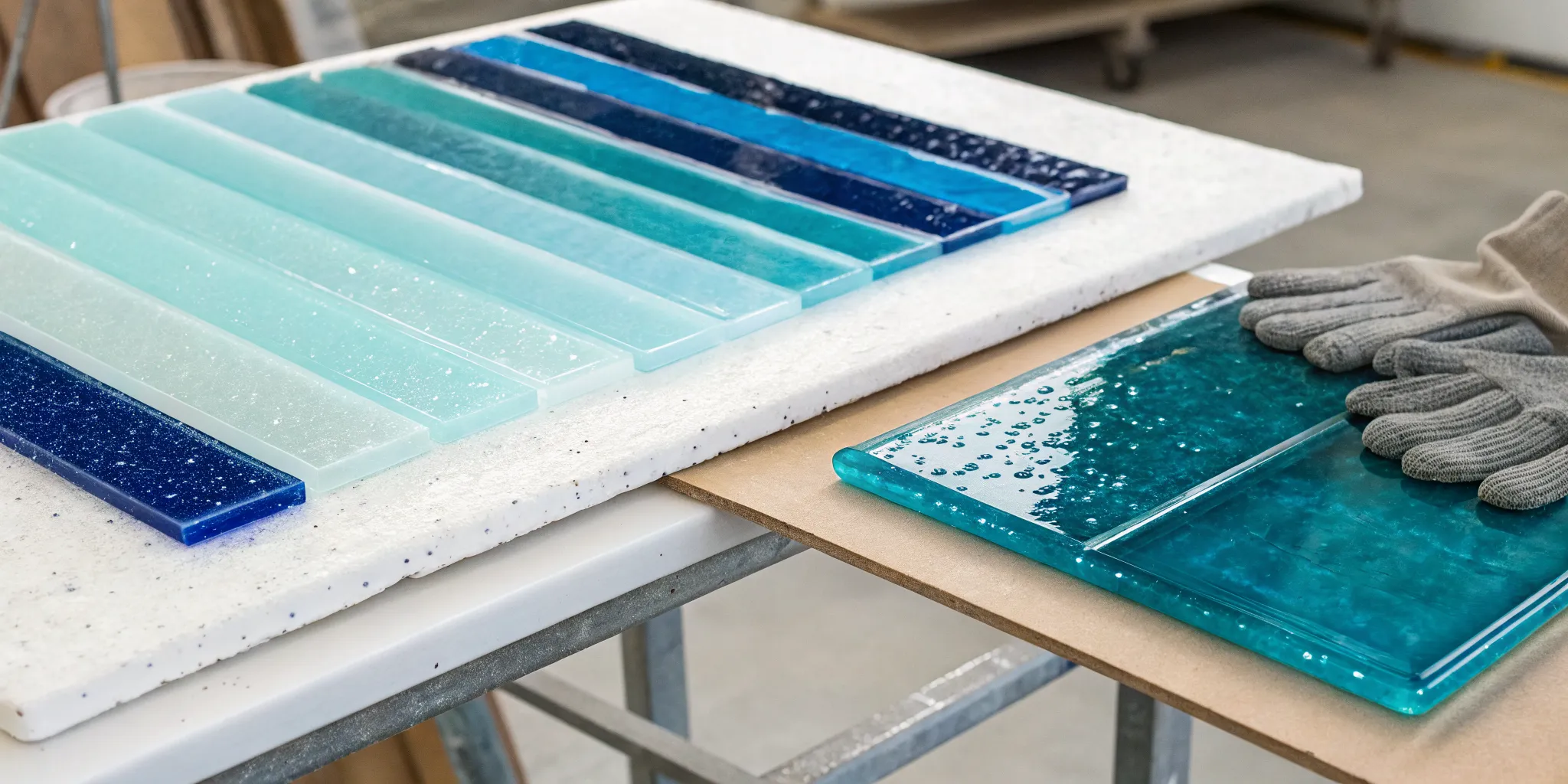
Fused glass pieces have a distinctly smooth, glossy finish with soft, rounded edges where the glass has melted together. This technique is all about creating depth and texture within a single piece. You can layer different colors of COE90 glass to create incredible dimension, trap bubbles for visual interest, or sprinkle on frit for a speckled effect. Because the glass becomes molten, you can even shape it into three-dimensional forms like bowls, plates, or sculptures by slumping it over molds. The result is a solid, cohesive piece of art where the colors blend and flow in a painterly way.
The Look of Stained Glass: Light, Lines, and Tradition
Stained glass art is defined by its bold lines and its relationship with light. Traditionally, these pieces are flat panels designed to be hung in a window, allowing sunlight to illuminate the colored glass. Unlike the seamless surface of fused glass, stained glass has a textural quality from the metal lines (lead came or copper foil) that join the individual pieces. These lines are a crucial part of the design, creating a graphic or illustrative look similar to a drawing. The beauty of a stained glass piece comes from the mosaic of colors and the way the light filters through, making the artwork come alive.
Comparing Durability and Color Over Time
When it comes to longevity, both crafts produce durable pieces, but their construction affects how they age. A fused glass piece is essentially a single, solid object. Its colors are inherent to the glass and are exceptionally vibrant and fade-resistant, ensuring your artwork looks the same for generations. Stained glass is also very durable, and the color within the glass itself is permanent. However, because it is an assembly of many pieces held together by metal, the lead or solder lines can be a point of wear over many decades, especially if the piece is exposed to the elements. It’s not a major concern, but it’s a structural difference worth noting.
What Can You Make?
We’ve covered the techniques and tools, so let’s get to the fun part: what can you actually make? The project you’re dreaming of is often the biggest factor in deciding which craft is right for you. Both fused and stained glass open up a world of beautiful possibilities, but the final pieces have distinct looks and functions. Let’s explore some popular projects for each to help you find your inspiration.
Project Ideas for Fused Glass
Fused glass is incredibly versatile, allowing you to create both functional items and decorative art. Think beautiful, one-of-a-kind coasters, colorful hanging ornaments, or even custom jewelry pendants. Because you’re melting glass together, you can play with layers, textures, and blended colors in a way that feels very painterly. For three-dimensional pieces like bowls, plates, or soap dishes, you’ll use a process called slumping. This involves letting the fused glass soften over molds inside a kiln to take on a new shape. The possibilities are truly wide-ranging, from simple, flat suncatchers to complex, sculptural pieces.
Project Ideas for Stained Glass
Stained glass has a rich history of telling stories with light, and that tradition continues in modern crafting. While you might picture grand church windows, today’s artists create everything from intricate suncatchers to beautiful hanging panels for their homes. You can design geometric patterns, flowing natural scenes, or even abstract pieces. The magic of stained glass lies in how the colors transform when light shines through them, bringing your design to life. It’s a perfect medium for creating heirloom-quality art that can be enjoyed for generations, whether it’s a small decorative box or a statement window piece.
Which Craft Is Easier for Beginners?
Deciding between fused glass and stained glass can feel like a big choice when you’re just starting out. Both are incredibly rewarding, but they have different entry points. The best fit for you really depends on what kind of creative process you enjoy most. Do you prefer a craft that’s a bit more forgiving upfront, or are you excited to learn a set of precise, hands-on skills from day one? Let’s look at the learning curve, safety needs, and some fun first projects for each to help you find your perfect starting point in the world of glass art.
The Learning Curve for Each Technique
Many beginners find that fused glass has a gentler learning curve. A big reason for this is that you don’t have to master glass cutting right away. You can start by arranging pre-cut glass pieces, frit, and stringers to create your design. The magic happens inside the kiln, which fuses the separate elements into a single, smooth piece. This process is quite forgiving; if you don’t love your initial layout, you can often just rearrange it before firing.
Stained glass, on the other hand, requires you to learn several distinct skills at once. From your very first project, you’ll be cutting glass to a pattern, grinding the edges, applying copper foil, and soldering the pieces together. It’s a very hands-on process that demands precision from the start. While this might sound intimidating, many people fall in love with the methodical, handcrafted nature of building a piece from scratch.
Key Safety Considerations
Working with glass always requires a bit of caution. For both crafts, you’ll be handling sharp edges, so a good pair of safety glasses and careful handling are non-negotiable. For stained glass, you’ll also be working with solder, which can contain lead. It’s important to work in a well-ventilated area and get into the habit of washing your hands thoroughly after each session.
With fused glass, your main safety focus will be the kiln. These operate at extremely high temperatures, so you’ll need to follow all manufacturer instructions for safe placement and operation. Proper ventilation is also key, especially if you fire materials like enamels or fiber paper, which can release fumes. Always make sure your kiln space has good airflow to keep your studio environment safe and comfortable.
Great Beginner Projects to Build Your Skills
Starting with a simple, achievable project is the best way to build your confidence. For fused glass, you could make a set of colorful coasters or a few hanging suncatchers. These projects allow you to experiment with layering colors and textures using frit and stringers on a simple glass base. As you get more comfortable, you can try making small dishes or bowls using molds to give your pieces shape.
For your first stained glass project, think simple shapes and straight lines. A small geometric suncatcher or a simple panel with just a few pieces is a perfect way to practice the core skills of cutting, grinding, foiling, and soldering. Choosing a pattern without complex curves will help you master the fundamentals before you move on to more intricate designs. The satisfaction of seeing light shine through your first finished piece is truly unmatched.
How to Choose the Right Craft for You
Deciding between fused glass and stained glass comes down to your personal style, budget, and the space you have to work with. There’s no wrong answer, only the one that’s right for you. Thinking through these key areas will give you the clarity you need to pick a craft and start creating.
Match the Craft to Your Creative Goals
First, think about what you want to make. Are you dreaming of creating sleek, glossy pieces with depth and dimension, like jewelry, bowls, or decorative plates? If so, fused glass is likely your calling. This technique uses a kiln to melt layers of glass together into a single, smooth piece. It’s also quite forgiving, since you can create beautiful designs with glass powders and small chips, meaning you don’t have to master precision cutting right away.
On the other hand, if you’re drawn to the timeless beauty of suncatchers and traditional window panels with intricate lines, you’ll want to explore stained glass. This craft is all about precision cutting and assembling pieces with copper foil or lead came, creating a mosaic-like effect that truly comes alive with light.
Factor in Your Budget
Your budget will play a big role in your decision, especially when it comes to startup costs. The biggest financial difference between the two crafts is the need for a kiln. Fused glass is entirely dependent on a kiln to melt and shape the glass, which is a significant upfront investment. While there are small, affordable kilns perfect for jewelry, a larger one for plates or panels will cost more.
Stained glass has a more accessible entry point. Your essential tools will include a glass cutter, a grinder, a soldering iron, and pliers. While the cost of these tools adds up, it’s generally less than buying a kiln. You can start with a basic kit and add more specialized tools over time as you grow your skills.
Assess Your Workspace
Finally, consider the space where you’ll be creating. Both crafts have specific safety and space requirements. Stained glass involves cutting glass (which creates tiny, sharp shards), grinding, and soldering, which produces fumes. You’ll need a dedicated, well-ventilated area where you can work safely without worrying about spreading dust or lead particles.
A space for fused glass centers around the kiln, which requires proper ventilation and clearance from any flammable materials. The assembly process itself can be a bit cleaner than stained glass work, as you’re often just arranging pieces of COE90 glass on a kiln shelf. However, the kiln itself demands a safe, dedicated spot. No matter which you choose, having a designated studio space is always a good idea.
Related Articles
- How to Make Glass Jewellery in 7 Simple Steps – ArtGlassSupplies
- What Is Stained Glass Art? A Complete Guide – ArtGlassSupplies
- Fused Glass Circles: Trends, Techniques & Sustainable Art
- A Complete Guide on, How to Prepare for Glass Fusing?
Frequently Asked Questions
Can I use the same glass for both stained and fused glass projects? It’s best to keep your materials separate. Most glass sold for stained glass projects is not tested to withstand the high temperatures of a kiln and will likely crack or break during firing. On the other hand, fusing-compatible glass (like COE90 or COE96) is specifically designed for the kiln. While you could technically use this more expensive glass for a stained glass piece, it isn’t necessary or cost-effective.
I want to try fused glass, but I can’t afford a kiln. What are my options? This is a very common situation, so don’t feel discouraged. The high cost of a kiln is the biggest hurdle for many aspiring fusers. A great way to start is by looking for local art studios or community centers that offer kiln firing services for a small fee. This allows you to create your projects at home and then take them somewhere to be fired, giving you a chance to fall in love with the process before making a big investment.
Which craft is better if I want to make three-dimensional items like bowls or plates? For creating functional, three-dimensional pieces like bowls, plates, and soap dishes, fused glass is definitely the way to go. The process involves a second firing where a flat, fused piece is “slumped” over a mold, causing it to take on the mold’s shape. Stained glass construction, which joins separate pieces with metal, is best suited for creating beautiful flat panels and suncatchers.
Is it true that I have to work with lead to make stained glass? Not at all. While traditional stained glass uses H-shaped lead strips called “came” to hold the glass, the copper foil method is an extremely popular and accessible alternative. With this technique, you wrap the edges of your glass pieces in copper foil tape and join them with solder. You can even find lead-free solder options if you prefer, which is a great choice for pieces that might be handled frequently.
I’m not great at drawing. Can I still be good at glass art? Absolutely. You do not need to be a skilled illustrator to create beautiful glass art. For stained glass, there are thousands of patterns available for you to use, from simple geometric shapes to complex floral designs. For fused glass, much of the beauty comes from abstract arrangements of color and texture using materials like frit and stringers, which requires no drawing skill at all. The craft is more about your eye for color and your hands-on assembly skills.