
Thinking about your next piece? If you work with glass, you know the material itself is half the art. While clear glass is a classic choice, frosted glass art offers a completely different kind of canvas. Its beautiful, semi-opaque surface isn’t just for privacy—it’s for playing with light and shadow in ways that add incredible depth and texture. This is the perfect glass for art projects that need a touch of sophistication. It can truly transform your work, giving it a soft, ethereal quality that makes an impact.
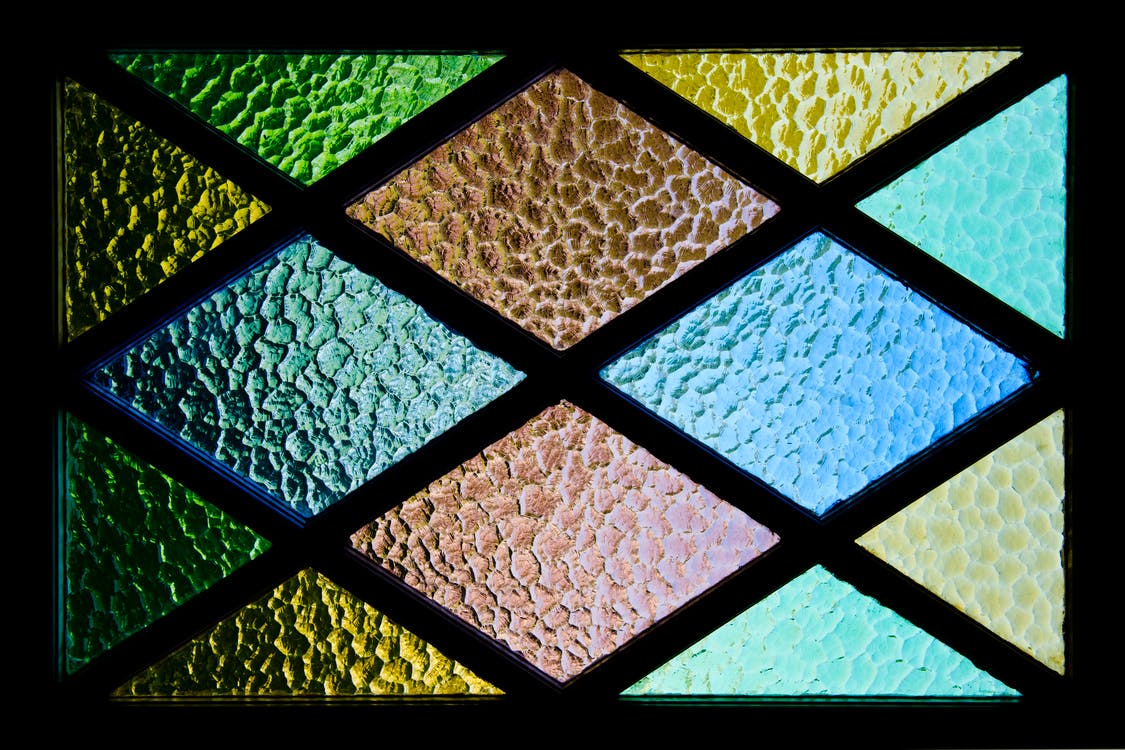
Frosted glasses are replacing regular glasses in home interiors, decor, and other art projects. These gives more structure and edge to plain glass art. Mostly, these are used for glass paintings that need an opaque background.
Before using the glass for painting or other art projects, let’s find out about – frosted glass, types of frosted glass, and much more.
What is Frosted Glass?
Frosted glass is a normal glass that has undergone chemical treatment to make it rough and slightly opaque. Sandblasting or acid etching are commonly used techniques in this treatment. This makes the glass translucent and allows only a portion of light, making the vision through the glass ambiguous.
Pros and Cons of Using Frosted Glass in Art
Like any material, frosted glass comes with its own set of advantages and challenges. Understanding these can help you decide if it’s the right choice for your next project. Let’s look at what makes it shine and a few things to keep in mind.
Benefits of Frosted Glass
Softens and Diffuses Light
One of the biggest draws of frosted glass is its ability to soften and diffuse light. Its textured surface scatters light rays, creating a gentle, even glow that’s amazing for art pieces intended to create a specific mood. Instead of a direct, sharp light, you get a soft luminescence that can make colors appear more subtle. As one source notes, it blurs what’s behind it while still letting light through, which is perfect for projects that play with shadow and illumination.
Durable and Safe
Beyond its look, frosted glass is also impressively tough. The processes used to create the frosted effect don’t compromise the glass’s integrity. In fact, it’s often made from safety glass, which is much stronger than standard glass. For an artist, this is a huge plus. It means your finished piece will be more resilient and less prone to breakage, providing peace of mind when creating larger installations or functional art that will be handled frequently.
Drawbacks of Frosted Glass
Higher Cost and Maintenance
On the practical side, frosted glass often has a higher price tag. The extra steps involved in sandblasting or etching mean it typically costs more than plain clear glass, which can be a factor for artists on a budget. Additionally, the textured surface can require more attention when cleaning. It can trap fingerprints and dust more easily than a smooth surface, so you might need to be more mindful about its upkeep to keep it looking its best.
Obscured Views
The very quality that makes frosted glass great for privacy—its translucency—can also be a creative limitation. It’s designed to obscure the view, blurring anything that isn’t pressed directly against its surface. If your artwork relies on sharp details or distinct layers, frosted glass might not be the best fit. For projects where clarity is key, exploring clear or lightly textured stained glass could be a better alternative to achieve your vision.
Types of Frosted Glass For Art Projects
1. French Embossed: For an Elegant, Textured Look
French embossing, also known as acid etching, is one of the most common frosted glass-producing technologies. Acid-etched glass is preferred by artists for paintings, wall hangings, windows, and more. Acid-etching gives a blurred surface to the glass, reducing visibility, and limiting light flow.
2. Sandblasted: Achieving a Smooth, Matte Finish
Sandblasted glasses are more durable and preferred by artists, for their molding ability as compared to acid-etched glass. These are produced by applying an abrasive material onto the glass surface forcibly. In sandblasting, the brightness and texture can be customized. Artists choose sandblasted glasses because they are easily available.
Levels of Sandblasted Detail
Sandblasting offers more than just a simple frosted finish; you can control the depth and complexity to create a wide range of visual effects. Depending on your project’s goal, you can choose from several levels of detail, each with its own unique look. The most basic is a 1D design, which is a simple surface etch that creates solid, opaque shapes. This is perfect for creating a semi-private effect or for patterns where you want a clean, straightforward frosted look. A step up is the 2D design, which also stays on the surface but introduces shading that gently fades out, giving your work a two-dimensional appearance with more visual depth.
If you want a more sculptural effect, 3D sandblasting is the way to go. This technique involves cutting deep into the glass, giving it a carved, tactile quality that’s perfect for making certain elements of your design pop. For the most intricate and dimensional look, there’s the 3D Enhanced design. This method uses deep carving in multiple layers, which makes the artwork appear as if it’s floating within the glass itself. This advanced technique is ideal for high-end art pieces where you want to achieve maximum depth and impact, turning a simple sheet of glass into a stunning work of art.
3. Ceramic Frit: The Durable, Colorful Option
Ceramic frit glass, also known as Silk Screen Glass is a unique kind of frosted glass. In this method, a ceramic printed sheet is layered on the glass to bring out a specific graphic pattern. Artists use silk screen frames on normal glass and treat it under heat to get the pattern imprinted.
4. Translucent Film: A Simple Way to Frost Normal Glass
Translucent glass film is the simplest method of obtaining frosted glass. These films are used on the inside of the glass sheet to limit the inflow of light or heat in summers. So, artists prefer translucent film for glass art projects that require an opaque surface.
4. Textured and Patterned Glass
Gluechip Glass
Beyond the standard frosted look, you can find glass with incredible textures and patterns. Gluechip glass is a fantastic example of this, featuring a unique, almost frosty or fern-like pattern that looks completely natural. The effect is created by applying animal hide glue to the surface of the glass. As the glue dries, it shrinks and pulls off tiny chips of glass, leaving behind that beautiful, intricate texture. This process means no two sheets are exactly alike. For artists, gluechip offers a way to add depth and an organic feel to their work, making it a popular choice for everything from decorative panels to intricate stained glass pieces where you want to play with light and texture.
Popular Patterns and Privacy Ratings
Frosted glass also comes in a wide variety of pre-made patterns, from simple geometric designs to elegant floral motifs and abstract shapes. While often used in home decor for privacy in places like bathrooms or front doors, these patterns offer a great starting point for artistic projects. The level of privacy a pattern provides depends on its opacity and complexity—some lightly obscure the view, while others block it almost completely. As an artist, you can use these patterns to your advantage. A patterned background can add instant visual interest to a piece or serve as a guide for your own designs, saving you the step of creating a complex texture from scratch.
How to Use Frosted Glass in Art Projects
For any art project, it is mandatory to use premium quality art supplies – glass paints, molds, frames, and other necessary materials to get the desired outcome. These are some common art projects where you can use frosted glass;
1. Create Timeless Frosted Glass Designs
In the past years, frosted glasses have been used in religious places as windows and doors. Artists hand-paint these windows with perfection. Motifs and flowers that match the aesthetic vibe of the place are painted on the frosted glass.
2. Crafting Unique Frosted Glass Portraits
The frosted glass portraits are a popular choice among artists because it brings out clarity and quality of the design. The Sandblast engraving technique is used to create the portraits. Mostly these are made for museums and art studios.
3. Designing Modern Art for Glass Windows
The traditional frosted glass windows which were used on religious platforms are making a comeback. The colorful paintings and scriptures are now demanded in houses, offices, and especially hotels.
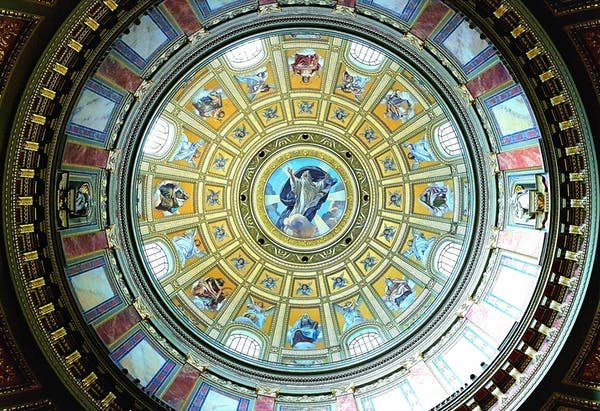
Mosaic patterns are easy to spot in hotels and restaurants.
These frosted glass windows not only enhance the look of the place but provide privacy to the rooms.
DIY and Temporary Frosted Glass Methods
If you’re not ready to commit to professionally etched or sandblasted glass, there are several fantastic DIY methods that can give you a similar look for a fraction of the cost. These techniques are perfect for artists who want to experiment with an opaque background or for anyone looking to add a touch of privacy to a window without a permanent alteration. Trying out these temporary options is a great way to test a design concept before investing in more permanent materials for a larger project, allowing you to play with light and texture without the pressure of a final piece.
Applying Frosted Glass Films
One of the most straightforward ways to get a frosted effect is by using a translucent glass film. This adhesive vinyl is applied directly to the inside of a clean glass pane, creating a smooth, consistent finish. It’s a popular choice not just for privacy but also for its ability to diffuse harsh sunlight, which can be a bonus in a studio space. For glass artists, this film can create a perfect, uniform opaque surface to serve as a backdrop for other design elements, giving you a reliable canvas to work on for projects that require a non-transparent base.
Using Frosted Glass Spray Paint
For a quick and even finish, frosted glass spray paint is an excellent tool to have in your arsenal. Products like frosted glass spray make it incredibly easy to achieve a semi-transparent, frosted appearance on everything from glass panels to vases and jars. The application is simple: just clean your glass surface thoroughly and apply thin, even coats until you reach your desired level of opacity. This method is ideal for adding a frosted touch to smaller decorative items or for creating intricate stenciled designs on a glass surface with crisp, clean lines.
The Glue Method for a Temporary Effect
You can create a beautiful, temporary frosted look with something you probably already have in your craft drawer: glue. Simple white school glue or a craft medium like Mod Podge can be applied to glass to create a textured, frosted effect that mimics the look of antique glass. You can brush it on for a streaky look or dab it with a sponge for a more mottled texture. This technique is incredibly forgiving, inexpensive, and completely reversible, making it perfect for seasonal decorations or for adding a bit of flair to a simple glass vase or lampshade.
Caring for Your Frosted Glass
Whether your frosted glass was professionally treated or created with a DIY method, it requires a slightly different approach to cleaning and maintenance than standard clear glass. The textured surface that gives frosted glass its signature look is also more prone to trapping dust and showing smudges from fingerprints. Proper care will keep your art pieces and decorative windows looking their best without damaging the delicate finish, ensuring your hard work continues to shine for years to come. A little bit of attention goes a long way in preserving the beauty of the frosted surface.
Cleaning Tips
Because of its textured surface, you’ll want to clean frosted glass carefully to avoid leaving lint behind or causing damage. The best approach is to use a soft, lint-free microfiber cloth with a gentle cleaning solution. You can make your own by mixing water with a small amount of white vinegar or a single drop of dish soap. Avoid using abrasive cleaners or scrub brushes, as these can scratch the surface or wear away DIY finishes like spray paint or glue. Regular, gentle dusting and cleaning will prevent buildup and keep the glass looking pristine and vibrant.
Installation Best Practices
Proper preparation is key, especially when you’re applying a frosted film or spray. For the best adhesion and a flawless finish, you must start with a perfectly clean surface. Before you begin, clean the glass thoroughly to remove any dust, grease, or debris that could interfere with the application. Make sure the glass is completely dry before applying any film, as trapped moisture can lead to bubbles and peeling. Taking a few extra minutes to prep the surface will make a huge difference in the final quality and longevity of your project.
Modern Trends in Frosted Glass
Frosted glass has moved far beyond its traditional uses for privacy in bathrooms and offices. Today, artists and designers are using it in exciting and innovative ways, from high-tech applications to unique, handcrafted art pieces. The interplay of light and texture offered by frosted glass makes it a versatile medium for contemporary design. Whether you’re creating your own art with stained glass or looking for inspiration, it’s exciting to see how this classic material is being reimagined in modern spaces and studios.
Switchable Smart Glass
One of the most futuristic trends is “smart glass,” also known as switchable privacy glass. This incredible technology allows glass to change from completely clear to frosted with just the flip of a switch. It works by running a small electrical current through a film embedded in the glass, which aligns microscopic particles to let light pass through. When the power is off, the particles scatter, creating an opaque surface. While it’s a high-end option, it showcases the amazing potential of glass in modern architecture and interactive art installations.
Tips for Shopping for Glass Art Online
If you’re looking to buy finished frosted glass art instead of making your own, online marketplaces are a fantastic resource. Sites like Etsy are filled with independent artists creating unique, handmade pieces you won’t find anywhere else. When shopping, be sure to read reviews from other buyers and double-check the item’s dimensions to ensure it fits your space. Don’t hesitate to contact the artist directly with any questions; they can often provide more details about their process or even accommodate custom requests, helping you find a truly one-of-a-kind piece of art.
Wrapping Up…
The glass industry has widened its horizons for artists in recent years. All those who love glass art do not have to limit their artistic skills. There is more than just normal glass playing as a canvas.
If you are in search of some high-quality art glass supplies then you are at the right place. Our dedicated experts will guide you on the right material and safety measures that you must take while indulging in glass work. Contact our team today!
Frequently Asked Questions
What’s the easiest way to get a frosted look without buying special glass? If you want to experiment with a frosted effect, your best bet is to start with a temporary method. Frosted glass spray paint is incredibly user-friendly and gives you a very even, consistent finish. For something even simpler and completely reversible, you can apply a thin layer of craft glue like Mod Podge with a sponge. This gives you a more textured, antique look and is perfect for testing out ideas on smaller pieces before you commit to a permanent design.
Is sandblasted or acid-etched glass better for detailed art projects? It really depends on the kind of detail you’re after. Acid-etching, or French embossing, creates a very fine, smooth, and consistent matte surface, which is wonderful for elegant, subtle designs. Sandblasting, on the other hand, offers more versatility. You can control the depth of the etch, allowing you to create shaded effects or even deeply carved, three-dimensional designs. If your project involves intricate layering or sculptural elements, sandblasting gives you more creative control.
Can I add color or paint to a frosted glass surface? Absolutely. The textured surface of frosted glass actually provides a great “tooth” for glass paints to adhere to. The semi-opaque background can make colors appear softer and more luminous as light diffuses through them. Just be sure to use paints specifically formulated for glass to ensure they cure properly and remain durable. The frosted finish acts as a beautiful, built-in primer that can add a lot of depth to your painted work.
How do I clean my frosted glass art without damaging the finish? The key is to be gentle. The textured surface can trap dust and lint, so avoid paper towels. Instead, use a soft, lint-free microfiber cloth. For cleaning solutions, a simple mixture of water and a little white vinegar works perfectly. Avoid any harsh, abrasive cleaners or scrubbing pads, as they can scratch the surface or wear away the frosted finish, especially on DIY pieces. A light, regular dusting is often all you need to keep it looking great.
Will the frosting effect fade or wear off over time? Professionally sandblasted or acid-etched glass is permanent; the surface of the glass itself has been altered, so the effect will last as long as the glass does. DIY methods are a different story. Frosted glass spray paint is quite durable but can be scratched or chipped over time with rough handling. A glue-based finish is considered temporary and can be washed off, making it better for decorative items that won’t be handled frequently.
Key Takeaways
- Match the Frosted Glass Type to Your Goal: Whether you need a permanent, deeply etched design with sandblasting or a temporary, experimental look with a DIY film, there’s a frosted glass method to fit your project’s scope and budget.
- Embrace Diffused Light, But Plan for Opacity: Frosted glass is unmatched for creating a soft, ethereal glow in your artwork. Just remember that this beautiful translucency will obscure sharp details, so it’s best for pieces that prioritize mood and texture over clarity.
- A Clean Surface is Your Best Friend: For both applying DIY frosted effects and maintaining your finished art, starting with a spotless surface is crucial. Gentle, lint-free cleaning will keep your piece looking pristine without damaging the textured finish.
Related Articles
- Snow Flake Texture Fusing Tile | Art Glass Supplies – Slumping & Draping M
- Etch Cream | Art Glass Supplies – Tools
- Fanta Sea Pattern Glass – ArtGlassSupplies.com – COE90 & 96 Freestyle Etch
- ArtGlassSupplies.com Etched Retro Squares Pattern on Thin Glass COE96 – CO
- ArtGlassSupplies.com Etched Disco Balls Pattern on Thin Glass COE96 – COE9