


ARTGLASSSUPPLIES.COM
ArtGlassSupplies.com28 Daniel Plummer Rd, Unit 5
Goffstown, NH 03045, USA
(888) 213-8588 or(888) 213-8588 or
(518) 618-0812(518) 618-0812
Show
Sort by
Copper foil and solder are the core consumables for the Tiffany method of stained glass, used to wrap each glass piece and then join the pieces into a finished panel, lampshade, or three-dimensional form. This category at Art Glass Supplies brings together the foils and solders most stained glass workers reach for, from copper, black-backed, and silver-backed adhesive foils to lead-tin solder spools in the standard alloys.
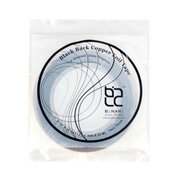
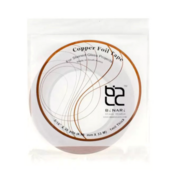
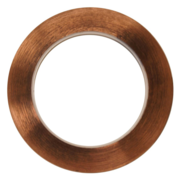
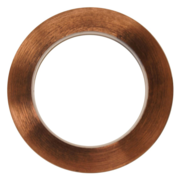
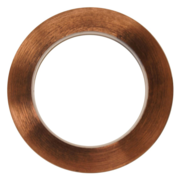
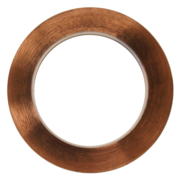
You will find Edco and Binari copper foil here in plain copper, black-backed, and silver-backed styles. Black-backed foil shows a dark line through clear and pale glass when patina is not used, while silver-backed foil keeps the seam line bright behind transparent or lightly tinted glass. Foil is stocked on rolls in 1mil and 1.25mil thicknesses, plus 12 inch by 12 inch sheets that are handy for wrapping awkward shapes, jewelry pieces, and decorative filigree.
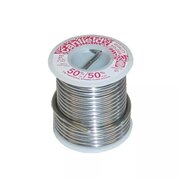
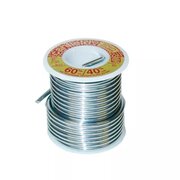
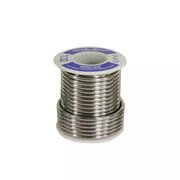
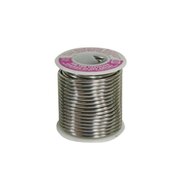
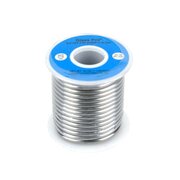
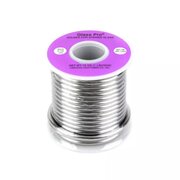
Canfield and Glasspro solders are stocked on one pound spools. Classic 50/50 tin-lead alloy flows slower and stays put for tinning and decorative buildup, while 60/40 flows faster and rounds bead lines more easily, making it the workhorse choice for finished seams. Canfield Quik Set solidifies quickly for stand-up work and three-dimensional pieces, and Canfield Ultimate is a higher-tin formulation that beads cleanly and holds fine detail on display work.
Pick foil width by glass thickness. Single-thickness art glass is typically foiled with 7/32 inch tape, while thicker fusing glass, beveled work, and jewelry call for 1/4 inch or wider. Match the backing color to the seam tone you want behind transparent glass, and reach for the heavier 1.25mil foil when the glass edges are slightly uneven, when you are working tight inner curves, or when you want extra strength on lampshade panels.
Use a temperature-controlled iron, a flux made for copper foil work, and keep the tip tinned. 60/40 melts at a lower temperature than 50/50 and is more forgiving for newer builders, but both alloys produce strong, smooth seams when the foil is burnished tight to the glass before flux goes on. Lead solder is intended for stained glass construction only, not for jewelry that contacts skin or for food contact surfaces.
Do you love saving Money? We love helping you.
Sign up for our newsletter to find out about our weekly specials.
We will send you fusing tips and useful industry information too.


