










ARTGLASSSUPPLIES.COM
ArtGlassSupplies.com28 Daniel Plummer Rd, Unit 5
Goffstown, NH 03045, USA
(888) 213-8588 or(888) 213-8588 or
(518) 618-0812(518) 618-0812
Show
Sort by
Displaying 1 to 20 (of 180 products)
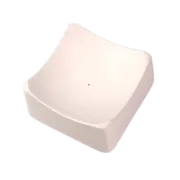
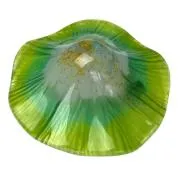
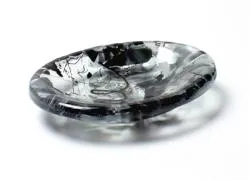
Slumping and draping molds shape kiln-fired glass into finished forms: dishes, bowls, mushrooms, bottle pieces, and textured tiles. This category is built around Creative Paradise ceramic molds, covering both slumpers (concave forms that glass settles into) and drapers (convex forms that glass folds over) for fused glass studios working in System 96, Bullseye 90, or float.
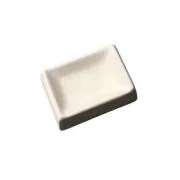
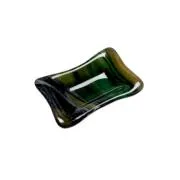
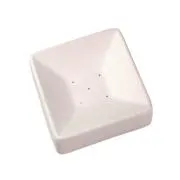
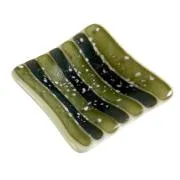
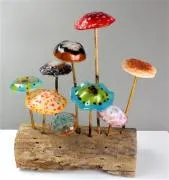
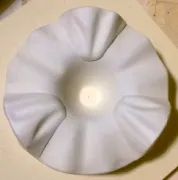
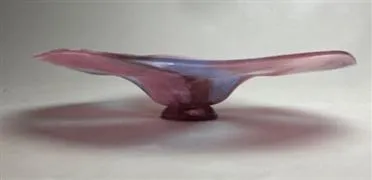
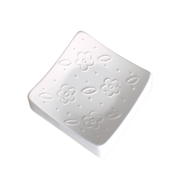
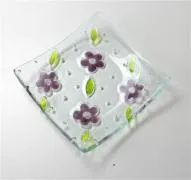
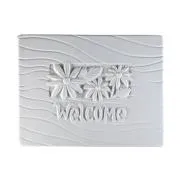
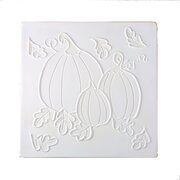
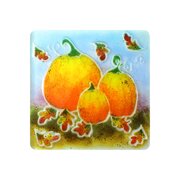
The selection spans everyday slumping molds for plates, bowls, coasters, canape dishes, and soap dishes, along with draping molds for fan flowers, conical drapes, lamp bases, and sculptural mushroom caps. Texture fusing tiles add raised relief (butterflies, dragonflies, florals, dreamcatchers, Day of the Dead, seasonal themes) to a fused blank. Bottle slumping molds turn wine and spirit bottles into spoon rests and serving pieces, with options for flat base, drop center, and themed forms like dragonfly, flag, and bee bottles.
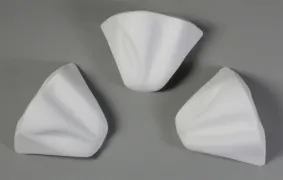
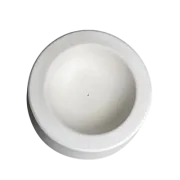
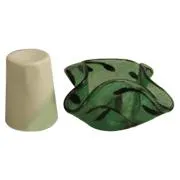
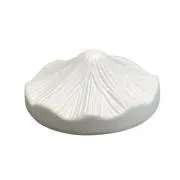
A slumping mold is concave. The fused blank softens and sags down into the cavity, taking on the interior shape, which is how you get dishes, bowls, and plates with a defined rim. A draping mold is convex. The blank softens and folds down over the outside of the form, which is how you get flared vases, cones, mushroom caps, and free-form skirts. Many makers keep a mix of both so they can move a single fused blank through more than one firing.
Creative Paradise molds are ceramic, so they are COE-neutral. The same mold can be used with System 96, Bullseye 90, or float glass. The only constraints are that your fused blank fits the mold footprint and that your firing schedule matches the glass you are using.
Coat the mold with kiln wash or boron nitride before each use to keep glass from sticking, and re-coat any areas that flake between firings. Slumping and draping happen at lower temperatures than a full fuse, often in the 1200 to 1250 F range, with a slow ramp and a brief vent at the start to release any moisture in the mold. Cool through the annealing range slowly to reduce internal stress in the finished piece, and let the mold cool fully before lifting the glass off.
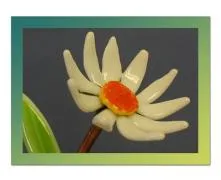
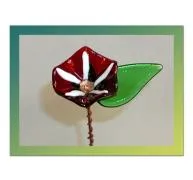
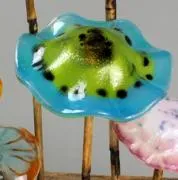
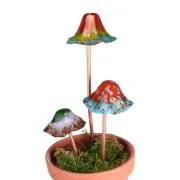
The dish, bowl, and coaster slumpers cover functional tableware. The mushroom caps, dome forms, and floral drapes are popular for garden art and sculpture. The conical drape lamp base kit fits stained glass and fused glass lamp builds. Texture tiles add raised detail to plates, panels, and jewelry blanks before a final slump. The bottle slumping molds are a fast route to gift pieces from upcycled bottles.
Do you love saving Money? We love helping you.
Sign up for our newsletter to find out about our weekly specials.
We will send you fusing tips and useful industry information too.


